

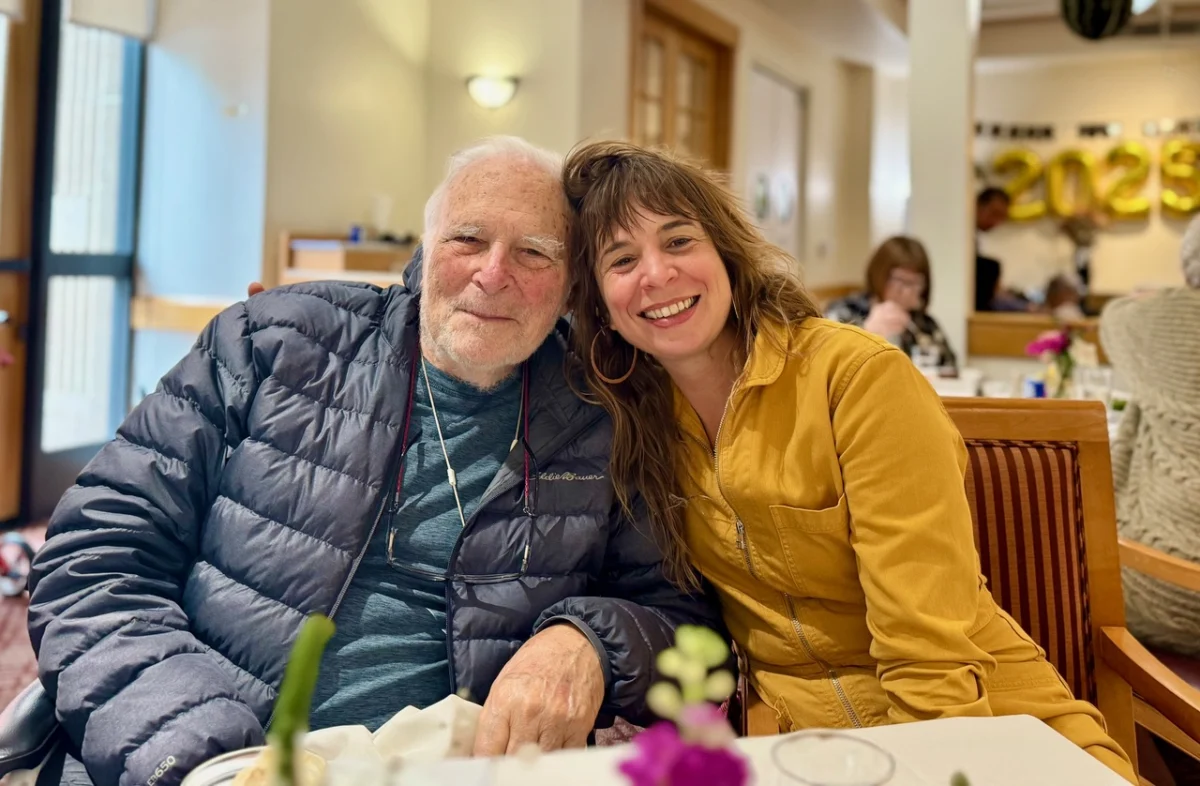
The passing of Dr. Paul Ekman, a titan in the field of emotion research and a pioneer in the study of facial expressions, has prompted a reflection on a career marked by groundbreaking scientific inquiry, profound personal transformation, and an unwavering commitment to human betterment. While obituaries have noted the scientific debates surrounding his foundational work, a more comprehensive understanding of Dr. Ekman’s legacy reveals a complex and deeply human narrative: that of a child who navigated trauma to become a father dedicated to presence, a scientist who embraced contemplative wisdom to foster compassion, and a man who continually sought to reduce suffering in himself and others.
Dr. Ekman’s journey was deeply influenced by early life experiences. As his daughter, Eve Ekman, eloquently shared, his childhood was marked by "profound trauma and loss," experiences that indelibly shaped his lifelong research into the intricacies of human emotion. This personal history fueled a powerful desire to be the kind of supportive and present parent he himself had lacked. "He wasn’t perfect," Eve Ekman noted, "but he poured himself into being present, curious, loving, and supportive." This dedication extended beyond parental roles, forging a deep bond with his children, whom he considered not just offspring but "true friends and collaborators," individuals with whom he shared "fierce loyalty and genuine delight."
His marriage to Eve’s mother, a distinguished academic at UC Berkeley, spanned 41 years until her death in 2020. This partnership was characterized by mutual admiration and support, a testament to Dr. Ekman’s capacity for deep and enduring love. Eve Ekman recalled her father’s perpetual sense of wonder that his wife "had taken a chance on him," highlighting the joy and shared adventures that defined their life together.
A Turning Point: Dharamsala and the Transformation of a Scientist
A pivotal moment in Dr. Ekman’s life and career occurred in 2000 during a groundbreaking meeting in Dharamsala, India. This gathering brought together Dr. Ekman, His Holiness the Dalai Lama, and a select group of scientists and contemplative practitioners to explore the nature of "Destructive Emotions." This experience, as described by his daughter, "completely transformed his understanding of the world and of himself."
For years, Dr. Ekman had openly acknowledged his personal struggles with anger. However, the Dharamsala meeting offered a profound, almost visceral, understanding of how to live with diminished reactivity. He often spoke of this moment, admitting its elusive nature and his inability to fully articulate the embodied shift it produced. This experience resonated deeply with the Dalai Lama’s vision: to equip individuals with tools derived from Buddhist practice to mitigate suffering by fostering emotional understanding, cultivating a calm mind, and promoting kindness in an interconnected world.
Dr. Ekman, with his characteristic scientific rigor, embraced this paradigm shift. His innate curiosity and dedication to helping others find freedom from emotional distress propelled him to integrate his decades of empirical research with the ancient contemplative traditions he had come to deeply respect.
The Cultivating Emotional Balance Initiative and the Atlas of Emotions
This profound integration led to the development of significant initiatives aimed at practical application. Eve Ekman, a clinical social worker with experience in a level-one trauma center, brought a grounded perspective to this work. Together, they co-created the evidence-based training program, "Cultivating Emotional Balance" (CEB). Developed in collaboration with Alan Wallace, CEB has been offered globally, empowering individuals to understand and manage their emotions, thereby reducing suffering.
Furthering this mission, the pair collaborated on the "Atlas of Emotions," a free online tool commissioned by the Dalai Lama in 2016. This resource was designed to build a comprehensive vocabulary for describing the nuances of human emotional experience. The Atlas of Emotions is slated for a relaunch to mark its ten-year anniversary, underscoring its enduring relevance and impact. Both CEB and the Atlas of Emotions represent the culmination of Dr. Ekman’s later-life dedication to equipping individuals with the tools to navigate their inner landscapes and foster greater well-being.
Addressing Scientific Discourse and Legacy
The narrative surrounding Dr. Ekman’s scientific contributions has, at times, been framed by debate, notably in a recent New York Times obituary that focused on "controversy" by highlighting a single dissenting opinion. This perspective, his daughter argues, overlooks the extensive body of peer-reviewed research that has consistently replicated, expanded, and refined the field he helped establish.
Science, by its very nature, thrives on disagreement and the rigorous testing of hypotheses. Dr. Ekman himself welcomed such intellectual discourse. However, the emphasis on a singular critique, rather than the hundreds of studies and the contributions of dozens of laboratories that have built upon his foundational findings, risks misrepresenting the breadth and depth of his scientific impact. His work has demonstrably advanced global understanding of human emotion across diverse disciplines, including psychology, neuroscience, medicine, anthropology, national security, animation, and everyday life.
A Life of Service and Personal Growth
Paul Ekman’s life was a testament to the principle of science in service of humanity. His meticulous research was matched by a sincere desire to foster self-understanding and reduce suffering. He openly shared his vulnerabilities, worked to repair relationships, and evolved into a man characterized by joy, open-heartedness, and generosity. His capacity for deep, meaningful connections persisted until the final months of his life.
His legacy is that of a scientist of immense influence, but also a man who rebuilt himself from challenging beginnings, demonstrating a profound capacity for personal change. He was a collaborator who bridged ancient wisdom and modern science, and fundamentally, a human being dedicated to understanding emotion and expanding compassion. He never ceased learning how to love and live well.
The outpouring of well wishes from individuals across the globe underscores the profound impact Dr. Ekman and his work have had on countless lives. This enduring influence serves as a powerful testament to a life lived with purpose, a commitment to rigorous inquiry, and a deep-seated desire to contribute to a more understanding and compassionate world. His story is one of both formidable scientific achievement and deeply personal transformation, a narrative that continues to inspire and resonate.
