


Curriculum Night represents a pivotal opportunity for Speech-Language Pathologists (SLPs) to transcend the traditional confines of their therapy rooms, connect directly with parents, elucidate the profound impact of their work, and offer a transparent view into the dynamic world of speech and language therapy within the educational ecosystem. This annual event, often viewed primarily through the lens of general education, is increasingly recognized as a critical platform for specialized instructional support personnel, including SLPs, to advocate for their discipline, foster crucial home-school collaboration, and ultimately enhance student outcomes.
The Evolving Landscape of SLP Roles in Education
Historically, the role of SLPs in schools primarily focused on addressing overt articulation disorders or stuttering, often through isolated pull-out sessions. However, the scope of practice for school-based SLPs has expanded dramatically over the past few decades, driven by legislative mandates like the Individuals with Disabilities Education Act (IDEA) and a deeper understanding of the intricate links between communication, language, and academic achievement. Today, SLPs address a comprehensive spectrum of communication needs, including receptive and expressive language disorders, pragmatic (social) language deficits, fluency disorders, voice disorders, feeding and swallowing difficulties, and even the linguistic foundations of literacy.

This expanded role necessitates a heightened level of communication and partnership with parents and other educators. Research consistently demonstrates that strong parental involvement is a significant predictor of academic success and therapeutic progress for students with special needs. Curriculum Night, therefore, is not merely an informational session but a strategic imperative for SLPs to bridge potential knowledge gaps, demystify complex therapeutic processes, and empower parents to become active and informed partners in their child’s educational journey. By proactively engaging with the parent community, SLPs can elevate their professional visibility, reinforce the interdisciplinary nature of modern education, and ensure that the vital contributions of speech-language pathology are fully understood and appreciated.
The Strategic Imperative: Why Curriculum Night Matters for SLPs
For SLPs, Curriculum Night offers multi-faceted strategic advantages:
-
Enhanced Visibility and Advocacy: Many parents, and even some educators, may not fully grasp the breadth and depth of an SLP’s role. Often, their understanding is limited to specific experiences or stereotypes. Curriculum Night provides a structured forum to showcase the diverse services SLPs provide, from supporting early language development in preschoolers to aiding adolescents with complex communication needs or executive functioning challenges. This visibility is crucial for advocating for resources, explaining caseload management, and clarifying how speech and language goals integrate with and support the broader academic curriculum.

-
Fostering Parental Engagement and Empowerment: Effective therapy does not end when a student leaves the therapy room. Carryover and generalization of skills are paramount, and parental involvement is the cornerstone of this process. Curriculum Night is an unparalleled opportunity to build rapport, establish trust, and provide parents with actionable strategies they can implement at home. When parents feel informed and equipped, they are more likely to reinforce therapeutic goals, track progress, and communicate effectively with the therapy team. Studies by organizations like the National Coalition for Parent Involvement in Education (NCPIE) consistently highlight the positive correlation between parental engagement and improved student outcomes, underscoring the critical nature of this event.
-
Strengthening Interdisciplinary Collaboration: In an inclusive educational environment, SLPs are integral members of a multidisciplinary team. Curriculum Night allows SLPs to demonstrate how speech and language goals align with general education curriculum standards and support academic progress across all subjects. This understanding can strengthen relationships with general education teachers, special education colleagues, administrators, and support staff, leading to more cohesive and effective student support plans. It helps clarify how an SLP’s interventions are not isolated but interwoven into the fabric of a student’s overall learning experience.
-
Proactive Problem-Solving and Resource Sharing: By anticipating common parental concerns and offering practical solutions, SLPs can proactively address potential challenges before they escalate. This can range from providing resources for common developmental concerns to explaining the process of special education evaluations or Individualized Education Programs (IEPs). Offering readily accessible resources positions the SLP as an invaluable expert and partner, alleviating parental anxiety and fostering a collaborative problem-solving approach.
Key Strategies for an Impactful Curriculum Night Presentation
To maximize the impact of Curriculum Night, SLPs should adopt a strategic approach centered around clarity, engagement, and actionable support. The following strategies are designed to ensure presentations are informative, accessible, and memorable.
1. Targeted Content Selection: Addressing Core Parental Concerns with Precision
The foundation of an effective Curriculum Night presentation lies in choosing a topic that resonates deeply with parents and addresses their genuine concerns. Rather than simply describing what an SLP does, the focus should shift to how an SLP helps solve real problems that parents encounter in their child’s development and education. Data from parent surveys and anecdotal evidence consistently point to common areas of anxiety, such as understanding developmental milestones, navigating academic challenges related to language, or implementing effective communication strategies at home.
- Topic Relevance: Consider topics that directly address common questions parents have, such as:
- "Understanding Communication Milestones: What to Expect at Different Ages and When to Seek Support."
- "Language for Learning: How Speech Therapy Supports Reading, Writing, and Academic Success."
- "Practical Communication Strategies: Integrating Therapy Goals into Daily Home Routines."
- "Beyond Words: Fostering Social Communication Skills for Peer Interaction and Self-Advocacy."
- "Decoding the IEP: Your Child’s Speech and Language Goals in the Special Education Framework."
- "Exploring Augmentative and Alternative Communication (AAC): Empowering Non-Verbal or Minimally Verbal Students."
- Problem-Solution Framework: Frame the presentation around a problem-solution model. For instance, instead of "We teach articulation," present "Helping Your Child Speak Clearly: Strategies for Articulation Development at Home." This approach immediately demonstrates the tangible benefits of speech-language therapy and provides parents with a sense of agency.
- Inferred Reactions and Implications: When SLPs select topics that directly address parental pain points, parents report feeling more understood and valued. This leads to higher engagement during the session and a greater likelihood of parents actively seeking follow-up information or implementing suggested strategies. It shifts the perception of the SLP from a service provider to a trusted expert and collaborative partner.
2. Demystifying the Discipline: Employing Parent-Friendly Language
One of the most critical aspects of effective communication with parents, particularly in specialized fields like speech-language pathology, is the judicious use of language. The academic and clinical training of SLPs involves a complex lexicon of technical terms and abbreviations (e.g., "phonological process disorder," "receptive-expressive language disorder," "pragmatics," "IEP," "AAC"). While these terms are precise within the professional community, they can be bewildering and alienating to parents who are new to the world of special education or speech therapy.
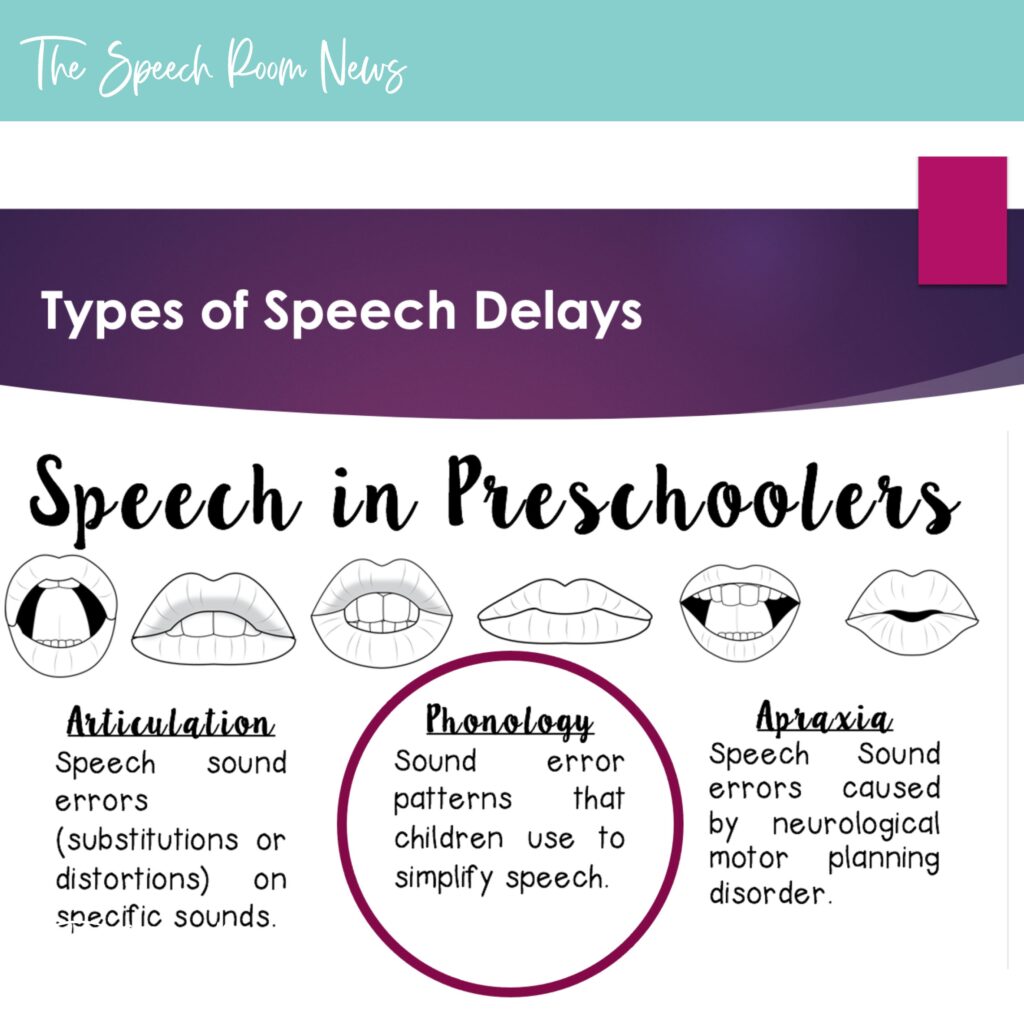
- Avoid Jargon: As a guiding principle, SLPs should explain concepts as if they were speaking to an intelligent fifth-grader. This means consciously eliminating or simplifying professional jargon. For example, instead of discussing "phonological processes," explain "patterns of sound errors your child might make." Rather than "receptive language delay," describe "difficulty understanding what others say or following directions."
- Use Analogies and Metaphors: Simple analogies can be powerful tools for demystifying complex concepts. For instance, explaining language as the "building blocks for learning" or social communication as "the rules of a conversation game" can make abstract ideas more concrete and relatable.
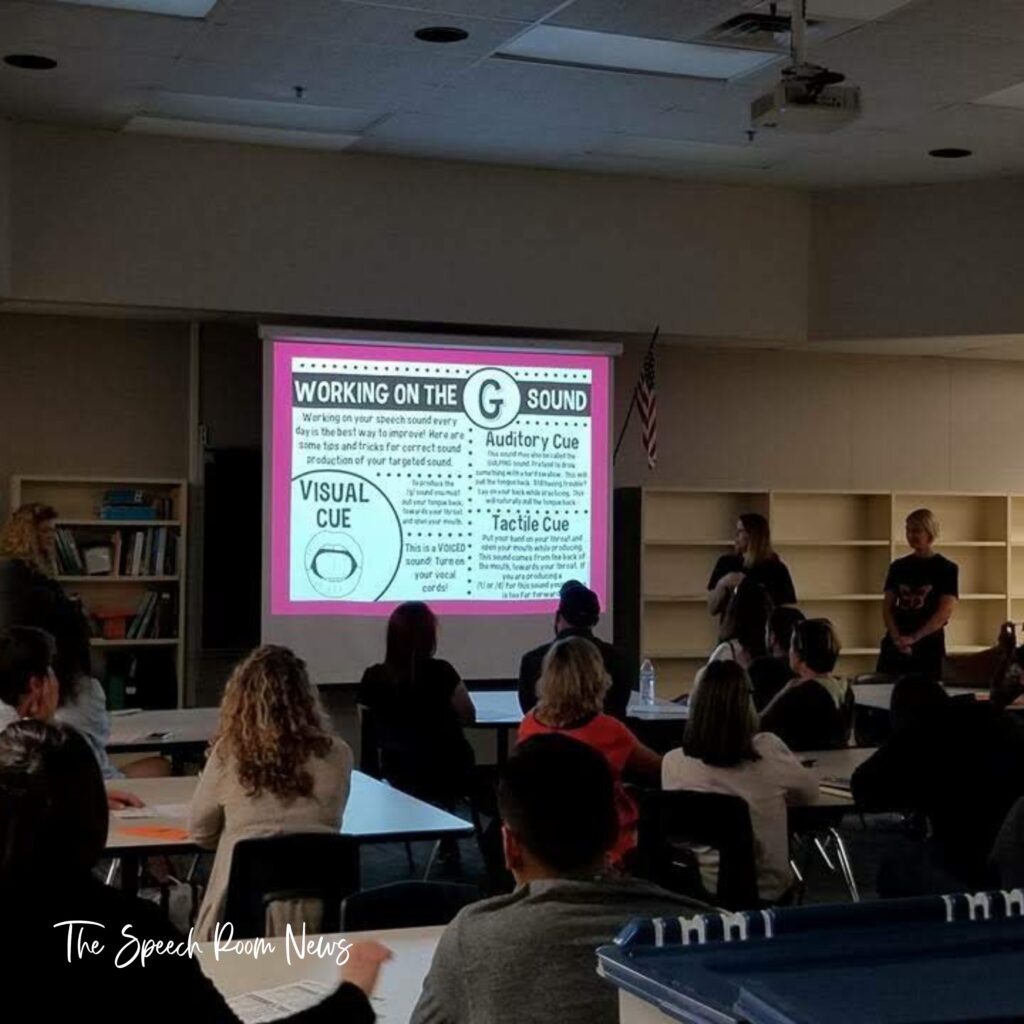
- Visual Aids: Supplement verbal explanations with clear, simple visual aids that illustrate concepts without relying on dense text or technical diagrams.
- Inferred Reactions and Implications: Parents consistently express appreciation for clear, accessible communication. When they feel they understand the information, their anxiety decreases, and their confidence in supporting their child increases. Conversely, a presentation laden with jargon can create barriers, leading to disengagement and a sense of overwhelm. This strategy is vital for building trust and ensuring that the crucial information shared is truly absorbed and acted upon.
3. Interactive Engagement: The Power of "Make and Take" Activities
Moving beyond a purely didactic presentation, incorporating an interactive "Make and Take" activity can significantly enhance parental engagement and provide immediate, practical value. This hands-on approach transforms passive listeners into active participants, offering them tangible tools they can immediately use to support their child’s speech and language development at home.
- Pedagogical Benefits: Research in adult learning theory highlights the effectiveness of active participation over passive reception. Hands-on activities promote deeper understanding, better retention, and a greater sense of ownership.
- Practical Examples:
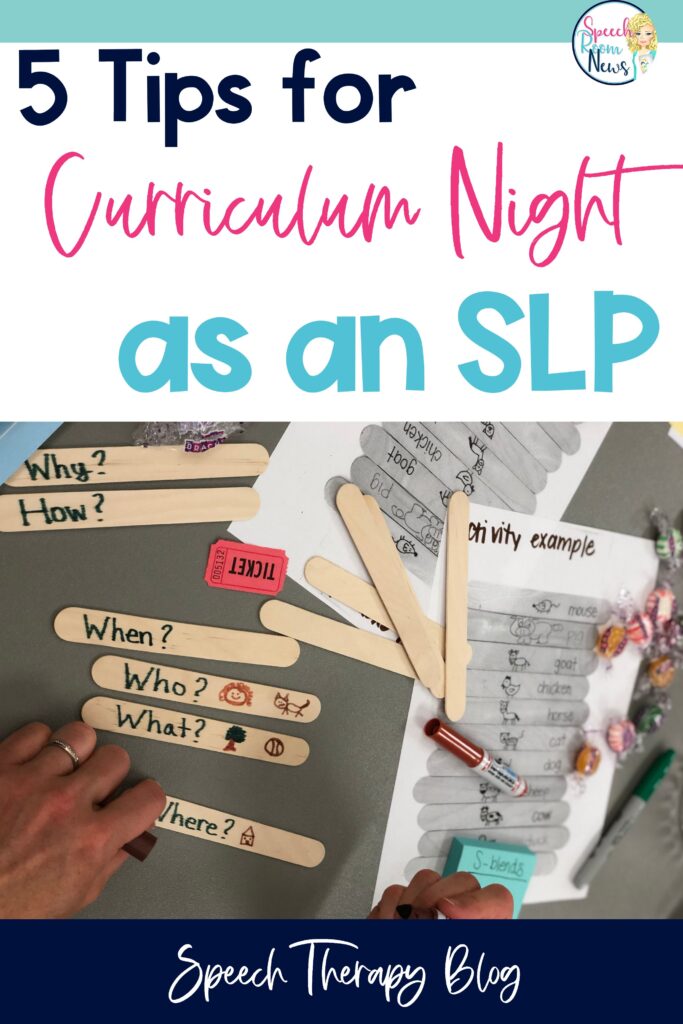
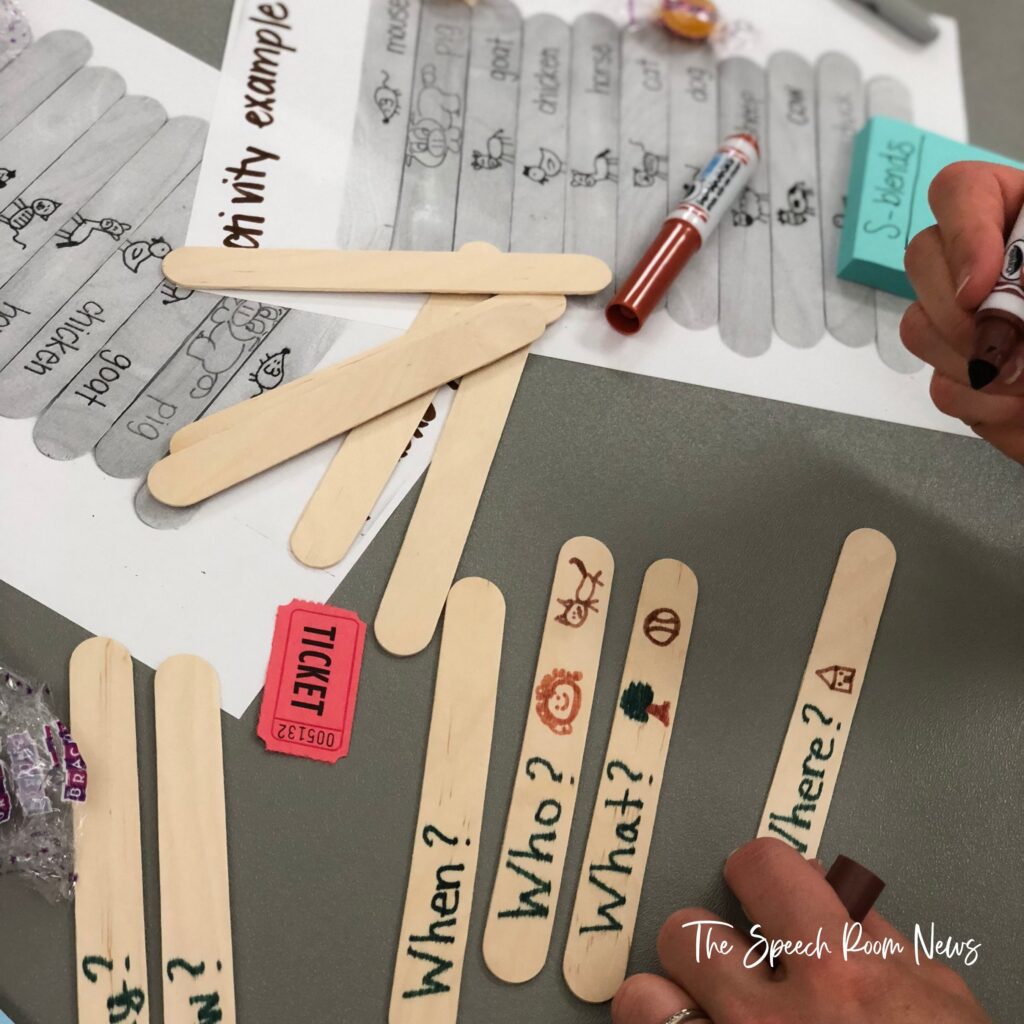
- "Wh-Question" Sticks: Parents can assemble simple craft sticks with different "wh" questions (who, what, where, when, why) to use during story time or daily conversations, promoting language comprehension and expression.
- Visual Schedules: Guiding parents to create a basic visual schedule for a routine (e.g., morning routine, bedtime) using pictures or simple drawings can help support children with executive function challenges or those who benefit from visual supports.
- Articulation Practice Cards: Providing materials and guidance for parents to create personalized articulation flashcards for specific target sounds.
- Low-Tech Communication Boards: For parents of students using Augmentative and Alternative Communication (AAC), a simple "Make and Take" could involve customizing a basic communication board with core vocabulary relevant to their home environment.
- Inferred Reactions and Implications: Parents consistently report that "Make and Take" activities are among the most valuable components of such evenings. They leave not just with information, but with a practical resource and a renewed sense of empowerment. This active participation reinforces the importance of their role in the therapeutic process and strengthens the home-school connection. It transforms the session into a collaborative workshop rather than a lecture.
4. Sustained Support: Providing Comprehensive Handouts and Resources
Even the most engaging presentation can be forgotten without tangible reminders. Equipping parents with informative handouts is a simple yet powerful strategy to ensure they leave Curriculum Night with a lasting reference guide, extending the impact of the discussion beyond the event itself.
- Combatting the "Forgetting Curve": Psychological studies on memory, such as Ebbinghaus’s forgetting curve, demonstrate that information retention significantly drops over time. Handouts serve as an essential tool to counteract this, providing a summary of key points for later review.
- Comprehensive Content: Handouts should ideally include:
- A concise summary of the presentation’s main points and key takeaways.
- Age-appropriate communication milestones and red flags for concern.
- Practical tips and strategies for integrating speech and language support into daily routines.
- Recommended external resources (e.g., reputable websites, books, apps, community organizations).
- The SLP’s contact information (email, phone, preferred communication method) for follow-up questions.
- A brief FAQ section addressing common queries.
- Accessibility and Format: Consider providing both physical handouts and digital versions (e.g., a QR code linking to a PDF on the school website or a dedicated Google Drive folder). Ensure the handouts are clearly organized, easy to read, and free of jargon.
- Inferred Reactions and Implications: Parents value readily available resources that they can refer back to. Providing comprehensive handouts demonstrates professionalism, thoroughness, and a commitment to ongoing support. It empowers parents to continue their learning and advocacy long after Curriculum Night concludes, fostering a stronger, more informed partnership between home and school.
5. Beyond the Presentation: Follow-up and Ongoing Communication
A successful Curriculum Night should not be viewed as a one-off event but rather as the initiation of an ongoing dialogue. Establishing clear channels and expectations for follow-up communication reinforces the SLP’s commitment to partnership and ensures that initial engagement translates into sustained collaboration.
- Structured Follow-Up: Consider sending a brief follow-up email to attendees (if contact information is collected) thanking them for their participation and reiterating key resources. This email could also include a link to a brief, anonymous survey to gather feedback on the presentation’s effectiveness and suggestions for future topics.
- Designated Communication Avenues: Clearly communicate how parents can best reach the SLP for individual questions or concerns post-event. This might include specific office hours, email protocols, or a preferred method for scheduling calls.
- Accessibility of Materials: Ensure that presentation slides, handouts, and any digital "Make and Take" resources remain accessible online for parents who could not attend or wish to revisit the information.
- Inferred Reactions and Implications: Parents consistently appreciate proactive communication and accessibility. Knowing that the SLP is available for further questions reduces anxiety and fosters a sense of being supported. Feedback from follow-up surveys can also provide valuable data for SLPs to refine their future presentations and better address the evolving needs of the parent community, transforming a singular event into a continuous cycle of engagement and improvement.
Broader Impact and Implications for Educational Institutions
The strategic optimization of Curriculum Night by Speech-Language Pathologists extends far beyond individual interactions, yielding significant benefits across the entire educational ecosystem:
- For Students: The most profound impact is on students themselves. Enhanced parental understanding and involvement lead to more consistent reinforcement of therapeutic strategies at home, better generalization of skills, and ultimately, improved communication outcomes and academic success. This continuity of support is vital for long-term progress.
- For Parents: Parents gain a clearer understanding of their child’s communication needs, the therapeutic process, and their critical role in supporting development. This increased knowledge often translates into reduced anxiety, greater confidence, and a stronger sense of empowerment as advocates for their children.
- For SLPs: A well-executed Curriculum Night elevates the professional standing and visibility of SLPs within the school community. It fosters stronger collaborative relationships with colleagues and administrators and can lead to greater job satisfaction as SLPs witness the positive impact of their expanded outreach.
- For Schools and Districts: Robust SLP engagement during Curriculum Night contributes to higher overall parental satisfaction with special education services. It aligns with the principles of IDEA, promoting family involvement and ensuring that services are understood and supported across environments. This can also lead to more effective allocation of resources as the value of speech-language pathology becomes more widely recognized. Furthermore, a transparent and informative approach can reduce miscommunication, manage expectations, and foster a more harmonious and inclusive school environment. Effective communication strategies employed by SLPs at this event can also serve as a model for other specialized service providers within the district, contributing to a more cohesive and parent-friendly approach to special education communication across the board.
In conclusion, Curriculum Night is far more than a routine school event for Speech-Language Pathologists; it is a critical strategic opportunity. By carefully selecting relevant topics, employing parent-friendly language, integrating interactive activities, providing comprehensive resources, and planning for sustained follow-up, SLPs can transform this evening into a powerful platform for advocacy, engagement, and effective home-school partnership. The long-term benefits – improved student outcomes, empowered parents, and a more visible and valued role for SLPs – underscore the imperative for every school-based SLP to embrace and optimize this invaluable occasion.
