

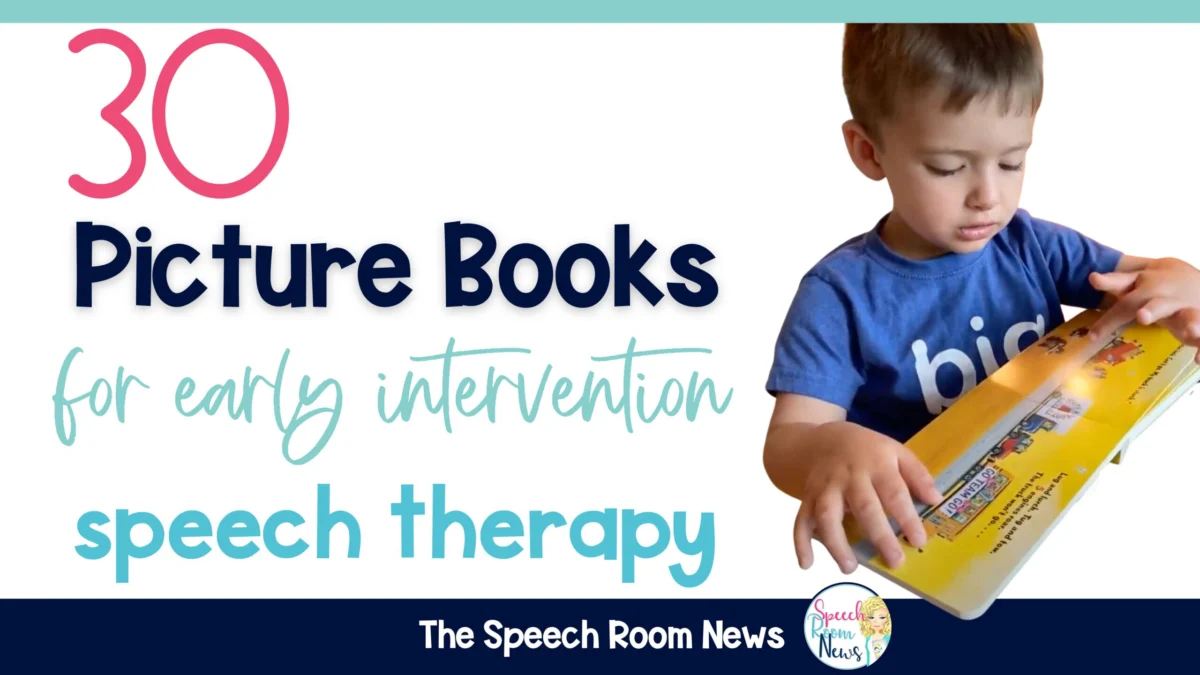
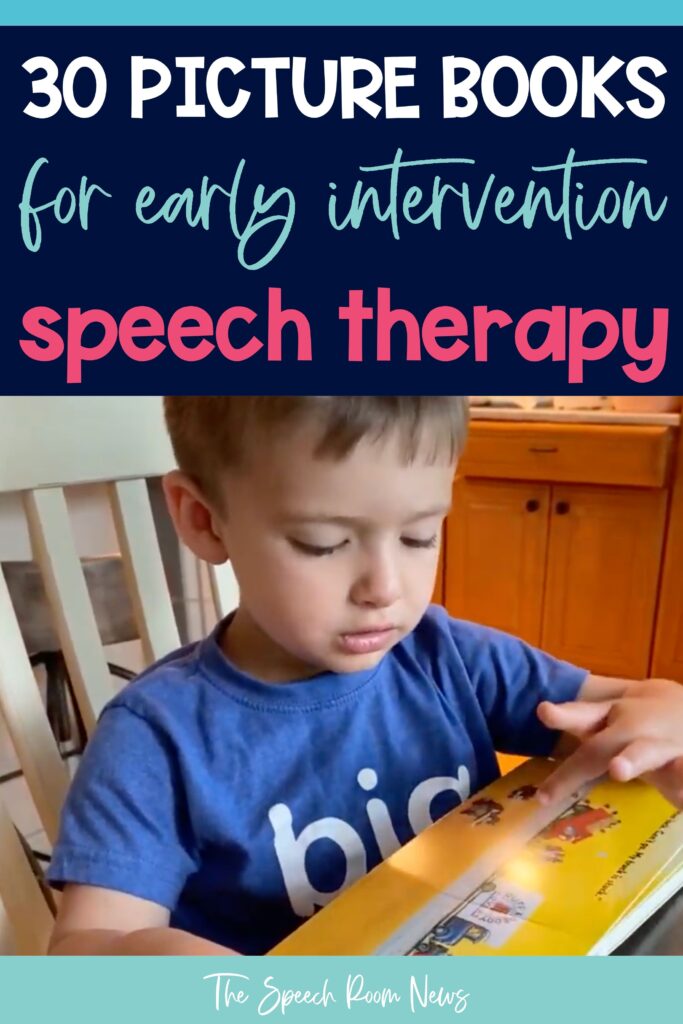
In the realm of early intervention speech therapy (EI-ST), picture books are not merely recreational items but indispensable tools that profoundly shape language development and communication skills in young children. Their strategic incorporation into therapeutic sessions creates an engaging, multi-sensory learning experience that addresses a broad spectrum of speech and language goals, forming a critical foundation for a child’s communicative future. These carefully selected literary resources are designed to leverage the natural curiosity of children, transforming therapy into an interactive journey of discovery and linguistic growth.
Understanding the Critical Window of Early Intervention
Early intervention in speech therapy refers to the proactive and timely support provided to infants and toddlers, typically from birth to three years of age, who are identified with or at risk for developmental delays in speech and language. This period is widely recognized by neuroscientists and developmental psychologists as a critical window for brain development, particularly for language acquisition. During these formative years, the brain exhibits remarkable plasticity, meaning its ability to change and adapt in response to experiences is at its peak. This heightened malleability makes early intervention exceptionally effective, as targeted strategies can significantly influence the wiring of neural pathways responsible for communication.

Statistics underscore the urgency of this proactive approach. According to the Centers for Disease Control and Prevention (CDC), approximately 1 in 12 children aged 3-17 years in the United States has had a disorder of speech, voice, language, or swallowing in the past 12 months. Language delays are among the most common developmental challenges, affecting an estimated 7-8% of preschool-aged children. Identifying and addressing these challenges early can mitigate their long-term impact on academic performance, social integration, and overall quality of life. The primary objective of EI-ST is to empower children to develop robust communication skills, thereby maximizing their developmental potential and fostering a smoother transition into educational settings and social interactions.
The Foundational Role of Books in Language Acquisition
The use of books in speech and language therapy is underpinned by extensive research in child development and literacy. Books serve as powerful catalysts, offering a rich linguistic environment that naturally promotes a wide array of speech and language skills. Beyond simple vocabulary expansion, books facilitate complex cognitive processes essential for effective communication.
-
Promoting Language and Vocabulary Development: Picture books expose children to a diverse lexicon, often introducing words and concepts not commonly encountered in everyday conversation. Speech-Language Pathologists (SLPs) leverage read-aloud sessions to introduce new vocabulary, discuss semantic nuances, and reinforce comprehension through repetition and contextual cues. The visual support provided by illustrations further aids understanding, making abstract concepts more concrete for young learners. This systematic exposure helps children build a robust internal dictionary, crucial for both expressive and receptive language.
-
Enhancing Storytelling and Narrative Skills: Engaging with books is a fundamental exercise in developing narrative competence. As children follow plots, identify characters, and understand sequences of events, they internalize the structure of stories. This includes grasping concepts like cause-and-effect, problem-solution, and character motivation. These narrative skills are not only vital for literacy but also for effective social communication, enabling children to recount experiences, share ideas, and participate in conversations coherently. SLPs guide children in predicting outcomes, retelling events, and creating their own narratives, fostering advanced linguistic organization.
-
Stimulating Imagination and Creativity: Books transport children to imaginative worlds, encouraging them to visualize, infer, and think critically beyond the explicit text. This process of mental imagery and creative interpretation directly supports expressive language development, as children are prompted to describe scenes, elaborate on character feelings, and invent alternative scenarios. Such imaginative play, often sparked by stories, is directly linked to enhanced descriptive language, abstract reasoning, and problem-solving abilities.
A Deeper Dive into the Benefits of Book-Based Therapy
The integration of picture books into early intervention speech therapy offers benefits that extend across various domains of communication and cognitive development.
-
Cognitive Development and Neural Pathways: Reading to young children activates multiple areas of the brain, including those responsible for language processing, memory, and visual perception. This consistent stimulation strengthens neural connections, laying down robust pathways for future learning. The interactive nature of shared reading, where an adult points to pictures, asks questions, and encourages participation, further enhances these cognitive benefits, fostering joint attention and reciprocal communication.
-
Phonological Awareness: Many picture books, especially those designed for younger audiences, incorporate rhyme, alliteration, and repetitive sounds. These elements are crucial for developing phonological awareness – the ability to recognize and manipulate the sounds in spoken language. Strong phonological awareness is a key predictor of future reading success. SLPs utilize these books to highlight sounds, practice articulation, and build a child’s sensitivity to the rhythm and structure of language.
-
Pragmatic and Social Communication Skills: Stories often depict social interactions, emotional responses, and problem-solving scenarios. Through discussion, children learn to identify emotions, understand social cues, and develop empathy. SLPs can use characters’ actions and feelings to teach concepts like turn-taking in conversation, understanding different perspectives, and navigating social situations, all of which are critical pragmatic skills.
-
Attention and Focus: For children with developing attention spans, the engaging visuals and narrative flow of a picture book can be incredibly effective in sustaining focus. Interactive elements within books further draw children in, helping them to attend to a task for longer durations, a foundational skill for all learning.
Strategic Selection: Tailoring Books to Therapeutic Goals
The effectiveness of picture books in early intervention therapy hinges on thoughtful selection. SLPs carefully choose books that align with specific therapeutic goals and a child’s developmental stage and interests.
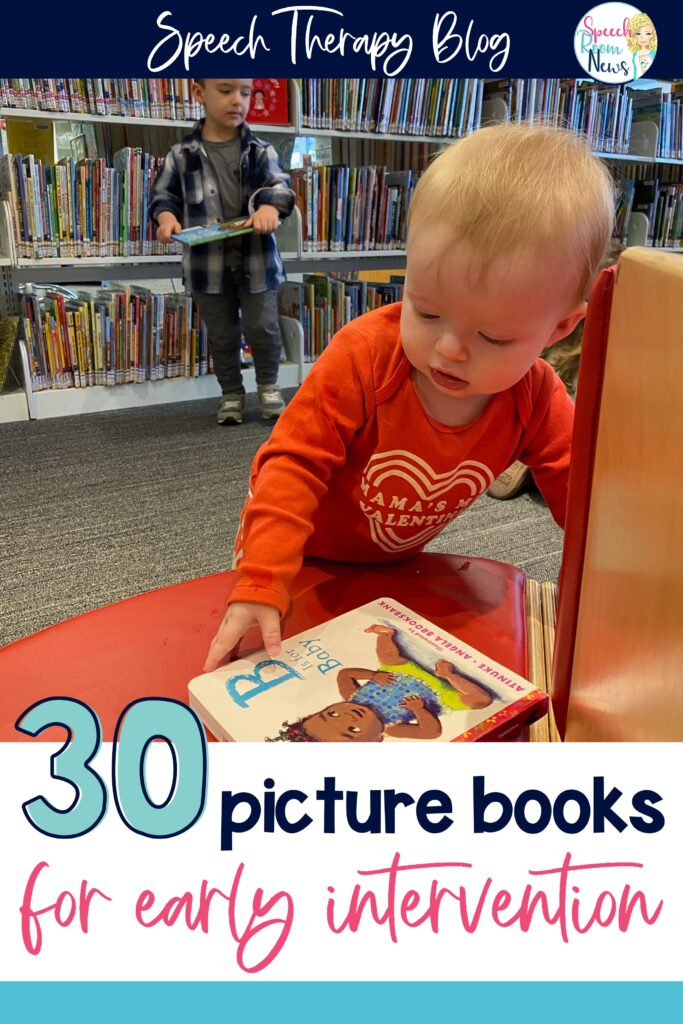
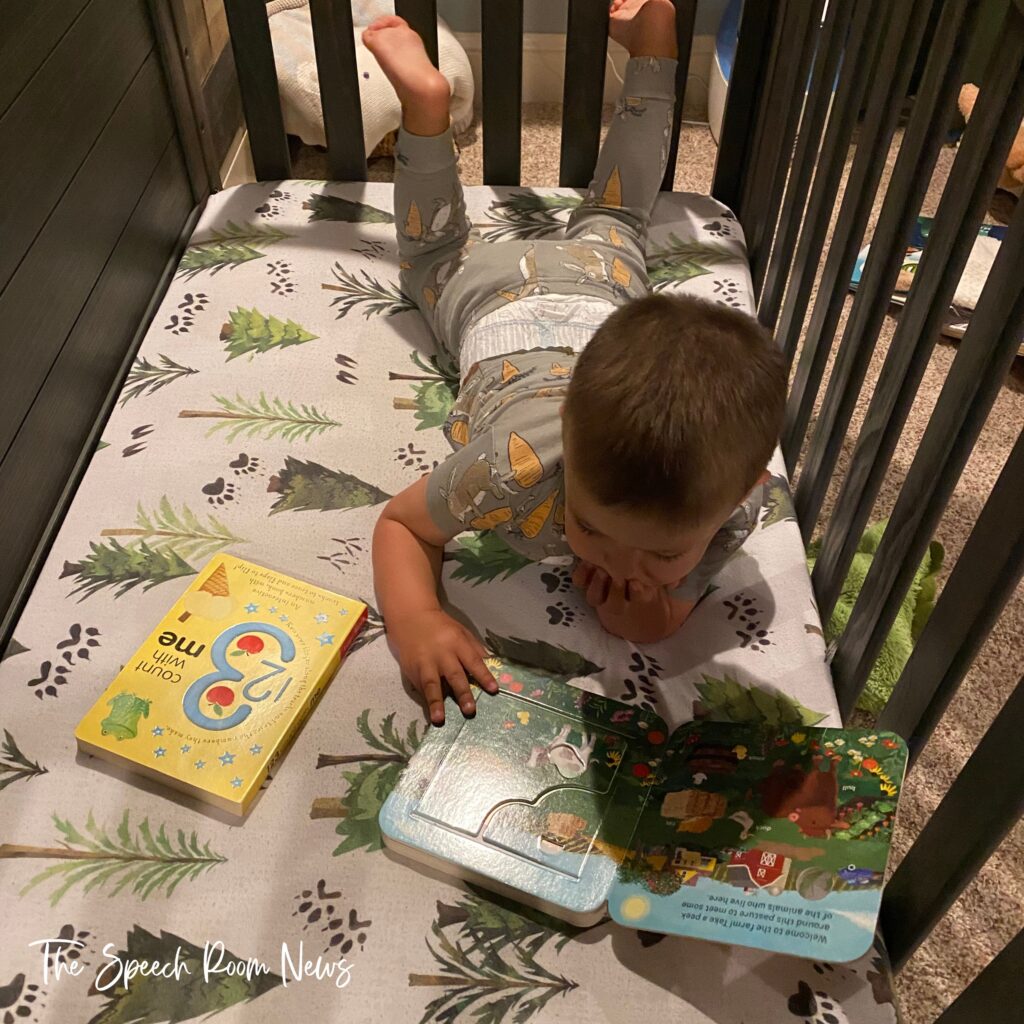
Interactive Books: These books are invaluable for increasing engagement and providing multi-sensory input. Features like lift-the-flaps, textures (touch-and-feel books), sound buttons, and movable parts captivate young children, encouraging active participation.
- Benefits: Promote object identification, action word comprehension, fine motor skills, and cause-and-effect understanding. They are excellent for eliciting vocalizations and early communicative attempts.
- Example Application: An SLP might use a lift-the-flap book to target "open," "under," "peek-a-boo," or to encourage labeling of hidden objects. A textured book can prompt descriptive vocabulary like "soft," "bumpy," or "smooth."
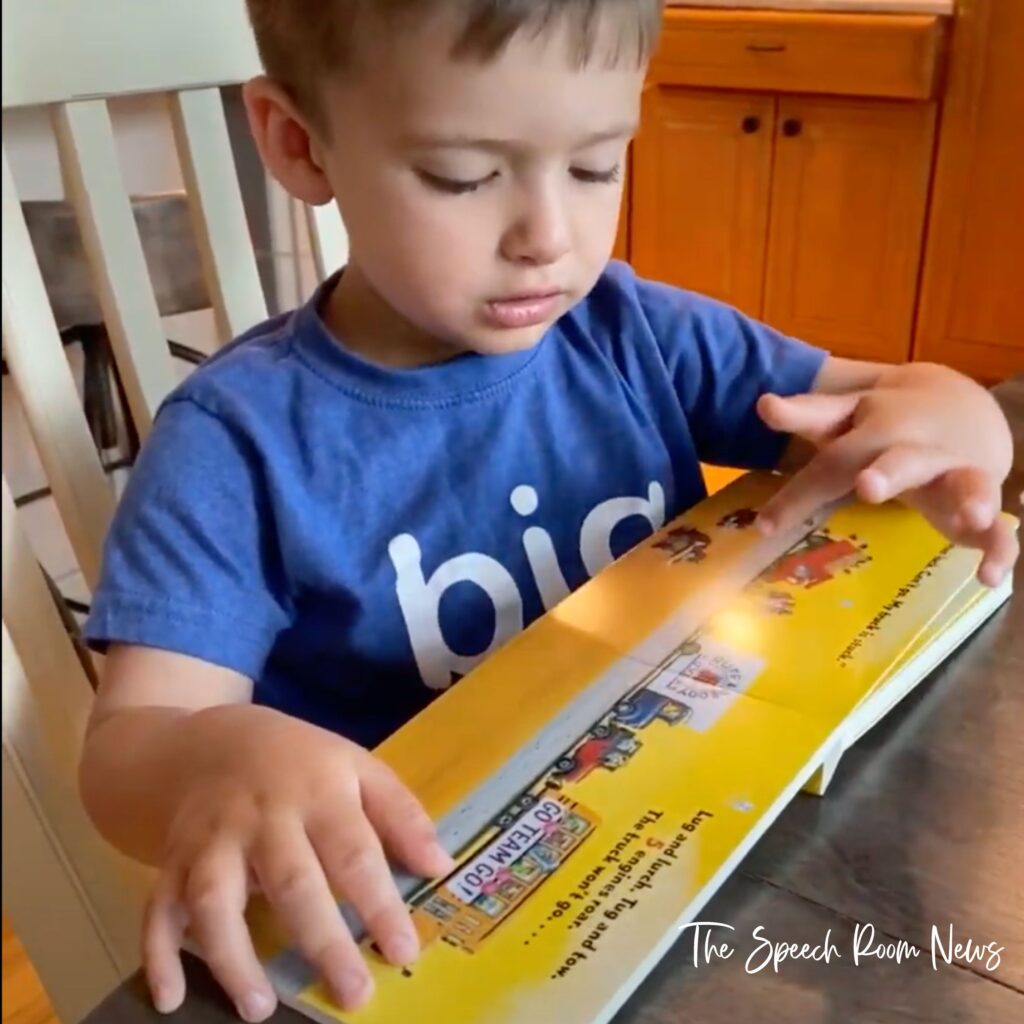
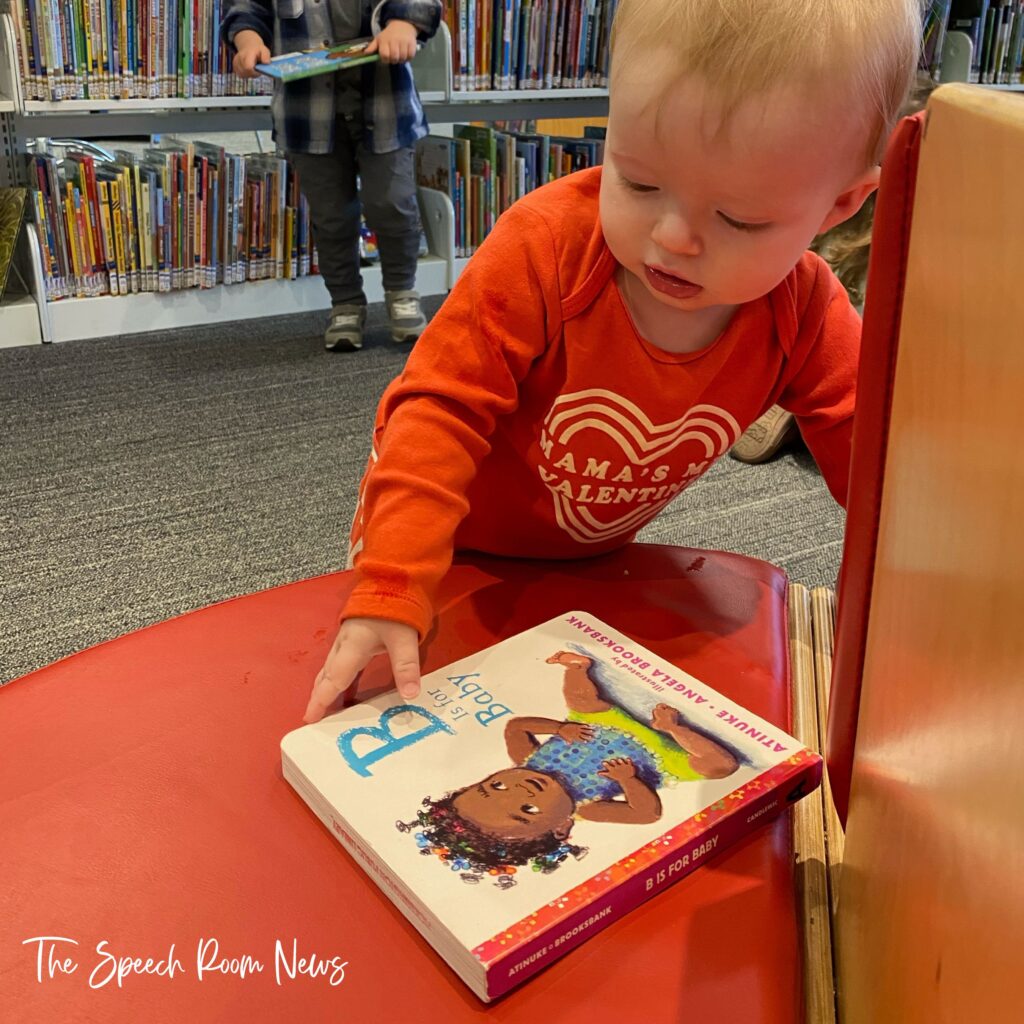
Durable Books (Board Books): Characterized by their sturdy construction, board books are ideal for the energetic handling typical of toddlers. Their robust pages withstand chewing, tearing, and repeated use, making them practical for frequent therapy sessions and home practice.
- Benefits: Longevity, safety, and often feature repetitive text and simple, engaging illustrations perfect for early language learners. The predictability of board books supports memory, anticipation, and encourages children to "fill in the blanks" or mimic sounds and words.
- Example Application: A board book with animal sounds can be used for imitation and sound production practice. A book with a simple, repetitive phrase allows for practicing early sentence structures or expanding mean length of utterance (MLU).
Repetitive Text and Predictable Stories: Books with recurring phrases, predictable plotlines, or cumulative elements are highly effective for language therapy.
- Benefits: They aid memory, build confidence, and provide numerous opportunities for a child to participate by joining in on the repeated phrases. This predictability fosters a sense of accomplishment and encourages vocalization.
- Example Application: Books like "Brown Bear, Brown Bear, What Do You See?" are perfect for color and animal identification, as well as practicing repetitive sentence structures.
Visually Rich Illustrations: For children who are pre-readers or have limited verbal skills, the illustrations in a picture book carry significant weight.
- Benefits: They provide visual cues that support comprehension, vocabulary acquisition, and the ability to infer meaning. Detailed pictures can be used to elicit descriptive language, talk about actions, or discuss emotional expressions.
- Example Application: An SLP might point to a picture of a child crying and ask, "How does he feel?" to target emotional vocabulary and understanding.
The Collaborative Effort: SLPs and Parental Involvement
The success of early intervention speech therapy, particularly when incorporating picture books, relies heavily on a collaborative approach involving speech-language pathologists, parents, and caregivers.
-
The SLP as a Facilitator: The SLP’s role extends beyond simply reading a book. They model effective reading strategies, such as asking open-ended questions, pausing for responses, using animated voices, and adapting the story to a child’s individual needs and attention span. They provide specific cues and prompts to elicit target words, phrases, or communicative behaviors. Furthermore, SLPs educate parents on how to transform shared reading into a therapeutic opportunity, demonstrating techniques that can be replicated at home.
-
Parents as Co-Therapists: Family-centered care is a cornerstone of early intervention. Parents are the child’s primary communication partners and spend the most time with them. By equipping parents with strategies to use picture books at home, SLPs empower them to become active co-therapists. Integrating book-based activities into daily routines maximizes exposure to language and reinforces therapeutic gains in a natural, meaningful context. This consistent practice is vital for generalization of skills from the therapy room to everyday life. Parents’ active participation creates a language-rich home environment, significantly accelerating a child’s progress.
Long-Term Implications: A Foundation for Lifelong Learning
The investment in early intervention speech therapy through mediums like picture books yields substantial long-term benefits that extend far beyond improved communication skills.
-
Academic Readiness and Literacy Skills: Strong early language skills are the bedrock of literacy. Children who receive effective early intervention, particularly those exposed to books, are better prepared for kindergarten. They demonstrate stronger pre-reading skills, phonological awareness, vocabulary, and narrative comprehension, all of which are critical for learning to read and write successfully. Studies consistently show a direct correlation between early exposure to books and later academic achievement.
-
Social Competence and Peer Relationships: The ability to communicate effectively is fundamental to social interaction. Children with well-developed language skills can express their needs, share ideas, understand others, and resolve conflicts more readily. This leads to more positive peer relationships, reduced frustration, and increased confidence in social settings. Books, by depicting social scenarios, provide a safe context for children to learn and practice these essential social skills.
-
Emotional Regulation and Self-Expression: Language provides the means for children to articulate their feelings, helping them to understand and regulate their emotions. When children can express what they are feeling or thinking, they are less likely to resort to challenging behaviors. Books often explore a range of emotions, offering children a vocabulary and framework for discussing their inner experiences, thereby fostering emotional intelligence.
-
Reduced Need for Future Interventions: Addressing speech and language delays early can significantly reduce the need for more intensive and prolonged interventions later in a child’s educational journey. Proactive intervention is often more efficient and cost-effective than reactive remediation.

-
Economic and Societal Benefits: On a broader societal level, investing in early intervention leads to a more capable and engaged citizenry. Children who achieve their full communicative potential are more likely to succeed academically, pursue higher education, and contribute meaningfully to the workforce, creating a positive ripple effect throughout society.
Challenges and Future Directions
Despite the clear benefits, challenges exist. Access to quality early intervention services can vary significantly by region and socioeconomic status. Ensuring that all families, regardless of their background, have access to appropriate therapeutic resources, including diverse and engaging picture books, remains a critical goal. Furthermore, ongoing research is essential to continually refine and identify the most effective book-based strategies for specific speech and language disorders. The integration of digital literacy tools, while maintaining the tactile and interactive benefits of physical books, presents another avenue for future exploration in enhancing early intervention practices.
In conclusion, picture books are far more than simple entertainment; they are dynamic, multi-purpose educational instruments that form the very core of early intervention speech therapy. Their ability to simultaneously address vocabulary, narrative skills, social cognition, and emotional development makes them indispensable. By fostering language growth, stimulating imagination, and strengthening cognitive foundations, these seemingly simple resources create a profound and lasting impact, laying the groundwork for a child’s lifelong journey of communication, learning, and success. The sustained commitment to leveraging picture books in therapeutic settings is a testament to their proven efficacy in unlocking the communicative potential of every child.
