

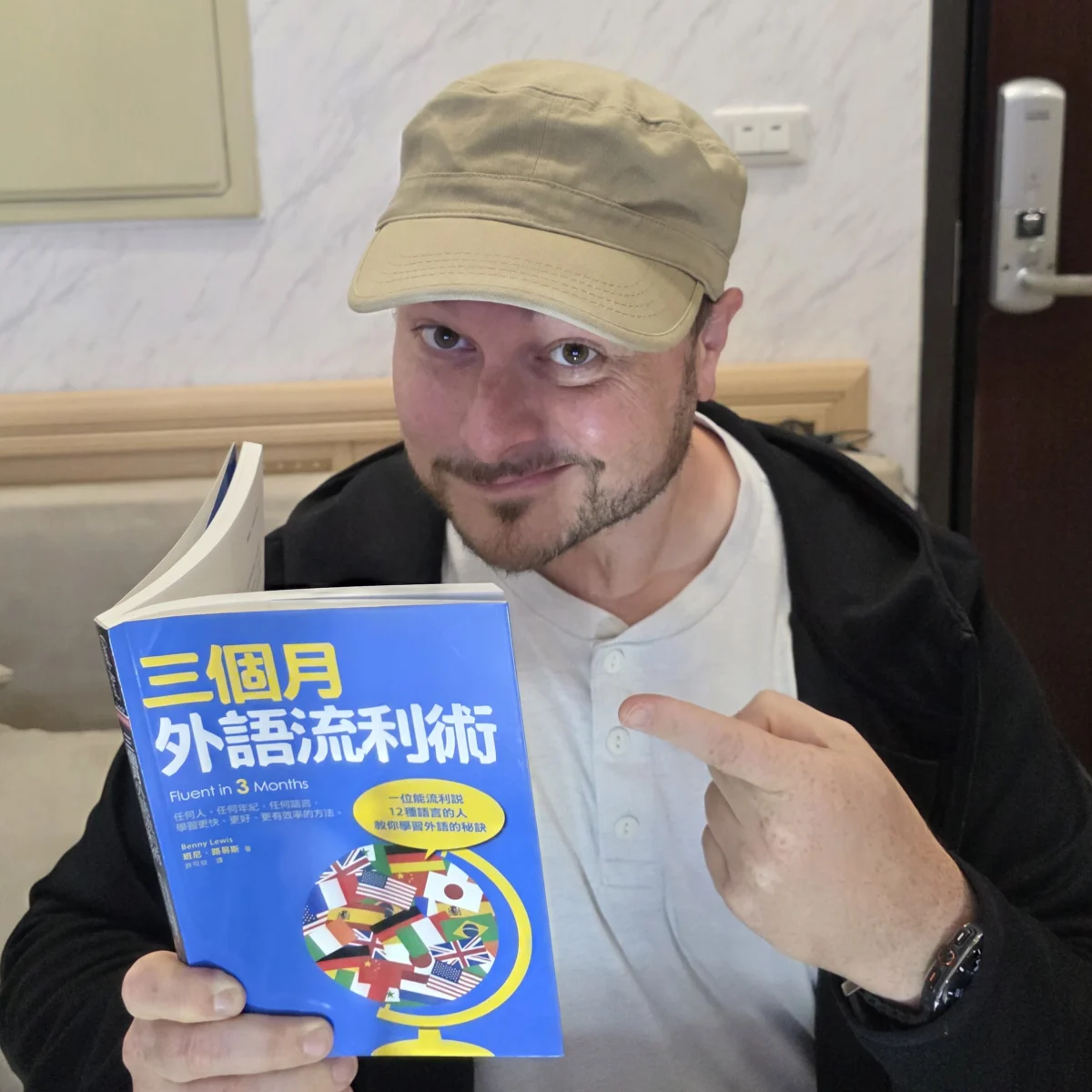
Benny Lewis, the Irish polyglot and founder of the globally recognized language-learning platform Fluent in 3 Months, has announced a strategic return to Taipei, Taiwan, to re-establish his proficiency in Mandarin Chinese. This move marks a significant milestone in Lewis’s career, occurring fourteen years after his initial high-profile "Mandarin Mission" in 2012. The return to Taipei is not merely a personal linguistic endeavor but also serves as the catalyst for a broader shift in his platform’s editorial direction, moving away from search-engine-optimized content toward human-centric, long-form narrative journalism in response to the rise of artificial intelligence in the digital publishing industry.
The decision to return to Taiwan follows a period of linguistic attrition for Lewis, who had previously reached an independently evaluated B1 (lower intermediate) level in spoken Mandarin. Despite the initial success of his 2012 project, which included intensive study in Taiwan and extensive travel through mainland China, the demands of managing a global media brand and focusing on other languages led to a decline in his Mandarin fluency. Lewis’s current residency in Taipei is scheduled to last two months, during which he intends to transition the language from a "maintenance" status back to a functional, high-intermediate level.
Historical Context: The 2012 Mandarin Mission and Subsequent Challenges
In 2012, Benny Lewis embarked on what would become one of the most documented language-learning projects on the internet. At the time, Lewis sought to prove that Mandarin, often categorized by the Foreign Service Institute (FSI) as a Category IV "super-hard" language for English speakers, could be learned to a conversational level within a three-month window. The project concluded with a formal evaluation that placed his speaking abilities at the B1 level on the Common European Framework of Reference for Languages (CEFR).
While the 2012 mission was a commercial and pedagogical success, Lewis has recently acknowledged that the project was fraught with higher levels of stress than necessary. In retrospective analyses shared via his podcast, he noted that the pressure of public expectation and the intensity of the immersion environment in 2012 created a high-friction learning experience. Between 2012 and 2024, his engagement with Mandarin was largely relegated to the co-authorship of the "Language Hacking Mandarin" course and sporadic interactions at international language exchange events.
The impetus for the 2024 return was a two-month journey through Malaysia earlier this year. During his travels, Lewis encountered the significant Chinese diaspora in Southeast Asia, as well as a high volume of tourists from mainland China. These interactions highlighted the utility of Mandarin as a regional lingua franca and inspired him to deprioritize his studies of the Malay language in favor of a full-scale Mandarin resurgence.
Strategic Learning Methodology in a Modern Context
Lewis’s current approach in Taipei utilizes a sophisticated blend of traditional pedagogical methods and modern technological tools. Unlike his 2012 mission, which focused almost exclusively on speaking, his current routine incorporates a heavy emphasis on formal grammar and systemic vocabulary retention.
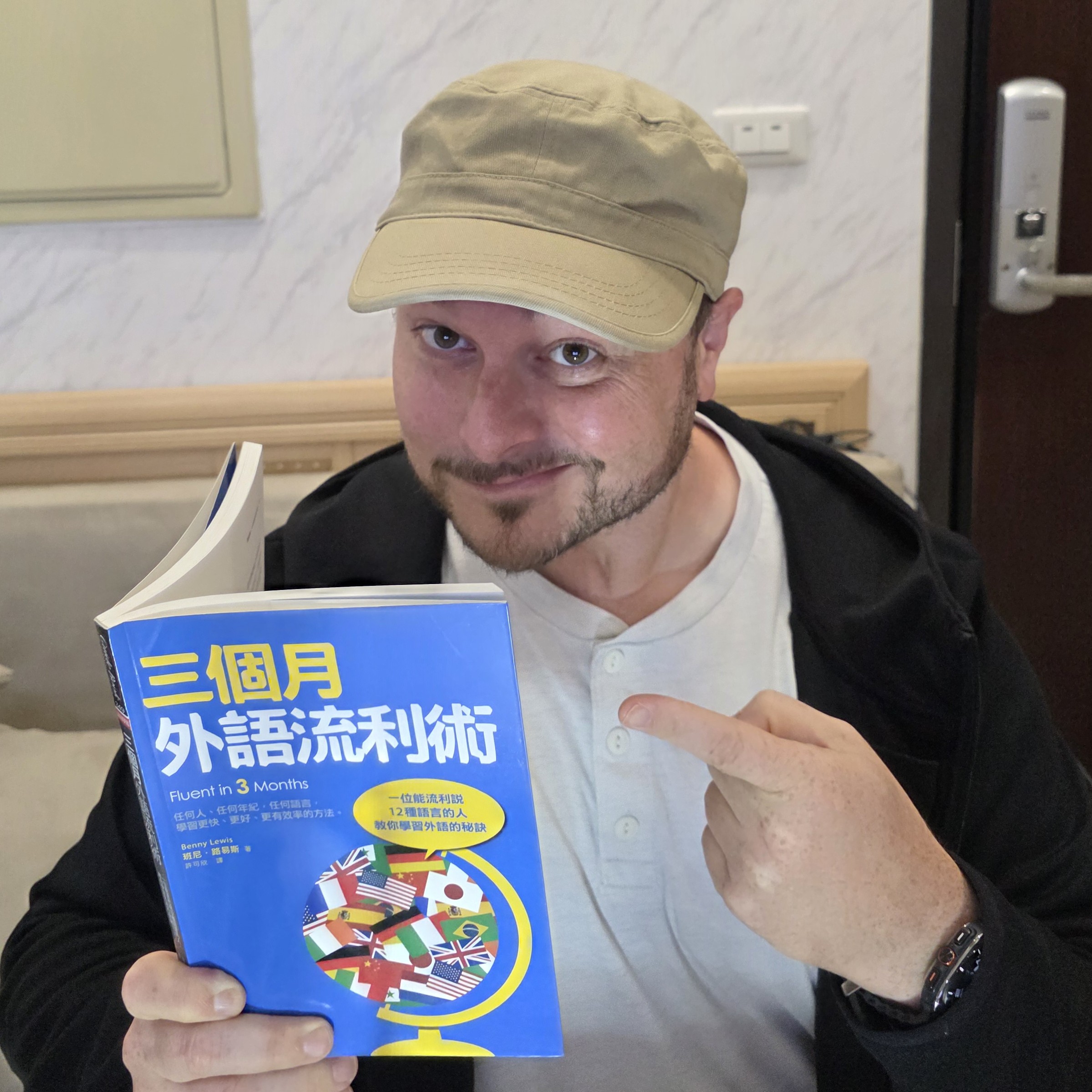
Technical Routine and Tool Integration
Lewis has structured his daily routine to maximize cognitive load during peak hours. His morning sessions are dedicated to the study of Chinese grammar, specifically utilizing texts that accommodate the nuances of Taiwanese Mandarin. This includes the simultaneous study of Traditional Chinese characters (used in Taiwan) and Simplified Chinese characters (used in mainland China). Linguistic experts note that while the two systems share a common root, the cognitive demand of learning both simultaneously is significant, though beneficial for regional flexibility.
For vocabulary retention, Lewis has resurrected his original 2012 Anki flashcard decks. Anki, a spaced-repetition system (SRS) software, is a staple in the polyglot community. Lewis’s process involved a complex digital recovery of 14-year-old files, which required manual conversion to remain compatible with modern software versions. This "digital archeology" underscores a growing trend among long-term language learners: the preservation of personalized data sets over generic, pre-made learning materials.
The Role of Human and Artificial Intelligence
The 2024 project also reflects the current state of the ed-tech market. Lewis utilizes Preply, a digital marketplace for private tutors, to maintain a schedule of multiple live lessons per week with different instructors. This variety is intended to expose him to different accents and conversational styles, mitigating the risk of "teacher-dependency."
Furthermore, Lewis has integrated AI-driven conversation tools into his curriculum. While he maintains that human interaction is the gold standard for fluency, he advocates for the use of AI as a cost-effective supplementary tool for drills and low-stakes practice. This hybrid model—combining professional human instruction with AI-driven repetition—represents the current "best practice" in the field of accelerated language acquisition.
Regional Implications: Taipei as a Linguistic Laboratory
Taipei serves as a unique environment for this project due to its linguistic landscape. Unlike other major Asian hubs like Hong Kong or Singapore, where English proficiency is widespread, Taipei offers a "forced immersion" environment. Lewis noted that even in international establishments such as Starbucks, English is not always a viable fallback, requiring immediate and accurate use of Mandarin for basic transactions.
This environment serves as a critical motivator. Data from Taiwan’s Tourism Administration and various expatriate surveys suggest that while English proficiency is increasing among the younger demographic, the daily operational language of the city remains overwhelmingly Mandarin. Lewis’s strategy involves avoiding "expat bubbles"—areas where English is the primary mode of communication—to ensure that every social interaction contributes to his linguistic goals.
Following his intensive period in Taipei, Lewis plans to engage in "deep travel" across the rural and less-visited provinces of Taiwan. This follows his recent pattern of exhaustive regional exploration, similar to his projects in Brazil, the United States, and South Korea. By moving outside the capital, Lewis expects to encounter environments where Mandarin (and potentially Taiwanese Hokkien) is the sole medium of communication, further testing the limits of his "Language Hacking" philosophy.

Industry Analysis: The Shift Away from "AI Slop"
Perhaps the most significant aspect of Lewis’s 2024 update is his commentary on the state of digital publishing. Between 2013 and 2023, the Fluent in 3 Months blog operated as a high-volume content engine, employing a team of writers to produce SEO-optimized articles aimed at answering specific Google search queries.
However, Lewis has announced a pivot in strategy due to changes in search engine algorithms and the advent of AI-generated "snippets." Google’s integration of AI-generated answers at the top of search results has significantly reduced click-through rates for independent publishers. Lewis characterizes much of the current internet content as "AI slop"—homogenized, machine-generated text that lacks personal experience and human nuance.
In response, Lewis is returning to the "Golden Age" of blogging (circa 2009-2013), focusing on raw, human-narrative content. This move is reflective of a broader trend in the media industry where creators are moving away from chasing search traffic and toward building direct, "human-to-human" connections with their audiences via newsletters, personal essays, and social media platforms like Instagram.
Broader Impact and Linguistic Implications
The return of Benny Lewis to the Mandarin spotlight is expected to influence the broader language-learning community. His emphasis on "re-learning" and the transparency regarding language attrition addresses a common but rarely discussed reality in linguistics: the difficulty of long-term maintenance.
Supporting Data on Language Attrition
Linguistic studies, including the "Forgetting Curve" theory applied to second language acquisition, suggest that without regular usage, fluency in a non-native language can decline by as much as 40-60% over a decade. Lewis’s public attempt to reclaim his B1 status provides a case study for "re-acquisition," which some researchers believe is faster than initial learning due to residual neural pathways.
The Future of Fluent in 3 Months
The transition of the Fluent in 3 Months brand from an information-heavy "how-to" site to a narrative-driven travel and language chronicle may signal the future for independent creators in the age of generative AI. By leaning into personal "adventures that aren’t answering a question you’d ask on Google," Lewis is positioning his brand to offer what AI cannot: subjective, lived experience and the fallibility of a human learner.
As Lewis continues his journey through Taipei and eventually into the rural heartlands of Taiwan, the polyglot community will likely watch closely. His project serves as both a test of modern learning technologies and a referendum on the value of human-led content in an increasingly automated digital world. The success of his Mandarin resurgence will be evaluated not just by his ability to navigate a Taiwanese coffee shop, but by his ability to sustain a media platform in an era of unprecedented technological disruption.
