

The practice of "debreathing" audio recordings, specifically within the voice-over industry, is a technique often misunderstood and frequently misapplied. While seemingly straightforward—the selective removal of breath sounds from a vocal performance—its correct implementation hinges on a nuanced understanding of context and purpose. This article delves into the intricacies of debreathing, examining its historical roots, modern applications, and the critical distinctions that separate its judicious use from detrimental overprocessing. The aim is to equip voice-over professionals, clients, and audio engineers with a clear framework for making informed decisions about this subtle yet significant post-production process.
Understanding the Fundamentals: What Exactly is Debreathing?
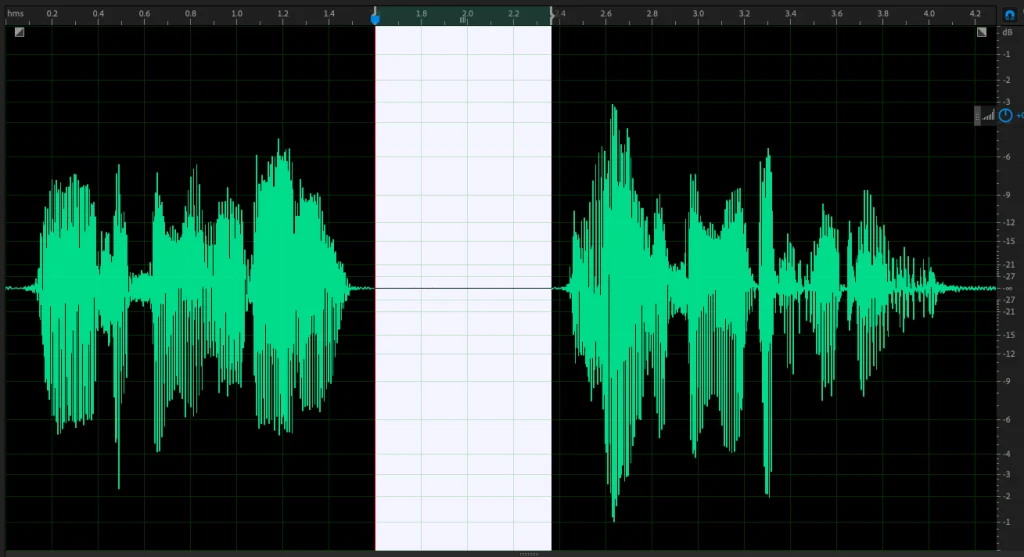
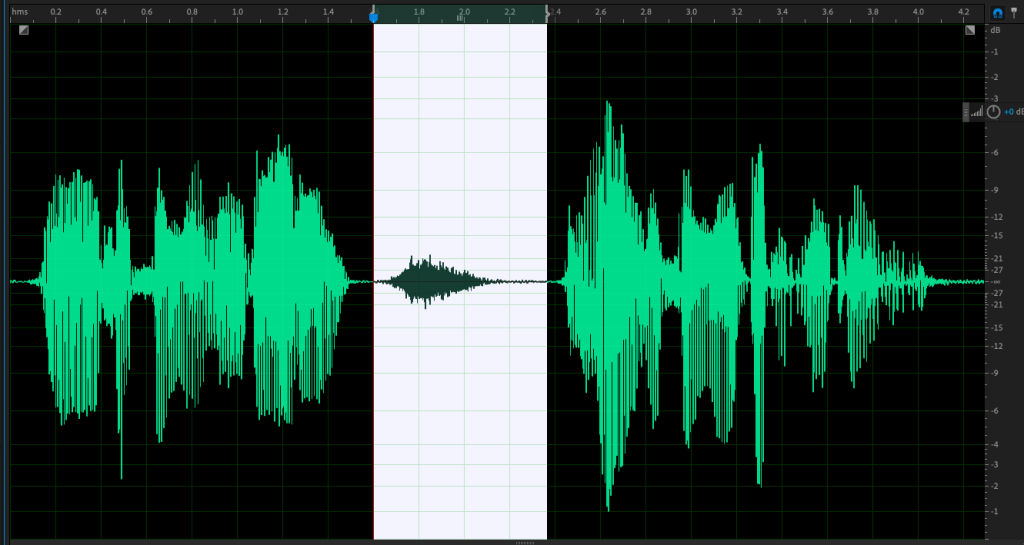
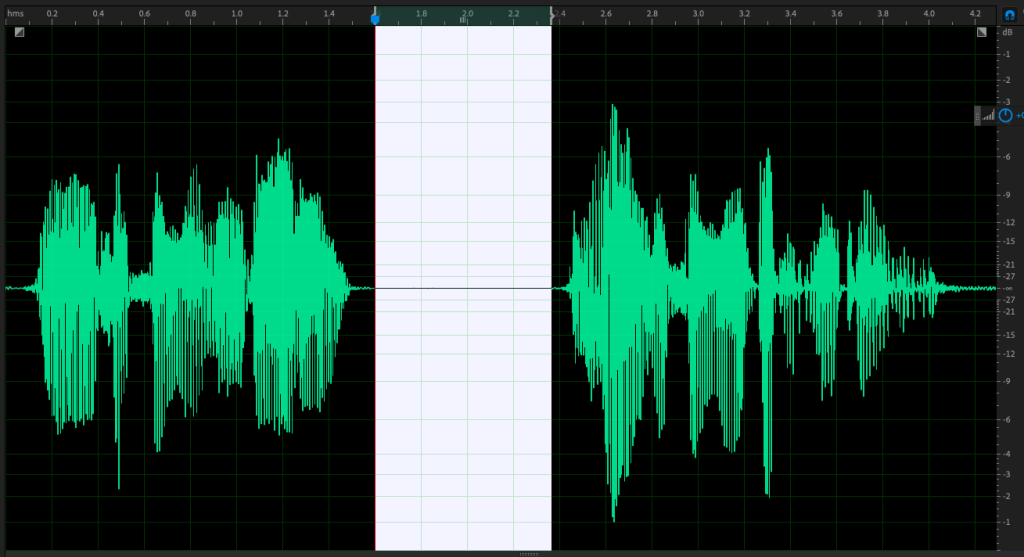
At its core, debreathing involves identifying and eliminating or silencing audible inhales and exhales within a recorded voice-over track. This is typically achieved through digital audio editing software, such as Adobe Audition, where breath sounds, often visually represented as distinct waveform peaks, can be isolated. The process can involve either complete deletion of the breath sound and the associated silent space, or a more subtle approach of reducing the amplitude of the breath to a point where it is inaudible or significantly less noticeable. The distinction is crucial: deleting a breath removes its temporal presence, while silencing it merely reduces its volume. This distinction can impact the overall pacing and perceived naturalness of a performance. For instance, a performance where breaths are entirely removed might sound unnaturally sterile, whereas one where breaths are merely silenced might retain a more organic feel.
Historical Context and Traditional Application
Historically, debreathing was primarily associated with commercial voice-overs, particularly those intended for broadcast media like television and radio advertisements. The rationale behind this practice was rooted in the perceived need for an unblemished, highly polished delivery. The overarching goal of many commercial voice-overs is to convey a message with maximum impact and minimal distraction, aiming to capture and retain the listener’s attention for the duration of the advertisement. In this context, audible breaths were often viewed as interruptions, potentially detracting from the clarity and persuasiveness of the spoken word. The prevalent belief was that a breath could disrupt the flow of information, break the advertiser’s spell, or even signal a lack of professionalism or control on the part of the voice talent.
The advent of digital audio workstations (DAWs) and advanced editing techniques in the late 20th and early 21st centuries made debreathing a more accessible and refined process. Software advancements allowed for more precise selection and manipulation of audio, enabling editors to surgically remove or attenuate breath sounds without significantly impacting the surrounding speech. This technological evolution solidified debreathing as a standard practice in many commercial post-production workflows.
The Evolving Definition of "Commercial" and its Implications
A key point of contention and confusion surrounding debreathing lies in the very definition of "commercial voice-over." This term can be interpreted in two primary ways:
- Voice-over for commercial purposes: This broad definition encompasses any voice-over work for which the talent is compensated, regardless of the specific application. This includes corporate narration, e-learning modules, audiobooks, and even character voices in video games, all of which generate revenue for the voice artist.
- Voice-over specifically for advertisements: This narrower definition refers exclusively to audio content created for broadcast or online advertisements—television commercials, radio spots, cinema ads, and digital video ads.
The industry often sees voice artists debreathing both interpretations of "commercial" work unless explicitly instructed otherwise. However, a critical distinction emerges when considering the purpose of debreathing. The primary justification for removing breaths is to enhance the clarity and impact of an advertisement by removing any potential distractions. Therefore, the practice is most logically and beneficially applied to the second definition—actual advertisements. For other forms of paid voice-over work, the necessity and desirability of debreathing are far less clear-cut and often detrimental.
Why Debreathing is Often Unnecessary and Detrimental in Other Voice-Over Genres
Beyond the realm of direct advertising, the practice of debreathing can actively harm the quality and effectiveness of a voice-over performance. Several factors contribute to this:
The Natural Human Element
Humans are accustomed to hearing speech that includes natural breathing. It is an intrinsic part of human communication. When breaths are absent, the performance can sound unnatural, robotic, or even unsettling. This absence can create a subtle, unconscious discomfort for the listener, a feeling of something being "off."
Historically, early text-to-speech technologies, while impressive for their time, often lacked audible breathing. Services like early versions of Siri or Google Assistant produced speech that, while intelligible, felt distinctly artificial. In recent years, advancements in AI voice synthesis have begun to incorporate more naturalistic breathing patterns, recognizing that this element is crucial for human-like vocalizations. This trend underscores the importance of breathing as a signifier of genuine human delivery.
The Role of Breaths as Natural Pauses
Breaths often serve as unintentional yet effective pauses within a spoken narrative. These moments of silence allow the listener to process information, absorb key messages, and formulate their own thoughts. In non-advertisement contexts, such as corporate videos or documentaries, these pauses are vital for comprehension and retention. When breaths are systematically removed, the delivery can become relentless and overwhelming, leaving the listener with little opportunity to digest the content. This can lead to a superficial understanding and a diminished ability to recall the information presented. For instance, an overly "clean" and continuous vocal performance in a long-form narration might cause listeners to tune out due to the lack of natural rhythmic breaks.
Preserving Natural Delivery and Authenticity
The contemporary trend in voice-over is towards naturalism and authenticity. Clients increasingly seek a conversational, relatable, and genuine delivery rather than an overly polished or theatrical one. Breathing is a fundamental aspect of natural speech. By removing breaths, voice-over artists inadvertently strip away an element of this naturalness, transforming a potentially engaging performance into something that feels manufactured. This is particularly relevant in genres like character work for video games or dramatic narration, where authenticity and emotional resonance are paramount.
The Perils of Accidental Debreathing: Noise Gates and Expanders
A common pitfall that leads to unintentional debreathing is the misuse of audio processing tools, particularly noise gates and expanders. These tools are often employed to reduce background noise or "clean up" a recording, especially when the recording environment is suboptimal.
A noise gate functions by setting a threshold; audio signals below this threshold are silenced, while those above are allowed to pass. Similarly, an expander reduces the level of audio signals below a certain threshold. While effective at minimizing ambient hiss or room tone, these tools can also inadvertently attenuate or completely eliminate breath sounds, which often fall into a lower amplitude range than spoken words.
The consequence of using noise gates or expanders indiscriminately is the same as intentional debreathing: the removal of a natural vocal element, leading to an artificial-sounding performance. This approach is often seen as a "fudge" or a workaround for poor recording conditions. Professionals emphasize that the ideal solution is to address the recording environment itself—through acoustic treatment or better microphone technique—rather than masking the problem with aggressive processing. The use of such tools without careful consideration is often indicative of an amateur approach to audio production.
Strategic Application and Client Communication
Given the nuanced understanding of debreathing, its application should be highly strategic and client-driven.
For Commercial Advertisements:
When working on material explicitly intended as an advertisement, debreathing can be a valid technique. However, even in this scenario, communication with the client or director is paramount. It is advisable to confirm whether debreathing is a desired outcome. Some advertisers may prefer a more naturalistic approach, even in commercials, while others will insist on the complete removal of breaths. This confirmation ensures that the final product aligns with the client’s vision and expectations. The presence of music beds and sound effects in advertisements often masks the absence of breaths more effectively than in solo vocal performances, making the practice less noticeable and more acceptable in this context.
For Other Voice-Over Genres (Corporate, Gaming, Narrative, etc.):
In almost all other voice-over applications, the default should be to retain natural breathing. This includes corporate narration, e-learning modules, video game characters, audiobooks, documentaries, and any form of dramatic or character-driven performance. These genres benefit from the authenticity, naturalness, and human quality that audible breaths provide. Unless there is a specific, well-articulated directive from the client to remove them, voice-over artists should prioritize preserving the organic elements of their performance.
The Human Advantage in an AI-Dominated Landscape
In an era where artificial intelligence is increasingly capable of generating human-like speech, the unique qualities of human vocal performances become even more valuable. The subtle imperfections, natural rhythms, and emotional nuances—including breath—are precisely what differentiate a human voice artist from an AI. Embracing and retaining these human characteristics is not merely an artistic choice but a strategic advantage. By allowing breaths to remain in recordings (unless specifically asked to remove them), voice-over artists underscore their humanity and offer a distinct, compelling alternative to synthesized voices. This authenticity resonates with audiences and reinforces the irreplaceable value of human talent in the creative process.
Conclusion
Debreathing is a technical tool within the audio engineer’s and voice-over artist’s arsenal, but its application requires careful consideration and informed judgment. While it can serve a specific purpose in enhancing the impact of commercial advertisements, its indiscriminate use in other voice-over genres can detract from naturalness, hinder comprehension, and ultimately diminish the quality of the performance. The key lies in understanding the subtle differences between various types of voice-over work, prioritizing client communication, and recognizing the inherent value of human vocal characteristics in an evolving media landscape. By adhering to these principles, voice-over professionals can ensure their performances are not only technically sound but also artistically resonant and effectively communicative. The breath, far from being a flaw, is an integral component of human expression and should be preserved as such, unless a clear and compelling reason dictates otherwise.
