

The demanding landscape of school-based speech-language pathology often presents professionals with a formidable challenge: managing extensive and diverse caseloads while ensuring individualized, effective therapy for each student. Speech-language pathologists (SLPs) frequently find themselves tasked with developing dozens of unique lesson plans weekly, a process that can lead to significant administrative burden and potential burnout. However, a growing body of professional insight and practical strategies points toward a more sustainable and impactful approach to lesson planning, emphasizing efficiency without compromising therapeutic quality. This article delves into five key strategies, augmented by a bonus tip, designed to revolutionize lesson planning for SLPs, fostering a more productive and less overwhelming professional experience.
The Intensifying Demands on School-Based SLPs
School-based SLPs operate at the intersection of education and healthcare, serving students across various age groups with an array of communication disorders, including articulation, phonology, language impairments, fluency disorders, voice disorders, and augmentative and alternative communication (AAC) needs. According to data from the American Speech-Language-Hearing Association (ASHA), school SLPs often manage caseloads ranging from 40 to 60 students, with some exceeding 70. Each student requires an Individualized Education Program (IEP) with specific goals, necessitating tailored intervention. The traditional model of creating 50 or more distinct lesson plans per week for individual students or small, mixed groups is increasingly unsustainable given the administrative responsibilities, assessment duties, consultation with teachers and parents, and direct therapy time. This intense workload underscores the critical need for systemic, efficient planning methodologies that allow SLPs to maximize their clinical impact and minimize prep time.
1. Thematic Therapy Planning: A Cohesive and Reusable Framework
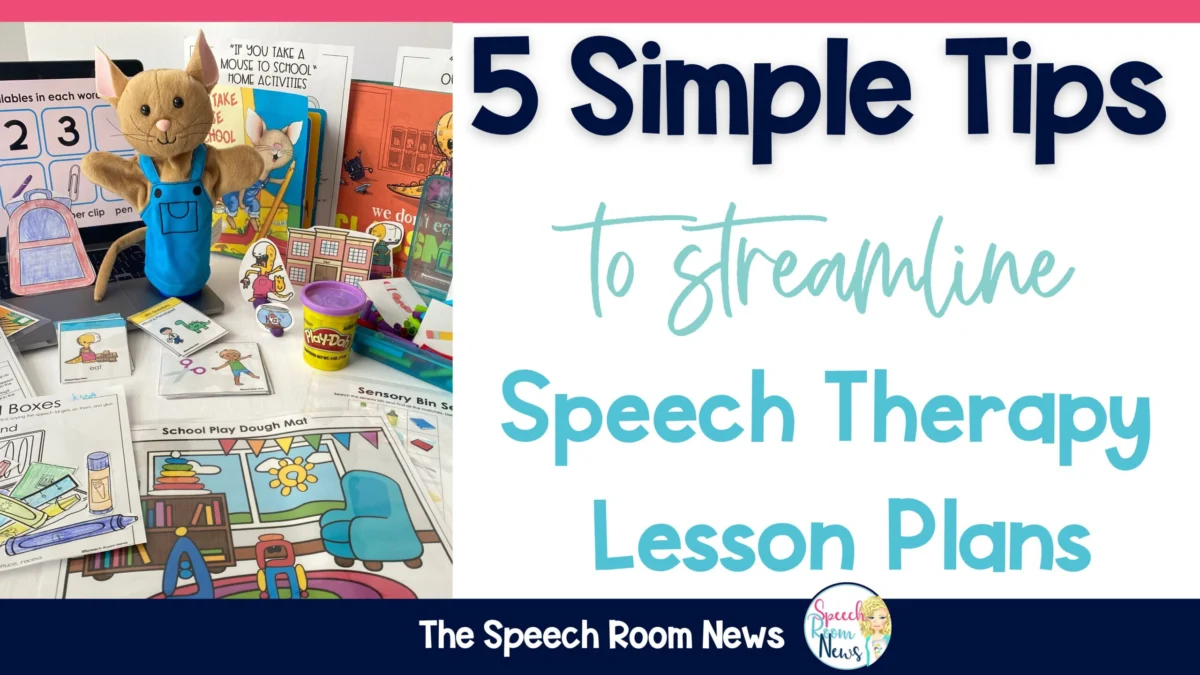
One of the most powerful strategies for streamlining lesson plans involves adopting a thematic therapy approach. Instead of crafting disparate activities for each student’s specific goal, SLPs can select a central theme for a week or month – such as "fall harvest," "ocean creatures," or "community helpers" – and then align all therapeutic materials and activities to this theme. This method inherently promotes efficiency by allowing SLPs to prepare a single set of resources (books, toys, worksheets, crafts) that can be adapted to target a multitude of speech and language goals across different students within mixed groups.
The primary benefit of thematic planning lies in its reusability. Once a thematic unit is developed, it can be archived and refined for use in subsequent years, gradually building a comprehensive library of pre-made, high-quality materials. This significantly reduces year-to-year preparation time. Furthermore, thematic units often align naturally with broader curriculum topics being taught in classrooms, facilitating valuable collaboration with general education teachers and reinforcing academic vocabulary and concepts. For instance, a "farm animal" theme could be used to target articulation of /f/ sounds, vocabulary related to farm life, descriptive language (e.g., "the fluffy sheep"), narrative skills (telling a story about a farm visit), and following multi-step directions. This approach ensures that therapy is not only targeted but also integrated into the student’s overall learning environment, enhancing carryover and relevance.
2. Literacy-Based Therapy: Integrating Language Through Narrative
Leveraging the power of literature is another highly effective method for simplifying speech therapy lesson plans. Literacy-based therapy centers around the use of engaging picture books as a springboard for targeting a wide array of speech and language goals. This approach is particularly beneficial for mixed groups, where a single book can be utilized to address articulation, phonology, vocabulary development, syntax, comprehension, and pragmatic skills. The inherent structure of a story provides a natural context for language learning, making abstract concepts more concrete and memorable for students.
The framework for literacy-based intervention typically involves several stages:
- Pre-story knowledge activation: Students engage in discussions to recall prior experiences or knowledge related to the book’s topic, building a foundation for comprehension.
- Shared story reading: The SLP reads the book aloud, modeling fluent reading and highlighting key vocabulary or linguistic structures.
- Focused-skill activities: Targeted exercises stemming directly from the book’s content address specific IEP goals. For example, a book featuring repetitive actions could be used to practice verbs, while a story with a clear problem/solution structure could target sequencing and inferencing.
- Post-story comprehension discussion: Students retell the story, answer comprehension questions, and discuss themes, characters, and events, reinforcing language skills and critical thinking.
A significant advantage of this approach is the abundance of pre-made materials available online for popular children’s books, further reducing preparation time. Moreover, by selecting books that align with classroom curricula, SLPs can foster stronger home-school connections and enhance students’ academic success by reinforcing grade-level content. The ability to use the same book and associated materials over multiple sessions or with different groups also contributes to planning efficiency.
3. Narrative Language Approach: Cultivating Storytelling for Holistic Growth
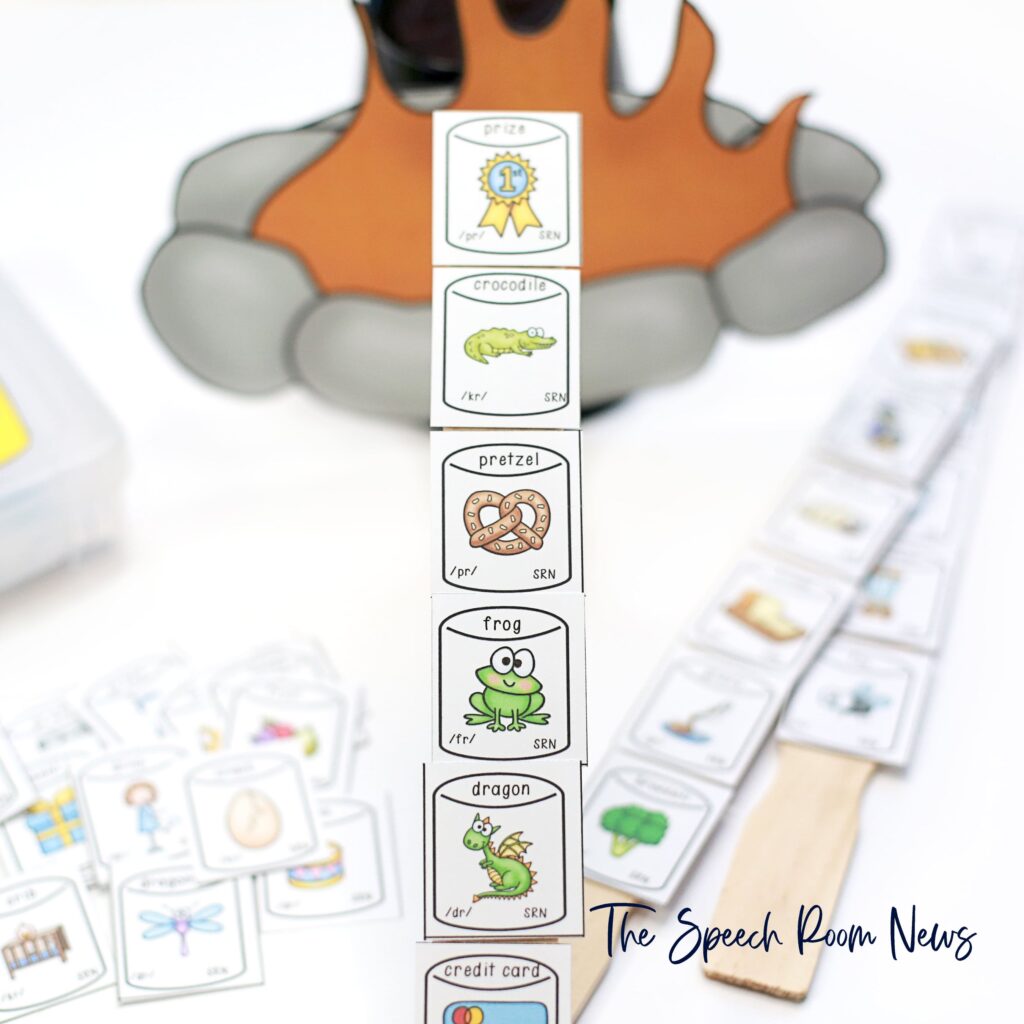
While closely related to literacy-based therapy, the narrative language approach distinctively focuses on developing storytelling skills as a primary pathway to improving speech and language. This method emphasizes teaching the components of story grammar (e.g., characters, setting, initiating event, internal response, plan, attempt, consequence, resolution) and the generation of coherent narratives. Rather than using one book repeatedly, narrative language intervention often involves presenting multiple similar stories over time, allowing students to generalize storytelling structures and vocabulary.
The core activities in this approach typically involve story retelling, where students reconstruct narratives, and story generation tasks, where they create their own stories based on prompts or visual aids. There is a strong emphasis on complex syntax, vocabulary expansion, and the logical sequencing of events. The major benefit of a narrative language approach is its direct link to curriculum success. Strong narrative skills are fundamental for reading comprehension, written expression, and social communication. By focusing on narrative language in addition to specific IEP targets, SLPs help students develop a foundational skill that carries over into academic performance and everyday interactions. Resources like "story grammar icons" provide visual supports that guide students through the elements of a story, making the process more accessible and structured. This approach not only streamlines planning by providing a consistent framework but also addresses a critical area of development often intertwined with various speech and language impairments.
4. Single Therapy Toy/Game: Maximizing Versatility for Diverse Goals
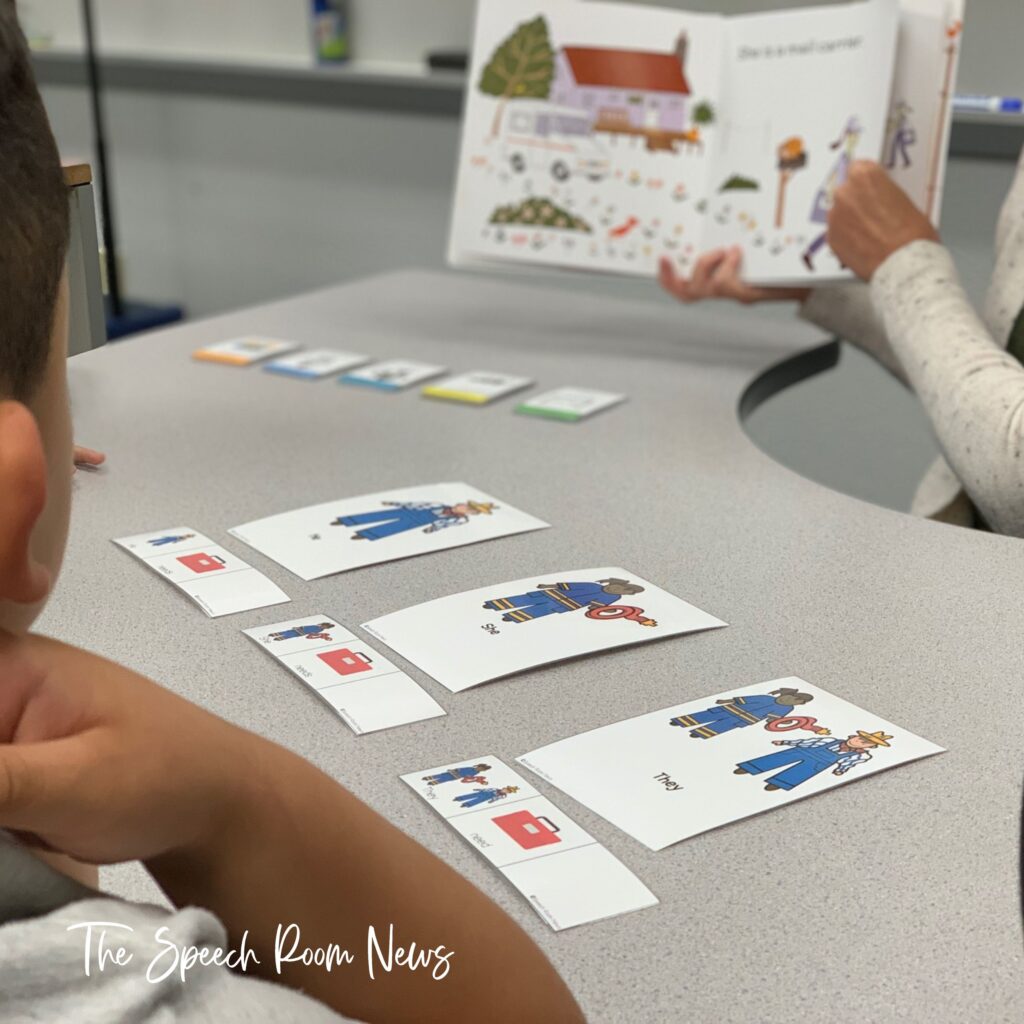
One of the most ingenious strategies for efficient lesson planning is to utilize a single versatile toy or game to target a multitude of speech and language goals. This "less is more" philosophy drastically reduces preparation time and the need for a vast array of materials. The key lies in selecting toys or games that lend themselves to open-ended play and can be adapted creatively to address different objectives.
Consider classic games like Candyland, which can be transformed into a dynamic therapy tool. Custom cards can be created to target specific articulation sounds, vocabulary categories, social questions, or grammatical structures as students advance along the game board. Similarly, playdough offers endless possibilities. It can be used for fine motor skill development, following directions (e.g., "make a long snake," "roll a ball"), requesting items, descriptive language (e.g., "squishy," "red"), and even for data collection through "Dough and Data Sets" where students trace shapes while practicing target sounds or words.
Mini objects are another exemplary resource for this strategy. These small, tangible items are highly motivating, easy to manipulate, and incredibly versatile. They can be used for:
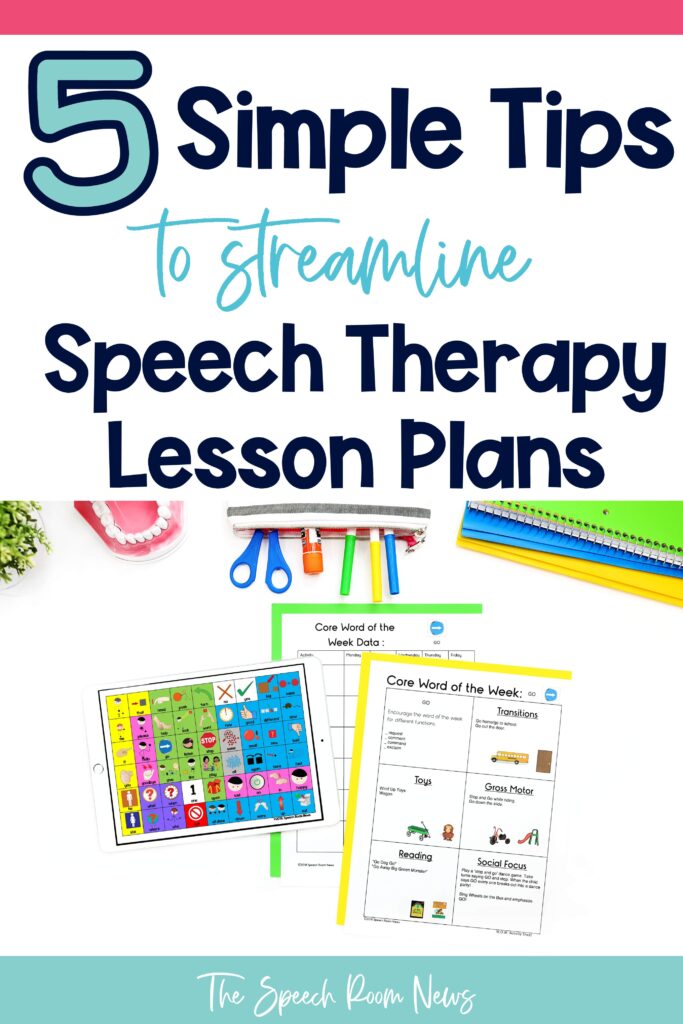
- Articulation practice: Finding objects that start with target sounds.
- Vocabulary building: Naming objects, categorizing them.
- Following directions: "Put the under the ."
- Storytelling: Creating narratives around a collection of objects.
- Prepositional concepts: Placing objects in, on, under, next to various containers.
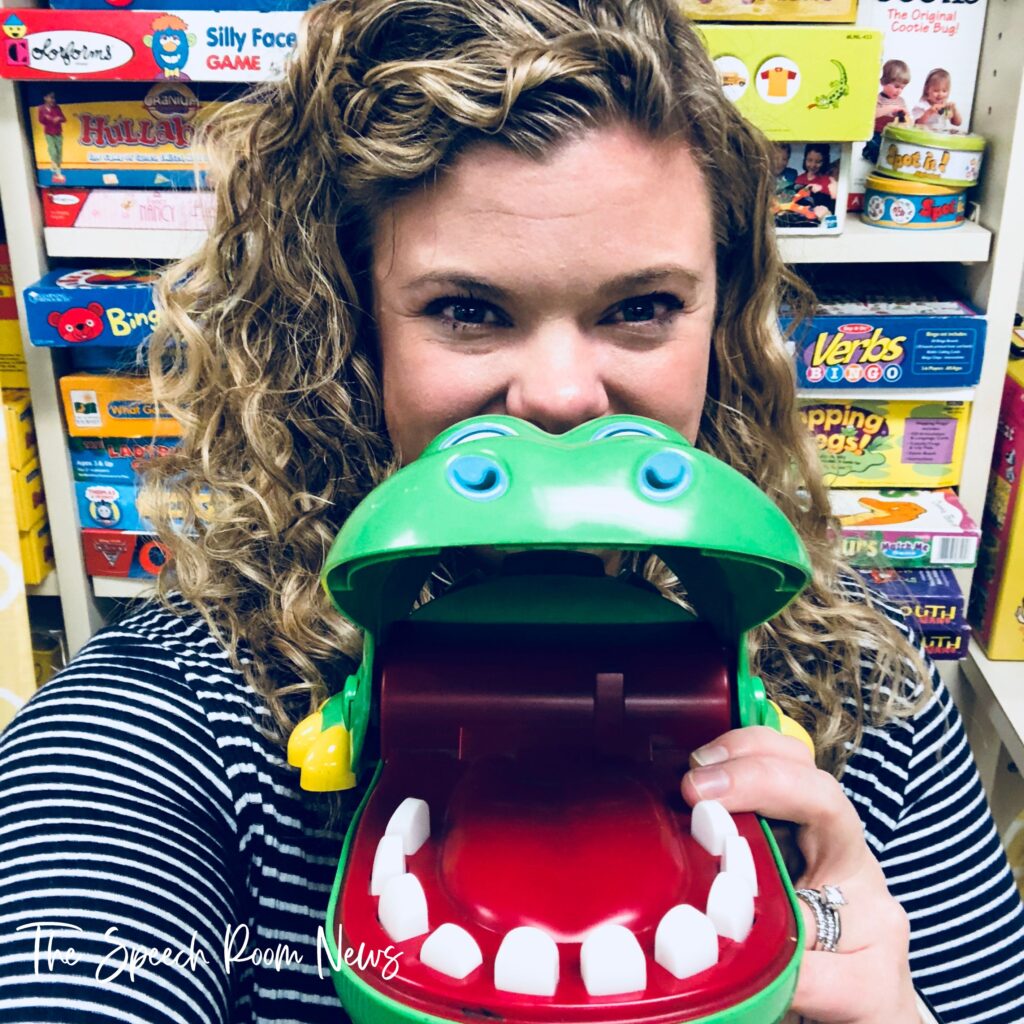
Even simple toys like a chomping crocodile (for dental health themes, targeting /k/ sounds, verbs like "open" or "bite"), or an ice cream shop playset (for vocabulary, requesting, sequencing, prepositions, social scripts) can become central to an entire session, addressing numerous goals with minimal additional prep. This method empowers SLPs to be resourceful and creative, transforming common items into powerful therapeutic instruments.
5. AAC Core Word of the Week: Structured Support for Augmentative Communication
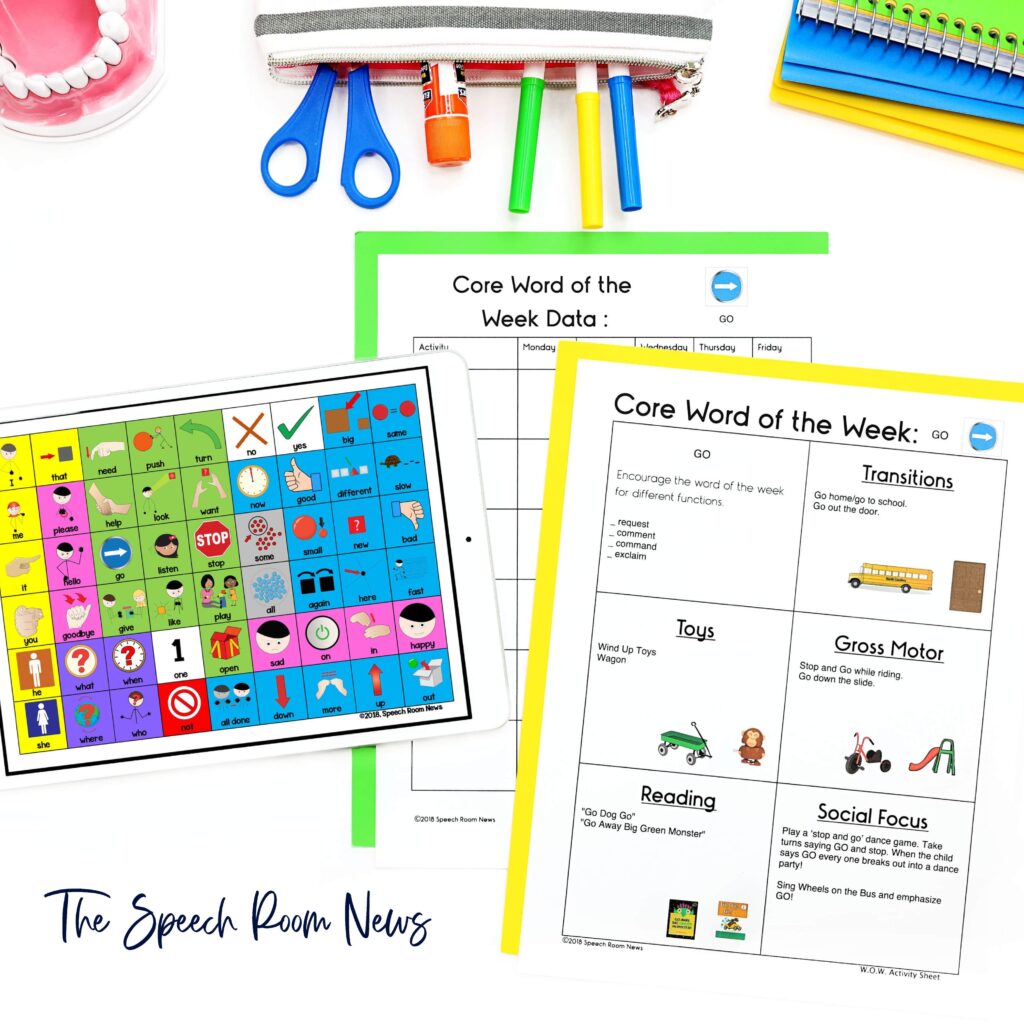
For students utilizing Augmentative and Alternative Communication (AAC) devices, a structured "Core Word of the Week (WOW)" approach is invaluable for streamlining planning and ensuring consistent, pervasive language modeling. Core words are a small set of highly functional words (e.g., "go," "want," "more," "stop," "in," "out") that account for a large percentage of daily communication. By focusing on a few core words each week, SLPs can create a predictable and systematic framework for intervention.
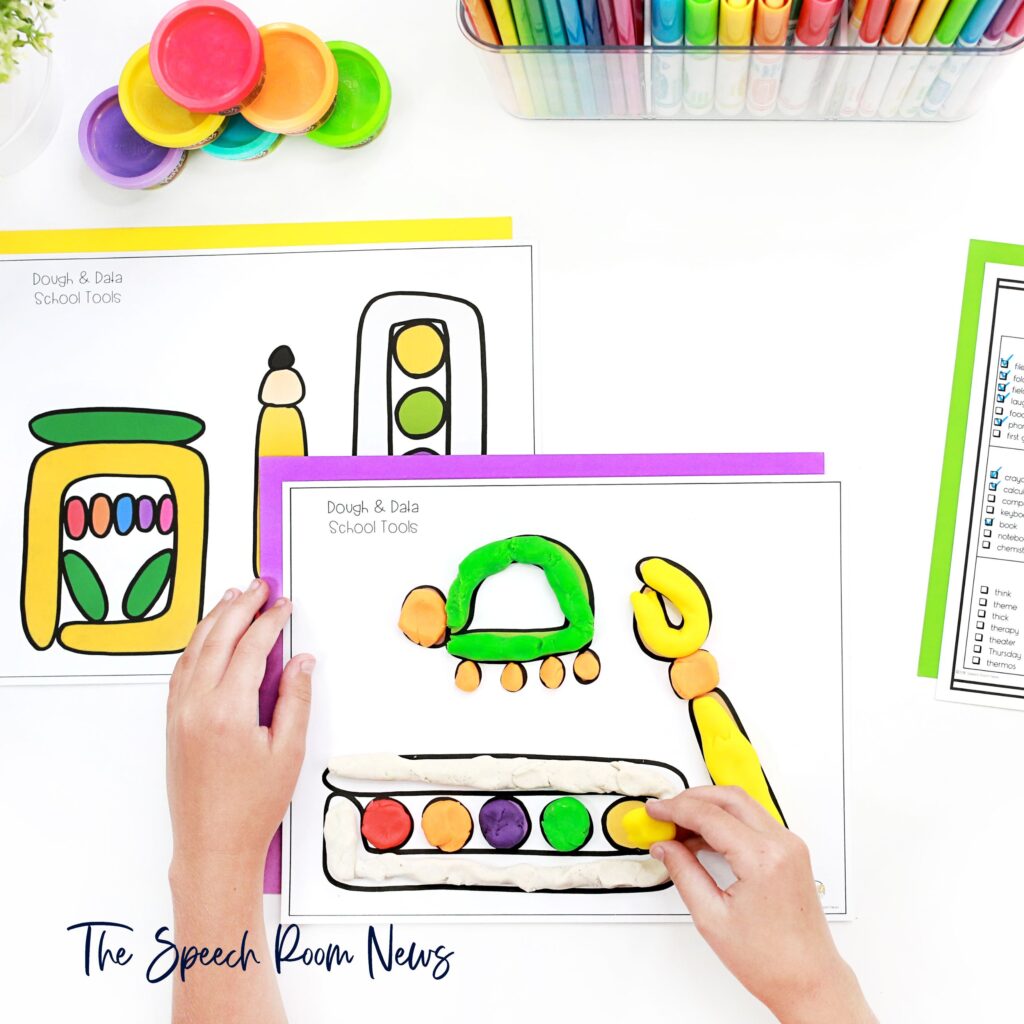
This approach provides a clear structure for weekly lessons, making planning more efficient and facilitating team collaboration. A typical AAC Core Word of the Week lesson plan might encompass an entire month of instruction, focusing on 4-5 core words. It includes activities, visual supports, and suggestions for generalization across various settings. The strength of this method lies in its ability to involve the entire IEP team – including teachers, paraprofessionals, and parents – in modeling and reinforcing the target core words. Consistency across environments is paramount for AAC users to acquire and generalize new vocabulary. By providing ready-to-use materials like door signs, room visuals, and parent letters, SLPs can ensure that everyone involved in the student’s education is aware of and actively participating in the core word focus. This not only optimizes the student’s learning experience but also significantly reduces the SLP’s individual planning burden by distributing the effort of reinforcement.
Bonus Tip: Cultivating a "Grab and Go" Material Arsenal
Beyond systematic planning strategies, maintaining a readily accessible collection of "Grab and Go" materials is a lifesaver for school-based SLPs. These are pre-prepped, versatile resources that can be deployed instantly to fill unexpected gaps, accommodate schedule changes, or serve as backup activities when primary plans fall through. This arsenal is particularly beneficial for impromptu sessions, substitute SLPs, or those days when unexpected events disrupt the best-laid plans.
Essential "Grab and Go" materials might include:
- Articulation Cards: Sets of cards targeting various speech sounds at different levels (word, phrase, sentence).
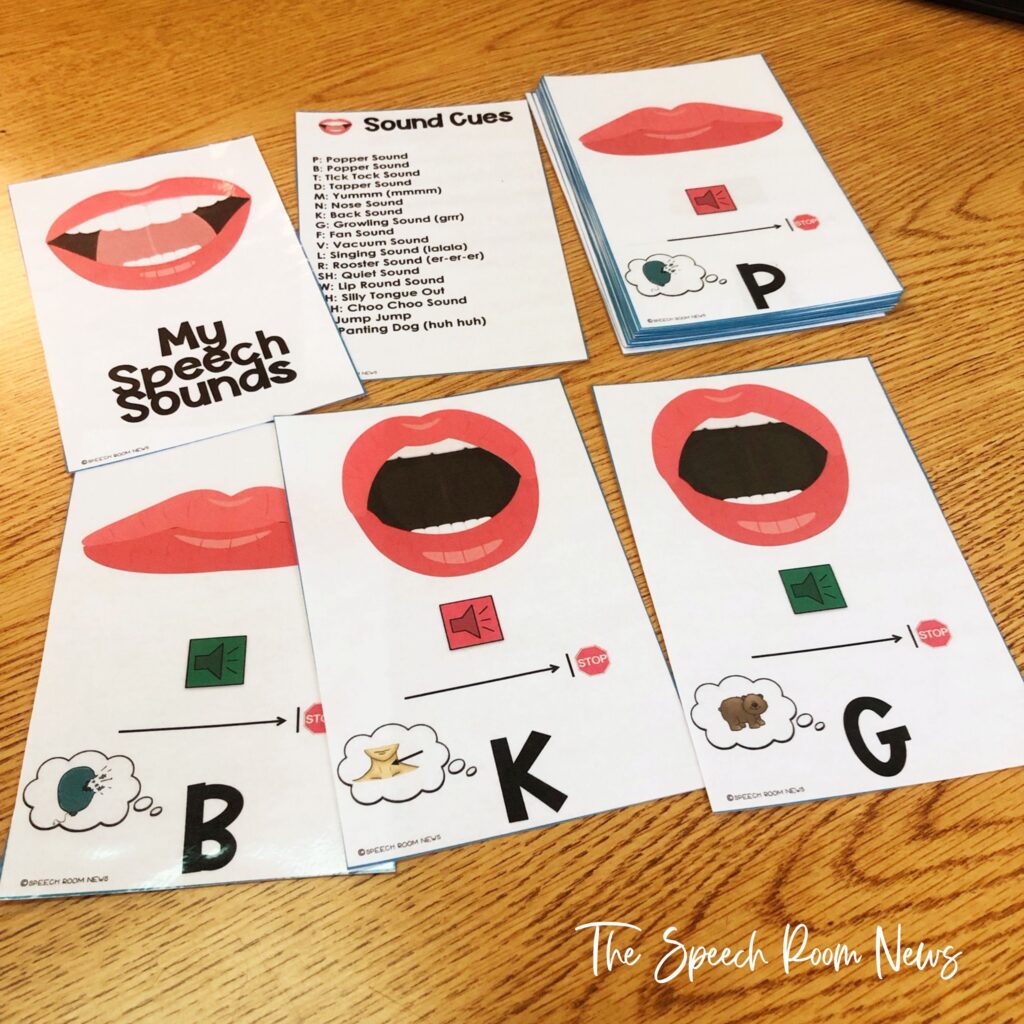
- Speech Sound Posters: Visual aids illustrating articulatory placement for different sounds.
- Visual Supports: Behavior charts, first/then boards, communication boards for common requests or choices.
- Mini-Books/Worksheets: Simple, reproducible activities focusing on specific skills like "Speech Helpers" (for tongue placement) or basic grammar concepts.
- Print & Go Home Packets: Ready-made activities that can be sent home for practice, ensuring continuity of care.
The value of these materials lies in their zero-preparation nature. They are organized, easily retrievable, and adaptable to various student needs, acting as a crucial safety net for busy SLPs. Having such a collection not only alleviates stress but also ensures that therapy sessions remain productive, even under unforeseen circumstances.
Implications and Broader Impact
The implementation of these streamlined lesson planning strategies extends beyond mere time-saving; it profoundly impacts the quality of speech therapy services and the professional well-being of SLPs. By reducing the administrative burden, SLPs can allocate more time to direct student interaction, data analysis, and professional development. This shift allows for more thoughtful and responsive therapy, potentially leading to improved student outcomes and enhanced carryover of learned skills.
Furthermore, these approaches foster greater collaboration within the educational ecosystem. Thematic and literacy-based plans naturally lend themselves to co-treatment opportunities and consultation with general education teachers, reinforcing academic goals. The AAC Core Word of the Week strategy inherently requires a team-based approach, promoting a unified communication environment for students with complex needs. By adopting these methods, school-based SLPs can transition from a reactive, overwhelmed state to a proactive, highly effective professional role, ultimately serving students more comprehensively and sustainably. The continuous evolution of educational demands necessitates such adaptive strategies, ensuring that speech-language pathology remains an integral and efficient component of special education services.
