

The daily commute, often perceived as lost time or a source of boredom for children, is increasingly being recognized by speech and language experts as a prime opportunity for fostering critical communication skills. This shift in perspective highlights the potential of leveraging mundane routines to intentionally practice speech and language goals, thereby maximizing valuable developmental windows and providing practical support for children, particularly those with diagnosed or emerging delays. The strategic use of the car environment transforms passive travel into an active learning space, offering a unique setting that minimizes distractions and encourages natural conversational exchanges, a crucial component often diminished in modern, screen-centric lifestyles.
This approach aligns with a broader trend in pediatric therapy, moving towards integrated, naturalistic interventions that empower parents and caregivers to become primary facilitators of their child’s development. Rather than confining therapeutic practice solely to clinical settings, speech-language pathologists (SLPs) and developmental specialists are increasingly advocating for consistent, low-pressure engagement in everyday situations. The car, with its enclosed and predictable environment, emerges as an ideal micro-setting for such targeted interactions, fostering a consistent back-and-forth rhythm of communication that is crucial for language acquisition and refinement.
The Evolving Landscape of Speech and Language Intervention
Historically, speech and language therapy often operated within a more clinical, structured paradigm. Children would attend sessions, engage in specific exercises, and parents might receive homework assignments for practice at home. While effective, this model sometimes struggled with the generalization of skills into everyday contexts and placed the primary burden of instruction on the therapist. The 21st century has seen a significant evolution in therapeutic philosophy, driven by extensive research emphasizing the profound impact of environmental factors and continuous exposure to language-rich interactions. This evolution underscores the importance of embedding therapeutic strategies into a child’s natural environment.
The understanding of language acquisition has matured, underscoring that children learn best through meaningful, repeated interactions within natural contexts. This pedagogical shift champions "naturalistic language intervention" (NLI), which integrates learning opportunities into daily activities and routines. The car ride exemplifies a perfect, often overlooked, naturalistic setting. It provides a captive audience, shared visual stimuli (road signs, passing scenery), and a relatively distraction-free zone compared to a bustling home environment or a screen-dominated experience.
According to data from the Centers for Disease Control and Prevention (CDC), approximately 1 in 12 (7.7%) U.S. children aged 3-17 years have a speech, language, or voice disorder. This statistic, based on surveys from 2009-2012, underscores the widespread need for effective and accessible intervention strategies. For many families navigating these challenges, time is a precious commodity. Juggling work, school, extracurricular activities, and therapy appointments leaves little room for additional structured practice. This is where the car-based approach gains significant traction, offering a convenient, built-in solution to integrate therapeutic reinforcement seamlessly into the family’s schedule without demanding additional, dedicated time slots.
Benefits of Car-Based Language Practice
The advantages of utilizing car commutes for speech and language development are multi-faceted. Beyond merely saving time, this environment offers distinct pedagogical and psychological benefits that contribute significantly to a child’s overall communication competence:

- Reduced Distractions and Enhanced Focus: Unlike home environments often filled with toys, television, or the constant buzz of other activities, the car’s confined space can significantly minimize external stimuli. This allows for more focused, undivided parent-child interaction, which is particularly beneficial for children with attention difficulties or those easily overstimulated. This dedicated attention fosters deeper engagement in linguistic tasks.
- Natural Conversational Flow and Pragmatic Development: The shared experience of travel naturally encourages dialogue. Parents can comment on observations outside the window, ask questions about the destination, or engage in imaginative play sparked by the surroundings. This creates an organic, back-and-forth communication rhythm, which is fundamental for developing pragmatic language skills—the social rules of language, including turn-taking, topic maintenance, and understanding non-literal meanings.
- Contextualized Vocabulary Expansion: The constant exposure to new sights and sounds during a drive provides a rich, real-world context for vocabulary development. Road signs, landmarks, different types of vehicles, and natural scenery offer tangible reference points for introducing and reinforcing new words, concepts, and descriptive language. For instance, discussing a "bridge" (structure, function, material) or a "traffic light" (colors, commands, safety) provides immediate, experiential meaning to words, enhancing retention.
- Boredom Alleviation and Positive Association: For many children, car rides can be monotonous or even lead to irritability. Engaging in interactive games and conversations transforms this potential boredom into an engaging learning experience, making the commute more enjoyable for both children and parents. This positive association can foster a greater willingness to participate in language activities, turning a chore into an opportunity for connection and growth.
- Parental Empowerment and Strengthened Bonding: When parents are equipped with simple, effective strategies for language practice, they feel more confident and capable in supporting their child’s development outside of formal therapy. These car activities provide concrete, actionable tools, fostering a sense of agency and reducing potential feelings of helplessness. Moreover, the focused, positive interaction strengthens parent-child bonds, creating shared experiences that reinforce communication as a joyful, collaborative effort, rather than a remedial task.
A 2017 study published in Pediatrics highlighted the inverse relationship between screen time and parent-child interaction during car rides, noting a decrease in verbal engagement when children were engrossed in digital media. By intentionally introducing language games, parents can actively counteract this trend, reclaiming the car as a space for human connection and essential developmental growth, moving away from passive consumption towards active participation.
Practical Applications: Three Expert-Recommended Car Games
Speech-language pathologists frequently recommend structured games that can be adapted for the car environment. These activities are designed to target specific language domains while remaining fun and engaging, making therapeutic practice feel like play.
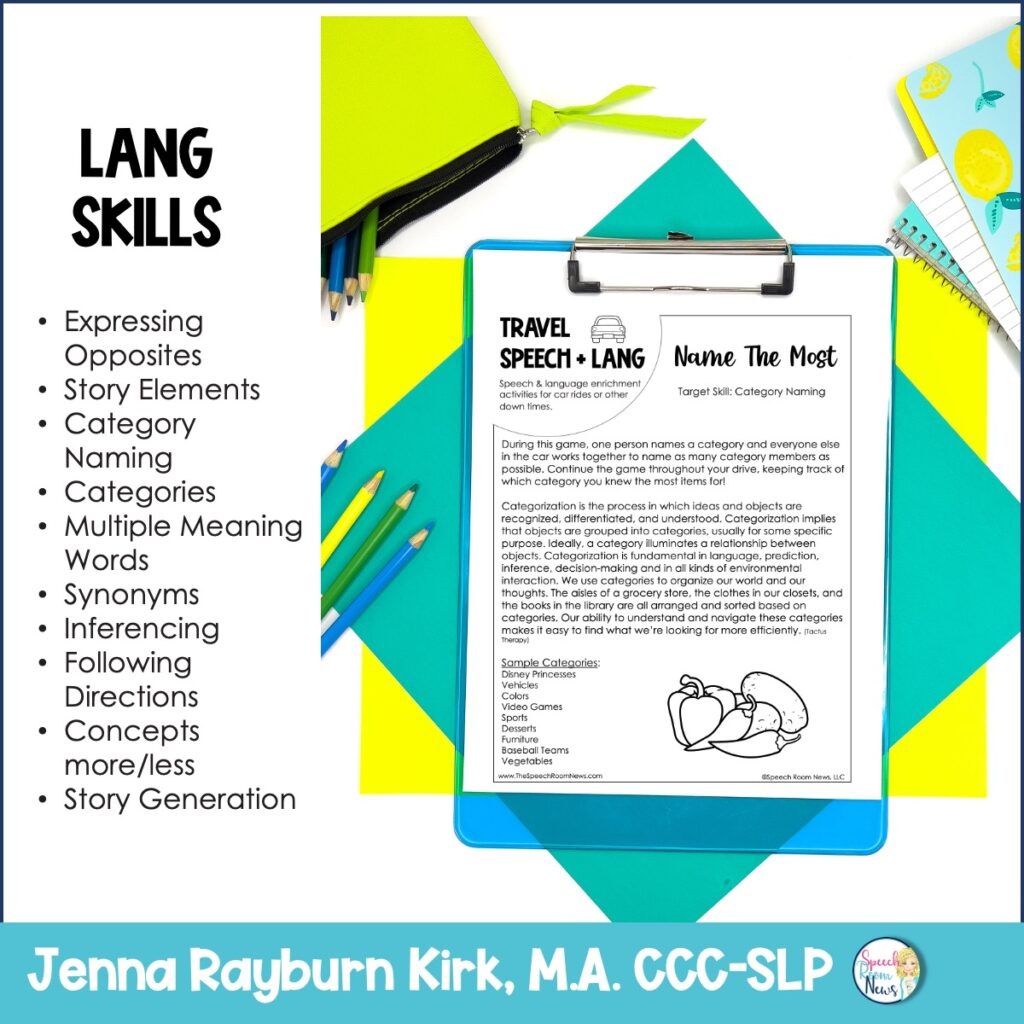
1. The Grocery Game (Targeting Question Formation and Categorization)
This activity is designed to enhance a child’s ability to formulate questions correctly and develop semantic categorization skills, which are crucial for organizing vocabulary. One player thinks of a grocery item without revealing it. Other players then ask strategic yes/no or "wh-" questions to deduce the item.
- Grammar Target: The primary focus is on question formation (e.g., "Is it in the freezer aisle?", "Is it a type of fruit?", "Do you drink it?"). This game implicitly reinforces correct word order, the use of auxiliary verbs (do, does, is, are), and appropriate interrogative pronouns (who, what, where, why) in sentence structures.
- Vocabulary and Semantic Skills: Children naturally engage with word attributes and relationships, practicing functions ("Does it melt?"), actions ("Do you bite it?"), categories ("Is it a vegetable?"), and associations ("Is it something that goes on bread?"). This broadens their understanding of word meanings and how words relate to each other, crucial for robust vocabulary development and cognitive organization.
- Cognitive Benefits: The game encourages deductive reasoning, problem-solving, and active listening. The child thinking of the item also practices giving clear, concise answers and managing information.
This seemingly simple game provides repeated, natural exposure to question structures, an area often challenging for children with language delays. The immediate feedback loop (yes/no) helps children self-correct and refine their linguistic hypotheses in a low-stakes environment.
2. Red Light Race (Targeting Articulation and Phonological Awareness)
Red Light Race capitalizes on momentary stops in traffic to practice specific speech sounds, known as articulation. This game incorporates auditory bombardment, a well-established technique where the target sound is repeated frequently by the adult, helping the child internalize its correct production and awareness.
- Articulation Target: Players take turns naming as many items as possible within a chosen category that include a specific target sound (e.g., the ‘R’ sound, ‘S’ sound, ‘K’ sound). For instance, if the target is ‘S’, categories could include "Animals" (snake, seal, squirrel), "Foods" (soup, sausage, sweets), or "Things you see" (street, sign, sky). The competitive yet playful nature encourages rapid word retrieval.
- Auditory Bombardment: The adult models the target sound repeatedly and correctly within the words. This consistent, focused auditory input helps the child develop phonological awareness—the ability to hear, identify, and manipulate individual sounds in spoken words, which is foundational for both speaking and reading.
- Vocabulary and Rapid Naming: While focusing on articulation, the game also implicitly encourages vocabulary retrieval and rapid naming skills, as children try to generate multiple words quickly under a time constraint, further strengthening their lexical access.
- Engagement: The timed nature (red light duration) adds an element of fun and challenge, making speech practice feel like an exciting game rather than a repetitive drill.
This activity is highly adaptable; the target sound can be chosen based on a child’s individual therapy goals. The categories can be adjusted for age and developmental level, ensuring sustained engagement and progressive challenge across various linguistic proficiencies.
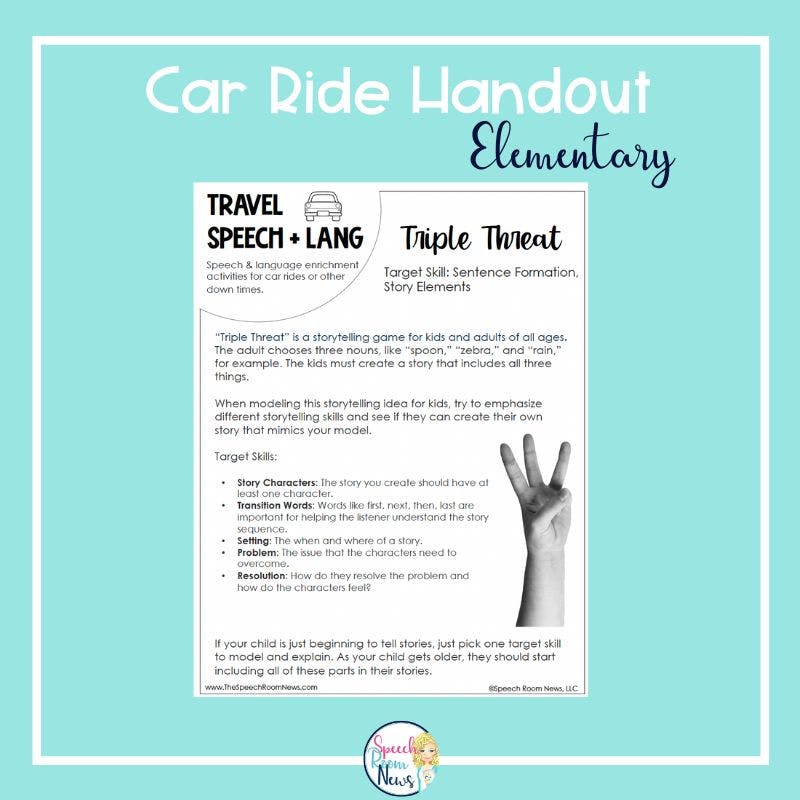
3. Triple Threat (Targeting Sentence Formation, Narrative Skills, and Creativity)
This imaginative game fosters complex language skills by challenging children to create coherent narratives from disparate elements, pushing them beyond simple sentence structures into more elaborate storytelling.
- Sentence Formation and Grammar: Children must construct grammatically correct sentences to weave three unrelated nouns into a cohesive story. This encourages the proficient use of conjunctions (and, but, because), prepositions (on, under, with), and appropriate verb tenses (past, present, future) to create a logical and temporally accurate narrative flow.
- Narrative Skills and Sequencing: The core of this activity is developing robust storytelling abilities. Children practice sequencing events logically, introducing characters (even if inanimate), establishing a setting, and resolving a "plot," however simple. These are foundational skills for academic success, particularly in reading comprehension, written expression, and social communication.
- Vocabulary and Descriptive Language: As children craft their stories, they naturally draw upon and expand their vocabulary, using adjectives and adverbs to make their narratives more vivid, detailed, and engaging. This encourages a richer and more nuanced use of language.
- Creativity and Abstract Thinking: The inherently "silly" nature of combining unrelated items (e.g., "dog," "milk," and "bike") stimulates creative thinking and the ability to make novel, imaginative connections. This imaginative play is crucial for cognitive flexibility and divergent thinking.
- Memory and Working Memory: Recalling the three chosen nouns and holding them in mind while constructing a coherent story taxes working memory, an essential cognitive function that supports complex language processing and learning.
The "Triple Threat" game offers a dynamic way to practice advanced language structures within a low-pressure, playful context. It allows parents to gauge a child’s ability to organize thoughts, use complex sentences, and engage in imaginative discourse, providing valuable insights into their narrative development.
Broader Implications and Support for Families
The advocacy for car-based speech and language activities extends beyond individual family benefits, touching upon broader implications for therapeutic practice and public health. By integrating these strategies, SLPs can empower parents to extend the reach of therapy beyond clinic walls, thereby significantly increasing the intensity and consistency of intervention. This continuous, naturalistic reinforcement is often cited in research as a critical factor in achieving lasting gains in speech and language development, contributing to better long-term outcomes.
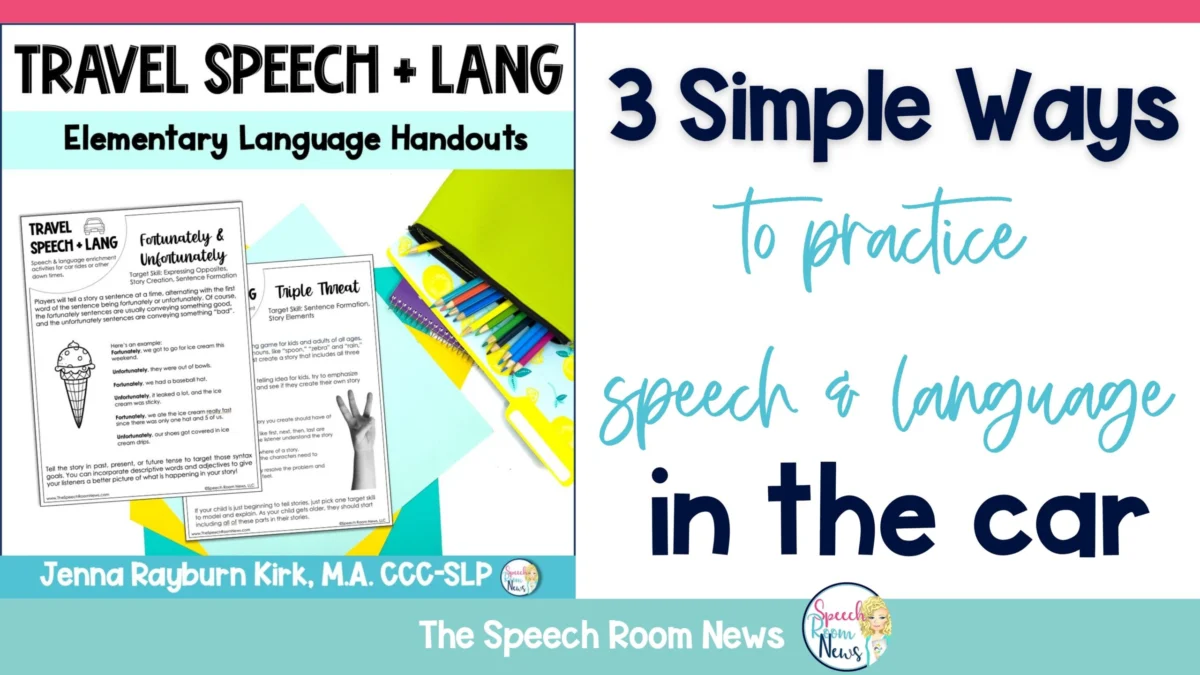
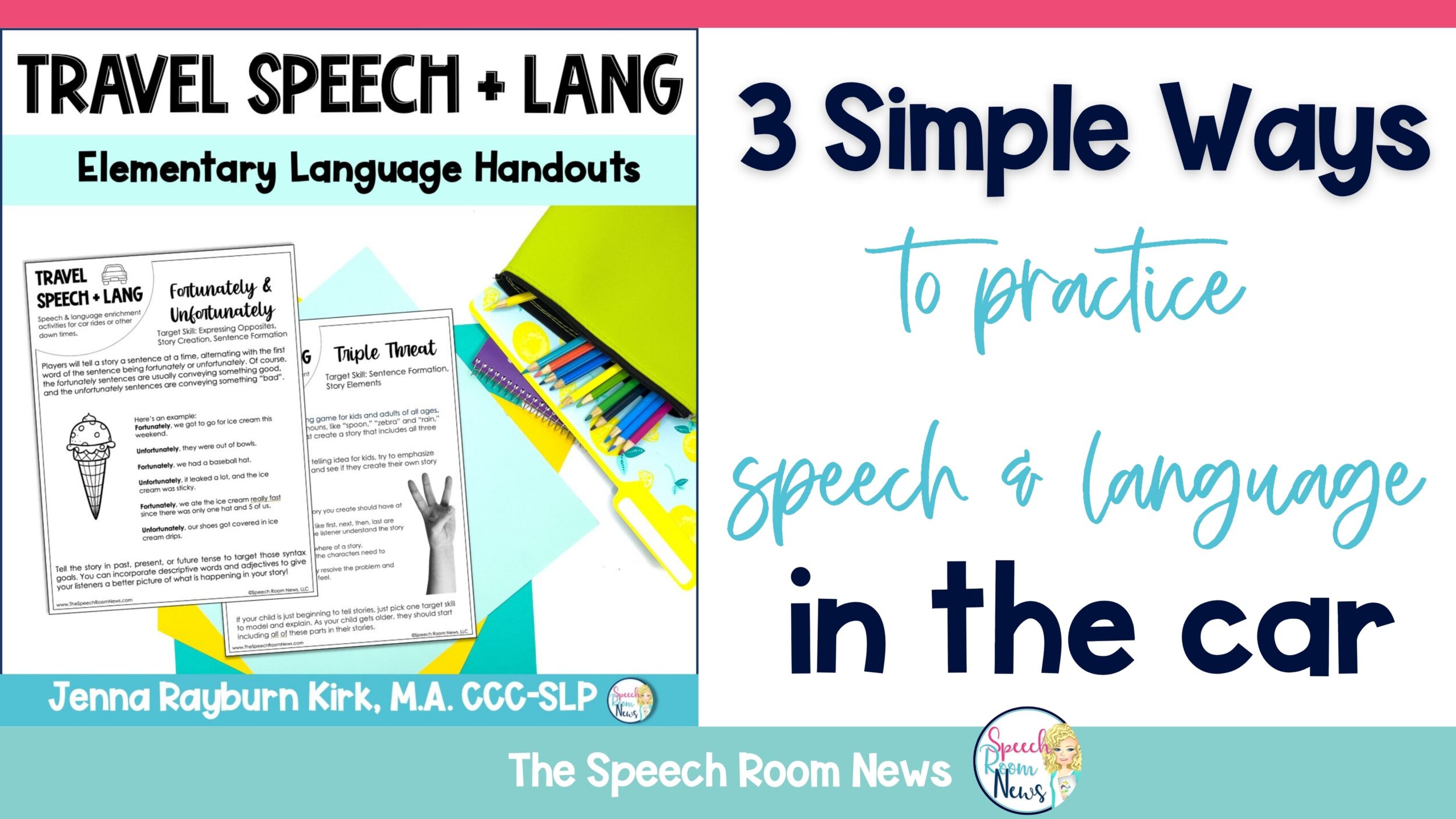
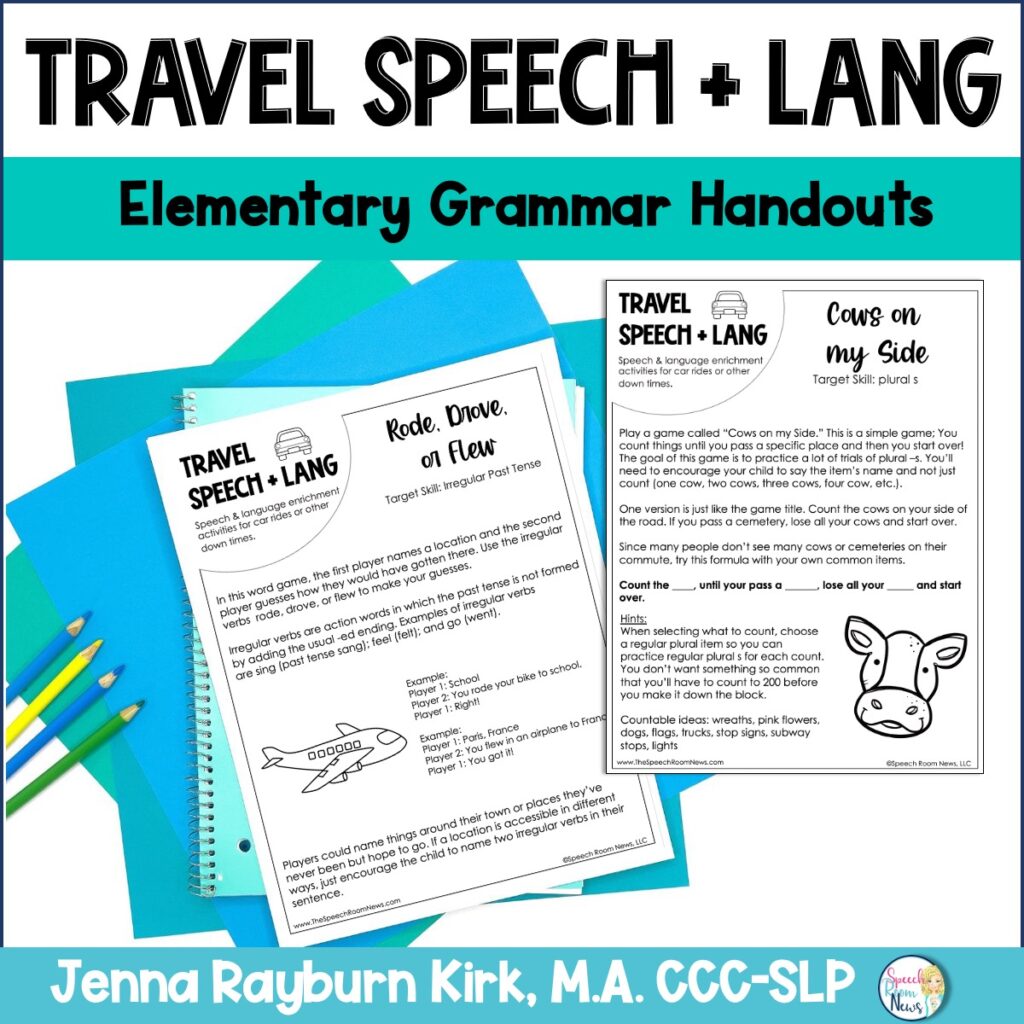
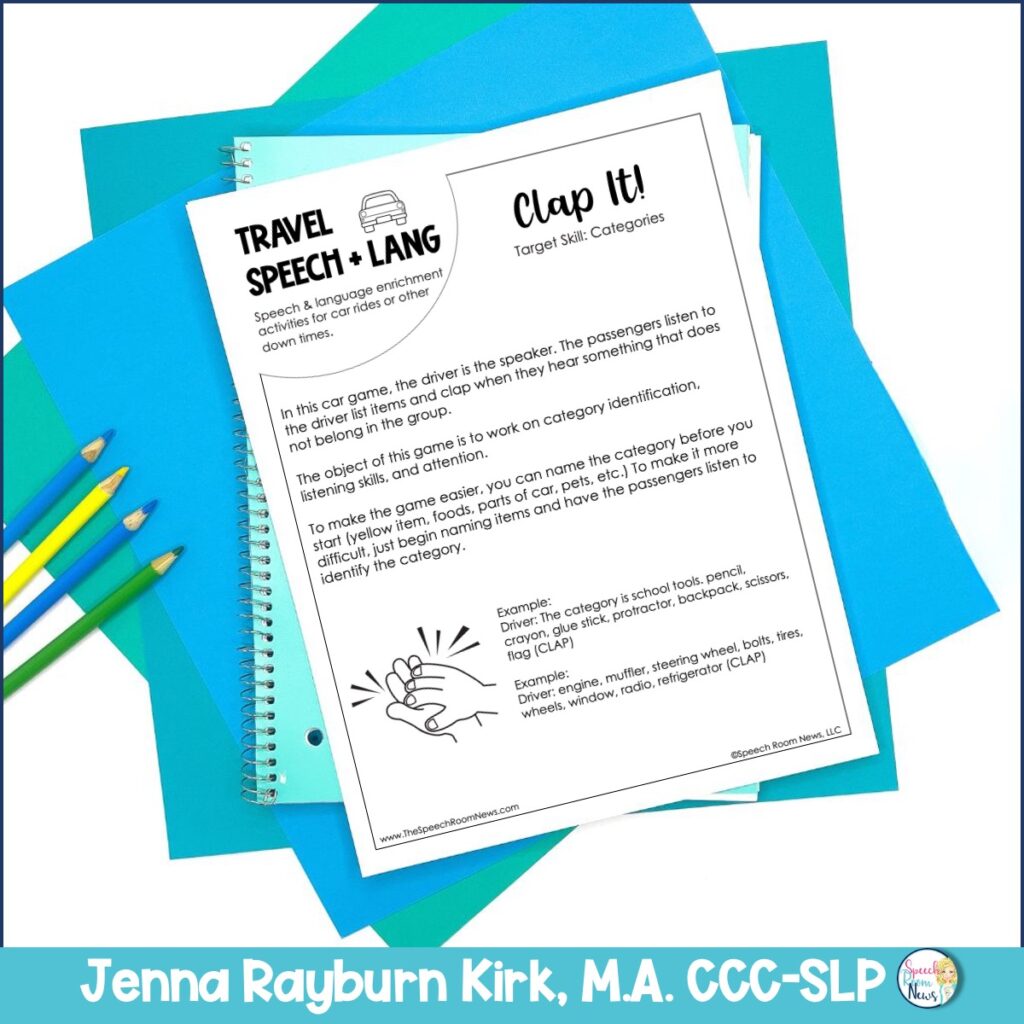
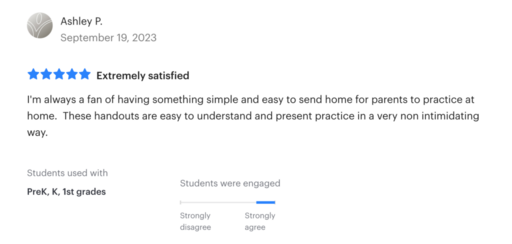
Educational institutions and speech therapy practices are increasingly recognizing the value of providing accessible, parent-friendly resources. Programs and bundles, such as the "Travel Speech and Language Bundle" offered by various educational platforms, provide structured handouts and practical explanations for a variety of car-friendly games. These resources aim to demystify speech and language practice, making it approachable and actionable for busy parents, effectively translating clinical goals into everyday activities. Testimonials from Speech-Language Pathologists frequently highlight the utility of such materials in bridging the gap between clinical intervention and home practice, allowing parents to confidently support their child’s goals throughout their daily routines.
Furthermore, promoting these interactive activities can contribute significantly to a reduction in reliance on passive screen time during commutes. While digital devices have their place, excessive screen use, particularly in younger children, has been linked by numerous studies to potential delays in language development, largely due to reduced opportunities for interactive conversation and joint attention. By offering engaging, verbally interactive alternatives, parents can foster a more language-rich environment, directly addressing growing concerns about screen dependency and its potential developmental impacts.
The long-term impact of consistent language stimulation, even in seemingly small increments like a daily car ride, is substantial. Strong language skills are foundational for literacy development, academic achievement across all subjects, and are crucial for social-emotional competence and mental well-being. Children who can articulate their thoughts clearly, understand complex instructions, and engage in meaningful conversations are better equipped to navigate school, build healthy friendships, express their needs effectively, and participate fully in society.
In conclusion, the movement to transform the humble car ride into a vibrant hub for speech and language development represents a pragmatic, scientifically supported, and highly effective strategy in pediatric intervention. It underscores the power of intentionality in everyday life, demonstrating that significant developmental progress can be fostered not just in specialized clinics, but also in the familiar, shared space of a family vehicle. As speech and language professionals continue to innovate and research best practices, empowering parents with simple, impactful tools for daily practice will remain a cornerstone of comprehensive child development support. This integrated approach not only maximizes valuable time and resources but also cultivates a culture of continuous learning and joyful communication within the family unit, yielding benefits that extend far beyond the car journey.
