

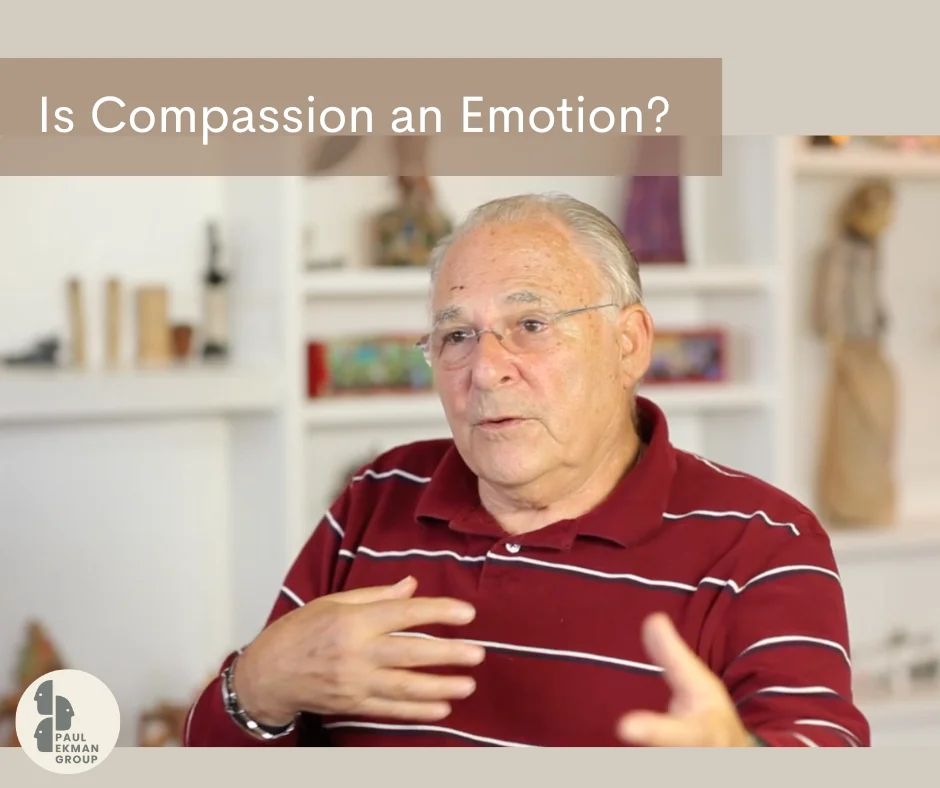
While the act of compassion often elicits a sense of personal satisfaction and positive reinforcement, it is crucial to distinguish compassion from the broader spectrum of universal human emotions. This nuanced understanding is not merely an academic exercise; it illuminates the profound significance of compassion and underscores its cultivable nature. Far from being a passive emotional response, compassion is a targeted response to suffering, driven by a distinct motivation to alleviate it. This fundamental difference between emotion and compassion is what makes its intentional development both possible and essential for navigating the complexities of human experience and societal well-being.
The Focused Nature of Compassion: A Response to Suffering
Emotions, in their vast array, are triggered by a multitude of stimuli and serve diverse psychological functions. They can be fleeting reactions to external events or internal states, ranging from joy and excitement to fear and anger. However, compassion operates with a singular, unwavering focus: the presence of suffering and the inherent drive to diminish or eradicate it. This definition, rooted in psychological understanding, sets compassion apart. While emotions can be neutral, constructive, or even destructive, compassion, by its very essence, is always constructive. Its underlying intention is never to cause harm, but exclusively to offer relief and support to those in distress. This inherent benevolence distinguishes it from other emotional states that may not carry such a directed, altruistic purpose.
The Three Pillars of Compassion: From Innate Drive to Conscious Choice
The human capacity for compassion manifests in distinct forms, each with its own evolutionary roots and developmental pathways. These forms range from an involuntary biological imperative to a deliberate, cultivated choice, reflecting the multifaceted nature of our social and ethical development.
Familial Compassion: The Evolutionary Imperative
At its most primal level, compassion is embodied in familial compassion. This is the deep-seated, often unconscious concern we feel for our children and closest kin. It is not a learned behavior but an ingrained biological drive, a testament to evolutionary pressures that favored the survival of offspring and the continuation of the species. When a parent, without a second of hesitation, rushes into danger to protect their child, there is no conscious deliberation, no weighing of options. The action is instinctive, an immediate response dictated by an evolutionary imperative. The only truthful explanation for such a selfless act is a profound, inherent necessity: "I had to."
The evolutionary underpinnings of familial compassion highlight its universality, extending beyond the human species to other primates. For humans, the extended period of childhood dependency, the longest of any species on Earth, necessitates an equally robust, built-in mechanism for protecting vulnerable offspring. This prolonged period of learning and adaptation also relies on the consistent safeguarding provided by parental compassion. Crucially, much of this parental concern is proactive rather than reactive. A parent insisting on a child wearing a helmet while cycling, for instance, is not responding to immediate suffering. Instead, they are employing cognitive foresight to prevent potential harm and suffering before it can occur. This anticipatory nature is a hallmark of parental compassion, extending beyond immediate relief to the prevention of future distress.
Stranger Compassion: The Deliberate Act of Empathy
In contrast to the automatic nature of familial compassion, stranger compassion emerges as a deliberate and conscious choice. Acts such as donating to disaster relief funds, volunteering time in refugee camps, or offering assistance to individuals encountered only fleetingly are not involuntary responses. They are conscious decisions, undertaken despite the absence of personal connection or obligation. The individual could, as many do, choose to do nothing.
Stranger compassion is not a universally expressed trait. While some societies exhibit higher rates of charitable giving and volunteerism, its practice is far from ubiquitous even within these communities. The potential for a world dramatically reshaped by widespread stranger compassion is a testament to its distinctiveness from inherent emotional responses. If this form of compassion were as automatic as, for example, fear or joy, the global landscape of human welfare would undoubtedly be transformed. This underscores the point that stranger compassion is not merely an emotion but a cultivated capacity, a conscious decision to extend care beyond one’s immediate circle. It requires an intentional effort to recognize the shared humanity of others, even those who are strangers, and to act upon that recognition.
Sentient Compassion: The Expansive Circle of Concern
The broadest spectrum of compassion is encapsulated by sentient compassion. This form extends concern to all sentient beings—all creatures capable of experiencing feelings and suffering. Buddhist traditions often highlight sentient compassion as a central spiritual practice, and Charles Darwin himself recognized it as humanity’s highest virtue. This profound level of compassion transcends species boundaries, valuing the well-being of all beings that possess the capacity for feeling.
While familial and, to a lesser extent, stranger compassion may arise more readily in many individuals, sentient compassion typically requires conscious cultivation and sustained practice. Few people naturally embody this expansive concern without dedicated effort or significant personal growth. However, historical and contemporary examples demonstrate that it is an achievable human capacity. The development of sentient compassion represents a significant ethical and philosophical evolution, challenging anthropocentric viewpoints and fostering a deeper connection with the intricate web of life.
The Cultivable Nature of Compassion: Beyond Emotional Response
Human beings, by their nature, universally experience a foundational set of emotions, including fear, anger, joy, and sadness. This shared emotional landscape forms the bedrock upon which empathy and, consequently, compassion can be built. The capacity for empathy, the ability to understand and share the feelings of another, is therefore a universal human trait. However, the mere capacity for empathy does not guarantee its widespread application.
For many, empathy and compassion can be narrowly confined to individuals who share similar physical characteristics, geographical proximity, ideological beliefs, or familial ties. The moral imperative of our time, therefore, lies in the conscious effort to broaden this circle of concern. It is about extending empathy and compassion beyond the familiar and comfortable, embracing a wider spectrum of humanity.
This expansion, however, is not without its challenges. The modern era, characterized by globalized media and instantaneous communication, exposes individuals to an unprecedented volume of suffering. An hour spent consuming news can inundate us with images of pain and hardship from across the globe, far exceeding the scope of suffering encountered in our ancestral environments. This constant exposure can lead to emotional fatigue, a sense of overwhelm, and a feeling of helplessness, making it difficult to sustain compassionate responses without succumbing to burnout.
The Significance of Distinguishing Compassion from Emotion
Understanding compassion as a distinct entity, separate from the immediate ebb and flow of emotion, is crucial for its intentional development. While familial compassion may operate on an automatic, instinctual level, compassion for strangers and sentient beings is not pre-programmed. These are capacities that can be nurtured, strengthened, and expanded through deliberate effort, training, and practice.
In a world grappling with pervasive and highly visible suffering, the ability to extend compassion without becoming emotionally depleted or shutting down is perhaps one of the most vital skills humanity can cultivate. This requires developing resilience, effective coping mechanisms, and a clear understanding of one’s own limits, while simultaneously fostering a commitment to alleviating suffering wherever it is found. The ongoing exploration and practice of these different forms of compassion are therefore not merely acts of kindness but essential components of a thriving and ethical global society. The deliberate cultivation of compassion, in all its forms, offers a pathway towards a more humane and interconnected world.
