

School-based Speech-Language Pathologists (SLPs) frequently navigate demanding professional landscapes, characterized by substantial caseloads, diverse student needs, and a persistent need to demonstrate measurable progress. The traditional model of developing individualized lesson plans for each student, for every session, has proven to be an unsustainable and inefficient practice, leading to increased administrative burden and potential clinician burnout. A paradigm shift towards streamlined, integrated planning methodologies is not merely a convenience but a critical strategy for enhancing service delivery, improving student engagement, and ensuring the long-term sustainability of high-quality speech and language intervention. This article explores five evidence-informed strategies, supplemented by a bonus tip, designed to revolutionize lesson planning for SLPs, fostering efficiency without compromising therapeutic effectiveness.
The Pressing Need for Streamlined Planning in School Environments
The challenges faced by school-based SLPs are well-documented. Caseloads can range significantly, often exceeding national recommendations, with some clinicians managing 60 or more students daily. These students present with a spectrum of communication disorders, including articulation and phonological impairments, expressive and receptive language delays, fluency disorders, voice disorders, and complex communication needs requiring Augmentative and Alternative Communication (AAC). Beyond direct therapy, SLPs are responsible for conducting evaluations, attending Individualized Education Program (IEP) meetings, collaborating with teachers and parents, documenting progress, and adhering to state and federal mandates. The sheer volume and complexity of these responsibilities underscore the necessity for highly efficient operational strategies, particularly in lesson preparation.
Historically, new SLPs, often overwhelmed by the breadth of their initial caseloads, might default to labor-intensive planning methods. An anecdote from a seasoned SLP highlights this: "My first school job, I was in limbo for a few days waiting on my conditional state license to come through and spent those days copying worksheets for 50 kids. It took days. I hadn’t figured out how to streamline my lesson planning." This experience is not isolated, reflecting a common initial struggle before discovering more effective approaches. The goal is to move beyond such time-consuming practices to adopt methods that are both simple and impactful.
Five Core Strategies for Enhancing Speech Therapy Lesson Planning
The following strategies offer practical frameworks for SLPs to optimize their planning processes, ensuring that valuable time is redirected from preparation to direct student interaction and data analysis.
1. Implementing Theme-Based Therapy Plans
One of the most effective methods for simplifying lesson planning is the adoption of a theme-based therapy approach. This involves selecting a central theme for a week or month and coordinating all therapeutic materials and activities around it. Themes can be seasonal (e.g., fall harvest, winter wonderland), holiday-related (e.g., Halloween, Valentine’s Day), curriculum-aligned (e.g., space exploration, community helpers), or based on popular children’s literature.
The significant advantage of themed therapy lies in its reusability and versatility. Once a theme is established, SLPs can compile a collection of books, toys, worksheets, and crafts that align with it. This collection can be reused year after year, gradually expanding and refining the available resources. For instance, a "Farm Animals" theme can incorporate books about farm life, animal figurines for play, worksheets for categorizing animals or identifying sounds, and craft activities like making animal masks. Within this single theme, an SLP can target a myriad of goals:
- Articulation: Practicing target sounds using animal names (e.g., /f/ in "farm," /p/ in "pig").
- Language: Expanding vocabulary (e.g., names of animals, farm equipment, actions), developing descriptive language, improving sentence structure, and working on prepositions (e.g., "The pig is in the mud," "The cow is behind the fence").
- Social Skills: Turn-taking during farm-themed games, cooperative play with animal figures, and discussing farm roles.
- Fluency: Practicing smooth speech while describing farm scenes.
The thematic approach naturally aligns with classroom curricula, fostering a more integrated learning experience for students and facilitating carryover of skills between the therapy room and the classroom. Data suggests that therapy models promoting cross-contextual learning lead to better generalization of communication skills. By reducing the need for entirely new materials for each student or session, theme-based planning drastically cuts down preparation time, allowing SLPs to focus on individualized student engagement and data collection.
2. Adopting a Literacy-Based Therapy Framework
Integrating high-quality picture books into speech and language therapy sessions offers another powerful avenue for streamlined planning and comprehensive goal targeting. A literacy-based therapy plan leverages the rich narrative and linguistic content of books to address a wide range of speech and language objectives, often simultaneously, making it ideal for mixed groups.
This approach is highly beneficial because books inherently provide a structured context for language learning without requiring extensive material creation. Many pre-made materials aligned with popular children’s books are available, further reducing preparation time. Furthermore, when SLPs select books used by classroom teachers, it creates a powerful bridge between speech therapy goals and the general education curriculum, promoting academic success. This integration is valuable across all grade levels, extending well into secondary education with age-appropriate texts.
A typical literacy-based intervention framework includes several key stages:
- Pre-Story Knowledge Activation: Students discuss what they already know about the book’s topic or characters, building background knowledge and predicting events.
- Shared Story Reading: The book is read aloud, with opportunities for discussion, vocabulary clarification, and modeling of target language structures.
- Focused-Skill Activities: Activities directly related to the book are implemented to target specific IEP goals. For example, after reading a story, students might retell events, identify story grammar elements, practice articulation words found in the text, or answer comprehension questions.
- Post-Story Comprehension Discussion: Students reflect on the story, its themes, and how it relates to their own experiences, promoting deeper understanding and critical thinking.
- Multi-Session Use: The same book and associated materials can be utilized over multiple sessions, allowing for repeated exposure to target concepts and skills, reinforcing learning.
Research consistently supports the efficacy of literacy-based interventions in improving vocabulary, narrative skills, and comprehension in children with communication disorders. By providing a consistent and engaging context, this approach not only streamlines planning but also maximizes therapeutic impact.
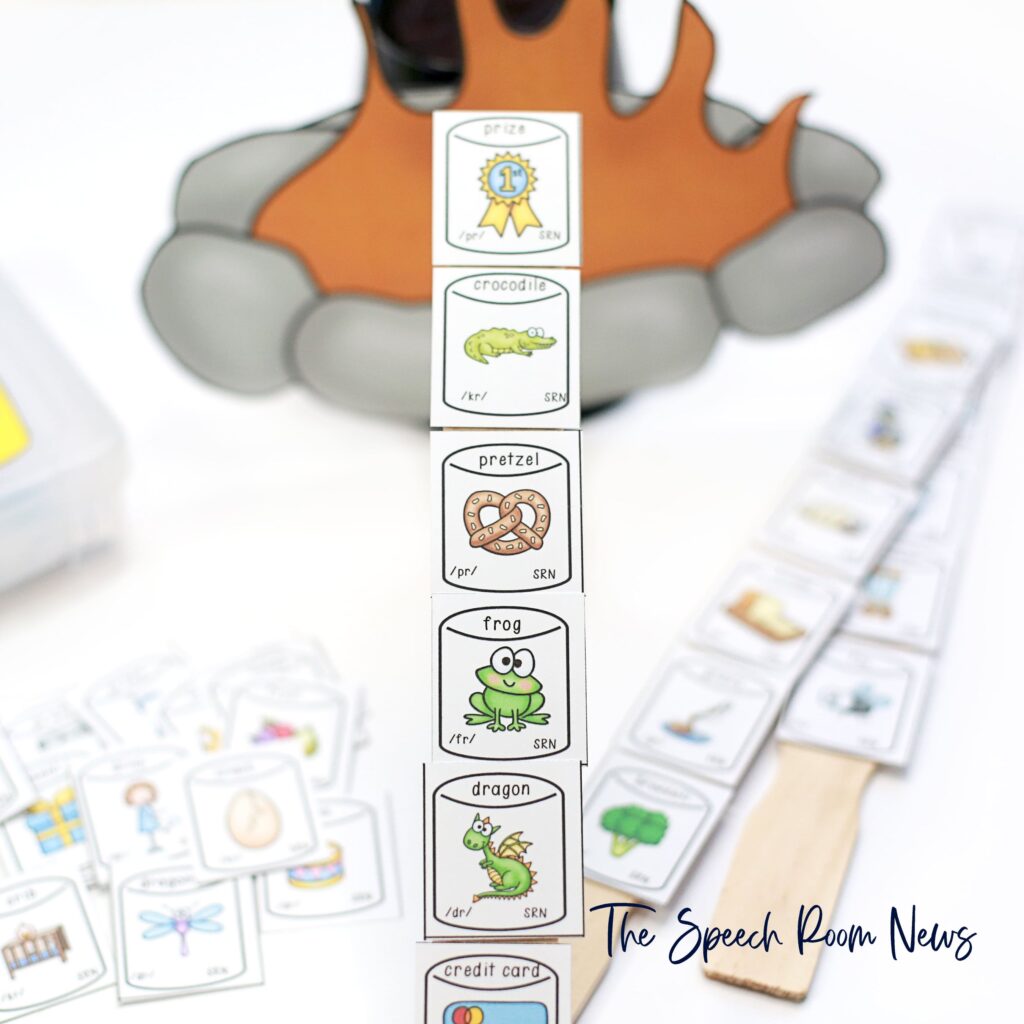
3. Employing a Narrative Language Approach
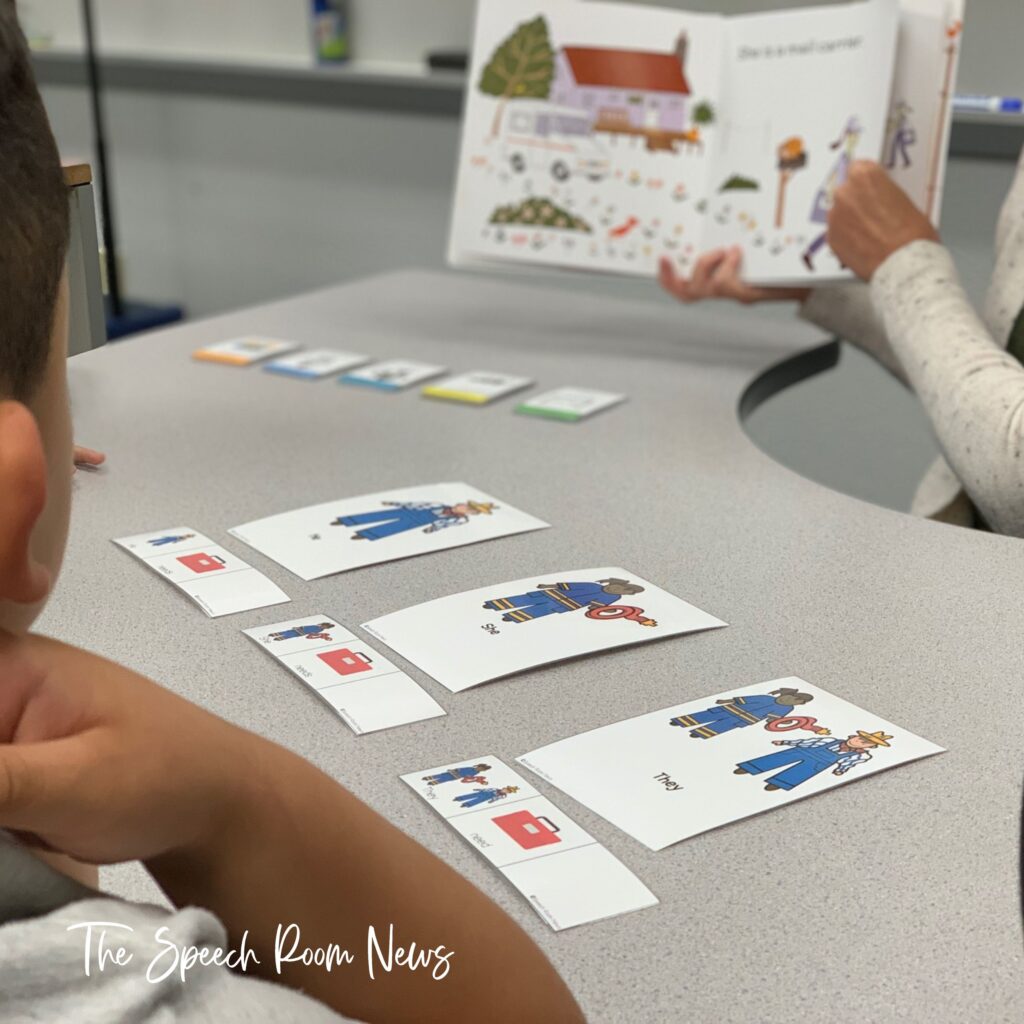
While sharing similarities with literacy-based therapy, the narrative language approach distinctively focuses on teaching storytelling skills alongside other speech and language objectives. This method emphasizes the structure and components of narratives, recognizing their critical role in academic achievement and social interaction.
In a narrative language intervention model, SLPs typically present multiple, thematically similar stories over a period, often one per session. The core focus then shifts to story retell and story generation tasks. This involves explicit instruction in story grammar (e.g., characters, setting, initiating event, internal response, plan, attempt, consequence, resolution) and a greater emphasis on developing complex syntax and robust vocabulary.
The primary benefit of this approach is its dual focus: directly addressing narrative language skills, which are fundamental for classroom participation, reading comprehension, and written expression, in addition to the specific speech and language goals outlined in a student’s IEP. By fostering strong narrative abilities, SLPs can significantly impact a student’s overall curriculum success. For example, using visual story grammar icons can help students organize their thoughts for retelling or creating new stories, simultaneously working on sequence, vocabulary, and sentence complexity. This approach inherently promotes generalization, as narrative skills are applicable across all academic subjects and social contexts.
4. Utilizing a Single Therapy Toy or Game for Diverse Goals
This strategy stands out for its minimal planning and preparation requirements, making it a favorite among many SLPs. The premise is to select one versatile toy or game and adapt its use to target a wide array of speech and language goals across different students in a mixed group. This approach thrives on creativity and flexibility, often requiring only a few supplementary materials.
-
Candyland: This classic board game is a prime example. Beyond its basic gameplay, Candyland can be transformed into a dynamic therapy tool. Custom cards can be created to target:
- Articulation: Students practice target words before moving their game piece.
- Language: Describing game board elements, answering "wh-" questions, using prepositions (e.g., "move to the gingerbread house"), or generating sentences.
- Social Skills: Turn-taking, expressing frustration appropriately, commenting on other players’ moves.
- Fluency: Practicing smooth speech while stating the color of the card drawn.
Such adaptable materials, often available as bundled sets, further reduce prep time and offer a structured yet flexible framework.
-
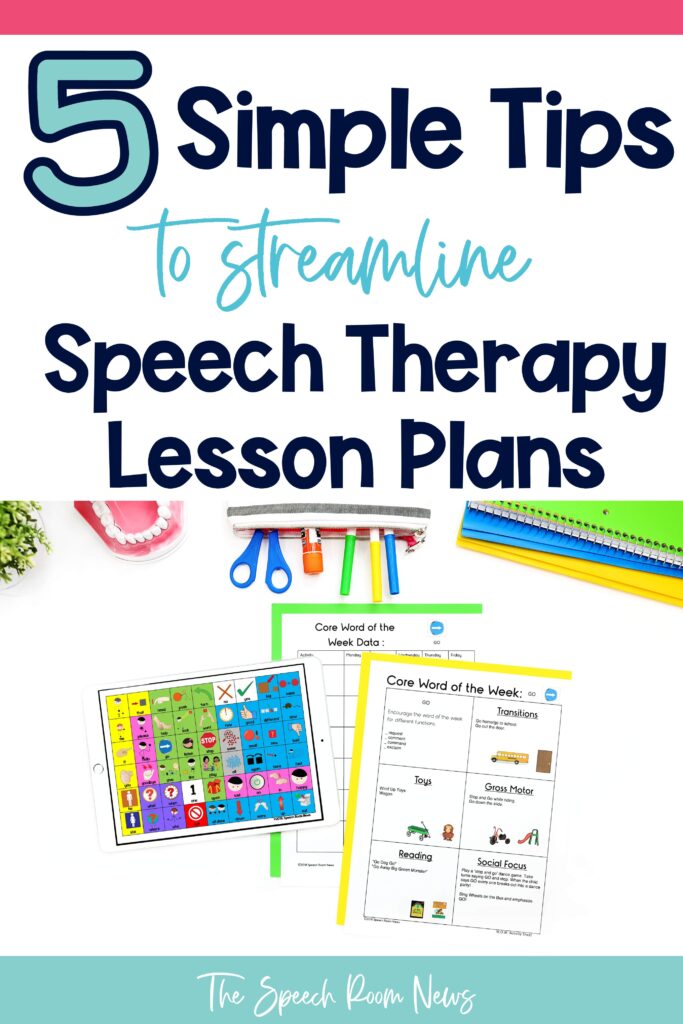
Play-Doh: A universally loved material, Play-Doh is excellent for tactile engagement and can be integrated into "no-prep" progress monitoring activities. Using "Dough and Data Sets," SLPs can print data mats where students create shapes or objects with Play-Doh, simultaneously practicing target skills. This allows for naturalistic data collection during play. The tactile nature of Play-Doh also makes it accessible for students with fine motor challenges, as shapes can be formed from simple rolls.
-
Mini Objects: These small, tangible items are incredibly versatile. Their appeal lies in their portability, ability to engage multiple senses, and suitability for various activities:
- Vocabulary: Naming objects, categorizing, describing attributes.
- Articulation: Practicing target sounds with objects that contain them.
- Language: Following directions (e.g., "Put the car under the table"), creating sentences about objects, telling stories using a collection of objects.
- Social Skills: Sharing objects, taking turns, requesting specific items.
Mini objects can be paired with sensory bins, play scenes, or simple games to maintain high levels of student motivation and engagement.
-
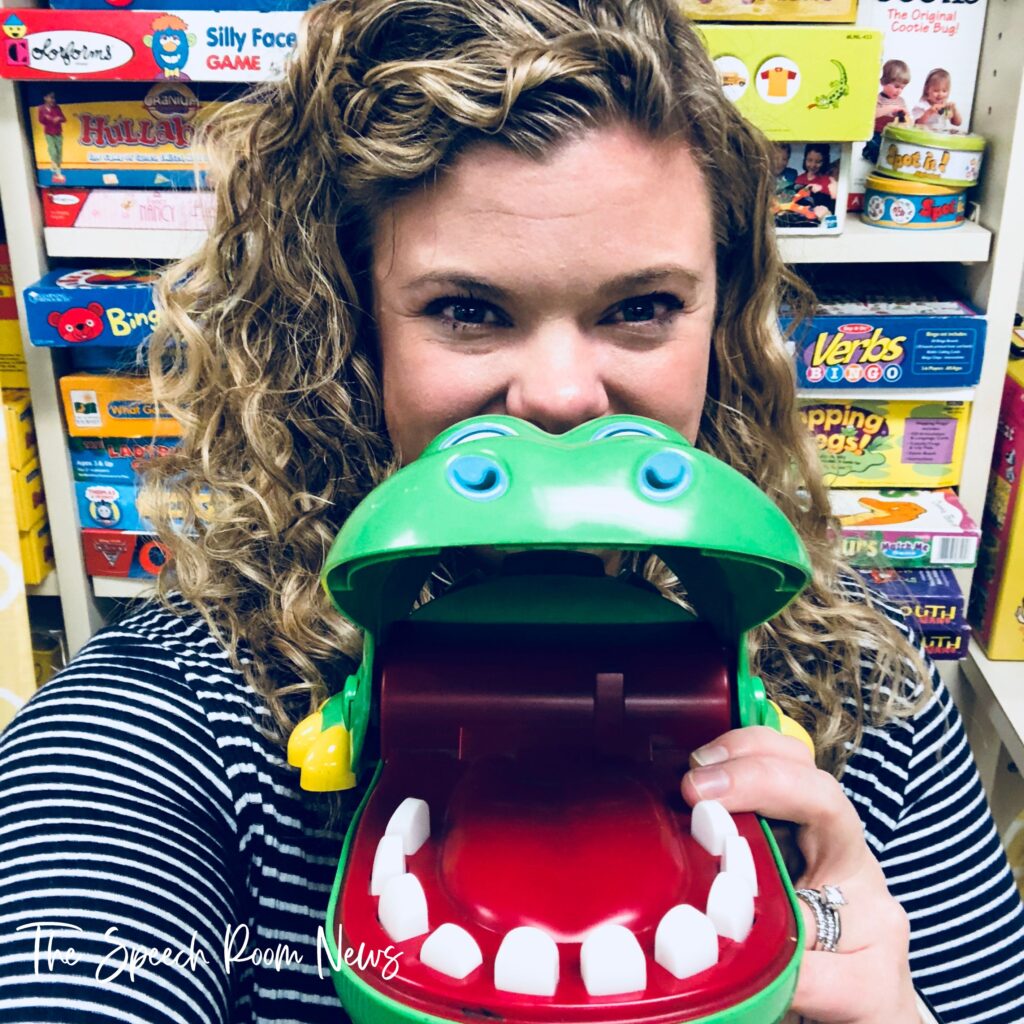
Pretend Play Toys: Toys like a "Chomping Crocodile Dentist" or a "Melissa and Doug Ice Cream Shop" facilitate imaginative play, which is rich in communication opportunities.
- Crocodile Dentist: Can be used for thematic units (e.g., dental health). Students can practice articulation words related to teeth, discuss body parts, or follow directions. Paired with themed bingo or articulation activities, it creates a comprehensive session.
- Ice Cream Shop: Excellent for vocabulary development (flavors, toppings, utensils), verb usage (scoop, eat, serve), prepositions (on top of, next to), and sentence expansion (e.g., "I want chocolate ice cream with sprinkles"). It’s particularly useful for preschool evaluations to gauge vocabulary and conversational skills. Engaging with picture books about ice cream (e.g., "Should I Share My Ice Cream?" by Mo Willems) further enriches the experience.
The power of a single toy or game lies in its ability to create a fun, interactive context where communication naturally occurs, allowing SLPs to weave in diverse therapeutic targets seamlessly.
5. Structuring AAC Core Word Instruction
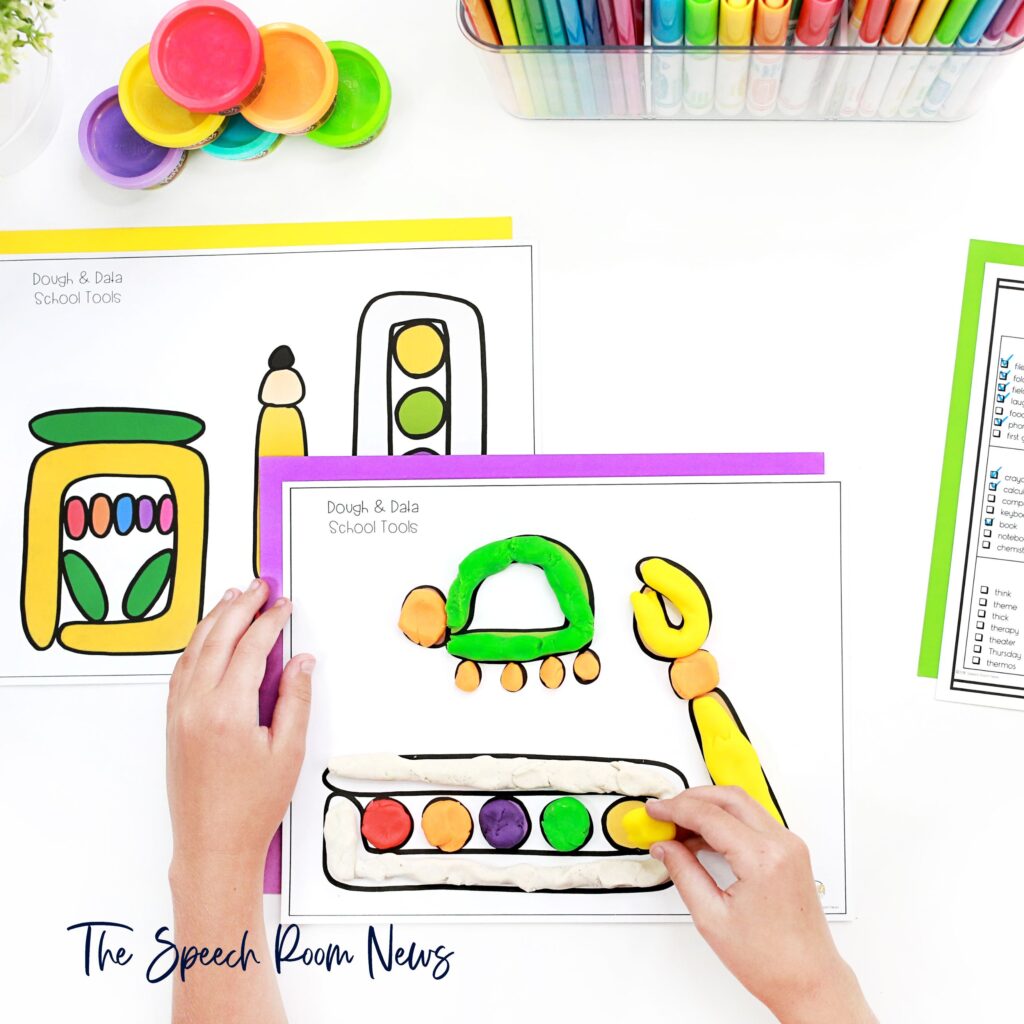
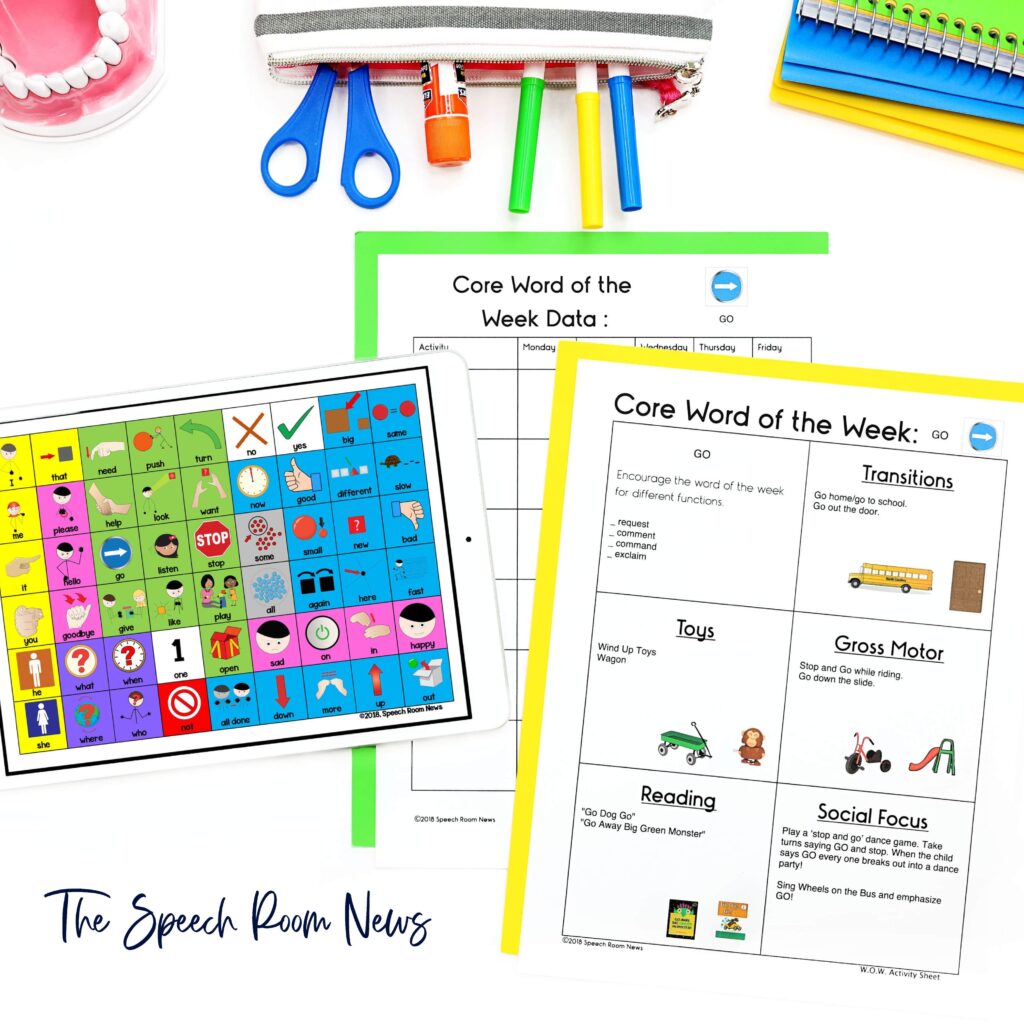
For students who use Augmentative and Alternative Communication (AAC), a structured "Core Word of the Week" (WOW) approach is paramount for effective planning and consistent skill development. Core words are high-frequency words that constitute a significant portion of daily communication (ee.g., "go," "want," "more," "stop," "in," "out").
The AAC Core Word of the Week framework provides a robust structure for planning, minimizing prep time while maximizing instructional consistency. It typically offers a month’s worth of instruction, focusing on 3-4 core words at a time. Key benefits include:
- Consistency Across Environments: The WOW approach ensures that all members of a student’s IEP team (SLP, teachers, paraprofessionals, parents) are aware of and consistently modeling and targeting the same core words. This promotes generalization of AAC skills across the school day and home environment.
- Structured Routine: A predictable routine for introducing and practicing core words benefits students and staff alike, making it easier to integrate AAC instruction into daily activities.
- Comprehensive Resources: Many WOW programs come with pre-made materials such as visual aids for doors and rooms, parent letters to foster home-school collaboration, and activity ideas tailored to each core word.
- Empowering Communication: By systematically teaching core words, SLPs equip AAC users with the foundational vocabulary needed to express a wide range of communicative functions, fostering independence and participation.
Examples of targeted core words often include functional verbs, common prepositions, and high-frequency adjectives, essential for building robust communication systems. The systematic nature of this planning significantly reduces the burden on SLPs while providing a consistent, evidence-based approach to AAC intervention.
Bonus Tip: Cultivating a "Grab and Go" Material Library
Beyond strategic planning frameworks, maintaining a readily accessible collection of "Grab and Go" materials is an invaluable practice for any SLP. These pre-prepped, versatile resources serve as critical backups and efficiency boosters for various scenarios. They are perfect for:
- Filler Activities: When a session ends early, or an unexpected gap arises.
- Unforeseen Circumstances: Days when planning time is nonexistent due to meetings, emergencies, or illness.
- Substitute SLP Coverage: Ensuring that a substitute has immediate access to functional and engaging materials, maintaining continuity of services.
Essential "Grab and Go" materials typically include:
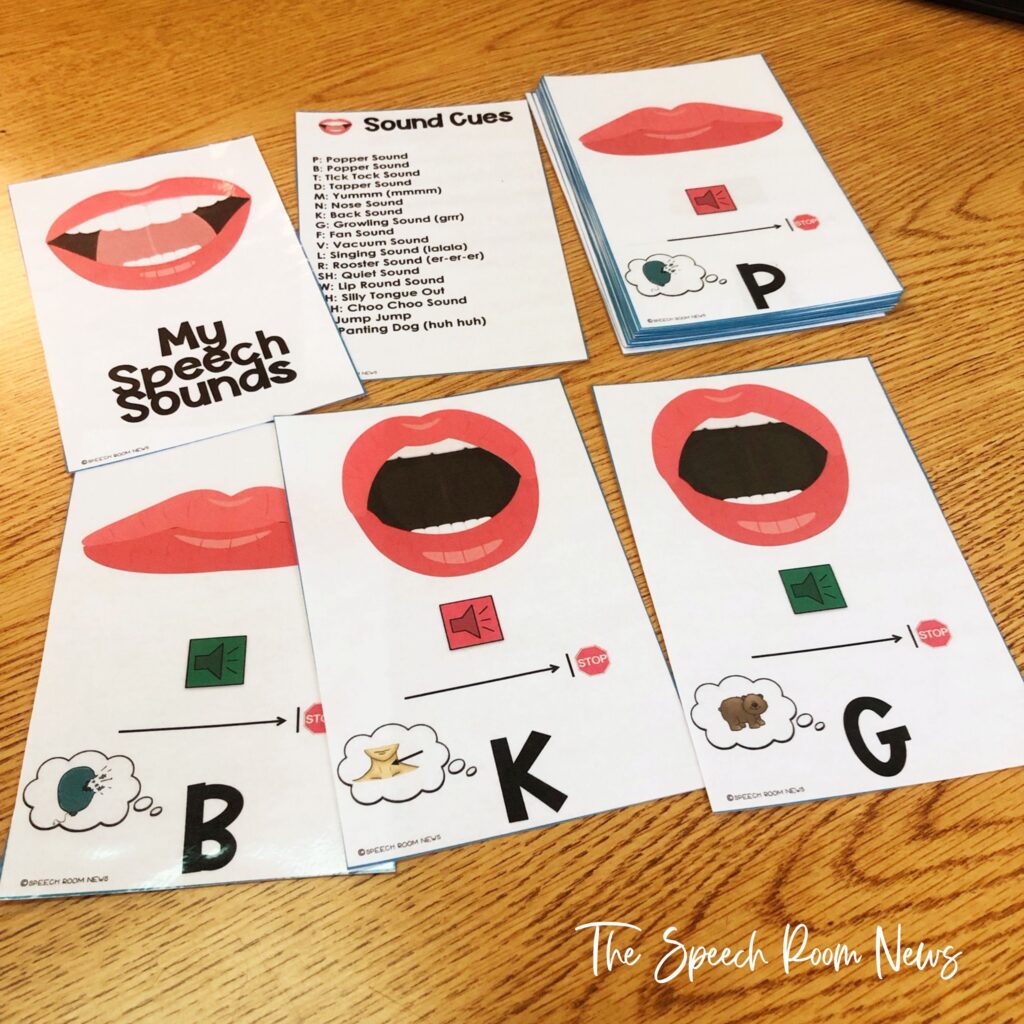
- Speech Helpers: Visuals and mini-books illustrating speech anatomy and articulatory placements.
- Behavior Supports: Visual schedules, first/then boards, token boards, and communication boards for managing behavior and supporting transitions.
- Articulation Cards: Comprehensive sets of cards targeting various speech sounds at different levels (word, phrase, sentence), often with visual cues.
- Speech Sound Articulation Posters: Visual references for students to see articulatory placements.
- Print & Go Articulation and Phonology Home Packets: Ready-to-send resources for home practice, facilitating carryover.
These materials, often laminated and organized, represent an investment in long-term efficiency, significantly reducing stress and ensuring that SLPs are always prepared to deliver effective intervention, regardless of daily challenges.
Broader Implications and Impact
The adoption of these streamlined lesson planning strategies yields multifaceted benefits across the educational ecosystem.
- For Speech-Language Pathologists: Reduced planning time translates directly into improved work-life balance, decreased professional burnout, and more time for direct student interaction, individualized data analysis, and professional development. This contributes to higher job satisfaction and retention rates within the profession, a critical concern for many school districts facing SLP shortages.
- For Students: Students benefit from more consistent, engaging, and curriculum-relevant therapy sessions. The emphasis on integrated approaches, such as literacy-based and narrative language interventions, facilitates better generalization of communication skills to academic and social contexts, ultimately improving their overall educational outcomes and participation.
- For Schools and Districts: These strategies promote a more efficient allocation of resources. By maximizing SLP productivity and reducing the need for constant material creation, districts can ensure that therapeutic services are delivered with optimal effectiveness. Furthermore, improved SLP retention fosters stability within student support teams and enhances interdisciplinary collaboration with teachers and other specialists.
Leading professional organizations, such as the American Speech-Language-Hearing Association (ASHA), consistently advocate for evidence-based practices that prioritize both clinician efficiency and student-centered outcomes. The methods outlined here align with these professional standards, offering practical pathways for school-based SLPs to excel in their demanding roles.
In conclusion, the evolution of speech therapy lesson planning from individual, labor-intensive preparation to integrated, thematic, and resource-efficient models is an imperative for modern school settings. By embracing strategies such as theme-based therapy, literacy-based intervention, narrative language approaches, versatile toy utilization, and structured AAC instruction, complemented by a robust "Grab and Go" material library, SLPs can transform their planning process. This shift enables them to work smarter, dedicate more time to direct student support, and ultimately enhance the quality and impact of speech and language services for all students.
