

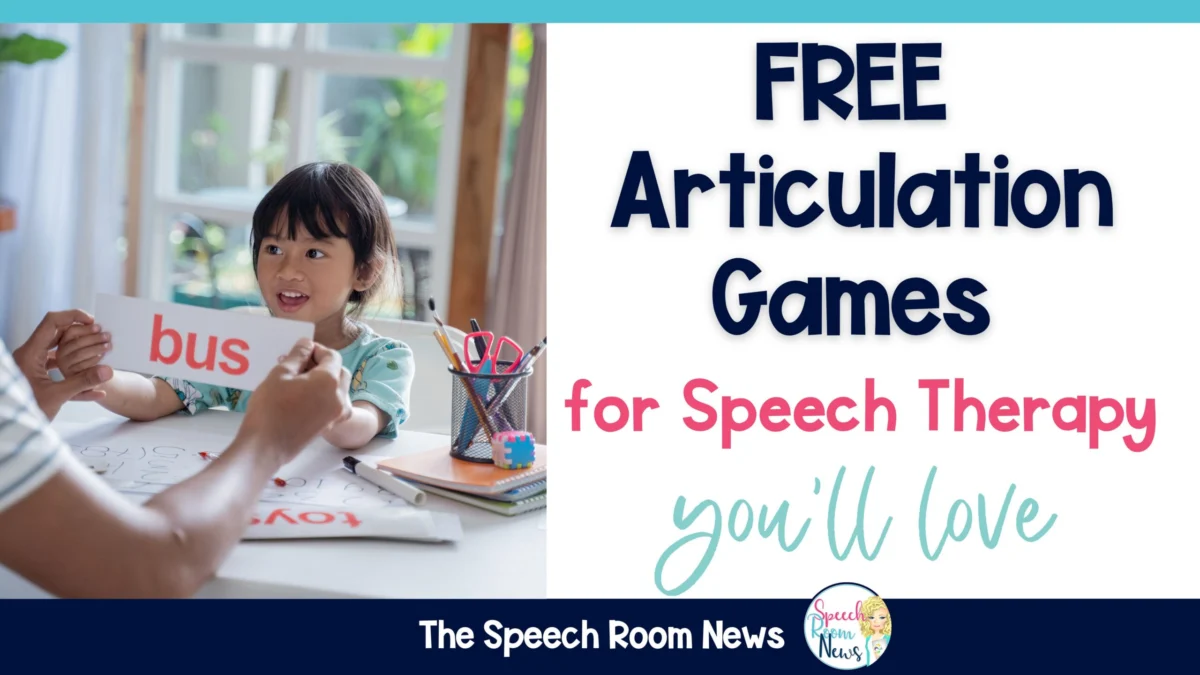
The integration of play-based methodologies into speech therapy sessions has demonstrably enhanced student engagement and retention, providing a dynamic avenue for the generalization of crucial language skills into daily life. As Speech-Language Pathologists (SLPs) and educators continually seek innovative and accessible tools, a burgeoning landscape of free articulation games has emerged, addressing the critical need for effective, enjoyable, and cost-efficient interventions across virtual, in-person, and hybrid therapeutic environments. These resources, ranging from interactive online platforms to printable materials and no-prep activities, are fundamentally reshaping how speech sound disorders (SSDs) are addressed, making therapy more accessible and impactful for a diverse student population.
The Foundational Role of Play in Speech-Language Pathology
Speech sound disorders affect a significant portion of the pediatric population, with estimates suggesting that between 2% and 25% of children experience some form of speech difficulty, often requiring intervention. Early and consistent therapy is paramount for mitigating long-term impacts on literacy, academic performance, and social-emotional development. Historically, speech therapy often relied on repetitive drill-and-practice methods, which, while effective, could struggle with student motivation and the generalization of skills outside the clinical setting. The shift towards play-based therapy, a cornerstone of contemporary pediatric speech-language pathology, acknowledges that children learn most effectively when engaged and intrinsically motivated. Play provides a natural, low-pressure environment for practicing target sounds, mimicking real-world communication scenarios, and fostering spontaneous speech production. This approach is supported by extensive research in developmental psychology and education, highlighting play’s role in cognitive flexibility, problem-solving, and social interaction, all of which are critical for robust language development.

A New Era of Accessibility: The Rise of Digital and Printable Freebies
The advent of widespread internet access and mobile technology, coupled with the collaborative spirit of educational communities, has ushered in an unprecedented era of free, high-quality articulation resources. This development is particularly timely given the challenges posed by varying caseload sizes, budget constraints within schools and private practices, and the increasing demand for telepractice options. These readily available tools not only alleviate financial burdens on therapists and families but also empower parents and caregivers to actively participate in their child’s therapy journey, reinforcing learning at home.
Interactive Online Platforms: Engaging Minds Through Digital Play
Online interactive games have proven to be a game-changer for students’ articulation skills, transforming what can often be perceived as tedious practice into an enjoyable experience. These platforms offer immediate feedback, captivating visuals, and a level of interactivity that keeps learners immersed.

- ABCya’s "Alphabet BINGO": Tailored for younger students, this classic game format helps reinforce letter sounds, a foundational element of articulation. Its intuitive design and familiar Bingo mechanics make it an excellent entry point for developing phonological awareness. The platform’s widespread use in early childhood education lends it credibility and familiarity for many families.
- Articulation Station App (Lite Version): Mobile applications have democratized access to specialized therapy tools. The free, "Lite" version of Articulation Station, available for download on various devices, provides a robust introduction to articulation practice with multiple sound options and interactive exercises. Its portability means practice can occur anywhere, from a waiting room to a car ride, enhancing the flexibility of therapy schedules.
- Language Playroom: This dedicated website is a testament to the power of community-driven resources, offering a continually expanding library of free online games specifically targeting articulation. The commitment to broadening its collection to include fluency, language, and social communication activities reflects a holistic approach to speech and language development, making it a valuable hub for SLPs.
- Phoneme Pop: Gamified learning, as exemplified by "Phoneme Pop," transforms discrete sound practice into an engaging activity. Children "pop bubbles" containing words with their target sounds, providing a multi-sensory experience that combines auditory discrimination with visual engagement and motor action.
- Boom Cards: These interactive, self-grading digital task cards have revolutionized remote and in-person therapy. Platforms like Teachers Pay Teachers and Boom Learning host a vast ecosystem of free Boom Card decks, covering an extensive range of articulation sounds and linguistic levels. Their versatility allows SLPs to customize activities, track progress, and provide immediate reinforcement, making them an indispensable tool in the modern therapy toolkit. The ability for therapists to find and share free decks also fosters a collaborative professional environment.
The shift towards digital resources has been particularly pronounced since the global pivot to remote learning, highlighting the adaptability and necessity of these tools. Data from educational technology reports indicate a sustained increase in the adoption of digital learning platforms, underscoring their integral role in contemporary pedagogy, including specialized therapies.
Tangible Tools: The Enduring Value of Printable Games for Hands-On Practice
While digital resources offer undeniable advantages, printable games retain a critical role, especially for learners who benefit from tactile engagement, for sessions where screen time is limited, or for home practice without constant internet access. These resources offer a hands-on experience that can be equally engaging and highly effective.
- Whack-a-Sound /S/ Self-Checking Articulation Freebie: Designed for preschool through second grade, this game provides an engaging method for children to identify the position (initial, medial, or final) of a target sound within a word. The "self-checking" aspect promotes independent learning and reinforces auditory discrimination skills.
- Articulation Worksheets from Super Duper Publications: A well-established name in speech-language pathology resources, Super Duper Publications offers a selection of free printable worksheets. These foundational materials can be adapted for various activities, from coloring and matching to cut-and-paste exercises, making them versatile for different age groups and skill levels.
- Hot Chocolate Articulation Board Game: Seasonal and thematic games, such as this winter-themed board game, capitalize on children’s interests to boost motivation. The flexibility to pair the game with target word flashcards allows SLPs to customize the articulation focus, transforming a simple game into a highly effective therapeutic tool. The act of rolling a dice and moving spaces adds an element of chance and excitement.
- 100 Trial Challenges by Peachie Speechie: High-repetition practice is crucial for articulation remediation. These "100 Trial Challenges" sheets, often themed around holidays or specific interests, make the often-monotonous task of repeating target words engaging. By incorporating a counting or tracking element, they provide a clear visual representation of progress and encourage sustained effort.
- Color & Play Ocean Articulation Bingo: Bingo is a perennial favorite for group therapy sessions, fostering turn-taking, listening skills, and target word practice in a fun, competitive context. Printable bingo cards with target words, like the "Ocean Articulation Bingo," are easy to prepare and can be used repeatedly, offering excellent value.
These printable resources often serve as valuable homework assignments, facilitating generalization by enabling parents to continue practice in a structured yet playful manner outside of therapy sessions. This parent-therapist collaboration is a key predictor of successful therapeutic outcomes.

Everyday Opportunities: Material-Free Articulation Games for On-the-Go Practice
Articulation practice need not be confined to a therapy room or even require physical materials. Integrating therapy into daily routines, particularly during transitional moments like car rides, maximizes opportunities for generalization and makes practice feel less like "work." These no-prep games harness everyday environments for therapeutic benefit.
- I Spy (Modified for Articulation): This classic observational game can be cleverly adapted to target specific sounds. Instead of "I spy with my little eye something blue," an SLP or parent can prompt, "I spy with my little eye something that starts with the /s/ sound." This modification sharpens auditory discrimination and encourages the production of target sounds in a natural context.
- 20 Questions: This deductive reasoning game naturally encourages children to ask questions and use descriptive language. By setting a rule that all questions or answers must contain a specific target sound, the game becomes an excellent vehicle for practicing articulation within a conversational framework, moving beyond isolated word production.
- Rhyme Time: Focusing on phonological awareness, "Rhyme Time" involves taking turns saying words that rhyme with a target word. This activity not only hones auditory perception but also provides repeated opportunities to articulate the common sound patterns within rhyming words.
- The Alphabet Game: Progressing through the alphabet by naming objects or words starting with each letter is a versatile game. It can be tailored for articulation by focusing on the initial sound of each word, ensuring correct production as the child moves through the sequence. This also strengthens letter-sound correspondence, a vital pre-literacy skill.
The beauty of these material-free games lies in their universal accessibility. They require no prior preparation, no special equipment, and can be played spontaneously, making them ideal for busy families and for reinforcing articulation skills in real-time communication.
Broader Impact and Implications: A Transformative Shift in Therapy Delivery

The proliferation of free articulation games carries significant implications for the field of speech-language pathology, education, and public health.
- Enhanced Accessibility and Equity: Free resources significantly lower the barrier to entry for therapy support, particularly for families in underserved communities, those with limited financial resources, or individuals in remote areas with restricted access to specialized clinics. This democratizes access to vital developmental support, working towards greater equity in educational and health outcomes.
- Empowering Parental Involvement: These resources empower parents and caregivers to become active participants in their child’s therapy. By providing concrete, engaging tools and strategies, they can confidently reinforce target sounds at home, bridging the gap between therapy sessions and daily life. This collaborative model is known to accelerate progress and improve the generalization of skills.
- Optimizing SLP Resources: For Speech-Language Pathologists, free games represent invaluable time-savers. Instead of dedicating hours to creating materials, SLPs can leverage these ready-made resources, allowing them to allocate more time to individualized assessment, treatment planning, and direct intervention. This efficiency is critical given the often-high caseloads faced by many professionals.
- Fostering Skill Generalization: The diverse formats of these games—online, printable, and material-free—facilitate the practice of articulation skills in a multitude of contexts. This varied exposure is crucial for generalization, ensuring that children can produce their target sounds accurately not just in the therapy room, but across different environments and communicative partners.
- Positive Educational Outcomes: Effective articulation therapy contributes directly to improved literacy skills, as strong phonological awareness and clear speech are foundational for reading and writing. Children who can articulate clearly are also more likely to participate confidently in classroom discussions, leading to better academic engagement and social integration.
- Economic Considerations: The collective availability of free resources represents substantial cost savings for school districts, private clinics, and individual families. This allows budgets to be allocated to other critical areas, such as advanced training for SLPs, diagnostic tools, or other specialized programs.
While the benefits are extensive, it is important to note that these free resources are best utilized under the guidance of a qualified Speech-Language Pathologist. An SLP can properly assess a child’s needs, determine appropriate target sounds, and integrate these games into a comprehensive, individualized treatment plan. The quality and appropriateness of free online resources can vary, underscoring the professional’s role in curation and selection.
In conclusion, the current landscape of free articulation games for speech therapy signifies a remarkable advancement in the field. By embracing the power of play and leveraging both digital innovation and traditional hands-on methods, these resources are making speech therapy more engaging, accessible, and ultimately, more effective. They underscore a collaborative spirit within the educational and therapeutic communities, continuously striving to provide every child with the tools necessary for clear, confident communication. The ongoing development and sharing of such resources promise a future where foundational speech skills are within reach for all who need them, transforming lives one sound at a time.
