


Curriculum Night, a cornerstone event in the academic calendar, presents a critical opportunity for Speech-Language Pathologists (SLPs) to transcend traditional boundaries, fostering deeper connections with parents and illuminating the vital role of speech and language therapy within the educational ecosystem. Far from being a mere formality, this evening serves as a strategic platform for SLPs to showcase their specialized work, demystify complex therapeutic processes, and forge collaborative partnerships essential for student success. The effective engagement of parents during these events directly correlates with improved student outcomes, making strategic planning and execution paramount for SLPs.
Understanding the Evolution and Purpose of Curriculum Night
Historically, Curriculum Night, often known as Open House or Back-to-School Night, emerged as a forum for general education teachers to introduce themselves, outline classroom expectations, and present the academic curriculum for the upcoming year. Over time, as educational philosophies shifted towards more holistic and inclusive models, the scope of these evenings expanded to include specialists, particularly those in special education. This evolution reflects a broader understanding that a child’s educational journey is multifaceted, encompassing not only academic learning but also social-emotional, behavioral, and communication development.
For parents, Curriculum Night is a fundamental event designed to immerse them in their child’s learning environment. It allows them to meet educators, understand instructional approaches, and gain insights into the support systems available within the school. This direct engagement is crucial for parents to feel informed, involved, and empowered to support their child’s education at home. From an administrative perspective, a well-organized Curriculum Night reinforces the school’s commitment to transparency, community engagement, and a collaborative approach to student welfare.

In many progressive districts, special education programs, particularly at the preschool level, have innovated the traditional model by offering breakout sessions tailored to specific areas of interest. For instance, a district might offer concurrent presentations on topics such as communication development, play-based learning strategies, behavior management techniques, sensory integration, home routines, or fine motor skill development. This customized approach allows parents to select topics most relevant to their child’s needs and their personal areas of concern, thereby maximizing the utility and impact of the event. Such structured engagement has consistently proven to be a highly successful model for enhancing communication and collaboration between families and school professionals.
The Indispensable Role of Speech-Language Pathologists
Speech-Language Pathologists are integral members of the educational team, addressing a wide spectrum of communication and swallowing disorders that can significantly impact a student’s academic progress, social interactions, and overall well-being. According to the National Institute on Deafness and Other Communication Disorders (NIDCD), approximately 1 in 12 children aged 3-17 in the United States has had a disorder of voice, speech, language, or swallowing in the past 12 months. This statistic underscores the pervasive need for specialized speech-language services within schools.
For SLPs, Curriculum Night is not merely an opportunity to introduce themselves but to advocate for the profound importance of communication skills. It’s a chance to explain how speech and language therapy directly supports the general education curriculum, facilitates social integration, and empowers students to access learning. Without effective communication, students with speech and language impairments often struggle with reading comprehension, written expression, classroom participation, and peer relationships, highlighting the critical link between communication and overall academic success.
Strategic Planning: Pre-Event Considerations for SLPs

The success of an SLP’s Curriculum Night presentation hinges on meticulous preparation and strategic topic selection. The goal is to engage the audience, address their most pressing concerns, and ensure they depart with a clear, actionable understanding of the SLP’s role and how they can contribute to their child’s progress.
1. Data-Driven Topic Selection:
Choosing the right topic is the foundational step. SLPs should consider what information would be most intriguing or alleviate the most common anxieties parents hold regarding their child’s speech and language development. This often involves reviewing past parent feedback, identifying prevalent concerns among current caseloads, or observing common developmental challenges within the school’s population.
Potential high-impact topics include:
- Understanding Communication Milestones: Providing clear, age-appropriate benchmarks for speech and language development can help parents identify areas where their child might need additional support. This empowers them to seek early intervention.
- Effective Home Practice Strategies: Offering practical, easy-to-implement activities that parents can integrate into daily routines can significantly reinforce therapeutic gains. This could range from specific articulation games to strategies for fostering narrative skills.
- Demystifying the Therapeutic Approach: Explaining the "how" and "why" behind therapy techniques, such as visual schedules, social stories, or specific articulation drills, can build parental confidence and understanding.
- Supporting Early Literacy Skills: Highlighting the critical link between oral language development and emergent literacy, providing parents with strategies to support reading readiness.
- Navigating the IEP Process: For parents new to special education, a primer on the Individualized Education Program (IEP) process, their rights, and how SLP goals fit into the broader plan can be invaluable.
- Augmentative and Alternative Communication (AAC) Basics: For students utilizing AAC, explaining the principles and practical applications of these tools for families can be transformative.
2. Collaborative Planning:
Effective SLP participation in Curriculum Night is often enhanced through collaboration with other school staff. Meeting with general education teachers can help identify common classroom communication challenges. Coordinating with other special education specialists (e.g., occupational therapists, school psychologists) allows for integrated presentations or ensures that topics are complementary rather than redundant. School administrators often welcome a comprehensive, team-based approach to parent engagement, and involving them in the planning process can secure necessary resources and support.
3. Resource Preparation:
Beyond the presentation itself, preparing supplementary resources is key. This includes designing informative handouts, gathering materials for "make and take" activities, and ensuring contact information is readily available. Visual aids, such as posters displaying communication milestones or examples of therapy materials, can also enhance the presentation’s impact.
Executing an Impactful Presentation: Key Principles
Once the planning is complete, the delivery of the presentation must adhere to principles that maximize parent comprehension and engagement.
1. Solving Real Problems Parents Face:
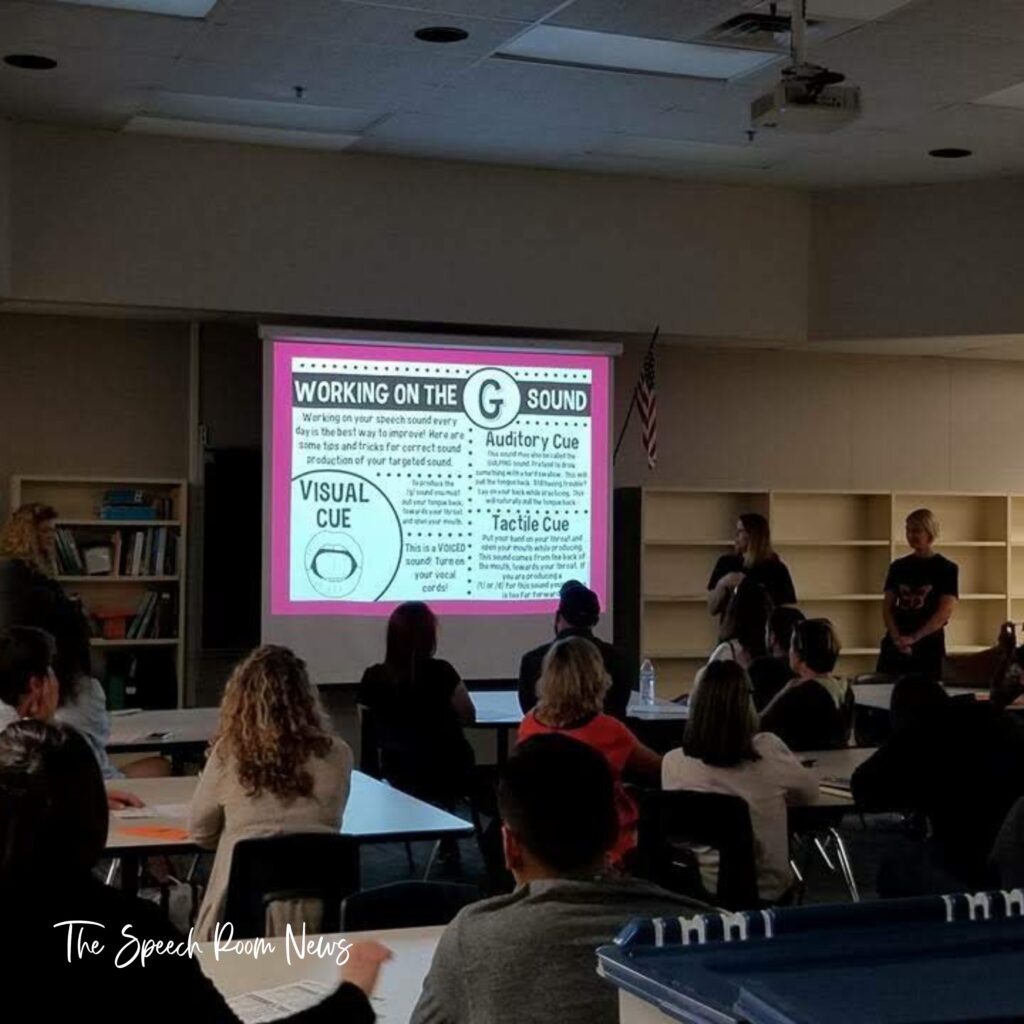
The most impactful presentations move beyond simply describing services to actively addressing parents’ tangible concerns and offering practical solutions. Parents often arrive at Curriculum Night seeking guidance on how to help their child overcome specific challenges, whether it’s difficulty expressing thoughts, struggling with certain sounds, or navigating social interactions. By focusing on real-world problems and providing actionable steps, SLPs demonstrate the direct, positive impact of speech-language therapy. This approach fosters trust and positions the SLP as a valuable partner in the child’s educational journey. For instance, instead of merely stating that therapy addresses articulation, an SLP might present "Three Easy Games to Practice ‘R’ Sounds at Home" or "How to Build Your Child’s Vocabulary During Everyday Routines." Parents want to leave feeling equipped with concrete strategies they can implement immediately, seeing the SLP not just as a therapist, but as a resource and guide.
2. Employing Parent-Friendly Language:
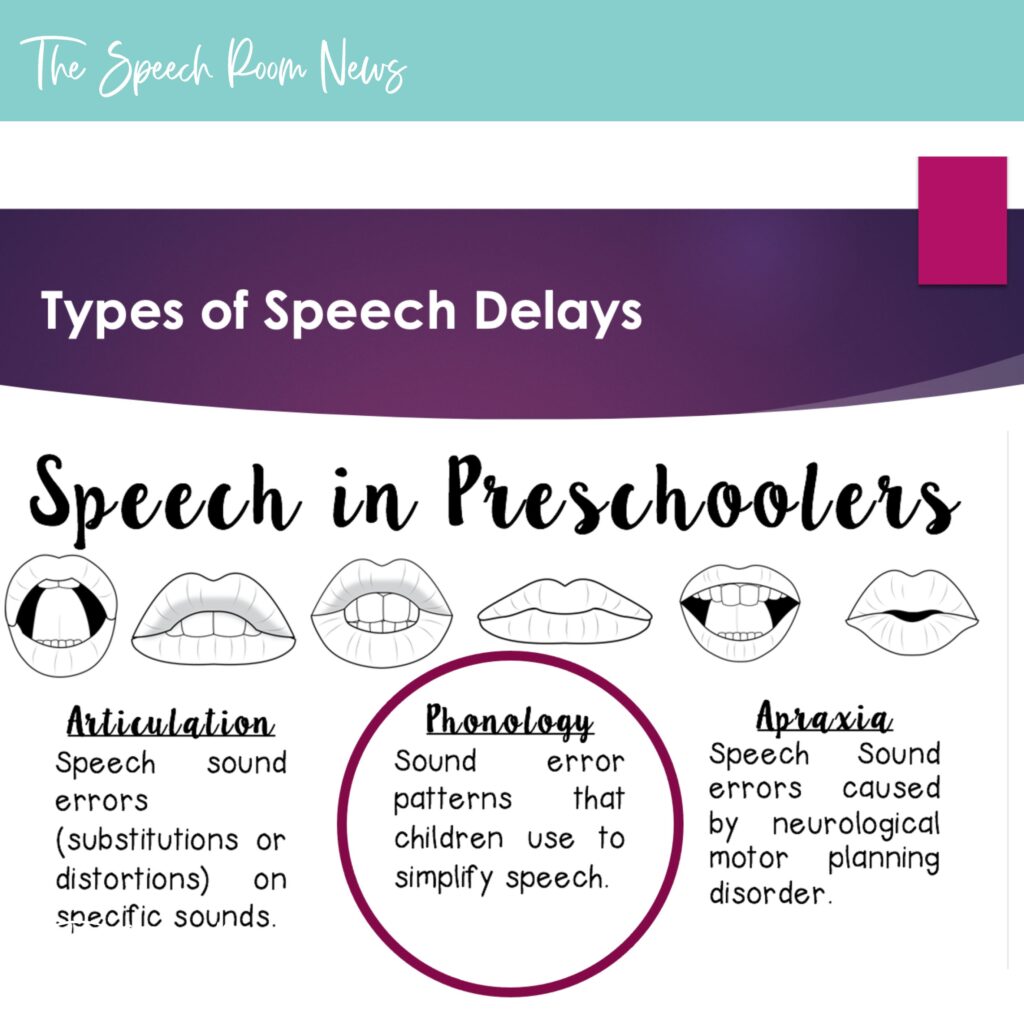
One of the most significant barriers to effective communication in special education is the pervasive use of jargon and acronyms. Terms like "IEP," "articulation disorder," "receptive language," or "pragmatics" are commonplace for professionals but can be bewildering for parents. As a professional, it is imperative to assume that parents may have little to no prior knowledge of speech and language pathology.
To ensure clarity, SLPs should strive to explain concepts as if addressing a highly intelligent fifth grader, simplifying complex ideas without being condescending. For example, instead of "The student exhibits deficits in expressive and receptive language leading to pragmatic difficulties," an SLP might say, "Your child struggles to understand what others are saying and to share their own thoughts, which can make it hard to make friends or understand social situations." Educational administrators increasingly advocate for clear, accessible communication from all school personnel, recognizing that it builds stronger home-school connections and empowers parents to be more effective advocates for their children. Eliminating abbreviations and using plain, straightforward language fosters a welcoming and understandable environment, significantly enhancing parent appreciation and comprehension.
3. Incorporating Interactive "Make and Take" Activities:
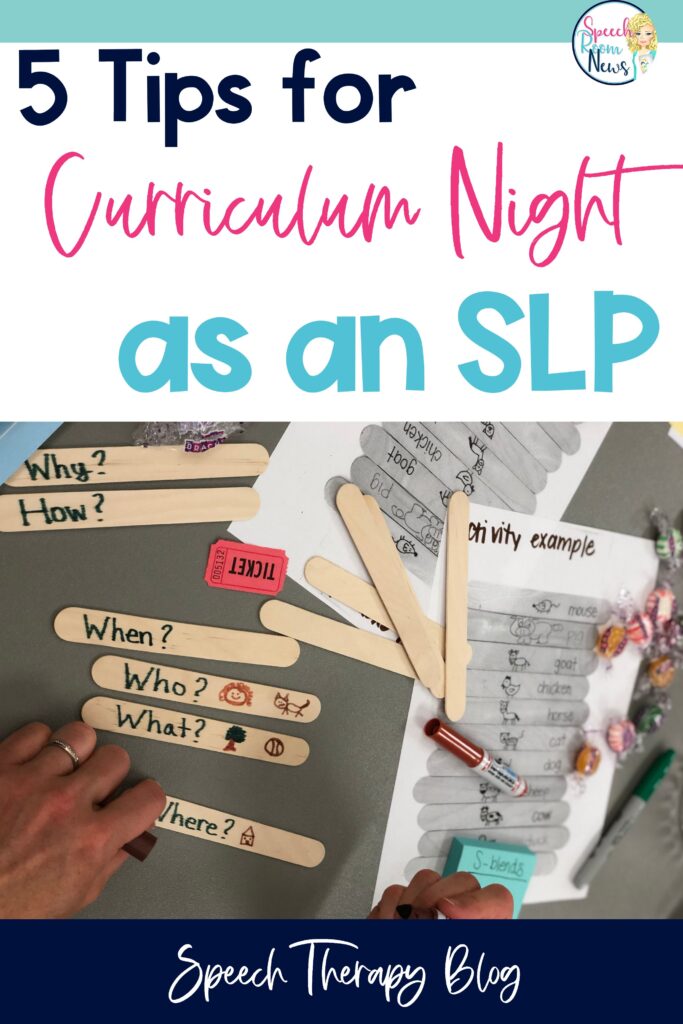
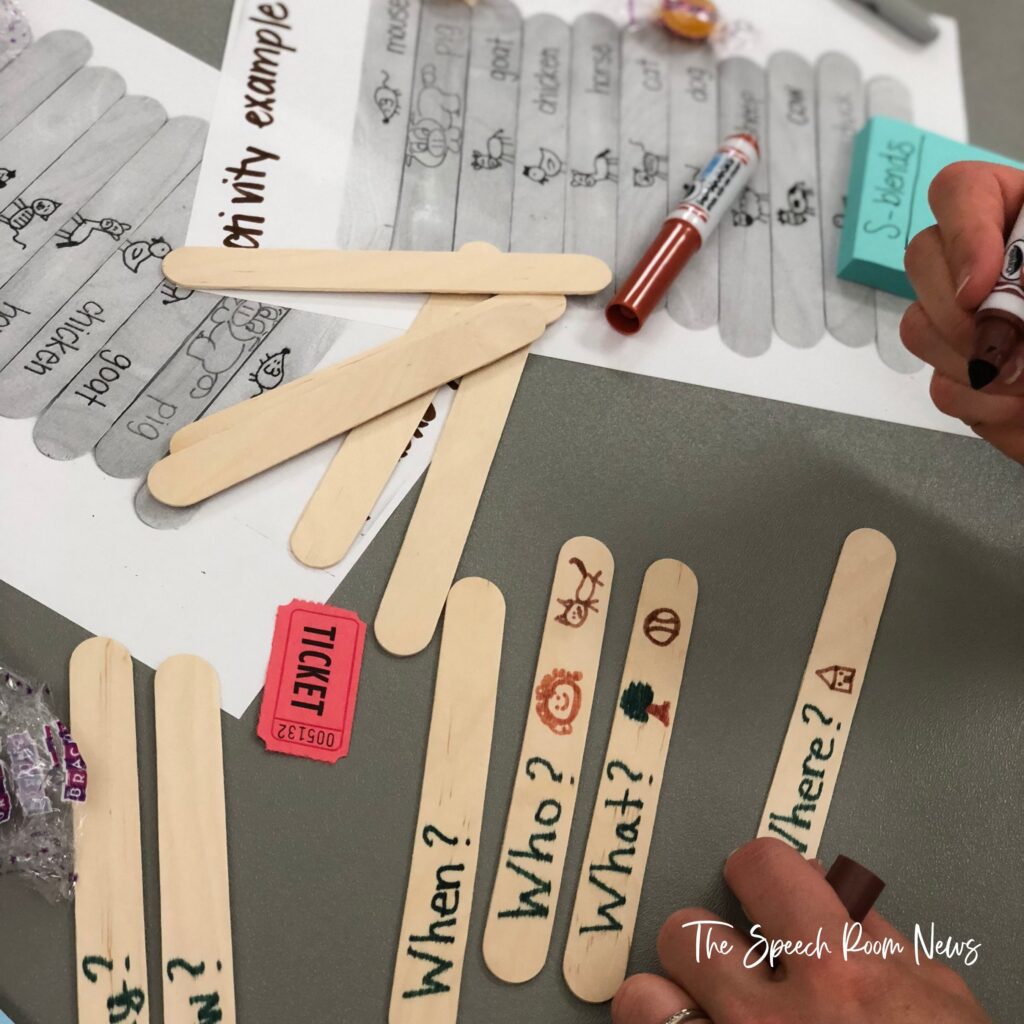
An interactive "Make and Take" activity transforms a passive presentation into an engaging, hands-on experience. This approach allows parents to actively participate in creating practical tools they can immediately use at home to support their child’s speech and language development. The tactile and creative nature of such activities not only enhances learning but also provides a memorable experience.
Examples of effective "Make and Take" activities include:
- Simple Communication Boards: For parents of non-verbal or minimally verbal children, creating a basic visual communication board with common requests or feelings.
- Sensory-Friendly Resources: Crafting tools like "calm-down jars" or visual schedules that support self-regulation and routine following.
- Personalized Practice Materials: Designing articulation flipbooks, "wh-question" sticks, or story sequencing cards tailored to common therapy goals.
- Vocabulary Builder Games: Creating simple card games or dice games to practice new words.
Parents consistently report higher satisfaction and a greater sense of empowerment when provided with tangible resources and direct engagement opportunities. This reinforces the importance of their active role in the therapeutic process and provides them with valuable, ready-to-use materials long after Curriculum Night concludes.
4. Providing Informative Handouts:
Complementing the presentation with well-designed, informative handouts is a simple yet powerful strategy to ensure parents leave with a lasting reference. In an environment where parents are often inundated with information from multiple teachers and specialists, a concise handout serves as a crucial memory aid.
These handouts should summarize key points discussed, reiterate actionable strategies, list recommended reading materials or online resources, and most importantly, include the SLP’s contact information. For enhanced accessibility, consider providing QR codes that link to digital versions of handouts, supplementary videos, or relevant websites. By providing this tangible resource, SLPs demonstrate a commitment to ongoing support, empowering parents to revisit information and confidently follow up with questions or concerns in the days and weeks following the event. These resources are invaluable for reinforcing learned concepts and promoting consistent home practice, which is critical for skill generalization.
Post-Curriculum Night: Sustaining Engagement and Building Partnerships
The impact of Curriculum Night extends beyond the evening itself. Strategic follow-up and ongoing engagement are essential for maximizing the benefits of initial parent connections.
1. Follow-up Strategies:
SLPs can gauge the effectiveness of their Curriculum Night participation through various means, such as informal feedback collected at the event, tracking increases in parent-initiated communications, or noting attendance at subsequent workshops. Proactive follow-up might include sending a brief email summary of the presentation to attendees or posting resources on a dedicated school or SLP webpage.
2. Building Long-Term Partnerships:
The ultimate goal is to cultivate a sustained, collaborative relationship with parents. Curriculum Night is the initial touchpoint, establishing a foundation of trust and open communication. SLPs should aim to maintain this connection throughout the academic year through regular updates, parent-teacher conferences, and invitations to observe therapy sessions where appropriate. This continuous dialogue ensures that parents remain informed, engaged, and actively involved in their child’s communication journey.
Broader Implications for Educational Outcomes
An SLP’s active and well-executed participation in Curriculum Night has far-reaching implications that extend beyond individual student progress.
1. Enhanced Student Progress and Therapy Outcomes:
When parents are well-informed and actively involved, they become powerful allies in the therapeutic process. Their ability to reinforce skills at home significantly increases the generalization of learned behaviors, leading to more rapid and sustainable progress towards IEP goals. Studies consistently show that high levels of parent engagement correlate with improved academic performance and social-emotional development across all student populations, particularly those receiving special education services.
2. Elevating the SLP’s Role and Professional Recognition:
By effectively communicating their expertise and the value of their services, SLPs elevate their professional profile within the school community. This advocacy helps school administrators, general education teachers, and other staff members better understand and appreciate the critical contributions of speech-language pathology. Such recognition can lead to greater resource allocation, more integrated service delivery models, and a stronger voice for SLPs in educational planning.
3. Strengthening Home-School Connections:
Curriculum Night acts as a bridge, strengthening the vital connection between home and school. When parents feel understood, supported, and empowered by school professionals, it fosters a positive school climate and a shared sense of responsibility for student success. This collaborative environment is fundamental to creating an inclusive and supportive educational experience for all children, particularly those with communication needs.
In conclusion, Curriculum Night is an invaluable opportunity for Speech-Language Pathologists to connect, educate, and empower parents. By strategically choosing relevant topics, communicating in accessible language, providing interactive experiences, and offering lasting resources, SLPs can transform this annual event into a cornerstone of effective parent engagement. The benefits—from enhanced student outcomes and improved professional recognition to strengthened home-school partnerships—underscore the profound importance of an SLP’s thoughtful and proactive presence at Curriculum Night, ultimately fostering a more supportive and communicative educational environment for every child.
