

The landscape of pediatric speech-language pathology is continually evolving, with a growing emphasis on dynamic, engaging, and play-based interventions. Among the tools gaining significant traction for their versatility and efficacy are magnetic tiles. These multi-faceted construction toys, initially popular in home and classroom settings, are now recognized by speech-language pathologists (SLPs) as powerful instruments for addressing a wide array of speech and language goals in young children, fostering communication skills through hands-on, interactive play.
Understanding the Role of Play in Speech-Language Development
Speech-language pathology aims to assess, diagnose, treat, and prevent communication and swallowing disorders. For young children, traditional drill-based therapy can often prove challenging, as maintaining engagement and motivation is paramount for effective learning and skill acquisition. This is where play-based therapy interventions have proven invaluable. Research consistently indicates that play is not merely recreation but a fundamental mechanism through which children learn about the world, develop social skills, regulate emotions, and practice language. Integrating play into therapy creates a naturalistic, low-pressure environment where children are more likely to participate actively, generalize skills, and show sustained progress. Magnetic tiles, with their open-ended nature and immediate tactile feedback, align perfectly with these pedagogical principles, offering a rich platform for therapeutic intervention.
The Appeal and Versatility of Magnetic Tiles
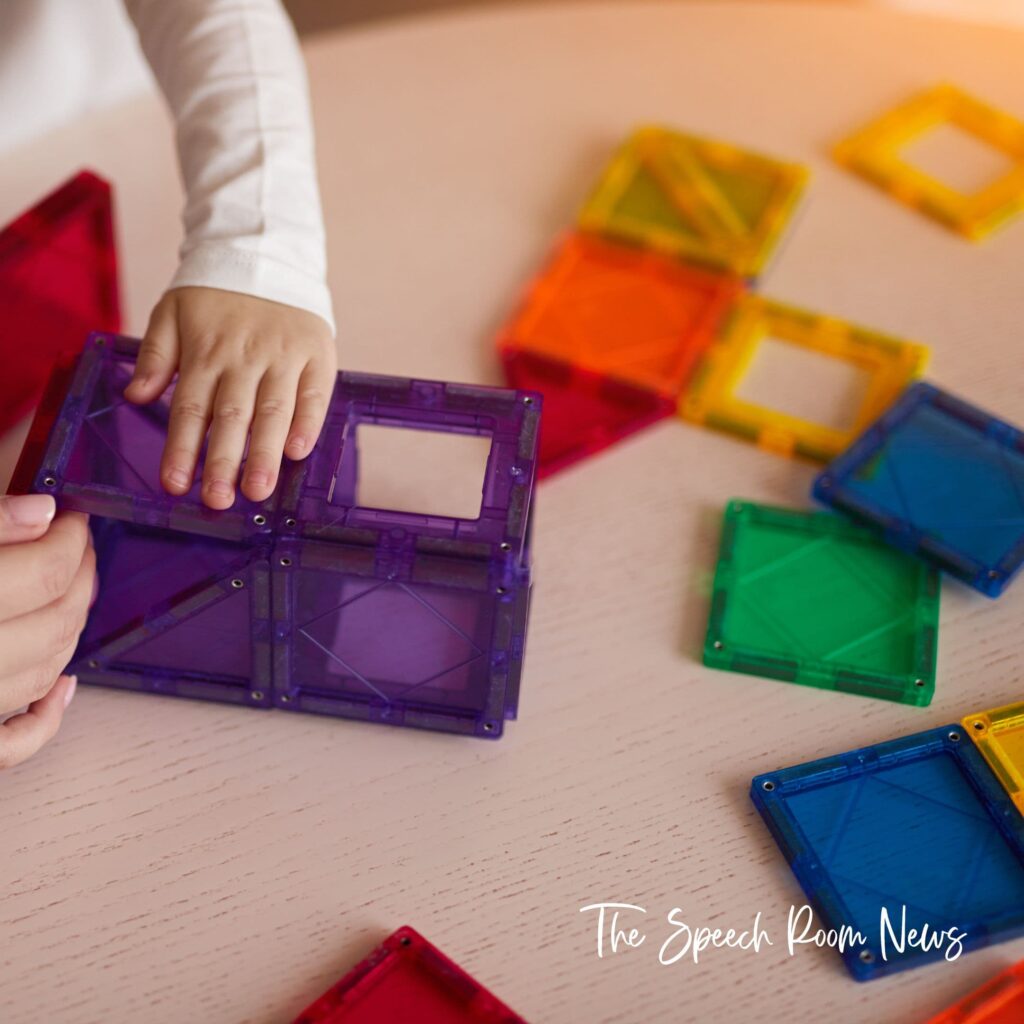
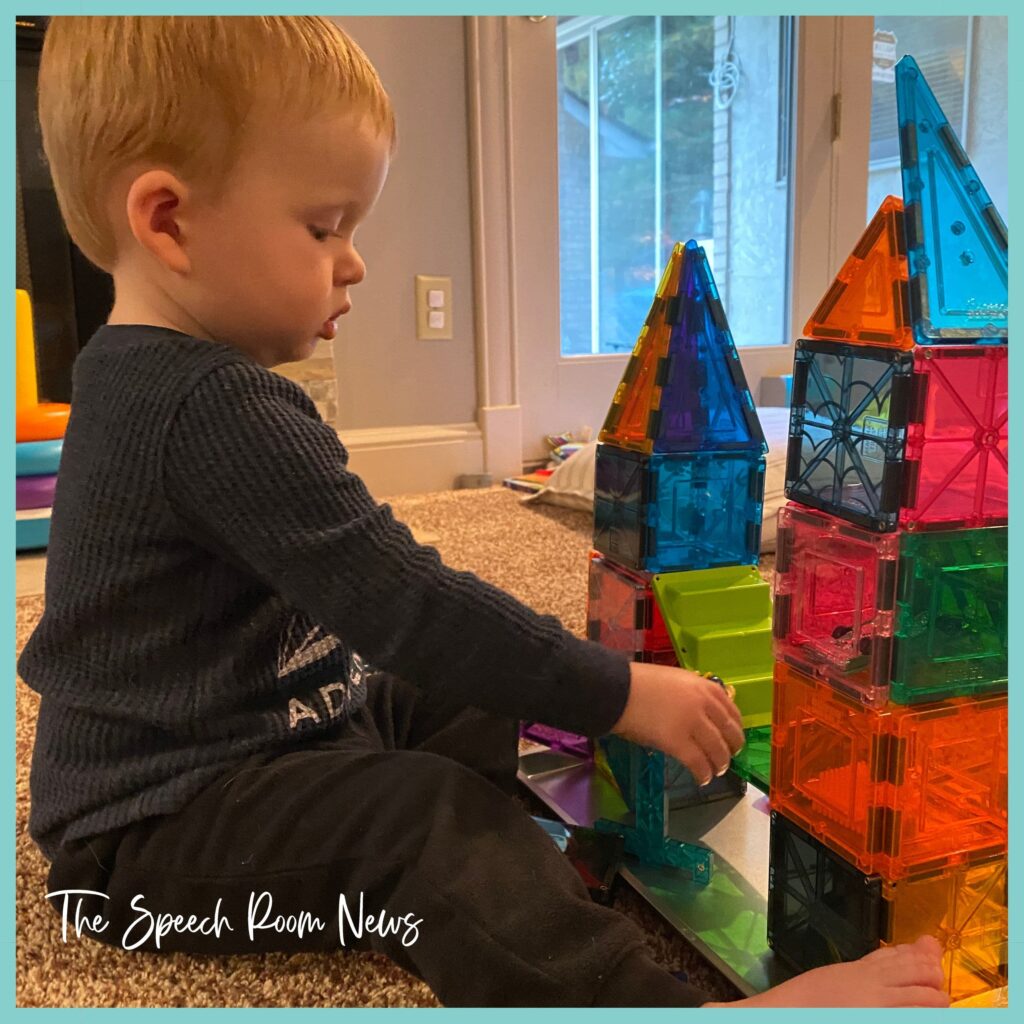
Magnetic tiles, typically brightly colored and translucent geometric shapes with magnetic edges, allow children to construct two-dimensional patterns or elaborate three-dimensional structures. Their intuitive design makes them accessible to children as young as one year old, yet they remain challenging and engaging for older children and even adults. This broad age appeal, combined with their durability, positions them as a cost-effective, long-term investment for both clinical settings and home use. While an initial investment may be required for quality sets, their potential for diverse applications across multiple developmental stages and therapeutic goals often outweighs the cost, making them a favored item on clinic wish lists and educational grants. The ability to mix and match sets further extends their utility, encouraging expansive creative construction.
Targeted Therapeutic Applications: A Deeper Dive into Key Areas
Speech-language pathologists have identified numerous ways to strategically incorporate magnetic tiles into therapy sessions, targeting specific speech and language objectives while keeping children immersed in playful learning.
-
Fostering Social Cooperative Work: Magnetic tiles are exceptional catalysts for promoting social interaction and collaborative communication. When children work together to build a shared structure, they naturally engage in back-and-forth dialogue. This environment encourages turn-taking, negotiation, joint attention, and the expression of ideas and intentions. An SLP might guide a session by assigning roles, prompting students to plan their designs collectively ("What should we build next?"), or encouraging them to problem-solve together when a structure collapses, thereby nurturing vital social communication skills essential for peer interactions.
-
Reinforcing Prepositions and Spatial Concepts: Abstract concepts like prepositions ("on," "under," "beside," "between," "above," "below") can be challenging for young learners. Magnetic tiles provide a concrete, hands-on medium to demonstrate and practice these spatial relationships. An SLP can instruct a child to place a "red tile on the green tile," or a "triangle under the square." This physical manipulation allows children to visually and kinesthetically grasp these concepts, reinforcing their understanding in a tangible way that transcends rote memorization. This direct experience helps solidify their spatial reasoning and expressive use of prepositions.
-
Enhancing Sorting by Shape and Color: Categorization is a foundational cognitive skill that underpins language development. Magnetic tiles offer an engaging means to practice sorting by attributes such as shape (squares, triangles, pentagons) and color. SLPs can direct children to "put all the blue tiles together" or "find all the squares." Beyond simple sorting, children can build designated "bins" or "houses" with the tiles themselves, then sort other tiles into them. This activity not only hones their ability to identify similarities and differences but also provides opportunities for descriptive language ("This is a big red square") and quantitative concepts ("We have many yellow triangles").
-
Targeting Articulation of Specific Speech Sounds: Integrating specific speech sounds into magnetic tile activities makes articulation practice both functional and motivating. For example, if a child is working on the /k/ sound, the SLP can prompt them to build a "castle," a "kitchen," or a "car" garage, encouraging them to repeat the target word with each placement or addition of a tile. Words like "block," "stack," "connect," and "pick" naturally arise in this context, providing high-frequency, low-pressure opportunities for repetitive practice of target sounds within meaningful play scenarios, leading to improved phonological awareness and production.
-
Practicing Irregular Verbs: Irregular verbs ("go" -> "went," "build" -> "built," "fall" -> "fell") are notoriously difficult to master due to their unpredictable conjugations. Magnetic tiles can facilitate practice by allowing children to narrate actions and sequences as they build. For instance, a child might say, "First, I built a tall tower, but then it fell down." The dynamic nature of construction and deconstruction provides countless opportunities to use these verbs in context, telling stories about what they made, what happened, or what they saw during their play, embedding grammatical structures in a memorable way.
-
Developing Executive Functioning Skills: Executive functioning skills, including planning, organization, working memory, and impulse control, are crucial for academic and life success. Magnetic tile tasks inherently challenge these abilities. An SLP might give a child a specific building challenge ("Build a house with at least two windows and a roof in five minutes") or ask them to replicate a complex design. This requires children to plan their approach, select appropriate tiles, manage their time, and adapt their strategy if obstacles arise. Verbalizing their plan and process further enhances self-monitoring and problem-solving, skills vital for managing complex language tasks.
-
Mastering Regular Plurals: The formation of regular plurals (adding "-s" or "-es") is a fundamental grammatical concept. Magnetic tiles can be used to practice this by focusing on quantity and enumeration. As children build, the SLP can prompt them to describe their creations using plural forms: "I have many squares," "Look at all the triangles," or "We need more blocks." This repetitive use in a context where multiple items are physically present helps reinforce the grammatical rule, allowing children to associate the plural form with the presence of more than one object.
-
Answering WH Questions: WH questions ("who," "what," "where," "when," "why") are essential for comprehension and information retrieval. Magnetic tile play provides rich scenarios for asking and answering these questions. "Where does this tile go?" "Who built this part of the bridge?" "What will happen if we add another layer?" "When do you think it will be finished?" These questions encourage children to describe actions, locations, and intentions, fostering both receptive (understanding the question) and expressive (formulating an answer) language skills in a natural, conversational flow.
-
Practicing the Pronoun "I": For some children, particularly those with language delays, consistently using first-person pronouns like "I" can be challenging. Magnetic tile activities offer structured opportunities for this practice. The SLP can prompt children to describe their own actions and choices: "I am choosing a yellow tile," "I put the roof on," "I want to build a tall tower." This focus on individual agency and self-expression within the play context helps solidify the correct and spontaneous use of "I" in sentences, crucial for developing a strong sense of self in communication.
-
Reinforcing AAC Core Words: Augmentative and Alternative Communication (AAC) provides communication support for individuals with complex communication needs. Magnetic tiles are excellent for reinforcing AAC core words – high-frequency words that make up the majority of daily communication. Words like "more," "on," "off," "up," "down," "help," "want," "go," "stop," "big," and "little" can be modeled and practiced directly during tile play. For example, a child using an AAC device might request "more" tiles, or indicate "up" as a tower grows, or "help" when a structure falls. This provides functional, meaningful contexts for practicing these essential communication building blocks.
Beyond the Core: Enhancing the Therapeutic Experience with Add-ons
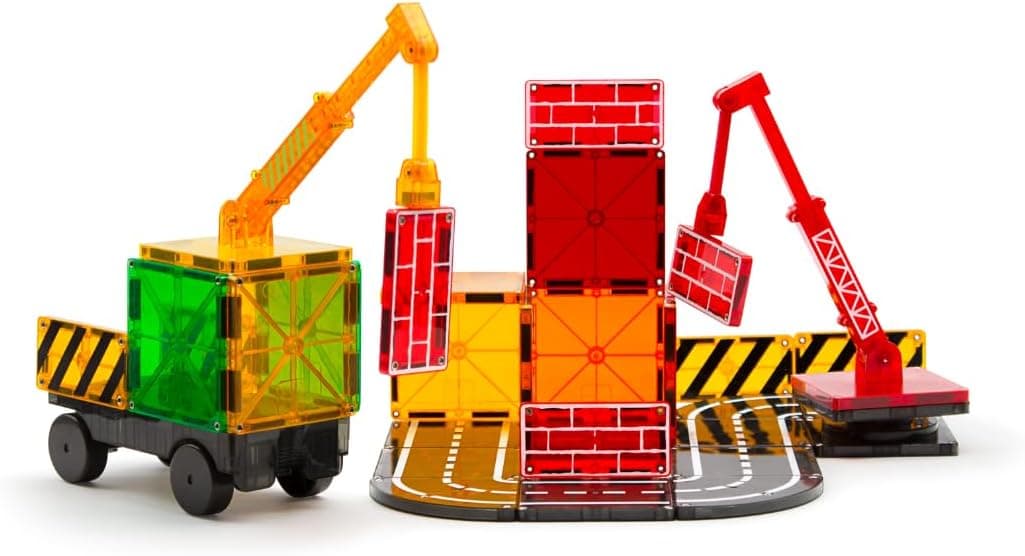
The utility of magnetic tiles can be further expanded through various add-on components. Specialized sets including magnetic car bases, ball run components, or animal figures can introduce new dimensions of play, creating more complex narratives and engineering challenges. These additions not only sustain interest but also provide fresh contexts for targeting advanced vocabulary, sequencing, and problem-solving skills, extending the longevity and therapeutic potential of the core magnetic tile sets.
Considerations for Implementation: Accessibility and Longevity
While the benefits are clear, speech-language pathologists and parents consider factors such as initial cost and accessibility. Quality magnetic tile sets represent an investment, but their durability and versatility mean they can withstand years of rigorous use in both clinical and home environments. Their open-ended nature allows them to adapt to evolving therapeutic goals and developmental stages, making them a sustainable and valuable addition to any intervention toolkit. Furthermore, their ease of cleaning and storage makes them practical for busy therapy rooms.
The Broader Impact on Child Development
The integration of magnetic tiles into speech therapy transcends mere language acquisition; it contributes to holistic child development. By engaging children in purposeful play, these tools simultaneously stimulate fine motor skills through manipulation, gross motor skills when reaching and moving, cognitive skills through problem-solving and spatial reasoning, and social-emotional skills through cooperation and self-expression. This multi-faceted engagement ensures that therapeutic gains are not isolated but rather contribute to a child’s overall growth and readiness for future learning environments.
In conclusion, magnetic tiles have firmly established themselves as an indispensable resource in pediatric speech-language pathology. Their capacity to transform abstract linguistic concepts into concrete, engaging play experiences makes them highly effective for addressing a broad spectrum of communication goals. As the field continues to embrace innovative, child-centered approaches, tools like magnetic tiles underscore the profound impact that well-chosen, versatile play materials can have on a child’s journey toward confident and effective communication.
