

Early intervention speech therapy stands as a critical pillar in the holistic development of young children, fundamentally influencing their communicative abilities and long-term educational and social trajectories. For both dedicated speech-language pathologists (SLPs) and parents navigating the complexities of early childhood, understanding the profound impact of timely support is paramount. This comprehensive overview delves into the scientific basis, practical applications, and systemic importance of early intervention, highlighting strategies for identifying needs, tracking progress, and fostering language growth within the home environment.
The Foundational Importance of Early Communication
The period from birth to age five represents a crucial window for language acquisition, often referred to as a "critical period" due to the brain’s heightened neuroplasticity. During these formative years, the brain is rapidly developing connections, making it exceptionally receptive to learning new skills, including speech and language. Delays in this area can have cascading effects, impacting not only a child’s ability to express needs and thoughts but also their cognitive development, literacy skills, social interactions, and emotional well-being. Research consistently demonstrates that children who receive early and appropriate intervention for speech and language difficulties exhibit significantly better outcomes compared to those whose challenges are addressed later. Studies have shown that early intervention can mitigate the severity of delays, reduce the need for more intensive services later in life, and improve overall academic achievement and social integration. The American Speech-Language-Hearing Association (ASHA) emphasizes that early identification and intervention are key to maximizing a child’s potential, underscoring the necessity of a proactive approach to developmental concerns.
Identifying Developmental Milestones and Red Flags
Recognizing typical speech and language milestones is the first step in identifying potential delays. While every child develops at their own pace, there are established benchmarks that serve as guidelines. For instance, by 6-9 months, infants typically babble with a variety of sounds (e.g., "ba-ba," "da-da"); by 12 months, they often use a few single words meaningfully (e.g., "mama," "dada," "no"); by 18 months, they may have a vocabulary of 10-20 words; and by 24 months, they are generally combining two words (e.g., "more juice," "bye-bye mommy") and possess a vocabulary of 50 or more words.
A child who is significantly behind these milestones may be considered a "late talker." While approximately 13-19% of two-year-olds are late talkers, with about half eventually catching up without formal intervention, the other half may continue to experience language difficulties. Red flags that warrant immediate attention from a pediatrician or an SLP include:
- No babbling by 9 months.
- No first words by 15 months.
- No two-word phrases by 24 months.
- Difficulty understanding simple instructions.
- Limited use of gestures to communicate.
- Lack of eye contact or joint attention.
- Significant frustration when trying to communicate.
Early identification relies heavily on vigilant observation by parents and caregivers, who are often the first to notice deviations from typical development. Pediatricians also play a crucial role in screening during well-child visits, referring families to specialists when concerns arise.
The Expertise of Speech-Language Pathologists (SLPs)
Speech-language pathologists are highly trained professionals specializing in the diagnosis and treatment of communication disorders. Their role in early intervention is multifaceted, encompassing comprehensive assessments, individualized therapy planning, and crucial parent coaching. An initial assessment by an SLP typically involves a detailed case history, observations of the child in various contexts, and standardized tests to evaluate receptive (understanding) and expressive (speaking) language skills, as well as articulation, fluency, and social communication.
Based on the assessment findings, an individualized family service plan (IFSP) is developed for children from birth to three years old, outlining specific goals and intervention strategies tailored to the child’s unique needs and family priorities. For older children, an Individualized Education Program (IEP) serves a similar purpose within educational settings. SLPs employ a range of evidence-based therapy techniques, including play-based intervention, modeling, prompting, and visual supports, all designed to make learning engaging and effective for young children. A critical component of their work in early intervention is empowering parents and caregivers with strategies and tools to facilitate language development in daily routines, ensuring that therapy extends beyond formal sessions into the child’s natural environment.
Empowering Parents: The Home as a Language-Rich Environment
Parents are their child’s first and most influential teachers. In the context of early intervention, their active involvement is not just beneficial but essential. The concept of "parent coaching" is central to many early intervention models, where SLPs guide parents on how to integrate language-learning opportunities into everyday activities. This approach acknowledges that a child spends the majority of their time at home, making the home environment the most potent setting for consistent language exposure and practice.
Strategies for parents include:
- Responsive Communication: Responding promptly and enthusiastically to a child’s attempts to communicate, whether through babbling, gestures, or words.
- Modeling Language: Consistently speaking to the child using clear, simple language, narrating daily activities (e.g., "Mommy is cutting the apple now," "You are playing with the blue car").
- Creating Communication Temptations: Setting up situations that encourage the child to initiate communication (e.g., placing a desired toy out of reach, offering choices).
- Child-Led Play: Following the child’s lead in play, commenting on what they are doing and showing interest in their activities, which naturally fosters engagement and language use.
- Reading Aloud: Engaging in daily storytime, pointing to pictures, asking simple questions, and discussing the story.
The transformation of a speech pathologist into a parent of a late talker, as highlighted in the original content, provides a powerful testament to the universal challenges and triumphs faced by families. This personal experience underscores the invaluable role of systematic observation and data collection, enabling parents to become active partners in their child’s therapeutic journey.

Data-Driven Progress: The Power of Tracking First Words
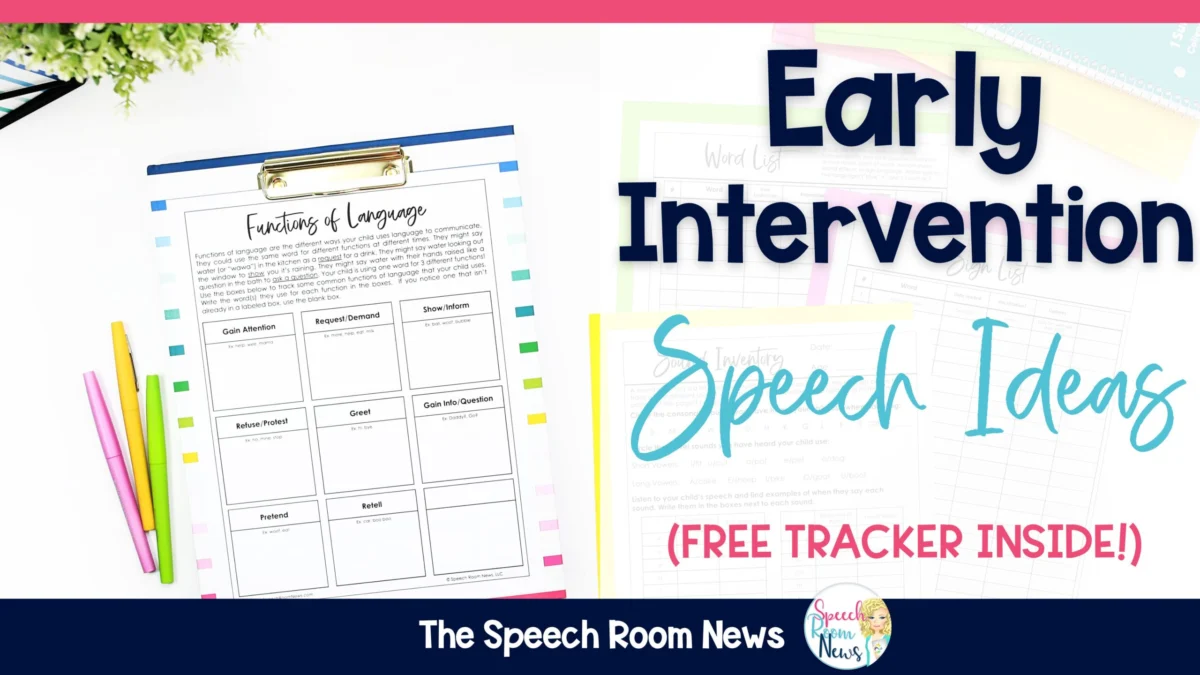
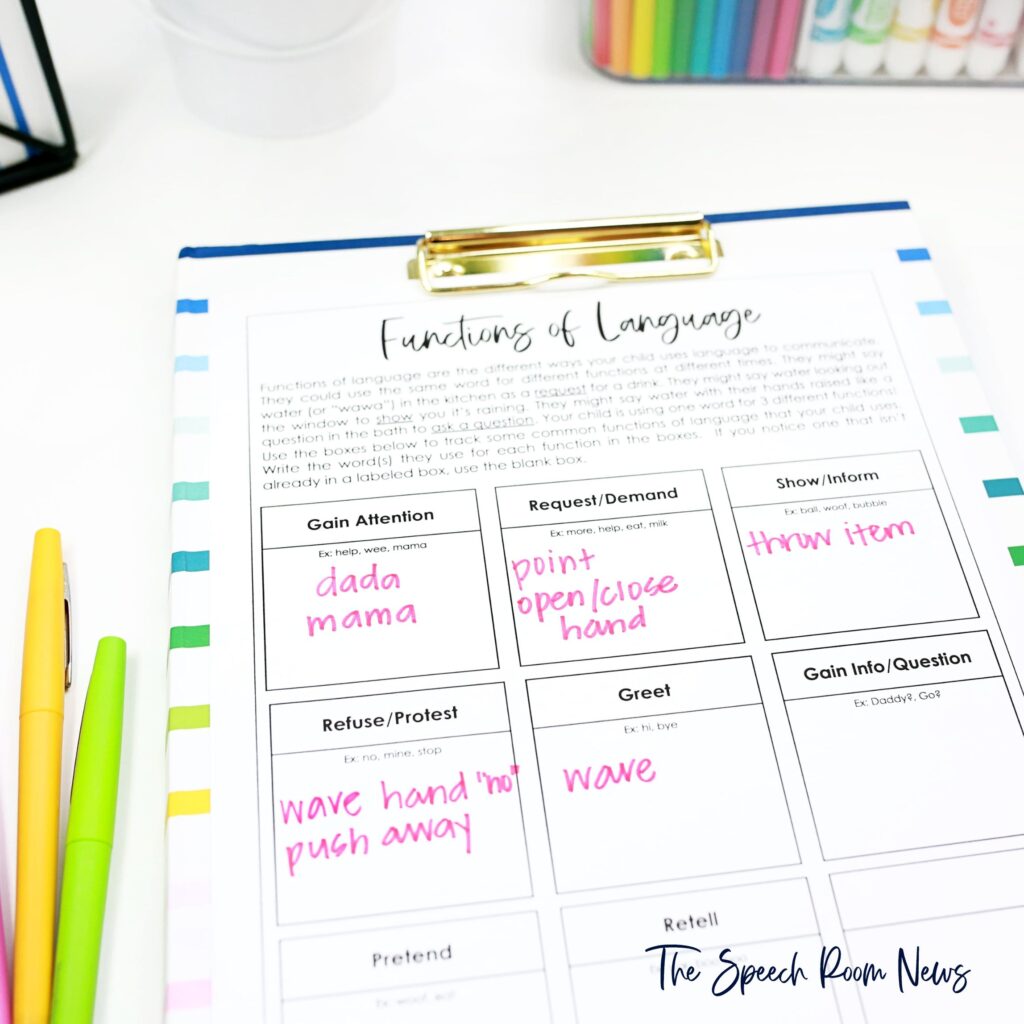
Tracking a child’s speech sounds and words is a powerful, yet often overlooked, tool for both parents and SLPs. This systematic data collection offers several key advantages:
- Objective Progress Monitoring: It moves beyond anecdotal observations, providing concrete evidence of growth and change over time. This data is invaluable for assessing the effectiveness of intervention strategies and making informed adjustments to therapy plans.
- Identification of Patterns: Tracking helps identify emerging sound patterns (e.g., consonant-vowel (CV) words like "go," "no"; vowel-consonant (VC) words like "up," "on"; CVCV words like "mama," "dada"; or consonant-vowel-consonant (CVC) words like "dog," "cup"). Understanding these patterns can guide therapy targets.
- Enhanced Communication with Therapists: Detailed records enable parents to provide their child’s SLP with precise, factual updates during coaching sessions, leading to more focused and efficient therapy. It eliminates guesswork and ensures continuity of care.
- Motivation and Encouragement: For parents, seeing tangible progress, even small increments, can be incredibly motivating and reassuring during what can be a challenging period. It validates their efforts and reinforces the effectiveness of the intervention.
Simple tracking sheets can document the date a new sound or word was produced, the context in which it was used, and any approximations. For example, noting if a child says "ba" for "ball" or "da" for "dog" helps track the development of consonant sounds and early syllable structures. Many early intervention programs provide parents with such tracking tools, recognizing their utility in fostering a collaborative and data-informed approach to therapy. Families who consistently track their child’s verbal output often report being surprised by the sheer number of sounds and words their child is actually producing, once intentional observation begins.
Integrating Therapy into Daily Routines: Practical Activities
The most effective early intervention activities are those seamlessly woven into a child’s daily routines, making learning natural, meaningful, and consistent. Routines provide predictable patterns, offering repeated exposure to specific vocabulary, social expectations, and actions, thus maximizing language acquisition opportunities.
-
Eating a Snack: This is an ideal "communication temptation."
- Strategy: Offer preferred snacks in small quantities or out of reach to encourage requests. Model target words clearly.
- Example: "Look, I’m pouring some crackers into the bowl. Yum! I love crackers. You like crackers too. Mmmm crackers." Pause and wait for a response after asking, "Do you want crackers?"
- Language Targets: Requesting ("more," "want"), labeling ("cracker," "juice"), action words ("eat," "pour"), descriptive words ("yummy," "crunchy"). Celebrate any word approximations or gestures.
-
Brushing Teeth: Mirror time is excellent for building connection and language.
- Strategy: Narrate each step, explain the "why," and use descriptive and positional words. Engage in back-and-forth routines.
- Example: "It’s time to brush your teeth. We brush and clean our teeth so they stay healthy. Let’s get your green toothbrush. Can you find the toothpaste? Squeeze just a little bit out. Now what do we do? Yes! Let’s brush the front teeth. Now what? Yes—time to brush the back! You brushed your teeth. Now let Mommy brush them too. I am brushing the front and the back. I go up and down and make sure I get all your teeth. We did it! Time to rinse our teeth and our brush so they stay clean."
- Language Targets: Sequencing (first, next, then), body parts ("teeth," "tongue"), actions ("brush," "rinse"), positional words ("up," "down," "front," "back"), concepts ("clean," "healthy").
- Avoid: Simple commands like "Brush your teeth," which offer limited language exposure.
Other routines like bath time, dressing, playing, and going for walks also offer rich opportunities for language modeling, turn-taking, and vocabulary building. The key is to be intentional, responsive, and to create an environment where communication is consistently encouraged and rewarded.
Systemic Support and Broader Implications
The provision of early intervention services is often supported by governmental policies. In the United States, the Individuals with Disabilities Education Act (IDEA) Part C mandates that states provide early intervention services for infants and toddlers with disabilities and their families. These services are typically coordinated through state early intervention programs, often accessed via local school districts or regional service agencies. Referrals can come from pediatricians, childcare providers, or directly from parents who have concerns.

Despite these provisions, challenges persist. Disparities in access to services, particularly in rural or underserved areas, remain a concern. Funding limitations can impact the availability of qualified SLPs and the breadth of services offered. Furthermore, a lack of public awareness about the signs of speech and language delays can lead to delayed referrals, diminishing the potential benefits of early intervention. Advocacy groups and professional organizations continuously work to raise awareness, improve accessibility, and champion policies that support robust early intervention programs.
The implications of effective early intervention extend far beyond a child’s ability to speak clearly. Children who develop strong communication skills are better equipped for academic success, demonstrate greater self-confidence, form more meaningful social relationships, and are better able to regulate their emotions. Conversely, unaddressed speech and language delays can contribute to academic struggles, social isolation, behavioral issues, and lower self-esteem, potentially leading to long-term educational and vocational disadvantages. Investing in early intervention is not merely an investment in individual children but in the future health and productivity of society as a whole. As research continues to illuminate the intricate processes of language acquisition, the commitment to providing timely and comprehensive early intervention remains an imperative for fostering every child’s full potential.
