


Curriculum Night, a cornerstone event in the academic calendar, presents a pivotal opportunity for Speech-Language Pathologists (SLPs) to forge vital connections with parents, illuminate the multifaceted nature of their work, and offer a transparent glimpse into the world of speech and language therapy. These specialized educators are increasingly recognizing this annual gathering not just as a formality, but as an indispensable platform for fostering collaborative partnerships that are crucial for student success. This article delves into the strategic approaches SLPs employ to maximize their impact during Curriculum Night, ensuring parents are informed, empowered, and actively engaged in their child’s communicative development journey.
Contextualizing Curriculum Night: A Bridge Between Home and School
Historically, Curriculum Night has served as an essential conduit for communication between educational institutions and families. Typically held at the outset of the academic year, these evenings invite parents into the school environment to meet teachers, understand classroom expectations, and gain insight into the academic curriculum their children will follow. While traditionally focused on general education subjects, the evolution of inclusive education and specialized support services has expanded its scope to include vital roles played by professionals like SLPs. The overarching goal remains consistent: to ensure parents feel involved, informed, and equipped to support their child’s educational journey effectively.
The significance of these events for special education services, particularly speech and language therapy, cannot be overstated. For many parents, especially those new to special education, the terminology, processes, and scope of services can be daunting. Curriculum Night provides a structured, accessible forum to demystify these aspects. In some innovative districts, like the one referenced by an experienced SLP, special education preschool programs organize sessions around specific developmental domains such as communication, play, behavior, sensory processing, home routines, and fine motor skills. This tailored approach allows parents to select topics most relevant to their child’s needs, fostering highly targeted communication and robust collaboration between families and specialists. Such models demonstrate a proactive effort to address diverse parental concerns and maximize the utility of the event.

The Indispensable Role of the Speech-Language Pathologist in Education
Speech-Language Pathologists are integral members of the educational team, addressing a broad spectrum of communication and swallowing disorders that can significantly impact a student’s ability to learn and interact effectively within the school environment. Their expertise extends beyond simply correcting speech sounds; it encompasses language comprehension and expression, social communication, fluency (stuttering), voice disorders, and even feeding and swallowing difficulties that affect school participation. According to the American Speech-Language-Hearing Association (ASHA), approximately 1 in 12 children aged 3–17 years in the United States has had a disorder of speech, voice, or language in the past 12 months. This statistic underscores the pervasive need for SLP services within schools and highlights why their presence at Curriculum Night is not merely beneficial but essential.
For parents, understanding the nuances of speech and language development and intervention is often complex. An SLP’s presentation at Curriculum Night serves as a critical educational opportunity, explaining how therapy integrates with the broader curriculum and contributes to overall academic and social success. It’s a chance to explain how improved articulation can boost reading fluency, how enhanced language comprehension supports classroom learning across all subjects, and how better social communication skills foster positive peer relationships. Without this direct engagement, parents may lack a full appreciation of the "vital" role SLPs play, potentially hindering the consistency of support their child receives at home.
Strategic Engagement: Crafting an Impactful SLP Presentation
The success of an SLP’s Curriculum Night presentation hinges significantly on the strategic selection of topics and the clarity of delivery. The primary objective is to engage the audience and ensure they depart with a clear understanding of the SLP’s functions and actionable insights. Rather than a broad overview of general services, presentations that address specific, common parental concerns tend to resonate most effectively.

Key Topics for SLP Presentations Often Include:
- Early Language Development Milestones: Providing parents with clear benchmarks for language acquisition, empowering them to identify potential delays and seek early intervention.
- Practical Strategies for Articulation at Home: Offering simple, effective exercises and games parents can incorporate into daily routines to support speech sound development.
- Understanding and Supporting Fluency Disorders (Stuttering): Demystifying stuttering, reducing stigma, and providing strategies for parents to create a supportive communication environment.
- Enhancing Social Communication Skills: Discussing the importance of pragmatic language and offering tips for fostering conversational turn-taking, understanding non-verbal cues, and building friendships.
- Augmentative and Alternative Communication (AAC) Basics: Introducing parents to various AAC systems for non-verbal or minimally verbal children, explaining their function, and demonstrating how they can be used at home.
- Literacy Connections: Phonological Awareness: Explaining how speech-language skills underpin early literacy development and suggesting activities to build phonological awareness.
- Sensory Processing and Communication: Discussing the interplay between sensory needs and communication challenges, offering strategies for creating sensory-friendly communication environments.
Solving Real Problems with Actionable Steps:
A cornerstone of an effective Curriculum Night presentation is its ability to address and solve real problems parents encounter. It moves beyond merely showcasing services to actively understanding and alleviating the tangible challenges families face regarding their child’s communication development. By focusing on specific worries—such as a child not speaking, difficulty understanding instructions, or struggles with social interactions—and offering practical, implementable solutions, SLPs demonstrate the direct, positive impact of their therapy.
This problem-solution approach fosters trust and cultivates a collaborative relationship. Parents seek guidance and reassurance; when an SLP provides clear, actionable steps, it empowers them to become active partners in their child’s therapeutic journey. For example, a presentation on "Boosting Language at Home" might offer concrete ideas like ‘narrating daily activities,’ ‘using open-ended questions,’ or ‘modeling new vocabulary during playtime.’ Parents leave feeling not just informed, but also equipped with specific strategies they can immediately apply, thereby extending the therapeutic environment into the home. This partnership is consistently shown to correlate with improved outcomes for students receiving speech-language services.
The Imperative of Parent-Friendly Language:
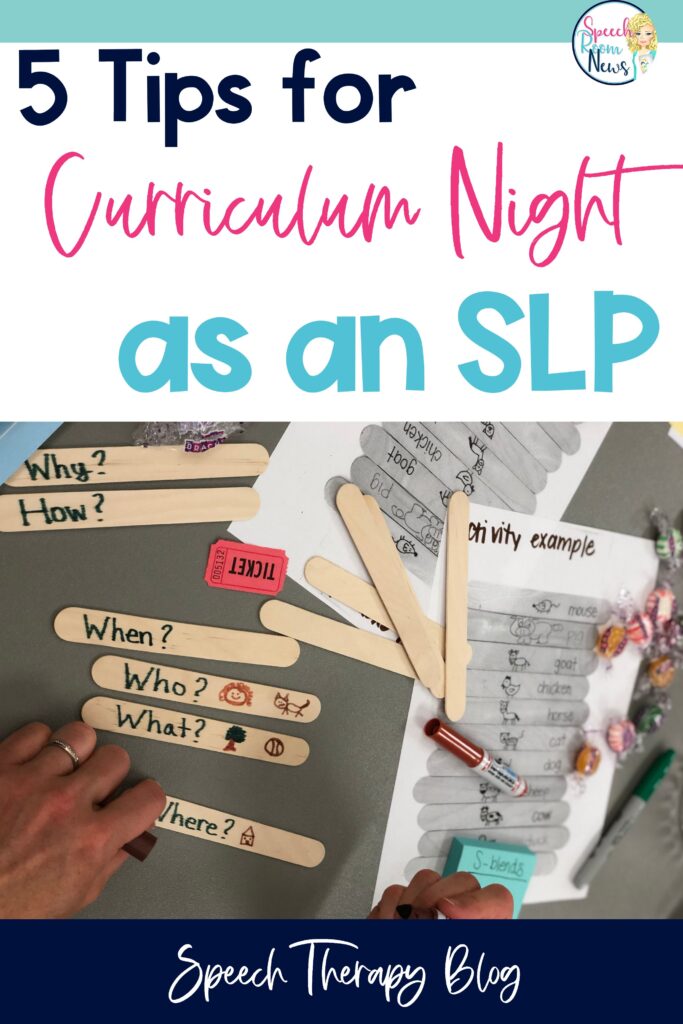
One of the most critical, yet frequently overlooked, aspects of effective communication in special education is the use of parent-friendly language. The field of speech-language pathology, like many specialized disciplines, is replete with technical jargon and abbreviations (e.g., IEP, articulation, phonological processes, pragmatics, receptive/expressive language). Presenting this information without careful translation can alienate and overwhelm parents, diminishing the impact of even the most well-intentioned presentation.
As one SLP aptly notes, the approach should be akin to explaining complex concepts to a fifth grader. This simplification is not condescending; rather, it is an acknowledgment that parents, regardless of their educational background, may be entirely new to the intricacies of speech and language development. They rely on professionals to guide them through this unfamiliar territory. By consciously avoiding abbreviations, defining terms clearly, and using relatable analogies, SLPs ensure that every parent can comprehend the information, feel respected, and actively participate in the discussion. The appreciation for such clarity is universal and foundational to building effective home-school partnerships.
Bridging the Gap: Practical Strategies for Parents
Beyond verbal explanations, providing tangible resources significantly enhances parent engagement and the long-term impact of Curriculum Night.
The "Make and Take" Activity:
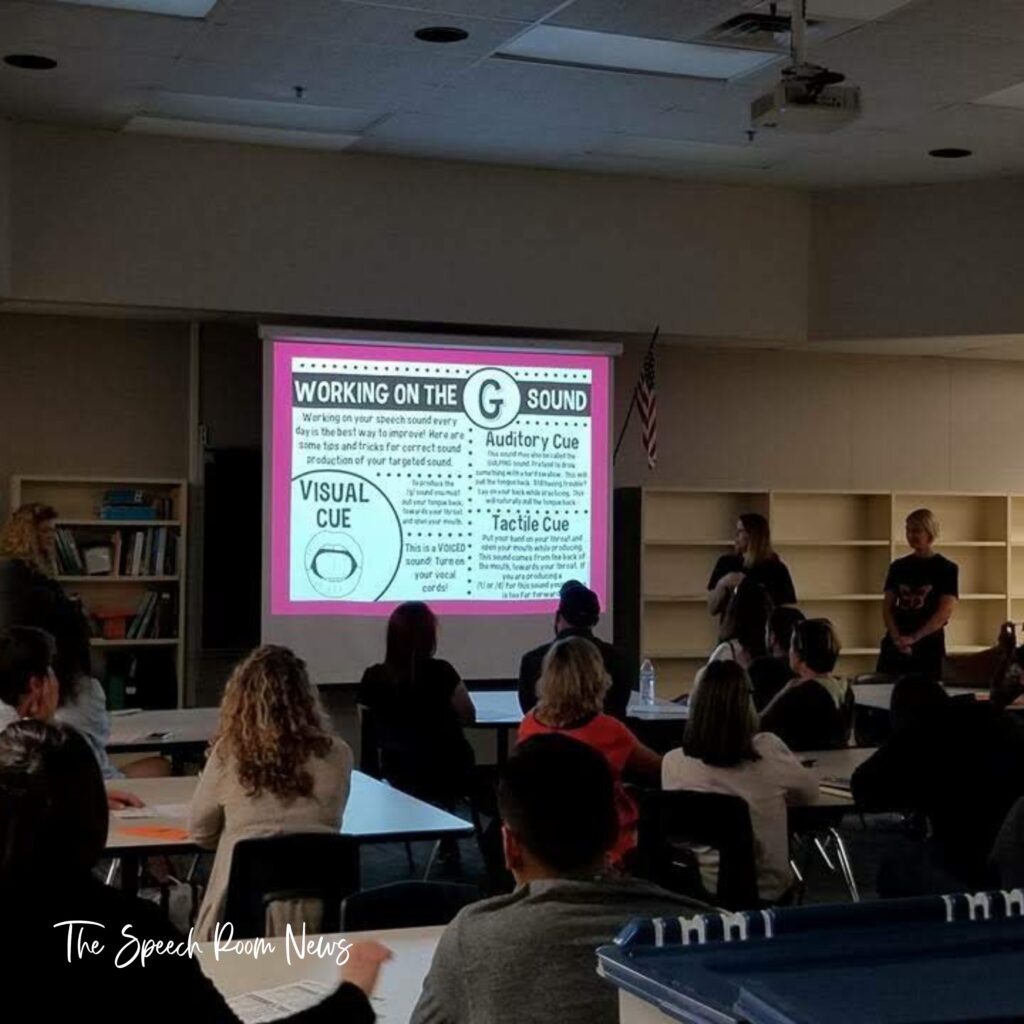
Incorporating an interactive "Make and Take" component transforms a passive presentation into an engaging, hands-on experience. This activity provides parents with practical tools they can immediately use to support their child’s speech and language development at home. Examples include:
- Simple Communication Boards: For non-verbal children, parents can create basic picture-based communication boards for common requests (e.g., "more," "eat," "play").
- "WH" Question Sticks: Crafting popsicle sticks with "who, what, where, when, why" prompts to encourage language expansion during story time or daily conversations.
- Articulation Practice Games: Creating simple card games or dice rolls focused on target speech sounds.
- Sensory-Friendly Resources: Developing visual schedules or "first/then" boards to support children with sensory processing challenges in daily routines.
These activities empower parents, reinforce their crucial role in the therapeutic process, and provide lasting resources long after the event concludes. It’s a powerful demonstration of how therapy can be integrated into everyday life.
Informative Parent Handouts:
Complementing the presentation with informative handouts ensures parents have a tangible reference guide. These documents serve as a summary of key discussion points, strategies, and resources, providing a valuable tool for future reference. Effective handouts typically include:
- Key Takeaways: A bulleted list of the most important concepts from the presentation.
- Home Practice Strategies: Detailed descriptions of activities parents can implement.
- Developmental Checklists: Simple milestones for speech and language relevant to the age group.
- Recommended Resources: Links to reputable websites, books, or apps for further learning.
- Contact Information: Clear details for the SLP, including email and phone number, encouraging ongoing communication.
Providing these resources demonstrates a commitment to the child’s progress and equips parents with the confidence and tools to continue support beyond the school walls. Professional SLP organizations like ASHA consistently advocate for strong home-school collaboration, highlighting that parental involvement in therapy can significantly accelerate progress and generalize skills to natural environments. Research indicates that when parents are actively involved and consistently reinforce therapeutic goals at home, children show greater gains in their communication abilities compared to those whose parents have less involvement.
Perspectives from the Field and Broader Implications
Educational administrators widely acknowledge the value of Curriculum Night in building strong school communities. "These evenings are not just about curriculum; they’re about building relationships and ensuring every parent feels like a valued partner in their child’s education," states Dr. Evelyn Reed, a district superintendent. "For our specialists, like SLPs, it’s an unparalleled opportunity to demystify complex services and empower families with practical tools."
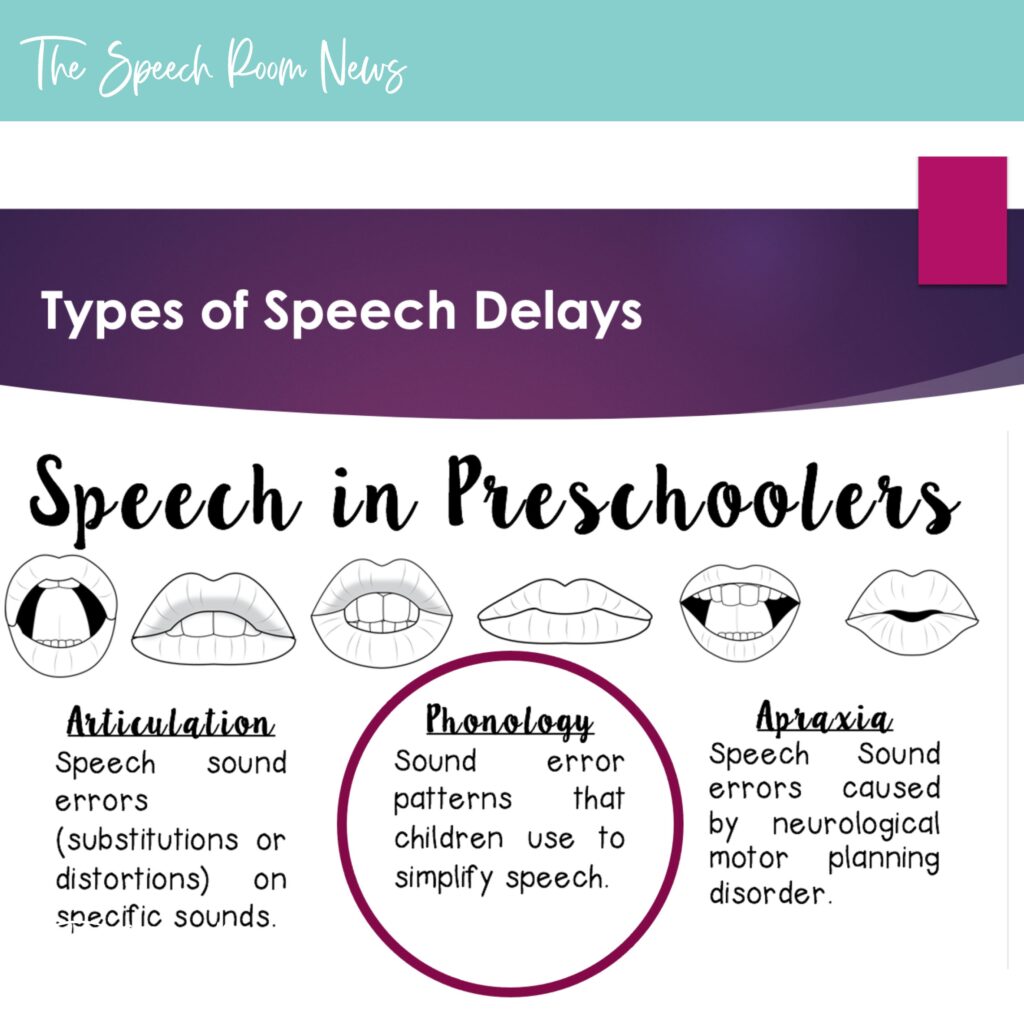
From the perspective of a national organization, a spokesperson for ASHA might emphasize: "Curriculum Night offers SLPs a unique platform to advocate for the communication needs of students and to educate the wider community. Empowering parents with knowledge and actionable strategies is a cornerstone of effective speech-language pathology practice, leading to more consistent progress and better long-term outcomes for children."
Parents, too, express their appreciation for well-structured and informative sessions. "When my child first started speech therapy, I felt overwhelmed," shared Maria Rodriguez, a parent of a preschooler. "The SLP’s Curriculum Night presentation, especially the ‘make and take’ activity, gave me practical ideas and made me feel like I could truly help at home. It removed a lot of the mystery."
The broader implications of well-executed SLP presentations at Curriculum Night are far-reaching. They contribute to:
- Improved Student Outcomes: Consistent reinforcement of therapy goals at home leads to faster acquisition and generalization of communication skills.
- Enhanced Home-School Communication: Regular, open dialogue between parents and SLPs fosters a supportive network for the child.
- Increased Awareness and Advocacy: Educated parents become powerful advocates for their children’s needs and for the value of SLP services within the school system.
- Reduced Stigma: Open discussions about speech and language challenges can help normalize therapy and reduce any associated social stigma.
- Greater Parental Empowerment: Equipping parents with knowledge and tools transforms them from passive recipients of information into active, confident participants in their child’s development.
While challenges such as limited presentation time, varying parent attendance, and the need to cater to diverse linguistic backgrounds persist, the strategic efforts of SLPs to engage families during Curriculum Night yield profound benefits. By prioritizing parent-friendly communication, offering practical solutions, and providing tangible resources, SLPs not only showcase the amazing work they do but also solidify their position as indispensable partners in fostering academic achievement and lifelong communication competence for all students. The future of effective speech-language therapy in schools undeniably hinges on the strength of these collaborative home-school partnerships.
