

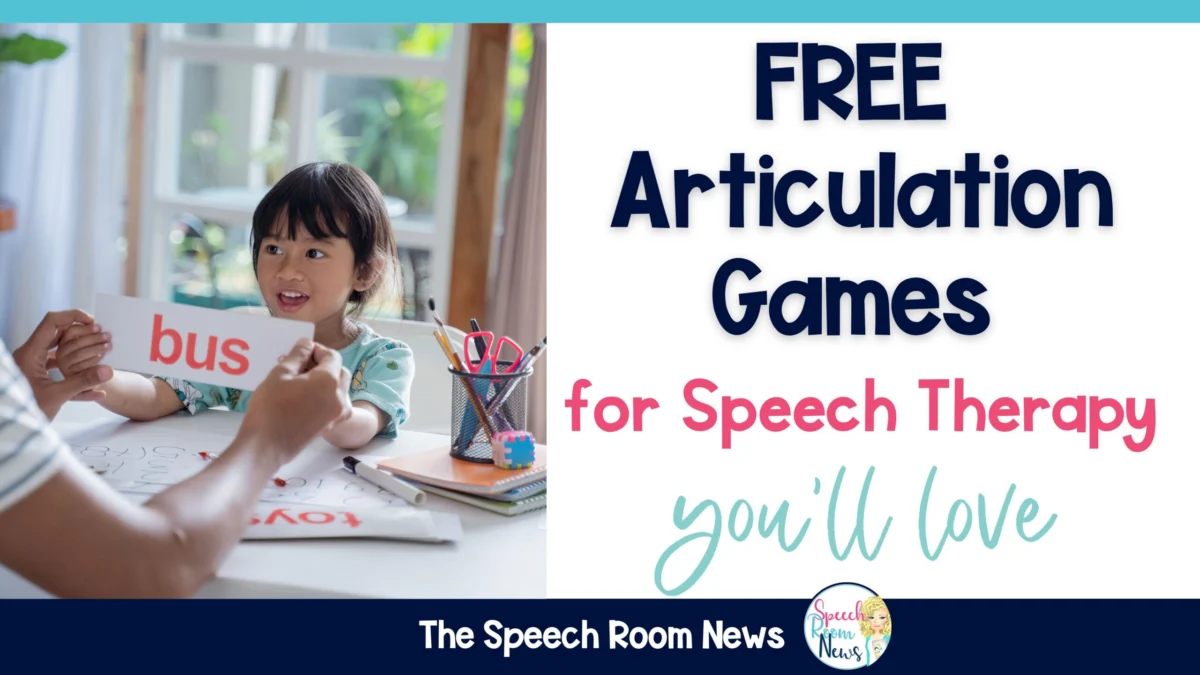
The landscape of pediatric speech-language pathology is undergoing a significant transformation, driven by the increasing integration of free, play-based articulation games designed to enhance therapeutic engagement and improve linguistic outcomes. These innovative resources, spanning interactive online platforms, printable materials, and no-materials-needed activities, are proving instrumental in making speech therapy more accessible, enjoyable, and effective for children across diverse learning environments—be they virtual, in-person, or hybrid. The shift towards gamified learning capitalizes on children’s natural inclination towards play, translating into more consistent practice and better generalization of speech sounds into everyday communication.
The Critical Role of Play in Speech Development and Therapy
Speech Sound Disorders (SSD), which encompass articulation and phonological disorders, affect a substantial portion of the pediatric population, with prevalence estimates ranging from 2% to 25% among preschool children. These disorders can significantly impact a child’s communication abilities, academic performance, and social development if left unaddressed. Traditional speech therapy, while effective, has often faced challenges related to maintaining young clients’ engagement, particularly during repetitive drills necessary for sound mastery. This is where play-based interventions offer a profound advantage.

Drawing upon developmental psychology theories, such as those by Jean Piaget and Lev Vygotsky, play is recognized as the primary mode through which children explore, learn, and internalize new concepts. In the context of speech therapy, integrating play lowers the affective filter, reduces anxiety, and intrinsically motivates children to participate actively. When children perceive therapy as a game rather than a chore, their attention spans lengthen, their willingness to attempt target sounds increases, and the learned skills are more readily transferred from the structured therapy setting to spontaneous speech. Furthermore, play provides countless opportunities for naturalistic language use, facilitating the crucial generalization phase of articulation therapy—the ability to use target sounds correctly in varied contexts outside of direct instruction. This pedagogical approach not only makes therapy more memorable but also fosters a positive association with the learning process, encouraging sustained effort and better long-term results.
The Digital Transformation of Articulation Practice
The advent of digital technology has profoundly impacted educational and therapeutic practices, offering a wealth of dynamic resources that were previously unimaginable. For speech-language pathologists (SLPs), this technological evolution has ushered in an era of interactive online games and applications that significantly augment articulation practice. The convenience and versatility of these digital tools are particularly beneficial in the current climate, where teletherapy and hybrid models of service delivery have become increasingly common.
Platforms such as ABCya’s "Alphabet BINGO" provide foundational support for younger students by linking letter sounds to engaging gameplay. The "Articulation Station App (Lite Version)" offers a more targeted approach, providing interactive exercises for various sound targets directly on mobile devices. Sites like Language Playroom are continually expanding their collections of free online games, encompassing articulation, fluency, language, and social communication activities, demonstrating a growing commitment within the educational technology sector to support therapeutic needs. Another notable example is "Phoneme Pop," an online game designed to help children identify and practice words containing their target sounds through an interactive bubble-popping format.

Perhaps one of the most widely adopted digital resources is Boom Cards. These interactive, self-checking digital task cards allow SLPs to create or utilize pre-made decks focusing on specific articulation sounds. Available through platforms like Teachers Pay Teachers and Boom Learning, these digital decks offer immediate feedback, which is crucial for motor learning in articulation therapy, and can be easily assigned for home practice, bridging the gap between clinical sessions and daily reinforcement. The rapid growth and adoption of these digital tools, particularly accelerated by global events that necessitated remote learning, highlight a chronological shift from purely physical therapy aids to a robust blend of digital and traditional methods, enhancing both the efficiency and appeal of articulation practice. Data suggests that well-designed educational games can improve cognitive function, engagement, and learning outcomes, making these digital resources a valuable asset in the SLP’s toolkit.
Bridging the Gap with Printable and Material-Free Solutions
While digital tools offer undeniable advantages, the continued importance of hands-on, printable activities and material-free games cannot be overstated. These resources provide crucial alternatives, particularly for environments with limited technological access, for clients who benefit from tactile learning, or as supplementary tools for home practice away from screens. They offer flexibility, affordability, and the ability to integrate therapy goals into everyday routines, reinforcing generalization.
Printable games serve as a tangible link between the therapy room and the home environment. Resources like the "Whack-a-Sound /S/ Self-Checking Articulation Freebie" from Teachers Pay Teachers are excellent for early elementary students learning to identify the position of target sounds (initial, medial, final). Super Duper Publications, a long-standing provider of speech and language materials, offers a range of free printable worksheets that cater to various articulation goals, allowing for customized practice. Themed activities, such as the "Hot Chocolate Articulation Board Game," make therapy seasonally relevant and engaging, where flashcards with target words can be incorporated into gameplay, rewarding correct productions with board movement. "100 Trial Challenges" by Peachie Speechie provide structured sheets that encourage high repetitions of target sounds, often themed around holidays or specific interests to maintain motivation. Similarly, "Color & Play Ocean Articulation Bingo" offers a fun, group-friendly format where children practice target words as they mark off their bingo cards. These printable resources are lauded by SLPs for their low-cost accessibility, ease of preparation, and the valuable opportunity they provide for hands-on, multi-sensory learning.

Beyond printables, material-free games offer the ultimate in flexibility and accessibility, enabling articulation practice to occur spontaneously in any setting. Classic games like "I Spy" can be creatively adapted to target specific sounds (e.g., "I spy something that starts with /s/"). "20 Questions" encourages descriptive language and question formulation, implicitly reinforcing articulation goals within a broader communication context. "Rhyme Time" focuses on phonological awareness and sound production, while "The Alphabet Game," where participants take turns naming words starting with each letter, provides a systematic way to target a wide array of sounds. These activities are particularly useful for practice in dynamic environments such as car rides or waiting rooms, transforming mundane moments into valuable therapeutic opportunities. Speech-language pathologists and parents alike commend these material-free options for their ability to promote carryover of skills into natural communication contexts without requiring specialized equipment or preparation.
Expert Perspectives and Professional Endorsement
The integration of free and engaging articulation games into speech therapy is widely endorsed by speech-language pathology professionals and relevant educational bodies. Practitioners consistently report higher levels of client engagement, reduced behavioral challenges, and improved therapeutic outcomes when incorporating play-based methods. "These free resources are a lifesaver," states a hypothetical SLP, Dr. Anya Sharma, who works with diverse populations. "They allow me to diversify my therapy sessions without straining my budget, and crucially, they keep my students excited about practicing. When a child is having fun, they’re not just practicing; they’re learning to love communication."
Another inferred perspective from a parent, Maria Rodriguez, highlights the impact on home practice: "Before, my son would resist doing his ‘speech homework.’ Now, with these online games and printable activities, he asks to play them. It makes a huge difference in consistency, and I feel more equipped to support him at home." This sentiment underscores the critical role these accessible resources play in fostering a collaborative therapeutic environment involving therapists, children, and their families.

Professional organizations, such as the American Speech-Language-Hearing Association (ASHA), advocate for evidence-based practices that are both effective and client-centered. The emphasis on functional and engaging activities aligns perfectly with the principles behind play-based articulation games. These resources not only provide direct therapeutic benefits but also contribute to the professional development of SLPs by offering readily available, adaptable tools that can be tailored to individual client needs and therapeutic goals, reducing the burden of material creation and allowing more time for direct intervention and assessment.
Implications and Future Outlook
The proliferation and strategic utilization of free articulation games carry profound implications for the field of speech-language pathology.
- Enhanced Accessibility: By lowering the financial barrier to obtaining high-quality therapeutic materials, these resources democratize access to critical speech support, particularly benefiting families in underserved communities and school districts with limited budgets. This equitable access ensures that more children can receive the intervention they need regardless of socioeconomic status.
- Improved Therapeutic Outcomes: The direct correlation between increased engagement and better learning outcomes is well-documented. When children are actively and enthusiastically participating, they achieve higher rates of sound production, better retention, and more successful generalization of skills, leading to quicker progress toward their communication goals.
- Empowerment of Therapists: SLPs gain an expanded and flexible toolkit, reducing the time spent on resource creation and allowing them to dedicate more energy to individualized therapy planning, direct instruction, and clinical assessment. This efficiency can lead to improved caseload management and reduced professional burnout.
- Strengthened Home-School Connection: Easy access to engaging home practice materials empowers parents to become more active participants in their child’s therapy journey, reinforcing learned skills in natural environments and accelerating progress.
- Sustainability and Innovation: The growth of free, open-source, and collaboratively shared resources fosters a more sustainable model for therapeutic practice, reducing reliance on expensive commercial products. This environment also encourages continued innovation, with developers and educators constantly creating and refining new engaging tools.
Looking ahead, the landscape of speech therapy is likely to see further integration of advanced technologies, including artificial intelligence for personalized feedback, virtual reality for immersive practice environments, and more sophisticated data analytics to track progress. However, the foundational principle of making therapy fun, engaging, and accessible through play-based methods, whether digital or traditional, will remain paramount. The ongoing availability of high-quality free articulation games stands as a testament to the commitment of the speech-language pathology community to innovative, child-centered care, shaping a future where effective communication is within reach for every child.
