

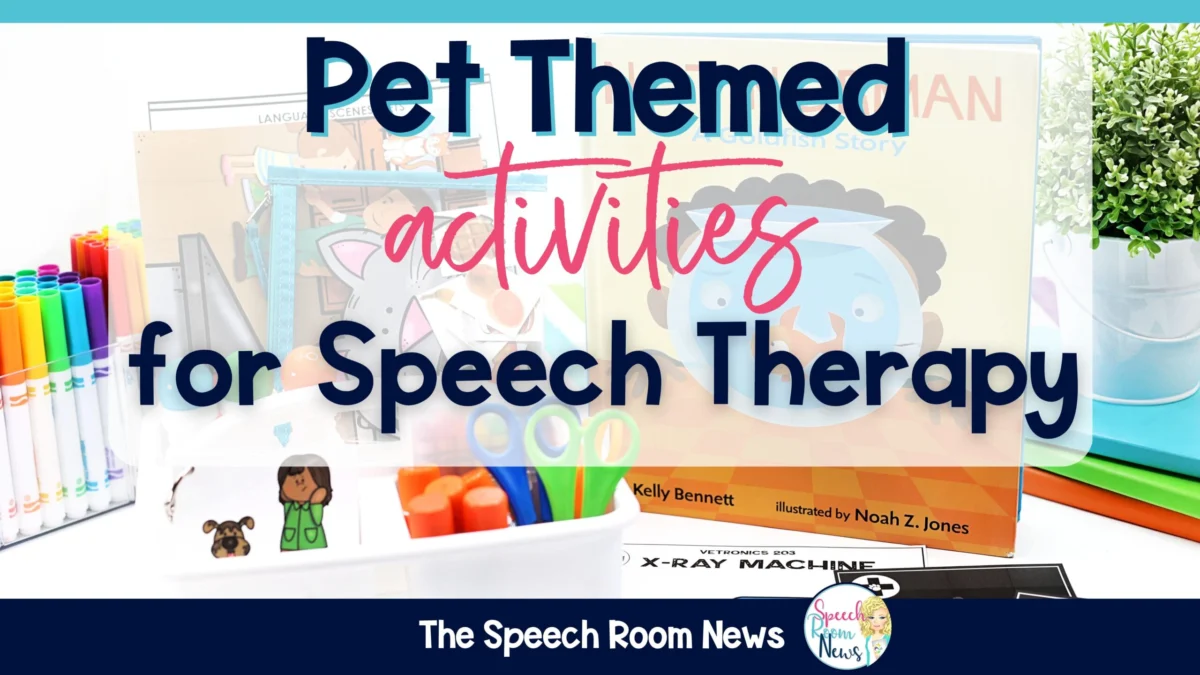
In a significant development reflecting evolving pedagogical strategies within pediatric healthcare, Speech-Language Pathologists (SLPs) are increasingly adopting thematic approaches, with pet-themed lessons emerging as a particularly effective and engaging methodology for fostering speech and language development in young children. This shift, driven by a growing body of research supporting play-based and context-rich learning, underscores a broader movement towards more dynamic and child-centric therapeutic interventions, offering substantial benefits in terms of student engagement, skill acquisition, and therapeutic efficiency.
The Foundational Shift: Why Thematic Learning Resonates in Speech Therapy
The traditional landscape of speech therapy, while always focused on targeted skill development, has witnessed a gradual but profound shift towards integrating methodologies that leverage children’s natural curiosity and play instincts. Thematic units, such as those centered around pets, capitalize on intrinsic motivation, creating a cohesive and immersive learning environment that transcends isolated drills. This approach is rooted in several key educational and psychological principles:
Firstly, holistic development: Thematic units naturally integrate various domains of learning—cognitive, linguistic, social-emotional, and motor skills—rather than treating them in isolation. A pet theme, for instance, allows for discussions about animal care (cognitive), describing pet characteristics (linguistic), role-playing a vet visit (social-emotional), and mimicking animal movements (motor). This integrated approach mirrors how children learn in natural environments, making the therapeutic process more intuitive and effective.

Secondly, enhanced engagement and motivation: Young children learn best when they are interested and actively participating. Pets, being a universally beloved subject, immediately capture attention and spark enthusiasm. When therapy activities are framed within a captivating theme, children are more likely to remain focused, volunteer responses, and persevere through challenging tasks. This intrinsic motivation significantly reduces resistance often associated with repetitive therapeutic exercises, transforming sessions into enjoyable experiences.
Thirdly, contextualized learning: Themes provide a rich context for vocabulary acquisition and language use. Rather than learning words in isolation, children encounter them within meaningful scenarios. In a pet theme, words like "collar," "leash," "groom," "feed," "bark," and "purr" are introduced alongside relevant images, actions, and narratives, aiding comprehension and retention. This contextual embedding facilitates deeper understanding and more robust semantic networks.
Fourthly, time and resource efficiency for SLPs: From a practical standpoint, year-round themes offer considerable advantages for busy SLPs. By developing or acquiring themed resource kits, therapists can significantly reduce preparation time. Unlike holiday-specific themes, which have limited usability, a versatile theme like "pets" can be revisited multiple times throughout the year, maximizing the return on investment for materials and planning efforts. This efficiency allows SLPs to dedicate more time to direct therapy and individualized student needs rather than administrative tasks.
Targeted Benefits for Speech and Language Development through Pet Themes
The application of pet-themed lessons is meticulously designed to address a wide spectrum of speech and language goals, catering to diverse needs within a pediatric caseload.

1. Vocabulary Expansion and Semantic Development:
A pet theme introduces a vast array of vocabulary across multiple semantic categories. Children can learn names of various pets (dog, cat, fish, bird, hamster, turtle), pet accessories (collar, leash, bowl, cage, litter box, aquarium), actions associated with pets (feed, walk, cuddle, groom, play, fetch, pat), and descriptive adjectives (furry, scaly, fluffy, wet, happy, sad, fast, slow). This rich lexical input enhances receptive and expressive vocabulary, aiding in concept formation and categorization skills. For instance, activities can involve sorting animals by habitat (land, water, air), by sound, or by type of food they eat.
2. Articulation and Phonological Skills:
Many pet-related words naturally contain target sounds, making them excellent vehicles for articulation practice. Words like "dog," "dig," "duck," "drum" (for /d/ sounds); "cat," "comb," "collar," "cage" (for /k/ sounds); "fish," "fur," "feed" (for /f/ sounds); and "snake," "sleep," "soft" (for /s/ sounds) can be incorporated into games and activities. The sounds pets make (e.g., "woof-woof," "meow," "squeak," "hiss") also provide natural opportunities for practicing specific phonemes and sound patterns, particularly beneficial for children working on phonological processes. Interactive digital games, such as "Feed the Dog Articulation Boom Cards," can gamify this practice, providing immediate auditory feedback (like a "crunch" sound when the dog "eats" a word) to maintain engagement.
3. Sentence Structure and Grammar:
Pet-themed narratives and descriptive activities offer ample opportunities to practice various grammatical structures. Children can work on:
- Subject-verb agreement: "The dog runs," "The cats sleep."
- Pronouns: "She feeds him," "They play with it."
- Prepositions: "The cat is under the table," "The fish is in the bowl."
- Adjectives: "The fluffy cat," "The big dog."
- Sentence expansion: Moving from "Dog runs" to "The brown dog runs fast in the park."
Story retelling and creating short narratives about pets further reinforce complex sentence structures and sequencing skills.
4. Social Communication and Pragmatic Language:
Role-playing scenarios, such as visiting a veterinarian’s office with a sick pet, adopting a pet, or taking a pet for a walk, are invaluable for developing social communication skills. These activities encourage:
- Turn-taking: During conversations and games.
- Joint attention: Focusing on a shared object or activity.
- Perspective-taking: Understanding the vet’s role or the pet’s needs.
- Problem-solving: Deciding how to care for a "sick" pet.
- Emotional expression and recognition: Discussing feelings associated with pets (e.g., happiness, sadness if a pet is lost).
These interactions build foundational pragmatic skills essential for effective social interaction.
5. Auditory Processing and Phonological Awareness:
Songs about pets, such as "I Have a Pet," "Do You Have a Pet?", "I Love Dogs," and "Wag Your Tail," are excellent for developing auditory processing skills, rhythm, and phonological awareness. The repetitive nature of these songs helps children identify rhyming words, recognize sound patterns, and segment words into syllables. Animal sounds also provide opportunities for auditory discrimination and identification.

Integrating Diverse Modalities: A Comprehensive Pet-Themed Toolkit
A truly effective pet-themed therapy unit leverages a multi-modal approach, incorporating literature, music, interactive games, hands-on toys, creative crafts, and sensory experiences.
1. Pet-Themed Literature:
Books serve as powerful tools for language development, fostering narrative skills, comprehension, and expressive language.
- Not Norman by Kelly Bennett: This humorous story explores a boy’s initial disappointment with a goldfish named Norman, highlighting themes of acceptance and discovering unique qualities. It’s excellent for discussing emotions, character development, and narrative sequencing.
- Some Pets by Angela DiTerlizzi: With vibrant illustrations, this book showcases a diverse group of children and their various pets, promoting vocabulary, categorization, and discussions about pet ownership responsibilities.
- Lola Gets a Cat by Anna McQuinn: Lola’s journey of wanting and eventually getting a cat provides a context for discussing expectations versus reality, responsibility, and the steps involved in caring for a new pet.
- Interactive Vocabulary Books: Specialized interactive books focusing on pet vocabulary (e.g., types of pets, pet actions, pet care items) are crucial for reinforcing target words and concepts. These can often be paired with hands-on play activities, such as a critter vet clinic, to make learning concrete.
2. Pet-Themed Songs and Movement:
Music and movement are critical for engaging young learners, enhancing rhythm, phonological awareness, and motor imitation. Simple, repetitive songs about pets help children practice animal sounds, action words, and basic vocabulary in a joyful, low-pressure environment. These songs also provide opportunities for following directions and developing gross motor skills through accompanying actions.
3. Interactive Games for Targeted Practice:
Games are central to maintaining engagement and providing structured practice.

- Color and Play Pets Bingo: This game is versatile, allowing SLPs to target various goals. Students can identify pictures, match items, follow directions (e.g., "color the dog blue"), and articulate target sounds while marking their cards. It also promotes turn-taking and listening skills.
- Feed the Dog Articulation Boom Cards: As mentioned, these digital, interactive cards are highly motivating for articulation practice. The immediate feedback and engaging visuals make repetitive sound practice fun and effective.
4. Hands-on Play and Therapeutic Toys:
Tactile and imaginative play with pet-themed toys fosters creativity, functional language use, and social skills.
- Critter Clinic Toy Vet Set: This popular toy, featuring small doors, locks, stuffed animals, and vet tools, is a powerhouse for therapy. SLPs can target:
- Following directions: "Open the blue door," "Give the dog a shot."
- Prepositions: "Put the cat in the cage," "The dog is on the table."
- Action words: "Examine," "heal," "feed," "check."
- Problem-solving: "What’s wrong with the bunny?"
- Sentence formulation: Describing what the vet is doing or what the animal needs.
- Social communication: Role-playing vet and pet owner interactions.
- Hape Family Pet Houses: These miniature sets with small pieces are excellent for stimulating imaginative play and targeting a multitude of language opportunities, including descriptive language, spatial concepts, and narrative generation.
5. Creative Arts and Crafts:
Crafts like the "Paper Plate Clifford Craft" (inspired by Clifford the Big Red Dog) combine fine motor skill development with language goals. Reading Clifford books beforehand enhances narrative comprehension and vocabulary. Crafting also provides opportunities for following multi-step directions, describing colors and shapes, and expressing creativity.
6. Sensory Play for Tactile Exploration and Descriptive Language:
Sensory bins, filled with materials like dry black beans, brown rice, or even shredded paper, along with small pet figures and accessories, offer a rich environment for tactile exploration and language development.
- Descriptive language: Children can describe the textures, colors, and shapes of the items.
- Receptive identification: Following directions to find specific pets or items.
- Inferencing: Describing parts of a hidden pet ("I see a pointy black ear") to guess what it is.
Sensory play is particularly beneficial for engaging children who may struggle with attention or who benefit from multi-sensory input.
Professional Perspectives and Research Support
Leading professional organizations, such as the American Speech-Language-Hearing Association (ASHA), advocate for evidence-based practices that integrate play and child-centered approaches in speech therapy. While specific research on "pet-themed" therapy is emerging, the broader body of literature strongly supports thematic, play-based interventions for early childhood language development. Studies consistently demonstrate that children acquire and generalize new skills more effectively when learning occurs in meaningful, engaging contexts.

Dr. Sarah Miller, a pediatric SLP with over 15 years of experience, notes, "Thematic units, especially those like pets that resonate deeply with children, are game-changers. They not only make therapy enjoyable but also provide a natural scaffolding for language acquisition. I’ve seen remarkable progress in vocabulary, articulation, and even social pragmatic skills when children are immersed in a theme they love." This sentiment is echoed by educators and child development specialists who emphasize the power of play in fostering cognitive and linguistic growth.
Broader Impact and Future Directions
The increasing adoption of thematic lessons signifies a mature understanding of child development and effective pedagogy within speech-language pathology. The impact extends beyond individual therapy sessions:
- Enhanced Early Intervention Success: Engaging themes can lead to earlier and more sustained progress, potentially reducing the duration or intensity of therapy needed.
- Increased Parental Engagement: The fun and accessible nature of pet themes can encourage parents to carry over activities at home, reinforcing learning in natural environments.
- Professional Development and Resource Creation: The demand for well-designed thematic resources, such as comprehensive "Speech Therapy Kits" that include a full month of lessons, printables, interactive play resources, and parent handouts, is likely to grow, fostering innovation in therapeutic material development.
- Cost-Effectiveness for Schools and Clinics: By utilizing versatile, year-round themes, educational institutions and private clinics can optimize their investment in therapeutic materials, benefiting from resources that can be reused multiple times.
In conclusion, the strategic implementation of pet-themed lessons in speech and language therapy represents a highly effective and innovative approach to addressing the communication needs of young children. By harnessing the universal appeal of pets and integrating diverse learning modalities, SLPs are transforming therapy into an engaging, efficient, and profoundly impactful experience, setting a new standard for pediatric speech-language intervention. The success of these thematic units underscores the critical importance of child-centered, play-based methodologies in fostering comprehensive linguistic and communicative competence.
