

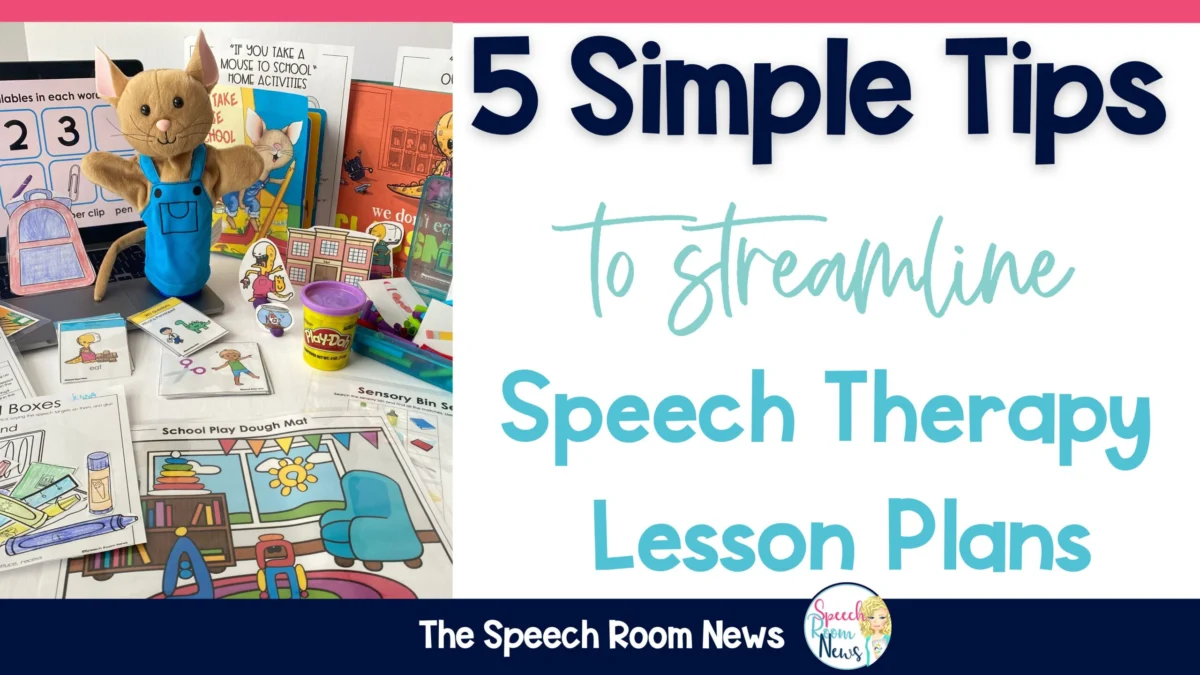
The landscape of school-based speech-language pathology is characterized by a complex interplay of high caseloads, diverse student needs, and an ever-increasing demand for individualized intervention. Speech-Language Pathologists (SLPs) in educational settings frequently manage caseloads that can range from 50 to over 70 students, each presenting with unique speech, language, and communication goals outlined in their Individualized Education Programs (IEPs). This substantial workload, coupled with administrative duties, progress monitoring, and collaborative responsibilities, often leaves SLPs with limited time for comprehensive lesson planning. The traditional approach of developing 50 individual lessons per week for each student is not only unsustainable but also a significant contributor to professional burnout. Recognizing this critical challenge, experienced SLPs and educational administrators are increasingly advocating for and implementing streamlined lesson planning methodologies designed to enhance efficiency without compromising the quality or effectiveness of therapy.
The imperative for more efficient planning stems from both practical and pedagogical considerations. From a practical standpoint, reducing the hours spent on lesson preparation directly translates to more time for direct student interaction, consultation with teachers and parents, and essential documentation. Pedagogically, systematic and coherent planning ensures that therapy sessions are well-structured, engaging, and directly aligned with student goals and curriculum standards. The adoption of innovative planning strategies is not merely about saving time; it is about optimizing therapeutic impact, fostering student progress, and promoting the professional well-being of SLPs.
The Growing Demands on School-Based SLPs
The role of a school-based SLP has expanded considerably over the past decades. Beyond direct intervention, SLPs are integral members of multidisciplinary teams, conducting assessments, contributing to IEP development, providing professional development to educators, and serving as vital resources for students with complex communication needs, including those utilizing Augmentative and Alternative Communication (AAC). This multifaceted role often places SLPs under immense pressure, with time management emerging as a primary concern. A recent informal survey among SLP professionals indicated that lesson planning and material preparation can consume between 5 to 10 hours per week, even for experienced practitioners. For those new to the field, this figure can be significantly higher, leading to feelings of overwhelm and inadequacy, as noted by many early-career SLPs who struggle to balance comprehensive planning with the demands of learning a new student population and navigating school systems.
The foundational challenge lies in the inherent variability of student needs. A single therapy group might include students targeting articulation, expressive language, receptive language, and social communication goals simultaneously. Crafting distinct, effective activities for each goal within a limited session timeframe necessitates a strategic approach to planning that moves beyond individual worksheet-based interventions. The following five strategies, refined over years of practice, offer a robust framework for SLPs to develop adaptable, impactful, and sustainable lesson plans.
Five Pillars of Efficient Speech Therapy Planning
1. Leveraging Thematic Units for Cohesive Instruction
One of the most effective strategies for streamlining speech therapy lesson plans involves the implementation of thematic units. This approach centers on selecting a unifying theme—such as "Fall Harvest," "Ocean Life," "Community Helpers," or "Space Exploration"—for a week or an entire month. Once a theme is established, all therapeutic materials and activities are curated to align with it. This can include selecting books, toys, worksheets, and craft activities that naturally integrate the chosen theme, allowing for a cohesive and engaging learning environment.
The pedagogical benefits of thematic planning are substantial. It fosters generalization of skills by presenting target concepts across various contexts and modalities. For instance, within an "Ocean Life" theme, students can practice articulation by naming marine animals, develop expressive language by describing their habitats, improve receptive language by following instructions related to ocean activities, and enhance social communication through discussions about ocean conservation. Materials, such as picture cards of sea creatures or storybooks about underwater adventures, can be adapted for multiple goals within a mixed group.
A significant practical advantage of thematic planning is its reusability. Once a thematic unit is developed and its associated materials are gathered, it can be readily deployed in subsequent years, with minor adaptations to suit new student populations or evolving curriculum standards. This gradual accumulation of ready-to-use resources drastically reduces preparation time over the long term, transforming initial investment into lasting efficiency. Furthermore, thematic units can easily align with classroom curricula, facilitating cross-disciplinary learning and strengthening the connection between speech therapy and academic success. Educational research consistently supports the use of thematic instruction for its ability to create meaningful learning experiences and improve knowledge retention across various subjects.
2. Integrating Literacy for Comprehensive Language Development
Literacy-based therapy is a powerful approach that leverages the rich content of picture books to target a wide array of speech and language goals. This method is particularly beneficial because a single high-quality book can serve as the foundation for multiple sessions and address diverse objectives within a mixed therapy group, significantly reducing the need for extensive material creation. The inherent narrative structure and vocabulary of books provide natural contexts for targeting articulation, phonological awareness, vocabulary acquisition, grammar, comprehension, and social inferencing skills.
The framework for literacy-based intervention typically includes several key stages:
- Pre-story Knowledge Activation: Students engage in discussions or activities that activate their prior knowledge related to the book’s topic, characters, or setting. This prepares them for comprehension and introduces relevant vocabulary.
- Shared Story Reading: The SLP reads the book aloud, employing strategies like questioning, predicting, and modeling language, ensuring active participation and comprehension.
- Focused-Skill Activities: This stage involves targeted activities directly linked to the book’s content, addressing specific IEP goals. For example, using character descriptions to work on adjectives, retelling events to practice sequencing, or identifying initial sounds in key vocabulary words.
- Post-story Comprehension Discussion: Students reflect on the story, answer higher-level comprehension questions, summarize, or make personal connections, reinforcing understanding and promoting critical thinking.
The strategic advantage of this approach lies in its inherent efficiency and its strong link to academic curriculum. Many pre-made materials aligned with popular children’s books are available, further reducing preparation time. Moreover, if SLPs coordinate with classroom teachers to utilize books currently being read in class, it creates a powerful synergy, reinforcing learning across settings and enhancing the relevance of speech therapy goals to the broader educational experience. This approach extends well into secondary grades, where more complex texts can be used to target advanced language skills.
3. Cultivating Narrative Skills for Academic Success
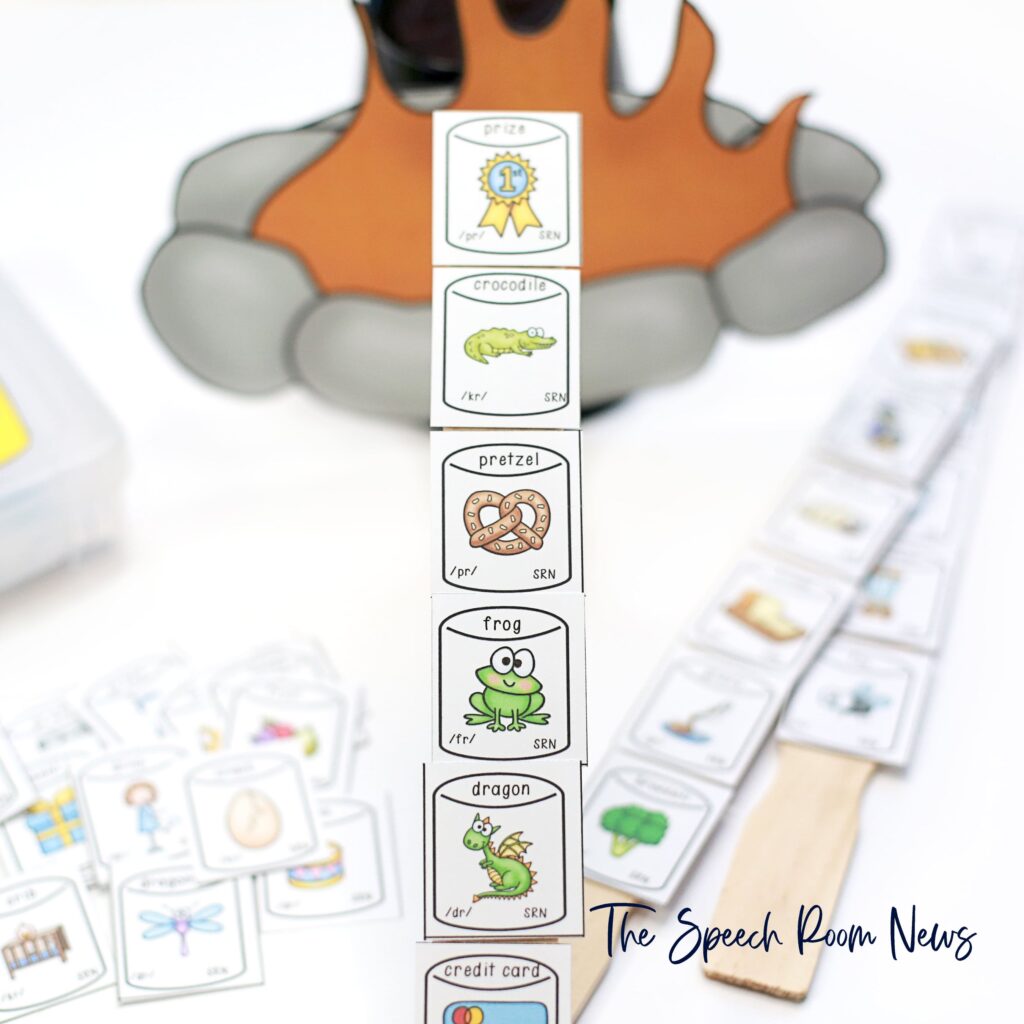
The narrative language approach focuses on teaching storytelling abilities while simultaneously targeting specific speech and language skills. While sharing similarities with literacy-based therapy in its use of stories, this approach places a distinct emphasis on the structure and generation of narratives. The primary goal is to improve students’ ability to comprehend, retell, and create their own stories, a skill critical for academic success across all subjects, from understanding historical events to explaining scientific processes.
In narrative language intervention, the SLP typically presents various stories over time, often one per session, focusing on their underlying structure. Key components of story grammar—such as characters, setting, initiating event, rising action, climax, falling action, and resolution—are explicitly taught and practiced. Students engage in story retell tasks, analyzing and reconstructing narratives, and then progress to story generation tasks, where they create original stories. This approach also places a significant emphasis on developing complex syntax and vocabulary within narrative contexts.
The major benefit of integrating a narrative language approach is its direct impact on broader cognitive and academic functions. By focusing on narrative skills in addition to specific IEP targets, SLPs help students develop foundational competencies that generalize across the curriculum. Improved storytelling abilities enhance reading comprehension, written expression, and social communication, as narratives are fundamental to human interaction. Tools like "story grammar icons" or visual organizers are frequently employed to provide scaffolding for students, making the abstract concepts of story structure more concrete and accessible. This method ensures that the speech and language skills acquired in therapy are not isolated but deeply integrated into the communicative and academic demands students face daily.
4. Maximizing Engagement with Multi-Goal Toys and Games
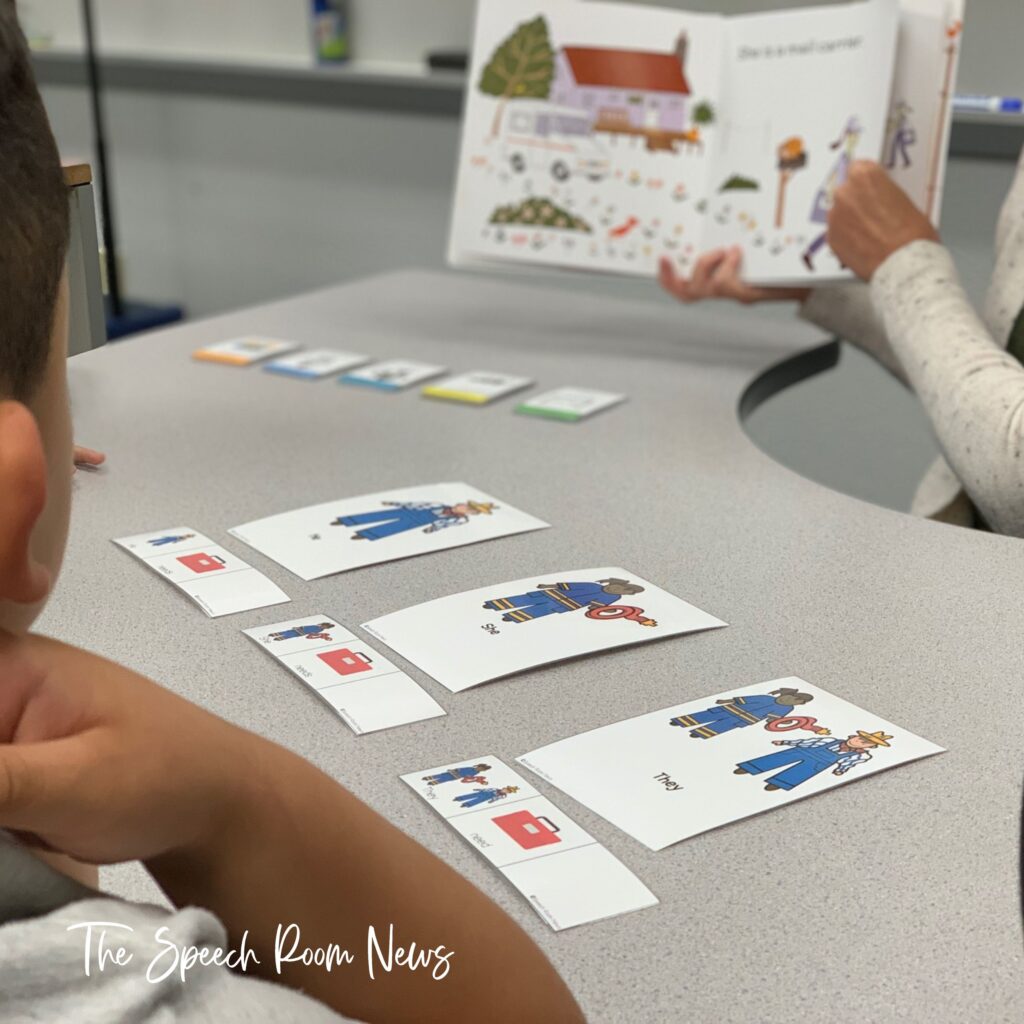
One of the most pragmatic and time-saving strategies is to utilize a single versatile toy or game to target a multitude of speech and language goals within a therapy session. This "one-toy, many-goals" philosophy dramatically reduces preparation time and material clutter, making sessions both efficient and inherently engaging for students. The key lies in selecting toys or games that offer multiple opportunities for interaction, description, turn-taking, and problem-solving.
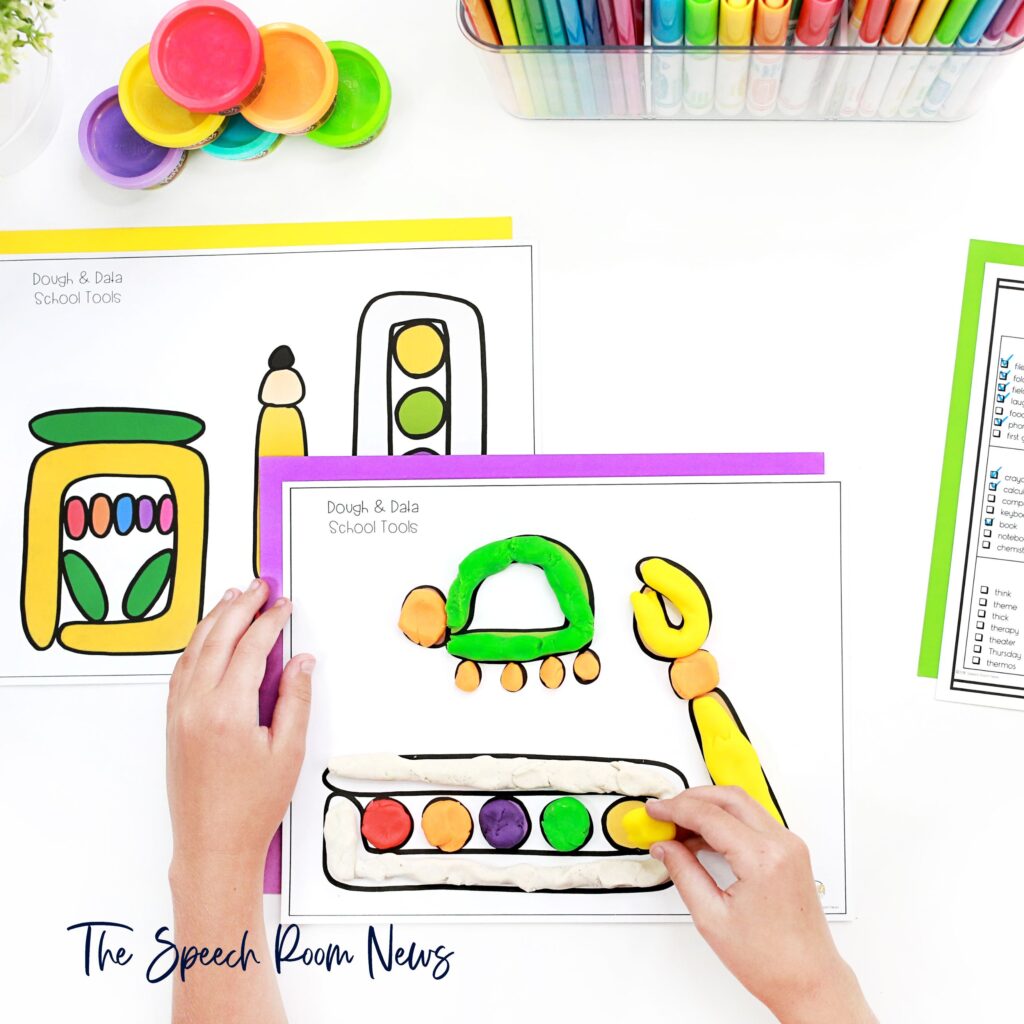
For instance, classic board games like "Candyland" or "Chutes and Ladders" can be transformed into robust therapy tools. Instead of simply moving pieces, students must produce target sounds, answer questions, describe items, or use specific grammatical structures before taking their turn. Supplementary cards can be created or purchased to align with various goals, such as articulation drills, vocabulary definitions, sentence formulation prompts, or social scenario questions. Similarly, "Play-Doh" is a remarkably adaptable medium. Beyond fine motor development, it can be used for descriptive language (colors, textures, shapes), following multi-step directions, practicing articulation (e.g., making a "snake" for /s/ sounds), and even informal progress monitoring through structured play activities.
"Mini objects" represent another highly effective resource. These small, tangible items are inherently motivating and can be used to target an extensive range of goals:
- Articulation: Naming objects containing target sounds.
- Vocabulary: Naming, describing, categorizing objects.
- Syntax/Morphology: Creating sentences using objects, practicing pluralization or verb tenses.
- Prepositions: Placing objects "on," "under," "next to" other items.
- Storytelling: Using objects as props for spontaneous narratives.
- Following Directions: Multi-step commands involving various objects.
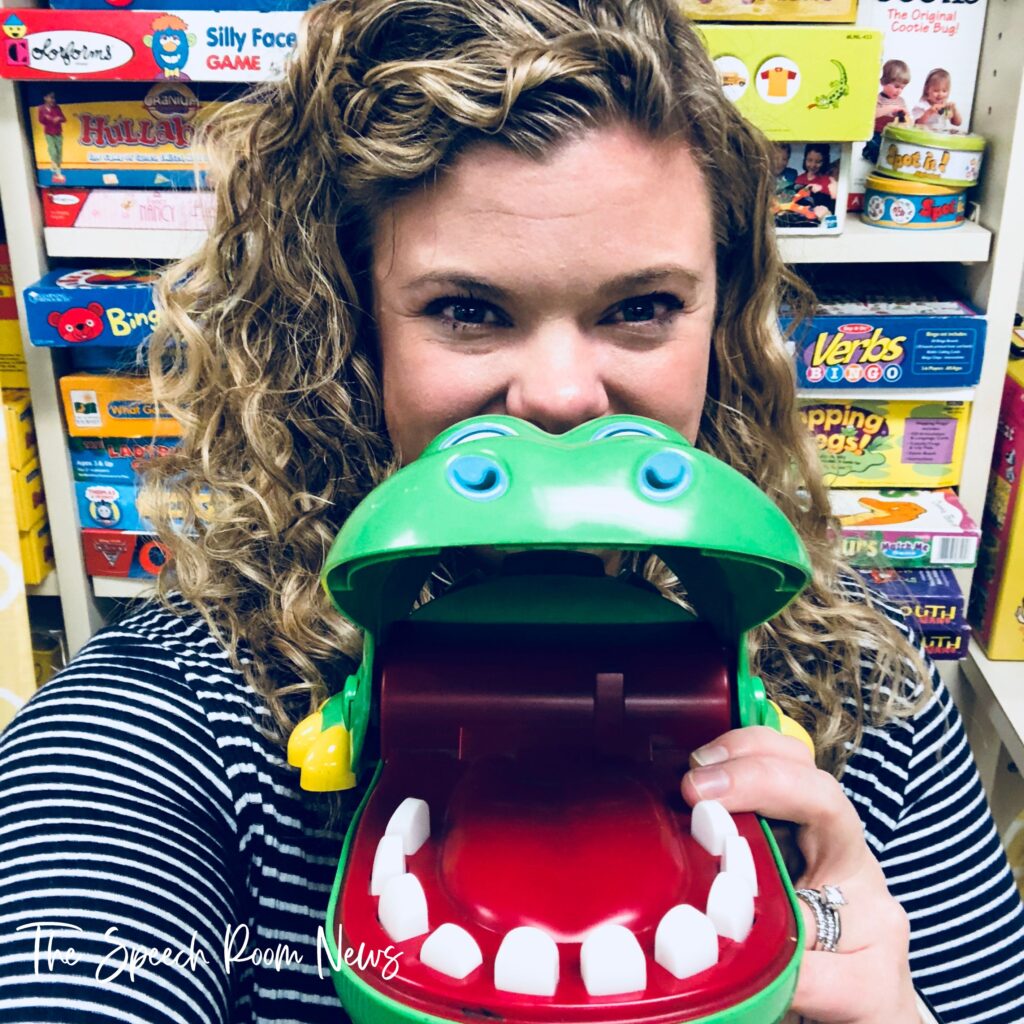
Beyond these, popular toys such as the "Crocodile Dentist" game or a "Melissa and Doug Ice Cream Shop" offer rich opportunities for pretend play, which is invaluable for developing social communication, vocabulary related to daily routines, and functional language skills. With the "Ice Cream Shop," for example, an SLP can target verbs ("scoop," "serve"), prepositions ("on top of"), descriptive language ("chocolate," "strawberry"), requesting ("Can I have…"), and social scripts ("Thank you," "Please"). The versatility of such toys allows for dynamic sessions that keep students engaged while addressing their diverse IEP goals simultaneously.
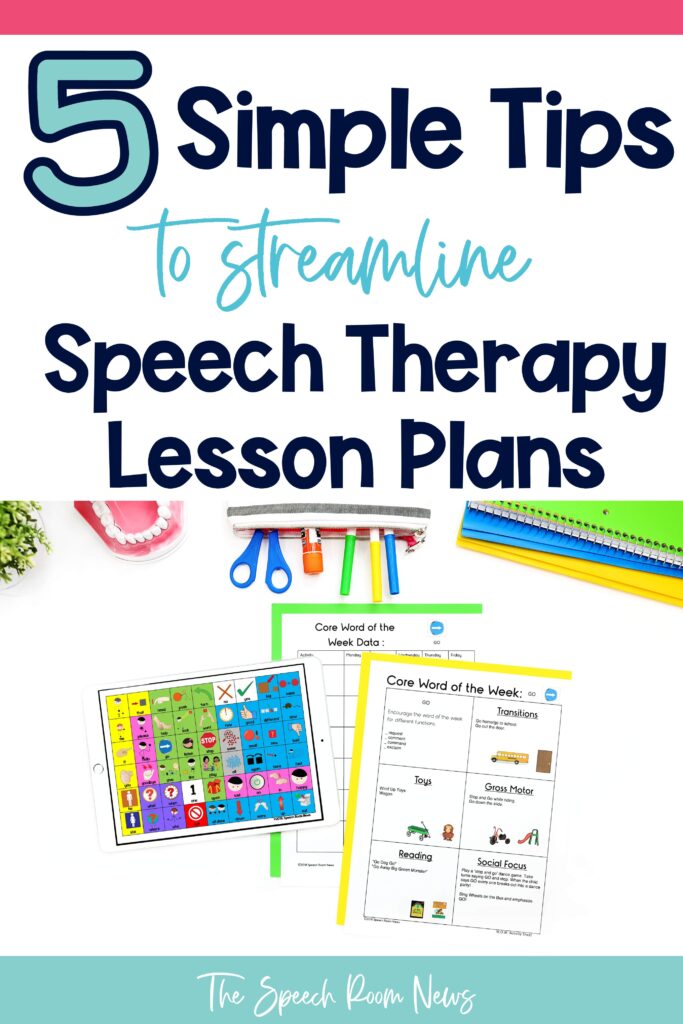
5. Structured AAC Core Word Instruction for Inclusive Communication
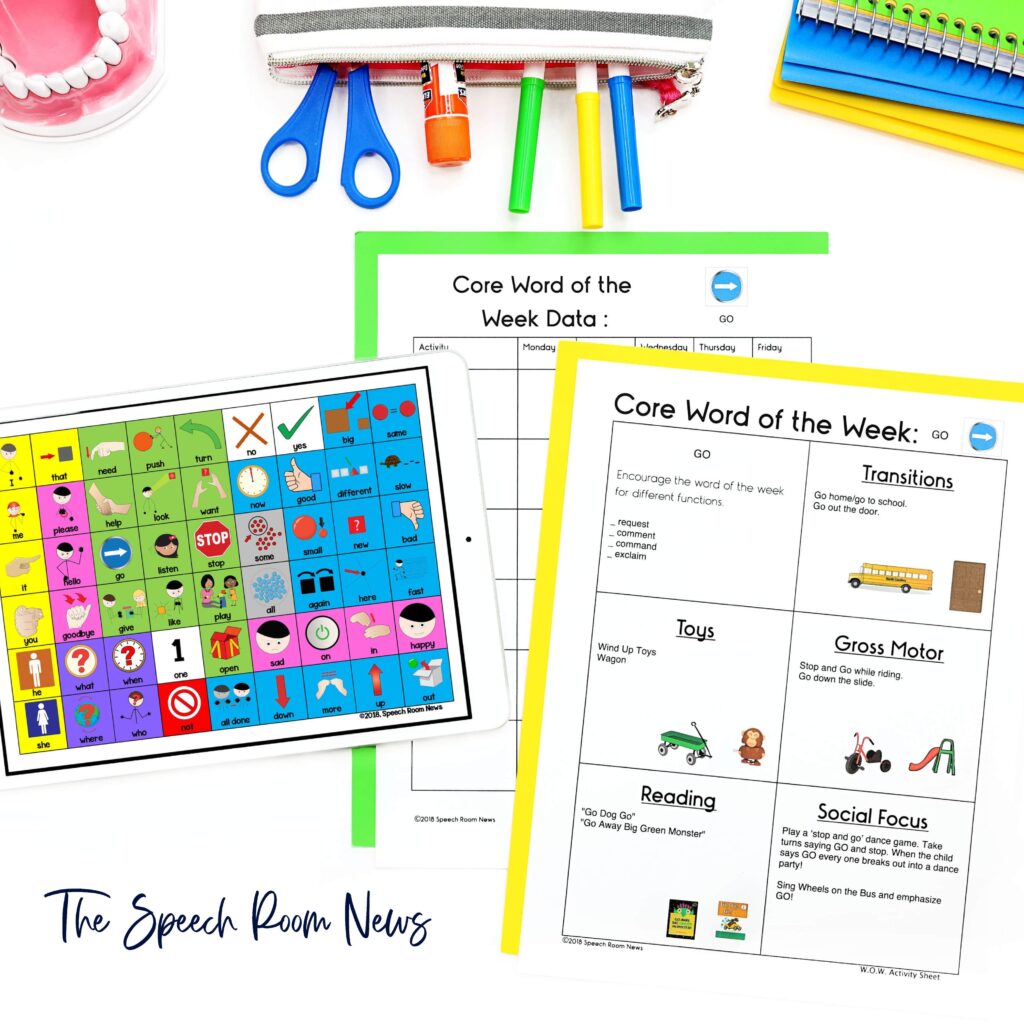
For students who rely on Augmentative and Alternative Communication (AAC), systematic and consistent instruction in core vocabulary is paramount. The "Core Word of the Week (WOW)" approach provides a structured, efficient framework for planning and implementing AAC instruction, ensuring that these vital communication tools are effectively integrated into the student’s daily life. Core words are high-frequency words (e.g., "go," "want," "more," "stop," "in," "out") that are applicable across various contexts and communicative functions.
The AAC Core Word of the Week methodology typically involves selecting a small set of core words (e.g., 2-4) to focus on for a specific period, often a week or a month. Lesson plans are then developed around these target words, providing multiple opportunities for modeling, practice, and generalization. This approach offers several significant benefits:
- Consistency Across Environments: By establishing a routine, all members of the IEP team—SLPs, teachers, paraprofessionals, and parents—are aware of the target words, promoting consistent modeling and use across the school and home environments. This shared focus is crucial for AAC users to develop proficiency.
- Reduced Planning Burden: The structured nature of the WOW approach provides a clear framework, significantly reducing the SLP’s planning time. Resources often include pre-made lesson plans, visual aids (e.g., signs for doors), and parent letters, streamlining communication and collaboration.
- Deepened Understanding: Focusing on a limited set of words allows for intensive, repeated exposure and practice, fostering a deeper understanding of word meaning and function.
- Empowerment: Consistent access to and instruction in core words empowers AAC users to communicate a wide range of messages, express wants and needs, comment, and participate more fully in their educational and social environments.
Examples of core word sets that can be targeted include "Go, In, Different, Help" or "Want, Me, More, Stop." These foundational words are essential building blocks for more complex communication. The structured, routine-based nature of this approach makes it an invaluable tool for ensuring effective and inclusive communication support for AAC users, ultimately leading to greater independence and participation.
Beyond Daily Planning: The Role of ‘Grab-and-Go’ Resources
While the aforementioned strategies focus on proactive planning, the reality of school-based practice often necessitates reactive solutions. Unexpected schedule changes, student absences, last-minute referrals, or simply the need for a brief filler activity can disrupt even the most meticulously planned day. This is where a readily accessible collection of "Grab-and-Go" materials proves invaluable. Maintaining a curated set of pre-prepped, versatile resources can serve as a critical safety net, ensuring that therapy sessions remain productive and engaging even when unforeseen circumstances arise.
These essential resources typically include:
- Articulation Cards: Comprehensive sets targeting various phonemes in different word positions, often with visual cues for younger students. These can be quickly pulled out for drill practice or integrated into games.
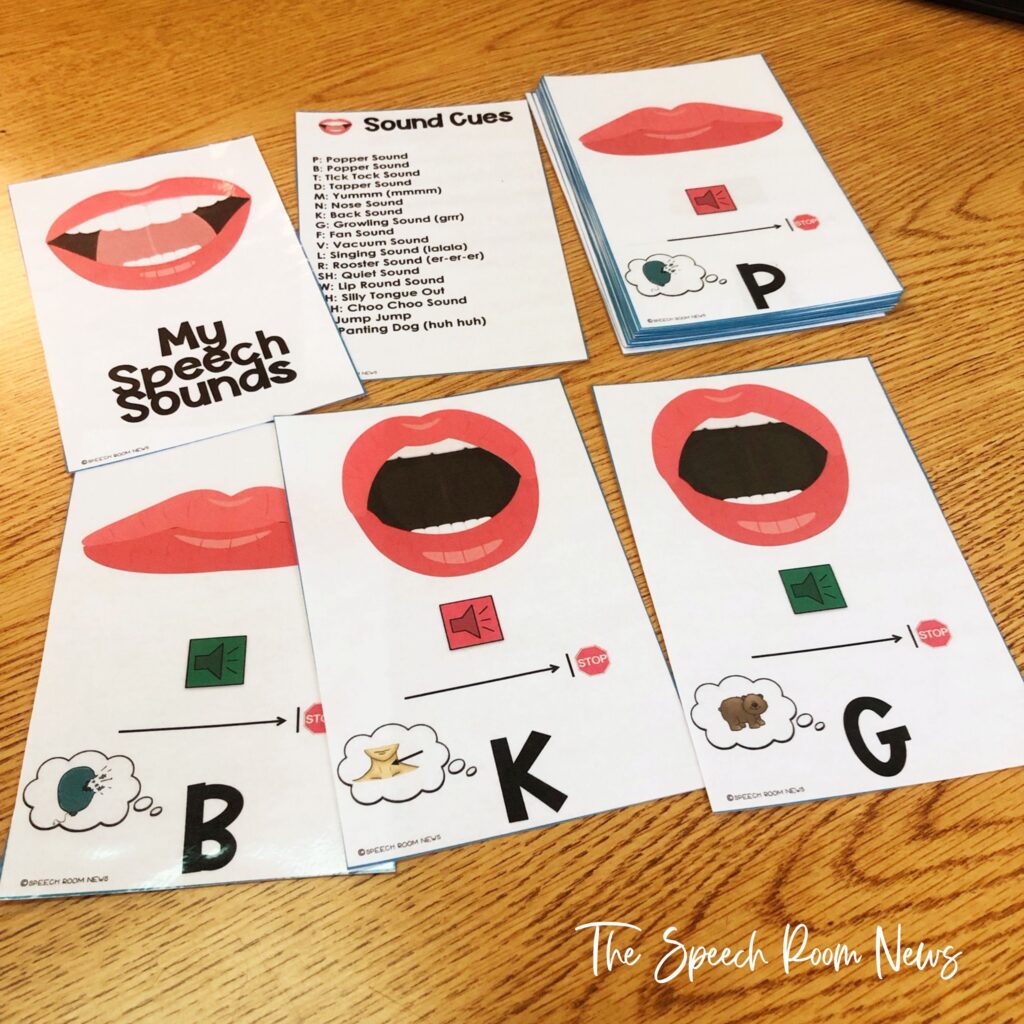
- Speech Sound Posters: Visual aids illustrating articulatory placement for different sounds, useful for quick reference and teaching.
- Print & Go Articulation and Phonology Home Packets: Ready-to-send resources for home practice, promoting carryover of skills.
- Visual Supports and Behavior Supports: Laminated cards or mini-books illustrating social rules, communication strategies, or behavioral expectations. These are essential for managing group dynamics and supporting students with social-emotional learning needs.
- Mini Books on Specific Skills: Compact, targeted resources like "Speech Helpers" mini-books that explain concepts like tongue placement or breath support in an accessible format.
The availability of such materials ensures continuity of therapy, even in the absence of the primary SLP (e.g., for a substitute SLP), and significantly reduces stress during busy periods. It represents a proactive measure to manage the unpredictable nature of the school environment, transforming potential disruptions into opportunities for flexible and responsive intervention.
Broader Implications: Enhancing Student Progress and SLP Well-being
The shift towards more streamlined and strategic lesson planning methodologies has far-reaching implications for the entire educational ecosystem. For students, these approaches translate into more consistent, targeted, and engaging therapy sessions, directly contributing to accelerated progress toward their IEP goals. When SLPs are less burdened by excessive planning, they can dedicate more energy and focus to direct instruction, data collection, and individualized support, leading to demonstrably better outcomes.
From the perspective of the SLP profession, the adoption of these strategies is a critical step in combating burnout and improving job satisfaction. Reducing the administrative load associated with lesson planning allows SLPs to reclaim valuable time, fostering a healthier work-life balance and promoting greater professional longevity. Educational leaders and professional organizations, such as the American Speech-Language-Hearing Association (ASHA), consistently highlight the importance of efficient practice models that support both practitioner well-being and service delivery excellence.
Furthermore, these planning methods promote greater integration of speech and language therapy with the general education curriculum. Thematic and literacy-based approaches, in particular, bridge the gap between specialized instruction and classroom learning, making therapy more relevant and meaningful for students. This collaborative synergy enhances the overall support system for students with communication disorders, ensuring that their needs are addressed holistically across all learning environments.
Conclusion: A Path Forward for Effective Practice
The demands on school-based Speech-Language Pathologists are undeniable, necessitating a strategic evolution in how therapy is planned and delivered. The transition from individualized, time-consuming lesson creation to integrated, thematic, and resource-efficient methodologies is not merely a convenience but a professional imperative. By embracing strategies such as thematic units, literacy-based intervention, narrative language approaches, versatile multi-goal toys, and structured AAC core word instruction, complemented by a robust collection of "Grab-and-Go" materials, SLPs can significantly enhance their efficiency. This shift empowers them to optimize their therapeutic impact, foster greater student progress, mitigate professional burnout, and strengthen their integral role within the educational landscape. The future of effective speech therapy lies in smart, adaptable planning that maximizes every moment of intervention for the benefit of every student.
