

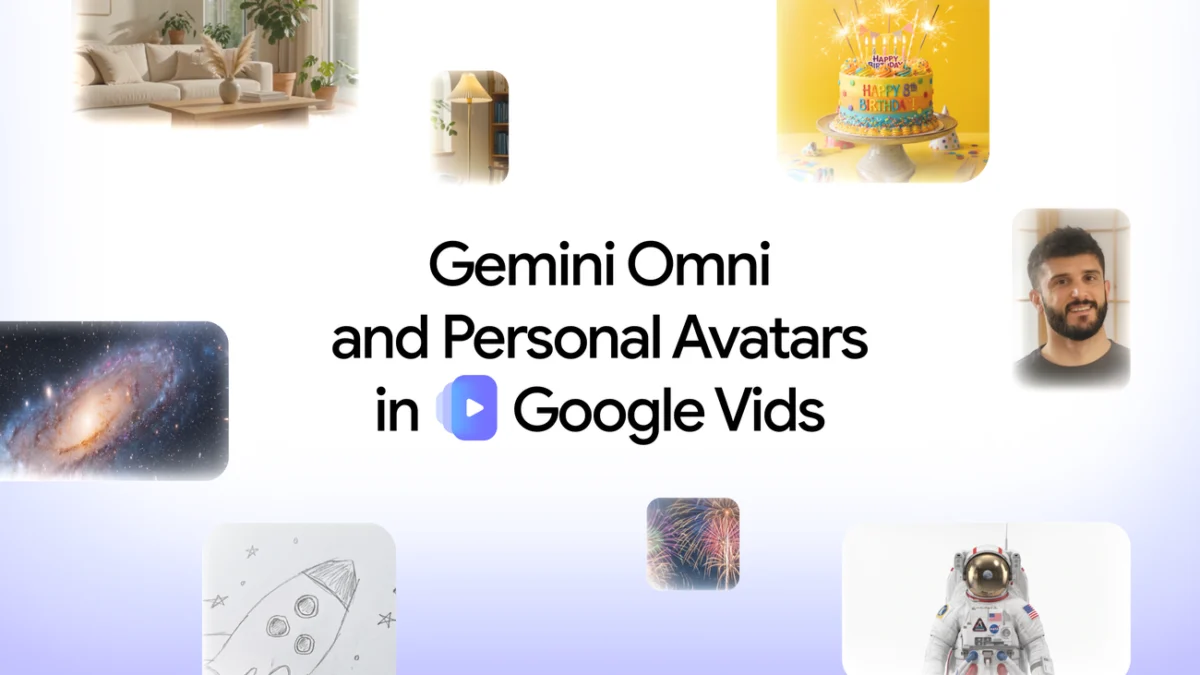
Google has announced a significant expansion of its AI-powered video creation platform, Google Vids, introducing two transformative features: Gemini Omni and Personal Avatars. These updates represent a pivot toward multimodal artificial intelligence, allowing users to generate, edit, and star in high-quality video content using natural language prompts and personalized digital likenesses. As businesses increasingly rely on video for internal communication, training, and marketing, these tools aim to lower the barrier to entry for professional-grade production, moving the needle from complex editing software to intuitive, AI-driven workflows.
The announcement, led by Product Manager Justin Luk, underscores Google’s commitment to integrating the Gemini ecosystem across its Workspace suite. By leveraging the latest advancements in generative AI, Google Vids is evolving from a simple assembly tool into a comprehensive production studio that requires no specialized hardware or traditional filming environments.
The Integration of Gemini Omni: A Multimodal Shift
At the heart of the latest update is Gemini Omni, a sophisticated multimodal model designed to handle diverse inputs simultaneously. Unlike previous iterations of video generation tools that relied solely on text-to-video capabilities, Gemini Omni allows for a more nuanced creative process. Users can now initiate a project with a simple text description and supplement it with visual references, such as a photograph of a product or a rough hand-drawn sketch of a scene layout.
The "Chat to Edit" functionality represents a major leap in user experience. In traditional video editing, making a minor change—such as swapping a background or adjusting the lighting—often requires navigating complex layers and timelines. With Gemini Omni, these adjustments are performed through a conversational interface. A user might prompt the system to "change the office background to a futuristic laboratory" or "brighten the lighting on the subject’s face," and the AI executes the request in real-time. This step-by-step editing capability ensures that users do not have to regenerate an entire clip from scratch to make iterative improvements, a common pain point in early generative AI video tools.
Personal Avatars: Solving the Camera-Ready Dilemma
Perhaps the most striking feature in this update is the introduction of Personal Avatars. This technology allows users to create a digital version of themselves that can deliver scripted content without the need for a physical camera setup. To generate an avatar, a user uploads a high-quality selfie and a short recording of their voice. The AI then synthesizes these inputs to create a digital twin that mimics the user’s appearance and vocal cadences.
This feature addresses a common hurdle in corporate video production: the time and resources required to get "camera-ready." Whether for a quick internal update, a personalized sales pitch, or a training module, Personal Avatars allow professionals to produce video messages simply by typing a script. The avatar handles the delivery, maintaining the user’s likeness and voice, which preserves the personal connection of video communication while eliminating the logistical friction of filming.
To mitigate concerns regarding deepfakes and unauthorized use, Google has implemented strict security protocols. Personal Avatars are linked directly to an individual’s Google Account and are restricted to the account holder’s own likeness. Furthermore, the feature is currently limited to users aged 18 and older in specific geographic regions, ensuring compliance with evolving digital identity regulations.
A Chronology of Google Vids Development
The rollout of Gemini Omni and Personal Avatars is the latest milestone in a rapid development cycle for Google Vids. To understand the significance of these updates, it is essential to look at the platform’s trajectory over the past year:

- April 2024: Google first unveiled Vids at the Google Cloud Next conference. Positioned as a "video-first" addition to Workspace, it was designed to sit alongside Docs, Sheets, and Slides, emphasizing collaborative storytelling for work.
- Early 2024 – Beta Phase: Initial testing focused on the "Help me create" feature, which generated storyboards and suggested stock footage based on user documents or prompts.
- February 2025: Google integrated Veo 3.1, its advanced video generation model, into the Vids platform. This allowed users to generate cinematic-quality clips directly within the application, moving beyond stock assets.
- Current Update: The introduction of Gemini Omni and Personal Avatars marks the transition from "generative assistance" to "autonomous production," where the AI can now handle both the visual environment and the human presence within the video.
Supporting Data and Market Context
The push toward AI-integrated video tools is supported by a growing body of data regarding workplace communication. According to industry reports, nearly 80% of employees prefer video over text for learning new tasks, yet only a fraction of corporate employees feel confident in their video production skills. By automating the technical aspects of editing and filming, Google is targeting a massive market of non-creative professionals who need to produce visual content.
In the broader landscape of AI video, Google is competing with both established creative suites like Adobe and specialized AI startups such as HeyGen and Synthesia. While startups have led the way in avatar technology, Google’s competitive advantage lies in its ecosystem. Because Google Vids is integrated into Workspace, it can pull data directly from Google Drive, Docs, and Slides to inform video content, creating a seamless workflow that independent platforms cannot easily replicate.
Security, Transparency, and Ethical Standards
As generative AI becomes more sophisticated, the risk of misinformation and digital forgery has become a primary concern for tech giants. Google has addressed this by incorporating SynthID into every clip generated via Google Vids. SynthID is an invisible digital watermark developed by Google DeepMind. It embeds metadata directly into the pixels of the video, making it detectable by specialized software even if the video is compressed or edited.
This commitment to transparency is a cornerstone of Google’s "Responsible AI" framework. By ensuring that AI-generated content is identifiable, Google aims to foster a culture of responsible creativity. This is particularly important for the Personal Avatar feature, where the potential for misuse is high. By tethering the avatar to the account holder’s verified identity, Google provides a layer of authentication that is crucial for enterprise-grade security.
Broader Impact and Industry Implications
The implications of these updates extend far beyond simple convenience. For human resources departments, the ability to generate personalized onboarding videos at scale could significantly improve employee engagement. For sales teams, the ability to send a personalized video message to a lead—starring an avatar that looks and sounds like the salesperson—could drastically increase conversion rates compared to standard emails.
Furthermore, the "Chat to Edit" feature powered by Gemini Omni signals a shift in the labor market for video editors. While high-end cinematic production will likely still require human expertise, the "prosumer" and corporate video markets are moving toward a model where the AI acts as the technical operator, and the human acts as the creative director.
From a technical standpoint, the success of Gemini Omni suggests that the future of AI lies in its ability to understand and synthesize different types of data (text, image, and video) simultaneously. This "omni-channel" understanding allows for a more holistic creative process, where the AI doesn’t just follow a command but understands the context and intent behind a user’s creative vision.
Conclusion: The Future of Workspace Video
As Google Vids becomes available to Google AI Pro, Ultra, and Workspace business customers, the platform is set to redefine what "work" looks like in the age of generative AI. By removing the barriers of technical skill and physical presence, Google is democratizing video production for millions of professionals.
The introduction of Gemini Omni and Personal Avatars is not just a feature update; it is a statement of intent. Google is betting that the future of communication is visual, and that the most effective way to empower users is to provide them with an AI-powered co-creator that can turn a simple idea into a professional-grade video in minutes. As these tools continue to evolve, the distinction between "creating" a video and "describing" a video will continue to blur, ushering in a new era of digital expression in the modern workplace.
