


As the calendar turned to Sunday, families across the nation observed Father’s Day, a time traditionally dedicated to honoring and celebrating the paternal figures who have played a role in their upbringing. This annual observance, while often filled with expressions of gratitude and affection, also serves as a poignant reminder that for many, the experience of fatherhood is far from universally positive or even present. The complexities surrounding this familial role can cast a shadow, impacting individuals’ perceptions of authority, love, and even spiritual connection, underscoring a profound truth: the influence of fathers, whether positive or negative, is a powerful and pervasive force that shapes lives in ways society often underestimates.
The challenges associated with fatherhood, and the absence of it, are not new phenomena. Throughout history, societies have grappled with the roles and responsibilities of men in family structures. In contemporary times, the discourse around fatherhood has evolved, acknowledging a broader spectrum of family configurations and the varied experiences individuals have with paternal figures. For some, the term "Father" can evoke painful memories stemming from earthly fathers who were absent, neglectful, abusive, or emotionally distant. This personal history can create significant barriers to understanding or accepting a benevolent, divine paternal figure, highlighting the deep psychological impact of early life experiences.
The Weight of Absence: Research and Realities
The profound impact of fatherhood is increasingly supported by empirical research. Studies consistently indicate that children with absent fathers often face heightened challenges. For boys, this can manifest as an increased likelihood of engaging in antisocial behaviors. For girls, the absence or detachment of a father figure has been linked to greater struggles with self-esteem and mental health issues. For instance, a longitudinal study published in the Journal of Adolescent Health found that the presence of a supportive father was a significant protective factor against adolescent depression in girls, even when controlling for other family dynamics. Conversely, research by the National Fatherhood Initiative has detailed correlations between father absence and higher rates of juvenile delinquency, poverty, and academic underachievement. These findings are not merely statistical anomalies; they represent tangible societal costs and individual adversities.
This research underscores a critical point: a father’s influence is indelible, regardless of its nature. Whether present or absent, engaged or detached, encouraging or critical, a father leaves an imprint on his children’s developing identities and worldviews. This influence begins long before a child enters formal education or the professional sphere. It is a foundational element of early childhood development, shaping how children perceive themselves, their relationships with others, and their understanding of the broader world.
The Science of Influence: A Foundational Understanding
Brian Ahearn, Chief Influence Officer at Influence PEOPLE and a faculty member at the Cialdini Institute, has dedicated decades to teaching the science of influence. His work, rooted in the principles of renowned social psychologist Robert Cialdini, emphasizes that influence is not solely a business or leadership tactic but a fundamental aspect of human interaction that begins at the most intimate level: the home. As parents, individuals are among the first and most significant influencers in a child’s life. Fathers, in particular, play a unique and irreplaceable role in shaping a child’s self-perception and their understanding of social dynamics.
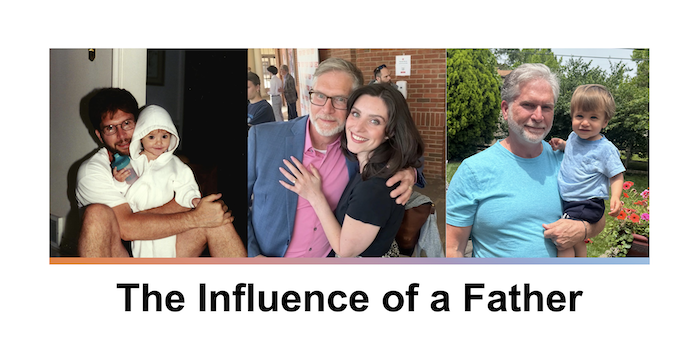
Ahearn’s personal journey as a parent, documented in his blog over 17 years, reflects a conscious effort to be intentional in parenting. His early writings often focused on parenting advice, stemming from his and his wife Jane’s deliberate approach to raising their daughter, Abigail. This intentionality involved reflecting on their own upbringings, identifying the positive aspects they wished to emulate and the mistakes they aimed to avoid. This reflective process, Ahearn suggests, is a crucial element in breaking generational cycles and fostering a more positive future.
The Legacy of Intentional Parenting
The impact of intentional parenting is often most evident in the long-term development of children. Abigail, now 30 years old, is described by her father as a "better person at 30 than I was at 30." This sentiment, mirrored by his wife Jane, is not attributed to chance but to consistent effort and mindful engagement. Children are perpetual learners, absorbing information and values through observation, listening, and direct experience. They witness how their fathers handle adversity, listen to the tone and content of their speech, and crucially, observe whether their actions align with their words.
This dynamic directly relates to Robert Cialdini’s principle of consistency. Children are astute observers of incongruence. When parents articulate values but fail to live by them, children notice. Conversely, when parents demonstrate consistency between their words and actions, they build credibility. This lesson in credibility, learned implicitly through parental example, is one of the most profound influences a father can impart, laying the groundwork for a child’s understanding of integrity and trust.
The Evolving Role of Grandfatherhood
The experience of influence continues to evolve, as Ahearn now embraces the role of grandfather to his 15-month-old grandson, Emmett. Living in close proximity to his daughter Abigail and her partner Tyler allows for frequent and extended interaction with Emmett. Observing Emmett’s growth from this vantage point reinforces the profound impact adults have on children’s lives. Every smile, every word of encouragement, every moment of dedicated attention carries weight.
This recurring theme of paternal influence extends across generations, highlighting the enduring significance of fathers. The opportunities for positive influence are abundant, but so too are the consequences of missed moments. Ahearn’s core message to fathers is unequivocal: "Never underestimate your influence." This sentiment is a call to action, urging fathers to recognize the profound and lasting impact they have, even in seemingly ordinary interactions.
The Pervasive Impact: Presence, Words, Example, and Love
The adage that "children are always watching" holds a significant truth. Fathers’ presence, their words, their actions, and their demonstration of love all contribute to the indelible memories, deeply held beliefs, and lifelong habits they help to shape. The influence is not optional; it is a continuous process. The critical question for every father is not whether they will influence their children, but what kind of influence they will exert.
The ideal of the "perfect father" is an unattainable aspiration for most. However, the pursuit of intentionality, coupled with a deep understanding of the power of influence, can lead to a more positive and impactful paternal role. By being mindful of their actions, words, and overall presence, fathers can actively contribute to the well-being and development of their children, leaving a legacy of positive influence that extends far beyond the confines of a single day of celebration.
The implications of this influence are far-reaching, impacting not only individual lives but also the fabric of society. Strong, positive paternal engagement is linked to numerous societal benefits, including reduced crime rates, improved educational outcomes, and greater economic stability. As such, understanding and fostering healthy fatherhood is not merely a personal matter but a societal imperative. Initiatives aimed at supporting fathers, providing resources, and promoting positive engagement are crucial investments in the future of communities. The complexities of fatherhood, whether marked by joy and connection or by pain and absence, underscore its profound and lasting significance in shaping individuals and society as a whole.
Brian Ahearn is the Chief Influence Officer at Influence PEOPLE and a faculty member at the Cialdini Institute. He is an author, TEDx presenter, international speaker, coach, and consultant specializing in the ethical application of influence. A certified trainer in the Cialdini Method, Brian was personally trained and endorsed by Robert Cialdini, Ph.D., a leading figure in social psychology.
