

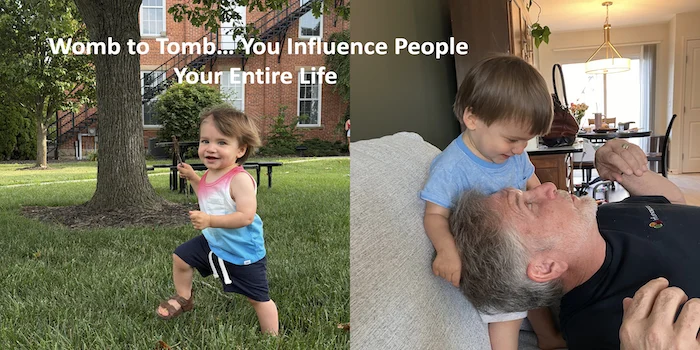
The fundamental nature of human interaction is rooted in influence, a skill that permeates every stage of life, from the earliest moments of dependency to the final reflections of our existence. This innate capacity, often unrecognized in its pervasive application, is not merely a tool for sales professionals but a constant thread woven into the fabric of our daily lives. Research underscores the widespread use of influence, revealing that a significant portion of our professional endeavors, even those unconnected to direct sales, are dedicated to persuading, convincing, or guiding others. This article delves into the multifaceted nature of ethical influence, exploring its origins, evolution, and profound impact on both professional success and personal happiness, supported by expert insights and real-world observations.
The Genesis of Influence: A Lifelong Skill
The concept of influence as an omnipresent human trait is central to understanding our social dynamics. As Brian Ahearn, Chief Influence Officer at Influence PEOPLE and a faculty member at the Cialdini Institute, frequently articulates, "Influence is a skill we use from womb to tomb." This assertion, while seemingly straightforward, opens a vast landscape for exploration. While formal training in influence is often associated with specific professions, its practice begins from the moment of birth.
A poignant illustration of this early mastery is seen in infants. A newborn, devoid of language, effectively communicates and influences caregivers through cries. These vocalizations serve as a powerful signal, compelling parents and guardians to interpret and respond to the infant’s needs – be it hunger, discomfort, or a desire for comfort. This non-verbal exchange, a primal form of influence, shapes the environment and behavior of those around the child. As the child develops, so too do their methods of influence. The transition from crying to more nuanced communication, such as the use of sign language, demonstrates a growing sophistication in influencing others to meet their needs and desires. This progression highlights that influence is not a static ability but a dynamic skill that evolves with our cognitive and communicative capacities.
The profound impact of effective communication, even in its nascent stages, is evident in the reduced stress and improved caregiving experienced when a child can articulate their needs. This underscores a key principle of ethical influence: clarity in communication fosters understanding and facilitates mutually beneficial outcomes.
Quantifying the Pervasiveness of Influence
The notion that influence extends far beyond the sales floor is supported by compelling data. Citing research highlighted by Dan Pink in his seminal work, "To Sell Is Human," it is estimated that the average American worker dedicates approximately 40% of their workday to activities involving persuasion, conviction, or influencing others. This figure notably excludes direct sales transactions, suggesting that the skills of influence are integral to a vast array of professional roles. For individuals in sales and customer-facing positions, this percentage is likely to be even higher, emphasizing the critical importance of mastering these skills within these sectors.
This widespread application implies that influence is not an isolated trait possessed by a select few but a fundamental aspect of human interaction experienced by nearly everyone in the professional realm. The ability to effectively communicate one’s ideas, advocate for proposals, and foster collaboration hinges significantly on these influence skills.
Influence Beyond Infancy: The Later Years
The trajectory of influence does not diminish with age; rather, it transforms and often deepens. The latter stages of life offer a powerful testament to this enduring human capacity. Even when physical faculties decline and verbal communication becomes challenging, individuals can continue to exert significant influence through their presence, expressions, and the emotional resonance they convey.
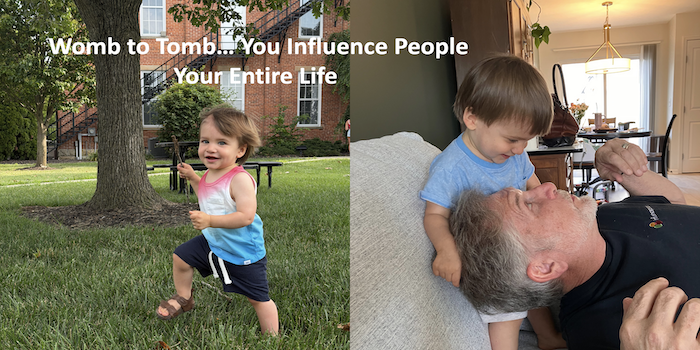
A somber yet illustrative example is the case of a father nearing his 99th birthday. Despite his physical weakness and difficulty in speaking, his expressions, gestures, and the palpable love he shared with his family continued to influence those around him. This demonstrates that influence can transcend verbal articulation, operating through subtle cues and the enduring power of human connection. It underscores that the essence of influence lies in impacting the thoughts, feelings, and behaviors of others, a process that can continue until the very end of life.
This perspective reframes influence not as a transactional exchange but as an ongoing process of connection and impact, deeply embedded in the human experience across the entire lifespan.
The Ethical Imperative in Influence
A critical distinction in the discourse of influence is its ethical dimension. Influence, when wielded responsibly, is not synonymous with manipulation. Instead, ethical influence is characterized by transparency, respect for autonomy, and a commitment to outcomes that benefit all parties involved. It is about fostering understanding, enabling informed decision-making, and building relationships based on trust and mutual benefit.
Brian Ahearn emphasizes this distinction, stating, "Influence isn’t manipulation. It’s communication with purpose. It’s helping other people understand what we need, what we value, or what we believe so they can make informed decisions." This perspective is foundational to the mission of organizations like Influence PEOPLE, which are dedicated to teaching and promoting the principles of ethical influence.
The implications of this ethical framework are far-reaching. In professional contexts, it translates to more sustainable business practices, stronger client relationships, and more cohesive team dynamics. In personal life, it fosters healthier familial bonds and more meaningful social connections.
The Broader Impact: Professional Success and Personal Fulfillment
The ability to elicit a "yes" – whether in a professional negotiation, a team meeting, or a personal request – is often a significant determinant of both professional success and personal happiness. Brian Ahearn posits a direct correlation, asking, "Wouldn’t you agree; much of your professional success and personal happiness depends on hearing ‘yes’?" This rhetorical question highlights the pervasive role of influence in achieving desired outcomes.
From leading teams to serving customers, negotiating with clients to nurturing relationships, the principles of influence are constantly at play. The capacity to effectively communicate needs, desires, and perspectives, and to do so in a manner that resonates with others, is a key differentiator in achieving positive results.
The "good news," as Ahearn articulates, is that mastering ethical influence is not about imposing one’s will but about cultivating a deep understanding of others. This understanding enables communication that is not only persuasive but also beneficial to everyone involved. This Win-Win approach is the hallmark of sustainable and impactful influence.
The Cialdini Legacy and Ethical Influence
The scientific underpinnings of ethical influence are heavily influenced by the groundbreaking work of Dr. Robert Cialdini, a renowned social psychologist. Brian Ahearn’s affiliation with the Cialdini Institute and his status as one of the few Cialdini Method Certified Trainers underscore his commitment to a science-based approach to influence. Cialdini’s research, notably detailed in his book "Influence: The Psychology of Persuasion," identifies key principles such as reciprocity, commitment and consistency, social proof, liking, authority, and scarcity, which, when applied ethically, can profoundly impact human behavior.
These principles, when understood and applied with integrity, provide a robust framework for effective communication and persuasion. They are not tools for coercion but rather insights into human psychology that can be leveraged to build consensus and foster cooperation. The widespread adoption of these principles in professional development programs, such as Ahearn’s LinkedIn Learning courses and keynote presentations, attests to their perceived value and efficacy.
Conclusion: Cultivating a Culture of Ethical Influence
The journey of influence begins in infancy and continues throughout life, shaping our interactions, professional trajectories, and personal well-being. Recognizing influence not as a specialized skill but as a fundamental aspect of human experience is the first step towards its ethical and effective application. By understanding the science behind influence and committing to principles of transparency and mutual benefit, individuals and organizations can unlock greater potential for success and fulfillment.
Brian Ahearn’s mission, through his books, courses, and presentations, is to empower individuals and organizations to harness the power of ethical influence. His work, deeply rooted in the scientific principles established by Dr. Cialdini, offers practical strategies for navigating the complexities of human interaction. The invitation to engage in conversation, as extended by Ahearn, reflects a commitment to fostering a broader understanding and application of ethical influence. The question posed to readers, "When did you first realize that influence wasn’t just something salespeople do, but something we all use every day?" encourages introspection and a recognition of the pervasive, yet often underestimated, power of influence in our lives. As we continue to evolve in our understanding and application of these principles, the potential for positive impact on both individual lives and collective endeavors remains immense.
