

In the specialized field of early intervention speech therapy, picture books stand as indispensable resources, meticulously utilized to foster language development and refine communication skills in young children. Their integration into therapeutic practices is not merely supplementary but central to creating an engaging, effective, and developmentally appropriate learning experience. This article delves into the profound utility of picture books, exploring the scientific rationale behind their effectiveness, the specific language goals they target, and their broader implications for a child’s early developmental trajectory.
The Foundational Role of Early Intervention
Early intervention in speech therapy represents a proactive and critical approach to addressing speech and language difficulties identified in young children, typically from birth to three years of age. This period is widely recognized by developmental psychologists and linguists as a "critical window" for language acquisition, characterized by rapid neurological development and heightened brain plasticity. During this time, the brain is exceptionally receptive to linguistic input, making early and targeted intervention profoundly impactful. The primary objective of early intervention is to support and enhance a child’s communication abilities, thereby maximizing their developmental potential and mitigating the long-term impact of identified delays or disorders.

Speech-Language Pathologists (SLPs) specializing in early intervention work with infants and toddlers exhibiting a spectrum of challenges, from expressive and receptive language delays to articulation difficulties, phonological disorders, and social communication deficits. Prompt identification and intervention are paramount, as research consistently demonstrates that children receiving early support achieve significantly better speech and language outcomes compared to those whose intervention is delayed. For instance, studies indicate that children who begin speech therapy before the age of three often experience more substantial gains and may even close the gap with their typically developing peers, preventing potential academic and social difficulties later in life. Data from the American Speech-Language-Hearing Association (ASHA) highlights that approximately 5-10% of preschool-aged children experience some form of speech or language delay, underscoring the widespread need for effective early intervention strategies.
A distinctive feature of early intervention is the active involvement of families and caregivers. SLPs collaborate closely with parents, providing them with individualized treatment plans and strategies that can be seamlessly integrated into daily routines. This family-centered approach recognizes that a child’s primary learning environment is the home, and consistent reinforcement of therapeutic techniques within natural contexts significantly enhances progress.
The Science of Language Acquisition and Early Delays
The process of language acquisition in humans is an intricate dance between innate biological predispositions and environmental interaction. From birth, infants are attuned to human speech, differentiating phonemes and beginning to segment the continuous stream of sound into meaningful units. By six months, they start babbling, experimenting with sounds, and by their first birthday, most children utter their first words. The subsequent two years witness an exponential growth in vocabulary and grammatical complexity, culminating in the ability to form simple sentences and engage in basic conversational exchanges.
However, this developmental trajectory is not uniform for all children. Speech and language delays can arise from a multitude of factors, including genetic predispositions, prematurity, hearing impairments, neurological conditions, or environmental factors such as limited language exposure. Recognizing these delays at a young age is crucial because untreated communication difficulties can have cascading effects on other areas of development. For instance, a child struggling with expressive language may experience frustration, leading to behavioral challenges. Similarly, difficulties with receptive language can impede cognitive development and academic readiness.
The brain’s plasticity during the early years means that neural pathways for language are still forming and are highly adaptable. This makes early intervention particularly potent, as it can help "re-wire" or reinforce these pathways, enabling children to develop the necessary skills more efficiently. Neuroscientific research, utilizing techniques like fMRI, has shown that early linguistic input actively shapes brain structures associated with language processing, underscoring the biological imperative for timely intervention.
Picture Books: A Multimodal Therapeutic Tool
Within this critical context, picture books emerge as uniquely powerful therapeutic tools. Their multimodal nature—combining visual stimuli, auditory input (when read aloud), and often tactile elements—engages multiple sensory channels, making learning more robust and accessible for young learners. The carefully curated selection of books for early intervention aims to target specific speech and language goals, transforming what might otherwise be perceived as clinical exercises into enjoyable, interactive experiences.
Promoting Language and Vocabulary Development: Picture books serve as rich linguistic environments. They expose children to a diverse array of words, phrases, and sentence structures beyond their immediate conversational sphere. When an SLP reads aloud, they can intentionally introduce new vocabulary, define unfamiliar terms in context, and reinforce concept understanding. The repetitive nature of many children’s books further aids in vocabulary acquisition, allowing children to hear and internalize new words multiple times. This deliberate exposure expands a child’s expressive vocabulary (words they can use) and receptive vocabulary (words they understand), foundational elements for effective communication.
Enhancing Storytelling and Narrative Skills: Engaging with books is a primary catalyst for nurturing storytelling abilities and narrative skills. As children follow a plot, track characters, and understand sequences of events, they implicitly learn about story structure, cause-and-effect relationships, and temporal concepts. SLPs can use books to model narrative language, asking questions like "What happened next?" or "Why did [character] do that?" This encourages children to organize their thoughts, retell events in a logical sequence, and develop a coherent narrative, skills essential for academic success and social interaction.
Stimulating Imagination and Creativity: Books transport children to imaginative worlds, fostering creativity and critical thinking. They encourage children to visualize and describe scenes, characters, and events, thereby promoting expressive language and descriptive skills. By asking open-ended questions about illustrations or hypothetical scenarios within the story, SLPs can prompt children to generate novel ideas, articulate their thoughts, and engage in imaginative play, all of which contribute to richer language use.
Developing Phonological Awareness: Many picture books, especially those with rhyming text or strong alliteration, inherently support the development of phonological awareness—the ability to recognize and manipulate the sound structure of spoken words. This skill is a crucial precursor to literacy. SLPs can explicitly highlight rhyming words, clap out syllables, or identify initial sounds within a story, making phonological concepts concrete and enjoyable.
Fostering Social-Emotional Understanding: Beyond direct language skills, picture books often address social-emotional themes, such as friendship, sharing, feelings, and problem-solving. Through character interactions and plot developments, children learn about emotions, empathy, and appropriate social behaviors. SLPs can use these narratives to facilitate discussions about feelings, teach emotion vocabulary, and model appropriate social responses, thereby enhancing pragmatic language skills and social competence.
Categories of Picture Books for Targeted Intervention
While the original content did not list specific titles, it categorized books by their physical characteristics and general therapeutic approach. Expanding on these categories helps illustrate the breadth of options available to SLPs.
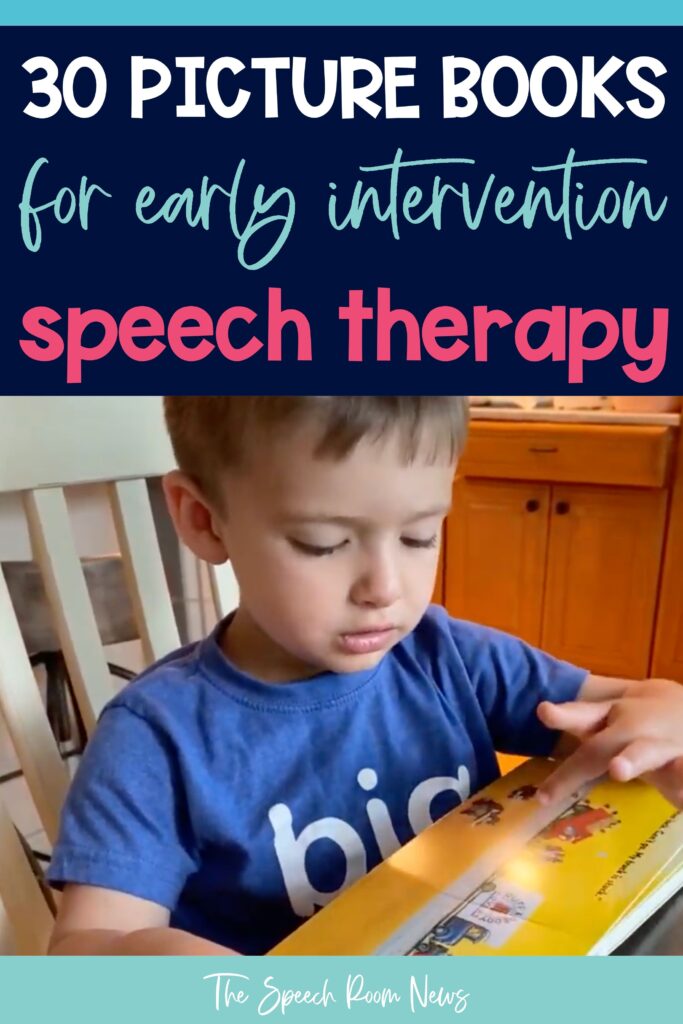
Interactive Books: These books are designed to engage children physically and cognitively. They include elements like lift-the-flaps, pull-tabs, textures (touch-and-feel books), or sound buttons.
- Therapeutic Value: Interactive features are excellent for increasing attention span, encouraging joint attention, promoting early turn-taking skills, and eliciting specific vocabulary. For example, lifting a flap to reveal an animal can prompt the child to say the animal’s name or its sound. Touch-and-feel elements provide sensory input that can be linked to descriptive vocabulary (e.g., "soft," "bumpy"). The novelty and direct engagement inherent in these books make them highly motivating for children with limited attention or emerging communication skills.
Durable Books: Crafted from sturdy materials like thick cardboard or fabric, durable books are built to withstand enthusiastic handling by young children.
- Therapeutic Value: Their resilience makes them practical for repeated use in therapy sessions and ideal for home practice. They allow children to actively participate in turning pages without fear of damage, promoting fine motor skills alongside language engagement. Furthermore, the robust nature allows for more hands-on activities, such as pointing, tracing, or even gentle manipulation, which can reinforce learning through kinesthetic engagement.
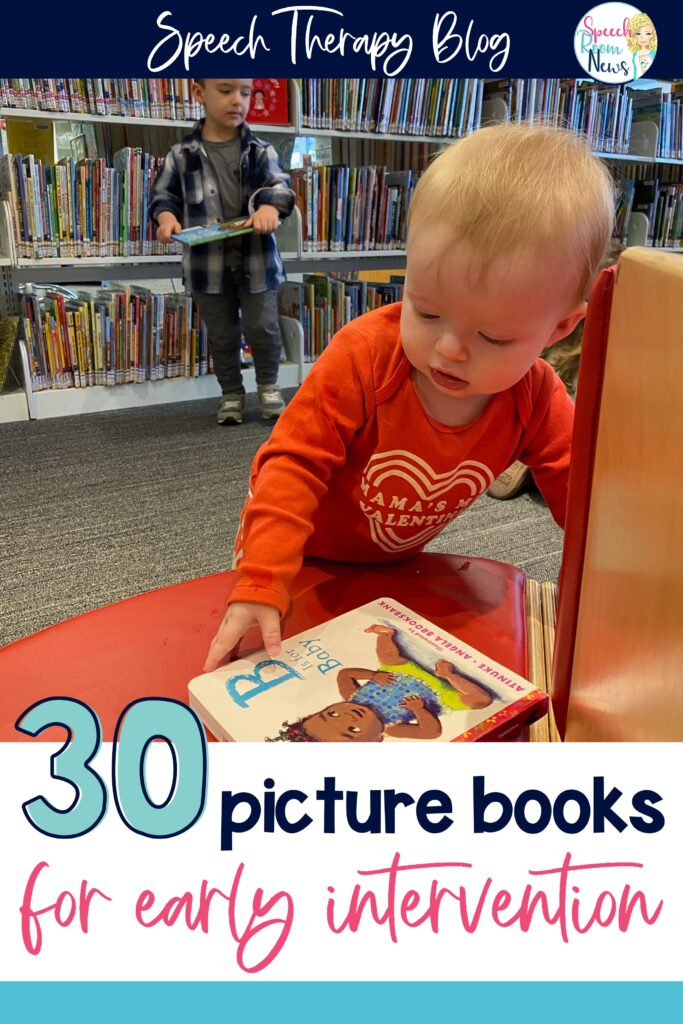
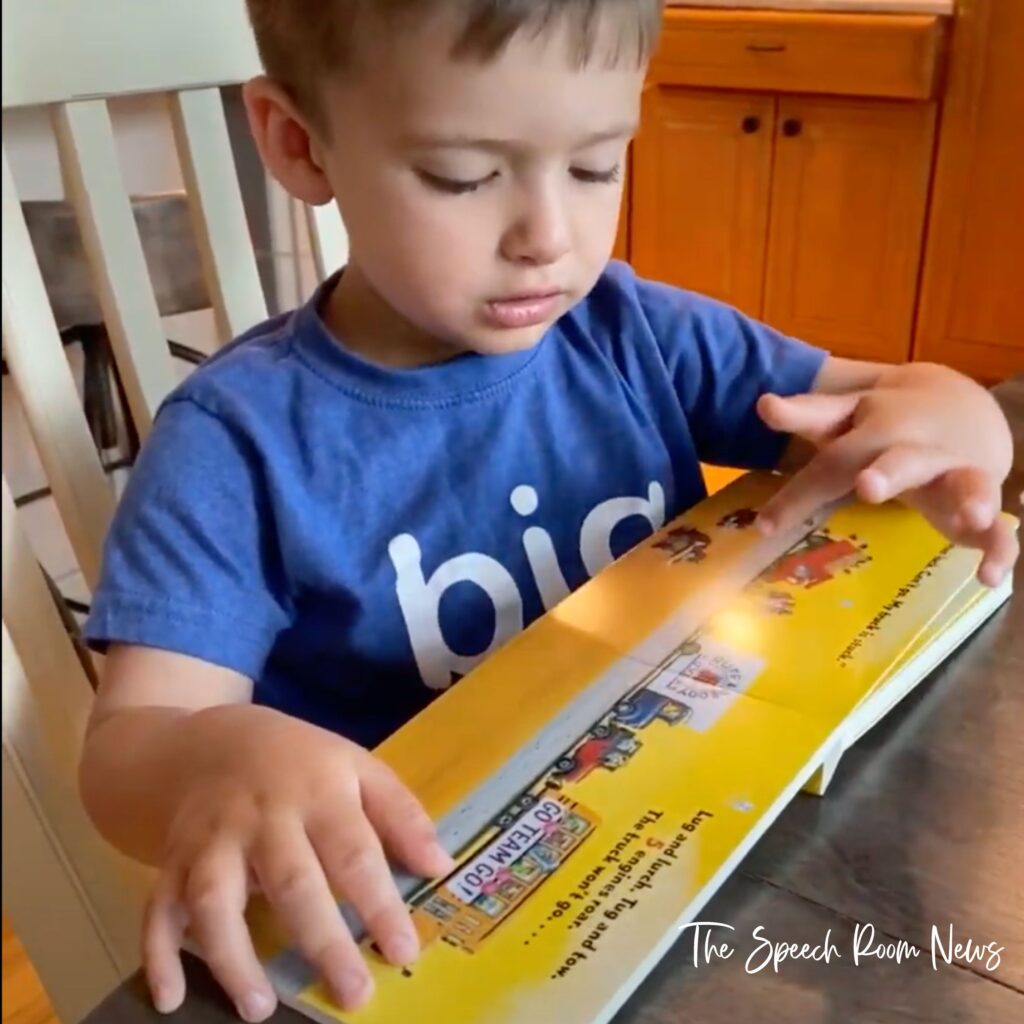
Board Books: A subcategory of durable books, board books are characterized by their thick, laminated pages. They often feature simple, repetitive text and vibrant illustrations.
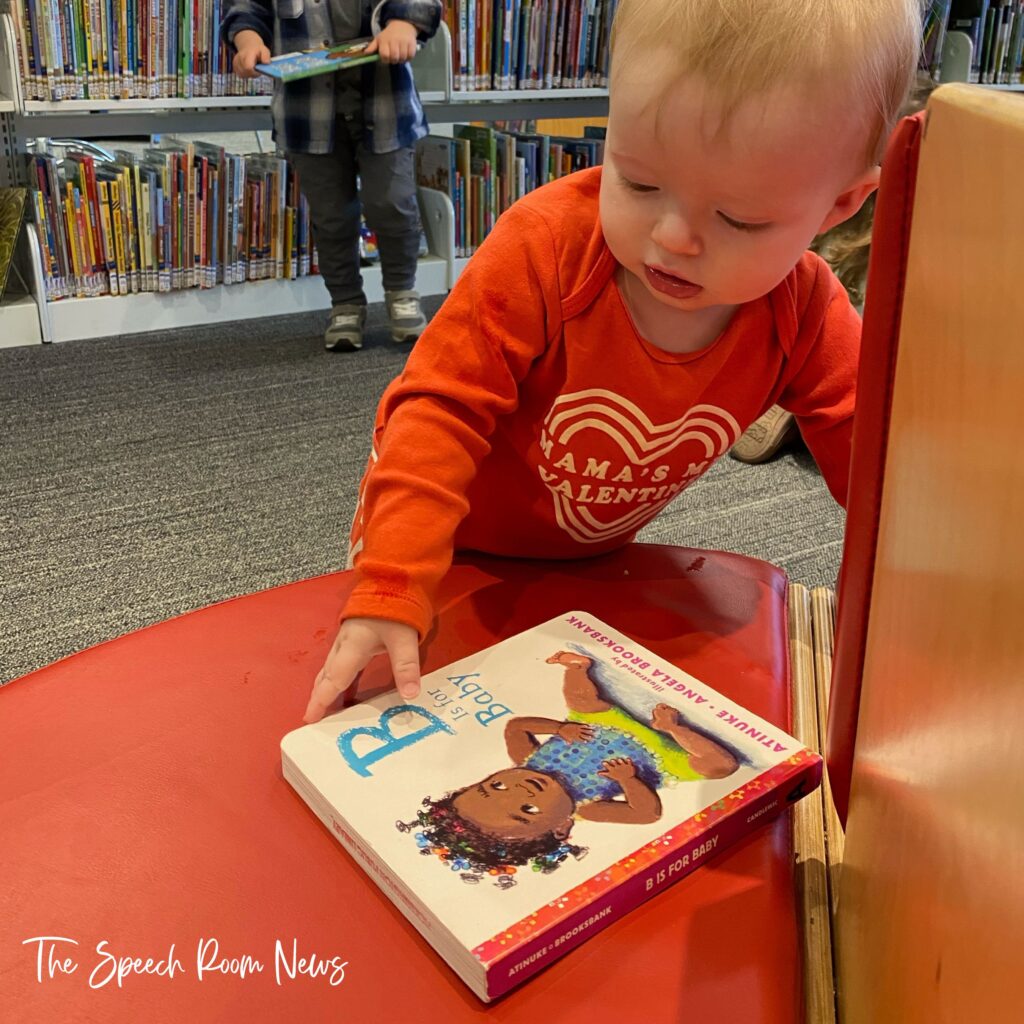
- Therapeutic Value: The repetitive text is particularly beneficial for children developing early language skills, as it provides predictable patterns and opportunities for choral reading or sentence completion. This predictability helps children anticipate words and phrases, building confidence and encouraging vocalization. The clear, engaging pictures support comprehension and provide visual cues for vocabulary acquisition. Many board books also lend themselves well to incorporating songs or actions, which can further enhance engagement and memory retention. Their small size and light weight also make them easy for small hands to manage, fostering independence during reading.
Beyond these foundational types, SLPs also leverage:
Concept Books: These books focus on teaching basic concepts such as colors, shapes, numbers, letters, or opposites.
- Therapeutic Value: They are invaluable for building foundational vocabulary and cognitive understanding. SLPs can use them to teach categorization, discrimination, and descriptive language.
Wordless Picture Books: These books tell a story solely through illustrations, without any text.
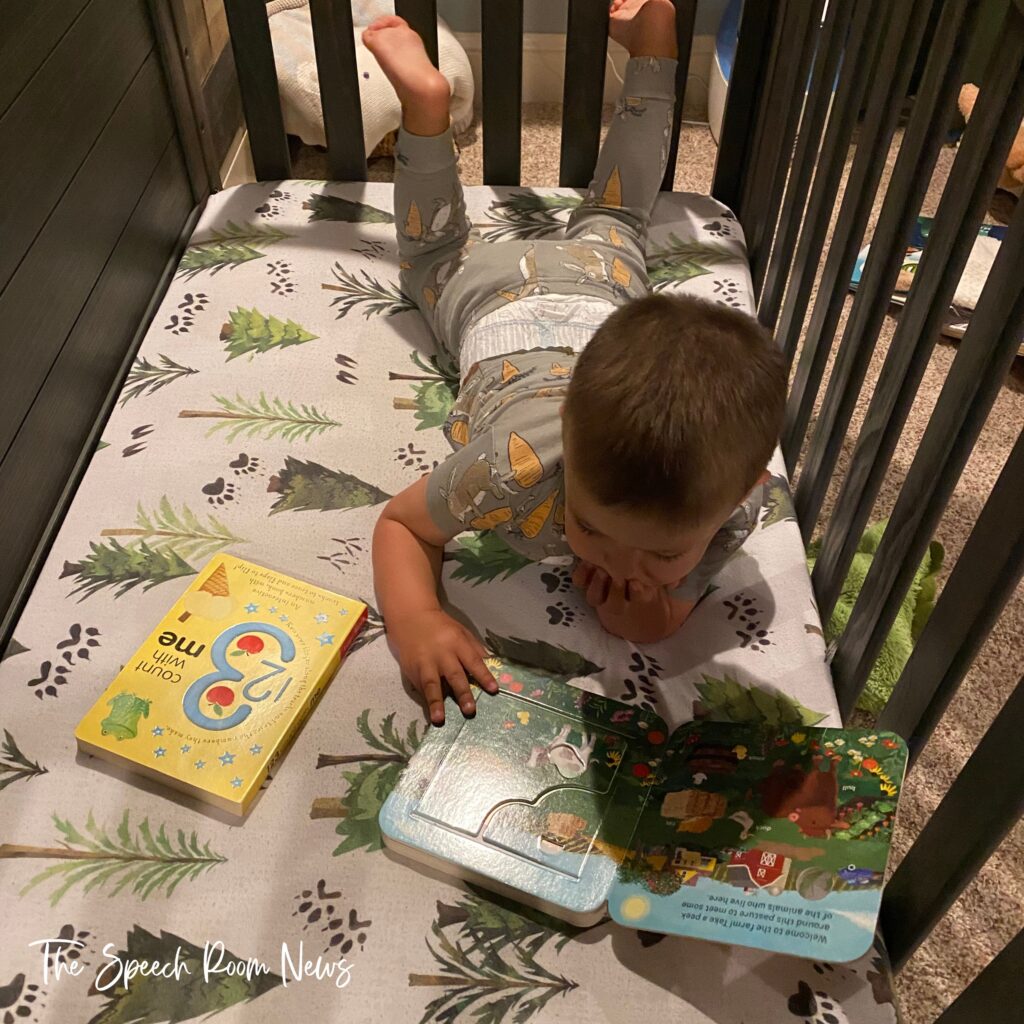
- Therapeutic Value: They are exceptional for developing narrative skills, encouraging expressive language, and fostering creativity. Children are prompted to "read" the story using their own words, creating their narrative based on the visual cues. This allows SLPs to assess and target a child’s ability to sequence events, describe actions, infer emotions, and use varied sentence structures.
The SLP’s Strategic Approach
An SLP’s use of picture books in therapy is highly strategic and individualized. It goes far beyond simply reading aloud. Key techniques include:
- Modeling: SLPs model correct pronunciation, grammar, and vocabulary, providing a clear linguistic example for the child.
- Prompting: They use various prompts (e.g., verbal, visual, gestural) to encourage the child to participate, whether by pointing, making a sound, or attempting a word.
- Commenting and Expanding: Instead of just asking questions, SLPs comment on the illustrations or story elements ("Look, the dog is jumping!") and expand on the child’s utterances ("Ball!" becomes "Yes, it’s a big, red ball!").
- Asking Open-Ended Questions: Moving beyond "yes/no" questions, SLPs ask questions that require more elaborate responses, fostering expressive language and critical thinking.
- Repetition and Routines: Consistent use of certain books or phrases within books creates predictable routines, which are comforting for children and provide repeated exposure to target language.
- Pausing: Strategic pausing allows children time to process information and formulate their responses, encouraging active participation.
Empowering Families: Extending Therapy Beyond the Clinic
The effectiveness of early intervention is significantly amplified when therapeutic strategies extend beyond the clinical setting into the child’s daily life. Picture books provide an ideal bridge for this continuity. SLPs routinely guide parents and caregivers on how to effectively use books at home to reinforce therapy goals. This includes demonstrating interactive reading techniques, suggesting specific questions to ask, and encouraging consistent reading routines.
When families become active partners in the therapeutic process, children benefit from increased exposure to target language skills in natural, meaningful contexts. A parent reading to their child before bedtime, for example, transforms into an enjoyable learning opportunity that reinforces vocabulary, narrative skills, and strengthens the parent-child bond—a crucial factor in overall development. This integration ensures that the lessons learned in therapy are generalized and consolidated, contributing to more rapid and sustainable progress.

Long-Term Impact and Future Directions
The implications of effectively utilizing picture books in early intervention speech therapy extend far beyond immediate language gains. By fostering robust communication skills early on, children are better equipped for school readiness, academic achievement, and successful social integration. Research indicates a strong correlation between early language proficiency and later literacy skills, suggesting that a solid foundation in speech and language can prevent reading difficulties and enhance overall educational outcomes. From a socio-economic perspective, early intervention reduces the need for more intensive and costly interventions later in a child’s life, representing a significant investment in human capital.
Looking ahead, the field of speech-language pathology continues to explore innovative ways to integrate traditional tools like picture books with emerging technologies. While digital interactive books and apps offer new avenues for engagement, the tangible, sensory-rich experience of a physical picture book remains unparalleled for foundational language development in very young children. The ongoing challenge for SLPs and educators is to continuously adapt their strategies, ensuring that all children, regardless of their developmental trajectory, have access to the resources and support needed to unlock their full communication potential.
In conclusion, picture books are far more than mere entertainment in the realm of early intervention speech therapy. They are dynamic, multifaceted tools that underpin the development of essential communication skills, nurture imagination, and provide a critical foundation for lifelong learning. Through the skilled application of these resources, Speech-Language Pathologists empower young children to find their voices, ensuring they can connect with their world and thrive.
