

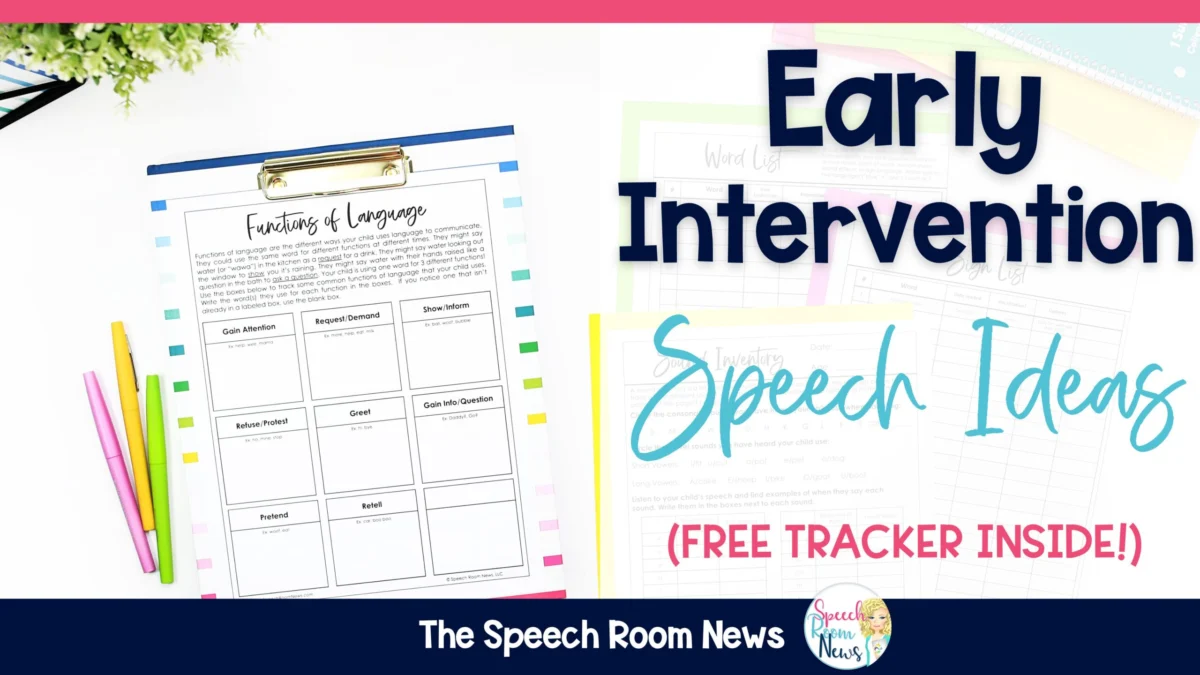
Early intervention speech therapy stands as a cornerstone in the holistic development of young children exhibiting communication delays, offering a critical window of opportunity that profoundly impacts long-term outcomes. For both dedicated speech-language pathologists (SLPs) and parents navigating the complexities of early childhood development, understanding the paramount importance of timely and targeted support is not merely beneficial but essential. This comprehensive analysis delves into the mechanisms, benefits, and practical applications of early intervention, drawing upon established principles of child development and clinical best practices.
Understanding the Foundation: What is Early Intervention?
Early intervention refers to a system of services designed to help infants and toddlers (from birth to age three) with developmental delays or disabilities. In the context of speech and language, it encompasses diagnostic assessments, therapeutic strategies, and family education aimed at fostering communication skills. The rationale behind early intervention is rooted in neurodevelopmental science, which highlights the extraordinary plasticity of the brain during the first few years of life. During this critical period, the brain forms neural connections at an unprecedented rate, making it highly receptive to new learning and environmental stimuli. Addressing speech and language difficulties during this phase can significantly mitigate potential long-term challenges in communication, literacy, academic performance, and social-emotional well-being.
Speech-language pathologists are central to this process, working collaboratively with families to identify specific deficits, establish individualized treatment plans, and equip parents with strategies to integrate therapeutic techniques into daily routines. This collaborative, family-centered approach recognizes parents as the child’s primary communicators and educators, empowering them to become active participants in their child’s developmental journey.
Identifying Delays: Milestones and the Necessity of Tracking Progress
Accurate and timely identification of speech and language delays is the initial critical step in accessing early intervention. While every child develops at their own pace, there are established developmental milestones that serve as important benchmarks. Deviation from these milestones warrants professional evaluation. According to the American Speech-Language-Hearing Association (ASHA), approximately 5-8% of preschool-aged children experience speech and language disorders. Recognizing the signs early can lead to more effective interventions.
Typical speech and language development unfolds in a predictable sequence:
- Birth to 3 months: Startles to loud sounds, smiles when spoken to, makes cooing sounds.
- 4 to 6 months: Responds to changes in tone of voice, babbles with many different sounds, expresses excitement with sounds.
- 7 to 12 months: Responds to their name, waves bye-bye, says "mama" or "dada," imitates speech sounds.
- 12 to 18 months: Says several single words, understands simple commands, points to objects or pictures when named.
- 18 to 24 months: Uses 50 or more words, combines two words (e.g., "more juice," "daddy go"), follows two-step directions.
- 2 to 3 years: Uses 3-word sentences, asks "what" and "where" questions, has a vocabulary of 200-300 words.
When a child consistently misses these milestones, particularly exhibiting a limited vocabulary or absence of babbling by 12 months, or fewer than 50 words and no two-word phrases by 24 months (often termed "late talkers"), a comprehensive assessment by an SLP is recommended.
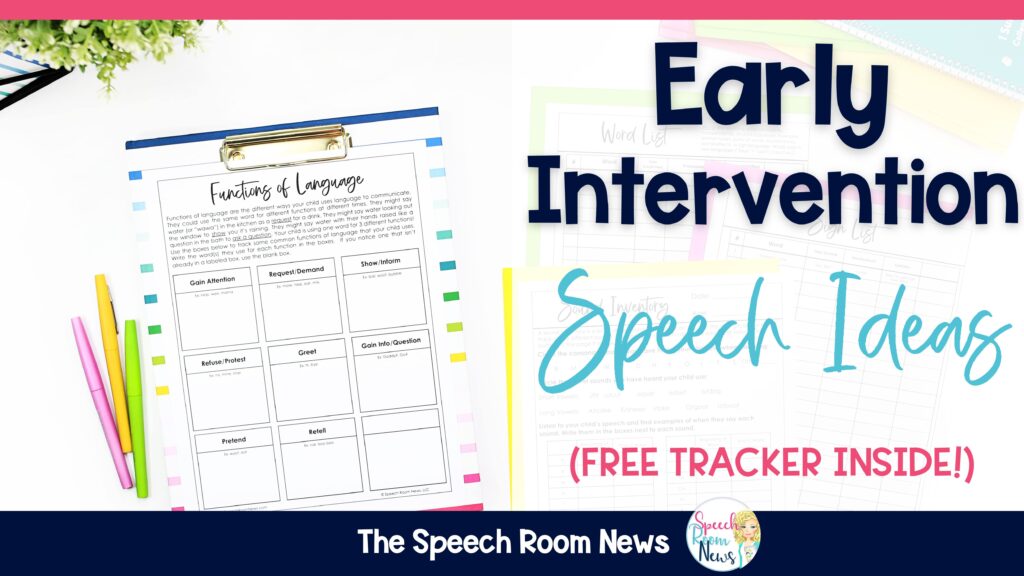
For parents and therapists alike, systematically tracking a child’s emerging sounds and words is an invaluable tool. This data collection moves beyond anecdotal observation, providing concrete evidence of a child’s communicative growth and change over time. It offers a clear, objective record that can inform therapeutic decisions, demonstrate progress, and facilitate effective communication between parents and their child’s early intervention team. Tracking helps distinguish between a temporary delay and a more persistent challenge. For instance, documenting early vocalizations, consonant-vowel (CV) combinations like "ba," vowel-consonant (VC) like "up," or more complex CVCV (e.g., "mama") and CVC (e.g., "dog") syllable shapes, provides critical insights into a child’s phonological development. Such meticulous data helps professionals tailor interventions precisely to the child’s current abilities and developmental needs. Tools such as "first words trackers" serve as practical aids for families to maintain these crucial records, often revealing more sounds and words than parents might recall from memory alone.
The Broader Implications of Untreated Speech and Language Delays
The ramifications of unaddressed speech and language delays extend far beyond immediate communication difficulties. Research consistently demonstrates a strong correlation between early language skills and later academic achievement, particularly in reading and writing. Children who struggle with expressive or receptive language may find it challenging to comprehend classroom instructions, participate in discussions, or articulate their thoughts in written form, potentially leading to academic underperformance and frustration.

Beyond academics, speech and language impairments can significantly impact a child’s social-emotional development. Difficulty expressing needs, wants, or emotions can lead to behavioral issues, social isolation, and reduced self-esteem. Children may struggle to initiate or maintain peer relationships if they cannot effectively communicate or understand social cues. In the long term, these challenges can affect mental health, career prospects, and overall quality of life. Conversely, effective early intervention can mitigate these risks, fostering improved self-confidence, better social integration, and enhanced readiness for school and future life challenges.
Integrating Therapeutic Strategies into Daily Routines: Practical Applications
One of the hallmarks of effective early intervention is the integration of therapeutic strategies into a child’s natural daily routines. This approach capitalizes on the predictability and repetition inherent in everyday activities, creating consistent opportunities for language learning within familiar and meaningful contexts. Rather than isolated drills, communication practice becomes an organic part of the child’s lived experience, fostering generalization of skills.
Meal and Snack Times as Communication Temptations:
Snack time, often less structured and pressure-filled than a full meal, presents an ideal "communication temptation." SLPs often advise parents to use this routine to encourage imitation and expand vocabulary. Instead of simply providing the snack, parents can:
- Model language: Verbally describe actions and items ("I’m pouring the crackers," "Yum, apples!").
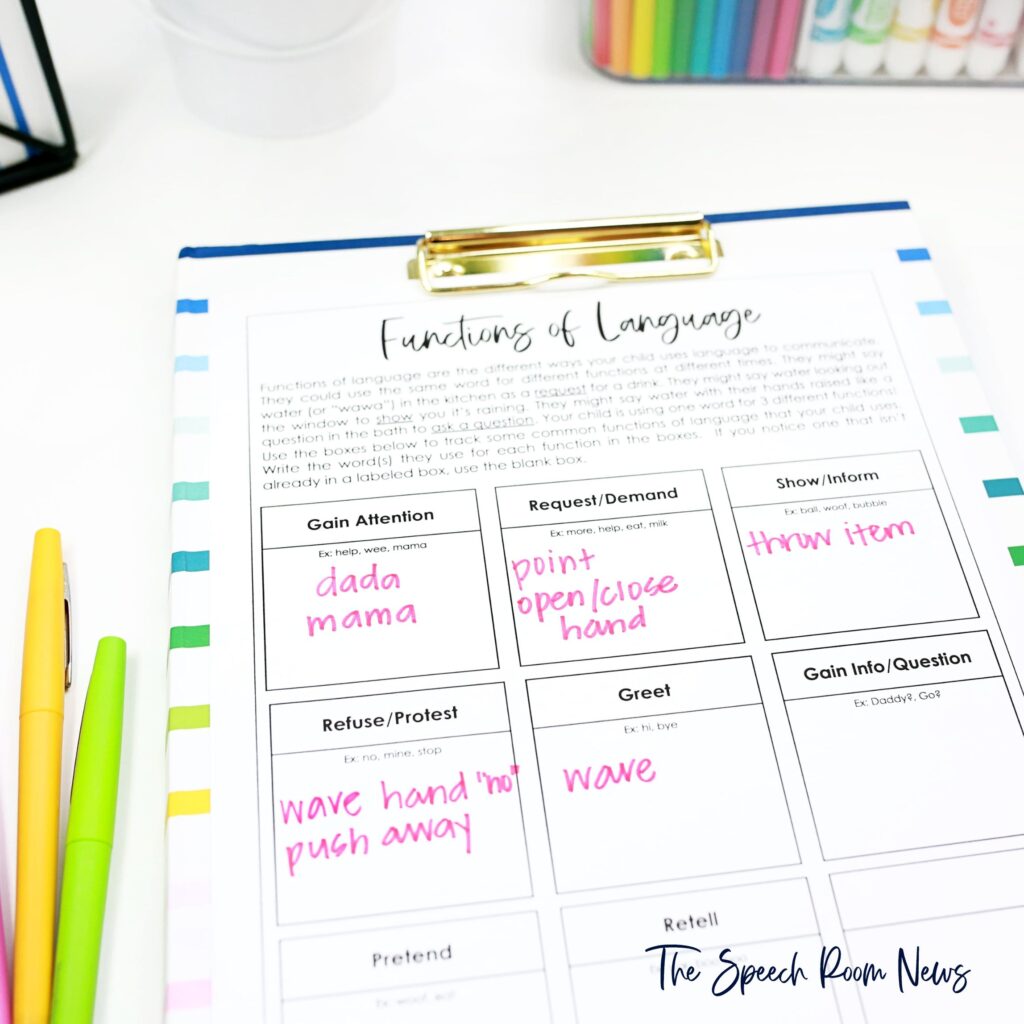
- Create opportunities for requests: Hold an item up and wait expectantly, prompting the child to gesture, vocalize, or use a word approximation for "more," "eat," or the item’s name.
- Expand on approximations: If a child says "ca" for "cracker," the parent can respond with "Cracker! Yes, you want a cracker."
- Use descriptive vocabulary: "Crunchy," "sweet," "sticky," "cold."
The goal is to provide numerous language models and create a low-pressure environment where communication is encouraged and rewarded, building a child’s desire to express themselves.
Personal Care Routines: Brushing Teeth for Social and Linguistic Growth:
Routines like brushing teeth offer rich opportunities for social interaction and language development, particularly in front of a mirror, which can enhance self-awareness and imitation. Parents can transform this routine into a language-rich experience by:
- Describing actions and objects: "It’s time to brush your teeth. We use the green toothbrush and the mint toothpaste."
- Explaining the ‘why’: "We brush our teeth to keep them healthy so we can eat all our favorite foods!" Children learn more effectively when they understand the purpose behind an action.
- Using positional words: "Let’s brush the front teeth, then the back teeth. Brush up and down."
- Encouraging imitation: Make silly faces in the mirror, make "brushing" sounds, and encourage the child to copy.
- Engaging in reciprocal actions: "Now mommy brushes, then you brush!" This builds turn-taking skills crucial for conversation.
By narrating the process and inviting interaction, parents can embed language learning seamlessly into these essential daily tasks, transforming routine into a powerful therapeutic tool.
The Collaborative Model: A Unified Approach to Development
Effective early intervention is inherently a collaborative endeavor, requiring seamless coordination among parents, SLPs, pediatricians, and sometimes other specialists like occupational therapists or physical therapists. Pediatricians play a crucial role in initial screenings during well-child visits, identifying potential developmental red flags and making appropriate referrals to early intervention programs. This early referral is critical for initiating services as soon as a concern arises.
Speech-language pathologists, in turn, often employ a coaching model, empowering parents with the knowledge and skills to facilitate their child’s communication development in natural environments. This involves observing parent-child interactions, providing specific feedback, and modeling effective communication strategies. Professional organizations like ASHA consistently advocate for this family-centered approach, recognizing that consistent application of strategies at home significantly enhances therapeutic outcomes. Parents are encouraged to maintain open communication with their SLP, sharing their observations and the data they collect from home, which allows for dynamic adjustments to the intervention plan. This ongoing dialogue ensures that therapy remains responsive to the child’s evolving needs and celebrates incremental progress.

Accessibility and Resources for Families
Accessing early intervention services is a critical step for families concerned about their child’s development. In many regions, services are available through local school districts or state-funded early intervention programs, often at no or reduced cost to families. These programs typically begin with a comprehensive evaluation to determine eligibility and to identify specific areas of need. Beyond direct therapy, families benefit immensely from informational resources such as parent handouts, workshops, and online communities. These resources provide practical guidance on developmental norms, specific strategies for encouraging language, and insights into common challenges faced by late talkers. They can empower parents with actionable steps and foster a sense of community among families navigating similar developmental journeys. Addressing barriers to access, such as lack of awareness, geographic limitations, or financial constraints, remains an ongoing challenge for public health and educational systems. Continued advocacy and expansion of these vital services are essential to ensure all children have the opportunity to reach their full communicative potential.
In conclusion, the efficacy of early intervention in pediatric speech development is unequivocally supported by scientific evidence and clinical experience. From the initial identification of a delay to the sustained, collaborative efforts of families and professionals, every step plays a vital role in shaping a child’s future. By capitalizing on the brain’s early plasticity, integrating therapeutic strategies into daily life, and fostering a strong partnership between home and clinic, early intervention not only addresses immediate communication challenges but also lays a robust foundation for lifelong learning, social connection, and overall well-being. The commitment to early and comprehensive support for children with speech and language delays is an investment in their individual potential and the collective future of society.
