

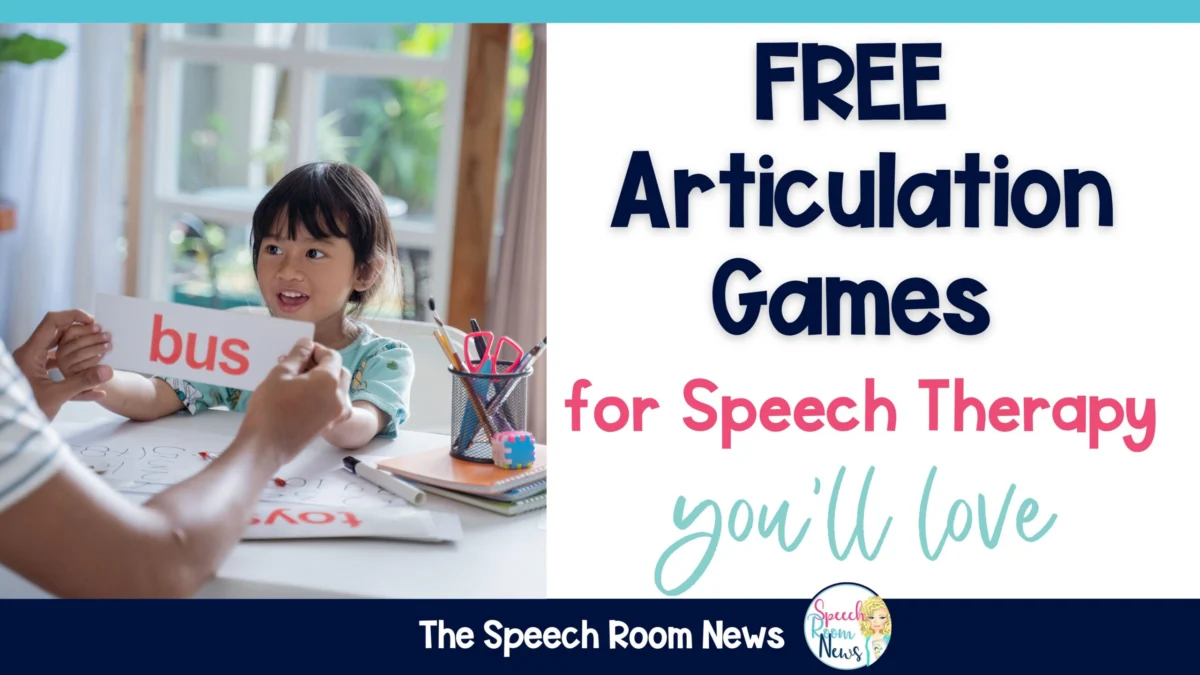
The integration of engaging, no-cost games into speech articulation therapy is profoundly transforming how children practice and master speech sounds, significantly boosting engagement and facilitating the crucial generalization of language skills into everyday life. This innovative approach, leveraging both digital and tangible resources, addresses a critical need for accessible and effective therapeutic tools across diverse settings—virtual, in-person, and hybrid—while alleviating financial burdens on families and practitioners. The shift towards play-based learning underscores a broader understanding that making therapy enjoyable is key to sustained participation and successful outcomes for children navigating speech sound disorders (SSD).
The Evolving Landscape of Articulation Therapy: A Shift Towards Play-Based Learning
Historically, speech therapy for articulation often relied on repetitive drill-based exercises, which, while effective for some, frequently struggled with maintaining children’s engagement, particularly younger learners. The modern pedagogical shift emphasizes child-centric approaches, recognizing that learning through play inherently enhances motivation, memory retention, and the transfer of skills. For children with speech sound disorders, which affect an estimated 8-9% of young children, according to the American Speech-Language-Hearing Association (ASHA), consistent and engaging practice is paramount. Play provides a natural, low-pressure environment where children can experiment with sounds, receive immediate feedback, and build confidence without the perceived pressure of a formal "lesson." This evolution is not merely about making therapy "fun"; it is rooted in developmental psychology, which demonstrates that play is a child’s primary mode of learning, fostering cognitive, social, emotional, and linguistic development simultaneously. The challenge for speech-language pathologists (SLPs) has always been to find creative, effective, and sustainable ways to embed therapeutic goals within these playful interactions. Free resources have emerged as a powerful solution, democratizing access to high-quality practice materials and empowering both clinicians and caregivers.

The Digital Revolution in Speech Therapy: Online Resources Take Center Stage
The advent of digital technology has ushered in a new era for speech articulation therapy, with online resources becoming indispensable tools for SLPs and families. These interactive platforms offer dynamic engagement, immediate feedback, and unparalleled flexibility, making them ideal for telepractice and supplementing in-person sessions. The accessibility of a smartphone, tablet, or computer can transform any location into a practice environment, from a therapy room to a living room, breaking down geographical and logistical barriers.
- Key Online Platforms and Their Contributions:
- ABCya’s “Alphabet BINGO”: This platform exemplifies how foundational literacy games can be repurposed for articulation. By focusing on letter sounds, it helps younger students build phonemic awareness, a critical precursor to accurate articulation. The visual and auditory stimuli, combined with the familiar BINGO format, make it highly engaging for preschool and early elementary students. Its intuitive design requires minimal instruction, allowing children to dive straight into practice.
- Articulation Station App (Lite Version): Mobile applications like the Lite Version of Articulation Station have become cornerstones for digital articulation practice. Offering several sound options and interactive games, these apps provide structured, repetitive practice in an appealing format. Features often include flashcards, matching games, and recording functions, allowing children to hear their own productions and self-monitor. The "lite" versions provide crucial access to professional-grade tools without the financial commitment, serving as a vital entry point for many families.
- Language Playroom: Dedicated websites like Language Playroom offer a curated collection of free online games specifically designed for articulation. Their continuous expansion into areas like fluency, language, and social communication activities highlights a holistic approach to speech and language development. Such platforms often incorporate diverse game mechanics—from simple click-and-drag to more complex narrative-driven activities—to keep therapy fresh and tailored to individual needs.
- Phoneme Pop: This online game, where children pop bubbles containing words with their target sounds, leverages a simple yet highly effective interactive mechanic. The visual gratification of popping bubbles, combined with auditory feedback, reinforces correct sound production in a gamified context. Games like Phoneme Pop are excellent for targeting specific phonemes in isolation or within various word positions (initial, medial, final).
- Boom Cards: Digital interactive task cards, known as Boom Cards, represent a significant innovation in virtual therapy. Available through platforms like Teachers Pay Teachers and Boom Learning, these self-checking, interactive decks cover a vast array of articulation sounds and levels. Their adaptability for telepractice, ease of assigning for homework, and built-in data collection capabilities make them a favorite among SLPs. Many creators offer free sample decks, allowing practitioners to explore the versatility of this format without initial investment.
- Expert Insight: "The integration of online games has been a game-changer for my practice," states Dr. Evelyn Reed, a seasoned Speech-Language Pathologist practicing for over two decades. "They provide an endless supply of engaging stimuli, allow for flexible delivery whether in-person or via teletherapy, and crucially, offer immediate reinforcement. For children who are digital natives, these tools resonate deeply and significantly enhance their willingness to participate in repetitive articulation drills." This sentiment is echoed by countless SLPs who report increased compliance and carryover from students when digital games are incorporated.
Tangible Tools: The Enduring Value of Printable Articulation Games
Despite the rise of digital platforms, printable games continue to hold significant value in articulation therapy. They cater to a variety of learning styles, provide a hands-on experience, and do not require digital devices or internet access, making them universally accessible. Printables are particularly effective for younger children who benefit from manipulating physical objects and for families seeking screen-free practice options. They also serve as excellent take-home materials, bridging the gap between therapy sessions and daily home practice.

- Popular Printable Formats and Their Pedagogical Value:
- Whack-a-Sound /S/ Self-Checking Articulation Freebie: Games like this are ingeniously designed to help children identify the position of a target sound (initial, medial, or final) within a word. This phonological awareness skill is fundamental for articulation development. The "whack-a" mechanic adds an element of excitement and kinesthetic engagement, making the learning process more dynamic for preschool through second-grade students.
- Articulation Worksheets from Super Duper Publications: Reputable publishers like Super Duper Publications offer a range of free printable worksheets. These can include coloring pages, dot games, mazes, or word searches, all designed to elicit numerous productions of target sounds. The variety ensures that therapists can select materials that align with a child’s interests, preventing monotony and encouraging consistent practice.
- Hot Chocolate Articulation Board Game: Themed board games, like the Hot Chocolate Articulation Board Game, provide a structured yet playful context for articulation practice. Therapists can easily adapt these by preparing flashcards with target words. The act of rolling a dice and moving spaces on a board, contingent on correct word production, transforms repetitive drills into an interactive challenge. Such games also foster turn-taking and social interaction skills.
- 100 Trial Challenges by Peachie Speechie: These themed sheets are designed to help students achieve a high number of articulation trials within a single session or homework assignment. By tying into holidays and seasonal themes, they remain engaging throughout the year. The simple act of marking off 100 successful productions provides a clear visual representation of progress, motivating students to reach their goals.
- Color & Play Ocean Articulation Bingo: Bingo cards featuring target words offer a versatile tool for both individual and group therapy. The act of coloring in squares as words are produced adds a creative element, while the competitive aspect of BINGO can boost engagement in group settings. This format is also easily adaptable for various target sounds and linguistic levels.
- Parental Perspective: "Printable games have been a lifesaver for our family," shared Maria Rodriguez, mother of a 6-year-old receiving speech therapy. "We can print out a new game every week, and it feels fresh. It’s easy to do in the evenings without more screen time, and it helps my son see that practicing his sounds is just part of playing a game." This highlights the practical benefits for families managing screen time and seeking convenient ways to support therapy goals at home.
Beyond the Clinic: Material-Free Articulation Practice for Everyday Life
One of the most crucial aspects of articulation therapy is the generalization of newly acquired sounds into spontaneous speech across various environments. Material-free games are invaluable for this purpose, seamlessly integrating practice into daily routines without the need for specific tools or preparation. These games empower children to monitor and correct their speech in natural communicative contexts, promoting carryover far beyond the therapy room.
- Fostering Generalization Through Spontaneous Play:
- I Spy: This classic game can be ingeniously modified to target specific speech sounds. Instead of simply "I spy with my little eye something green," the game becomes "I spy with my little eye something that starts with the /s/ sound." This encourages children to actively scan their environment for words containing their target phonemes, reinforcing auditory discrimination and production in a natural setting.
- 20 Questions: This deductive reasoning game is excellent for encouraging descriptive language and question formation, while simultaneously targeting articulation goals. If a child is working on /r/ sounds, for instance, they might be prompted to ask "Is it round?" or "Is it red?" The open-ended nature of the game allows for repeated practice of target sounds within varied vocabulary.
- Rhyme Time: Focusing on phonological awareness, Rhyme Time helps children manipulate sounds within words. Taking turns saying words that rhyme with a target word, such as "cat," "hat," "mat," provides repetitive practice of specific vowel and consonant combinations while improving auditory processing skills essential for clear articulation.
- The Alphabet Game: This familiar car game can be adapted for articulation by having children identify objects that start with each letter of the alphabet, with an emphasis on correctly articulating the initial sound. For example, if the target sound is /k/, a child might say "car," "cat," "cup," ensuring clear production of the initial /k/ in each word.
- SLP Strategy: "My primary goal is to empower parents to become active participants in their child’s therapy," explains Sarah Chen, an SLP specializing in early intervention. "Material-free games are perfect for this. I teach families how to weave these activities into car rides, meal times, or walks in the park. It shifts the perception of ‘practice’ from a chore to an organic part of daily interaction, which is where true generalization happens." This strategic guidance transforms everyday moments into powerful therapeutic opportunities.
The Broader Impact: Accessibility, Equity, and Therapeutic Outcomes
The proliferation of free articulation games carries significant implications for the accessibility, equity, and overall effectiveness of speech therapy services. These resources are not merely supplementary tools; they are foundational elements in a comprehensive approach to addressing speech sound disorders.

- Bridging the Accessibility Gap: Speech therapy can be a considerable financial strain for many families, especially those without adequate insurance coverage or living in areas with limited access to services. Free online and printable resources significantly lower these barriers, providing high-quality practice materials that might otherwise be unaffordable. This democratizes access to consistent therapeutic support, ensuring that more children, regardless of socioeconomic status or geographic location, have the opportunity to develop clear and effective communication skills. During global events like pandemics, when in-person therapy might be disrupted, these free resources become even more vital, maintaining continuity of care.
- Enhancing Therapeutic Efficacy and SLP Practice: For speech-language pathologists, free resources are invaluable time-savers. Instead of spending hours creating materials, SLPs can leverage existing high-quality games, freeing up more time for direct therapy, assessment, and individualized planning. The diversity of free games also allows SLPs to tailor interventions more precisely to a child’s specific interests and learning style, which is crucial for maintaining engagement and motivation. This enhanced engagement directly correlates with improved therapeutic outcomes, as consistent and enjoyable practice is key to mastering new speech sounds. According to ASHA, early and intensive intervention for SSD leads to better long-term academic and social outcomes, and free resources facilitate this consistency.
- Supporting Data: Research indicates that children who receive consistent home practice in addition to formal therapy sessions show faster progress in articulation skills. A 2018 study published in the Journal of Speech, Language, and Hearing Research highlighted the positive correlation between parental involvement in home practice and improved generalization of target sounds. Free resources directly support this parental involvement, making it feasible and less daunting for caregivers to implement therapy strategies outside the clinic.
Challenges and Future Directions
While the benefits of free articulation games are substantial, challenges persist. Concerns about excessive screen time, particularly for younger children, necessitate a balanced approach incorporating both digital and non-digital resources. The varying quality of free materials also requires SLPs and parents to exercise discernment, ensuring that chosen resources align with therapeutic goals and are developmentally appropriate. Furthermore, while free games provide excellent practice, they are not a substitute for personalized diagnosis and guidance from a qualified speech-language pathologist.
Looking ahead, the field may see further innovations, including AI-driven adaptive games that personalize learning paths or expanded open-source platforms developed by collaborative communities of SLPs. The continued emphasis will likely remain on creating resources that are not only effective and engaging but also universally accessible, ensuring that every child has the opportunity to find their voice.
Conclusion

The strategic incorporation of free articulation games into speech therapy represents a significant advancement in making vital communication support more effective, accessible, and enjoyable. By transforming potentially arduous practice into playful exploration, these resources empower children to confidently develop their speech sounds. From interactive online platforms to hands-on printables and spontaneous material-free activities, the diverse array of no-cost options supports children’s learning across all environments. This movement not only enhances therapeutic outcomes but also champions equity in access to essential developmental support, reinforcing the profound impact of play in the journey to clear communication.
