

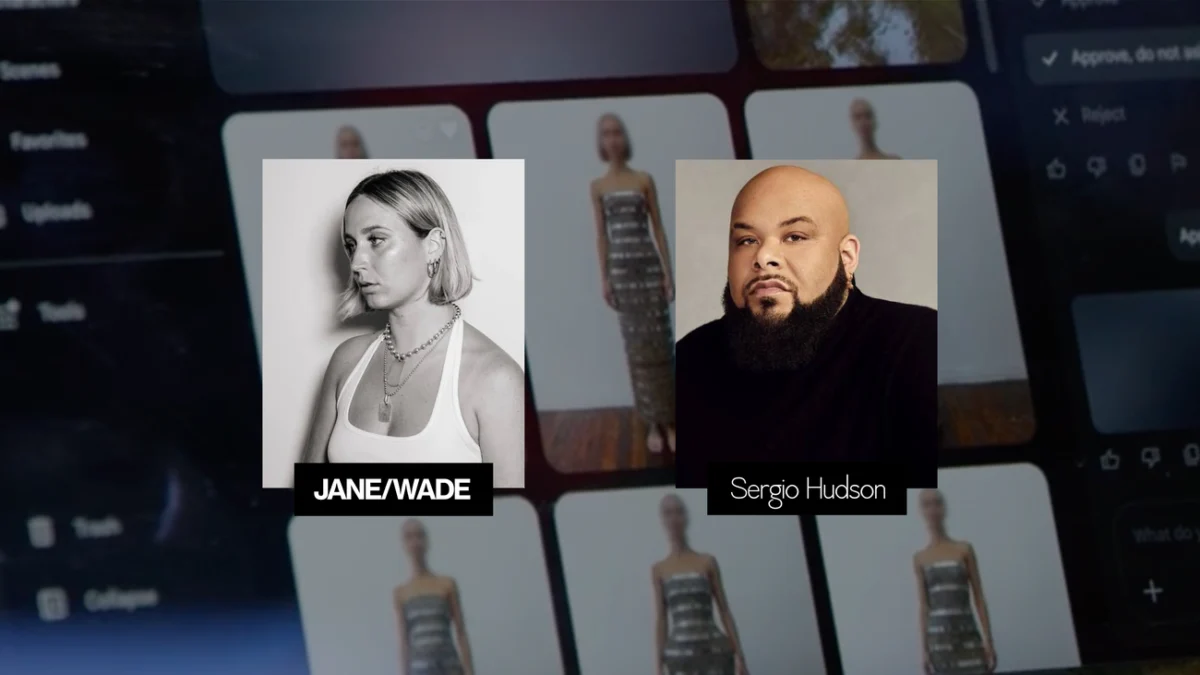
The intersection of high-concept fashion and advanced artificial intelligence reached a new milestone during the most recent New York Fashion Week (NYFW), as Google’s Envisioning Studio and Google Labs debuted a collaborative initiative designed to solve the logistical and creative bottlenecks facing independent designers. By partnering with acclaimed designers Jane Wade and Sergio Hudson, Google engineers utilized Google Flow—a natural language-driven AI creative studio—to develop bespoke tools that address the granular challenges of collection styling and runway production. This initiative marks a significant shift in the application of AI within the fashion industry, moving beyond the generation of surrealist imagery toward the creation of functional, utility-based workflows that preserve the designer’s creative agency while drastically reducing administrative friction.
The Hidden Burden of the Independent Designer
For the modern independent fashion designer, the act of "designing" often represents only a fraction of their daily professional output. The industry is notoriously labor-intensive, requiring a delicate balance of factory logistics, vendor management, administrative oversight, and complex coordination with production crews. These tasks frequently consume the majority of a designer’s bandwidth, leaving limited room for the experimental and creative phases of collection development.
In the lead-up to New York Fashion Week, the pressure on these small-scale labels intensifies. The cost of a traditional runway show can range from $100,000 to over $500,000, covering venue rentals, model casting, lighting, hair and makeup, and PR. For independent brands, there is zero margin for error. A single logistical misstep or a styling choice that fails to resonate on the runway can result in significant financial loss and missed commercial opportunities. Recognizing these systemic pressures, Google’s Envisioning Studio sought to intervene by co-developing digital solutions that streamline the path from conceptualization to the catwalk.
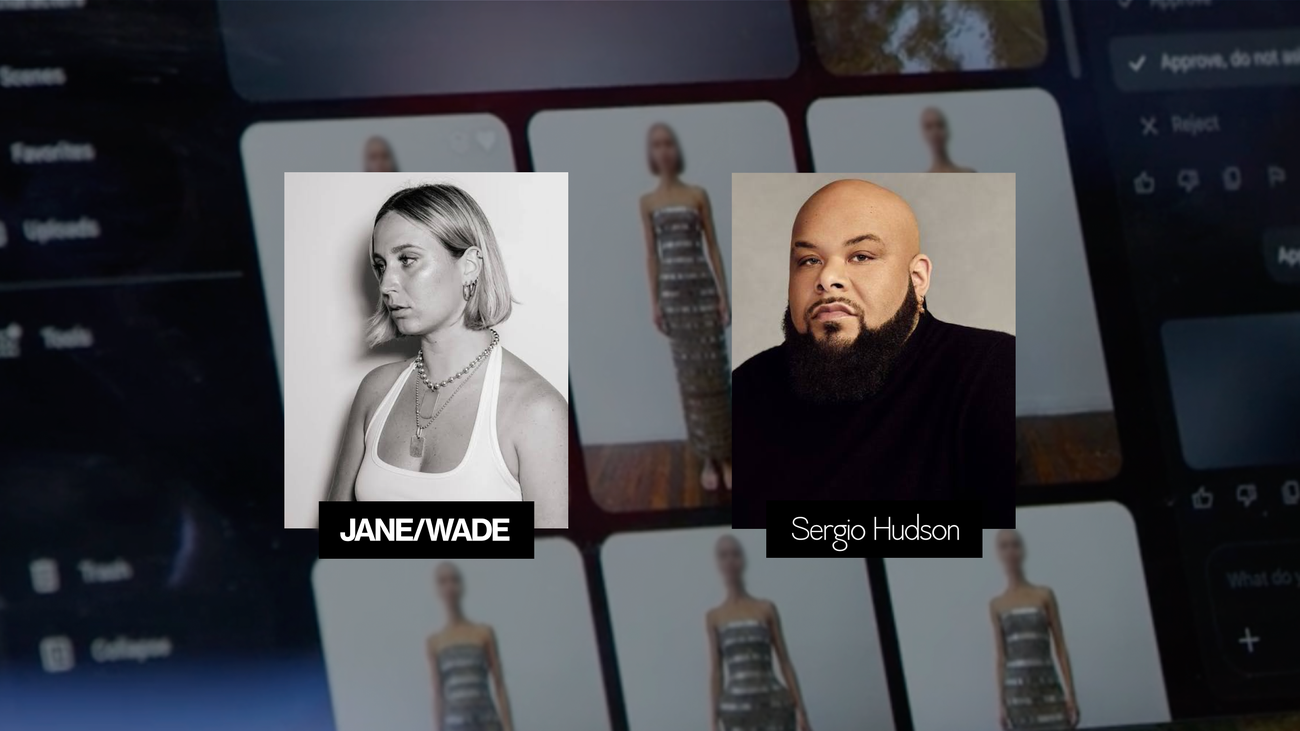
Google Flow: Democratizing AI Development for Creatives
At the heart of this collaboration is Google Flow, an AI-powered creative studio that allows users to build custom tools using natural language. Unlike traditional software development, which requires a deep understanding of coding and technical architecture, Google Flow enables creatives to describe the specific workflow or tool they require in plain English. The platform then translates these instructions into functional digital assets.
This "no-code" approach is particularly transformative for the fashion industry, where creative directors often lack the technical resources or the budget to hire dedicated software engineering teams. By working side-by-side with Google engineers, Jane Wade and Sergio Hudson were able to articulate their most pressing pain points—ranging from the high cost of physical fittings to the prohibitive expense of 3D set renderings—and see them addressed through tailored AI applications.
Case Study: Jane Wade’s "Styling Suite"
For Jane Wade, a designer known for her subversive take on office wear and utilitarian aesthetics, the primary challenge lay in the final curation of her runway looks. Traditionally, the process of "styling" a collection involves several days of in-person casting and fittings. A design team must physically assemble every look, coordinating garments with specific accessories, footwear, and beauty directions. This process is not only time-consuming but also resource-heavy, as it often requires the production of physical samples for items that may eventually be cut from the show.
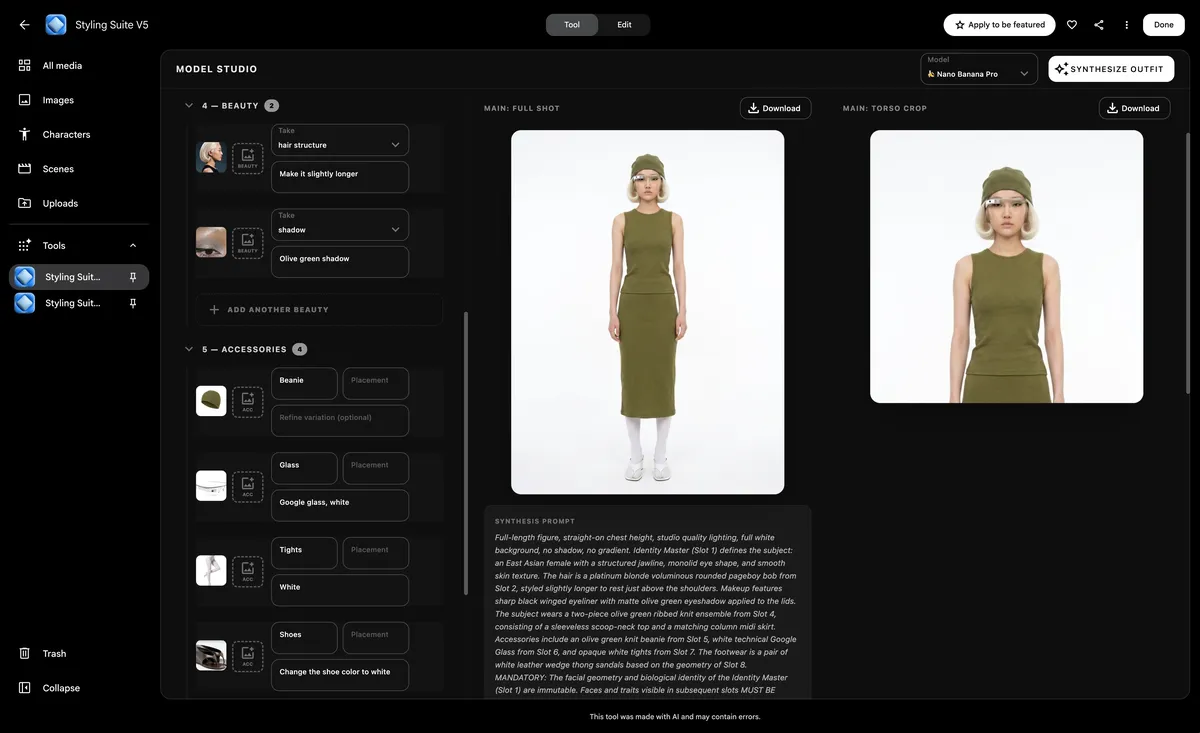
The "Styling Suite," a tool co-created with Google Flow, allowed Wade to map every facet of her runway looks digitally. The tool enabled her team to curate hair, makeup, accessories, and shoes onto digital models, providing a comprehensive visual of the head-to-toe silhouette before a single piece of fabric was cut or a model was hired. By virtually balancing each look, Wade could identify gaps in the collection—such as the need for an additional accessory or a specific color adjustment—well in advance of the physical production deadline. This virtual rehearsal saved approximately three full days of physical labor, allowing the team to focus on the technical execution of the garments.

Case Study: Sergio Hudson’s "Runway Visualization"
Sergio Hudson, a designer celebrated for his bold use of color and high-glamour silhouettes, faced a different set of challenges related to the physical environment of the runway. Staging a professional fashion show requires a complex interplay of lighting, music, and set design. Traditionally, any change to a set—such as moving a prop or altering a lighting cue—requires a new 3D rendering from a production house, which adds thousands of dollars to the budget and days to the timeline.
To solve this, Google and Hudson developed the "Runway Visualization" tool. This application simulated Hudson’s specific venue in a digital environment, allowing him to adjust the setup of the space in real-time. He could swap lighting configurations and move props virtually to see how they interacted with his garments, ensuring that the final presentation worked within his established budget. Furthermore, the tool allowed Hudson to refine the "walk paths" of the models. By simulating the movement of the models through the space, he could harmonize the audience’s viewing experience with the rhythm of the show, ensuring that every garment received maximum exposure.
The Economics of Fashion Innovation: Supporting Data
The implementation of these tools comes at a time when the fashion industry is under immense pressure to modernize its supply chain and reduce waste. According to data from McKinsey & Company, generative AI could add between $150 billion and $275 billion to the apparel, fashion, and luxury sectors’ operating profits within the next three to five years. However, much of this potential remains untapped as brands struggle to move past the "pilot phase" of AI adoption.
Supporting data suggests that independent designers spend up to 70% of their time on non-design tasks. By automating or streamlining these processes through AI, the "creative throughput"—the amount of time spent on actual design and innovation—can be significantly increased. In the case of the NYFW collaboration, the reduction in physical fitting times and the elimination of outsourced 3D renderings represent a potential cost saving of 15-20% on total show production, a vital margin for independent labels.
Chronology of the Collaboration
The partnership between Google and the designers followed a structured timeline designed to align with the rigorous NYFW schedule:
- Phase 1: Identification (3 Months Pre-Show): Google engineers conducted deep-dive sessions with Wade and Hudson to map out their workflows and identify specific "friction points" that could be solved with AI.
- Phase 2: Tool Prototyping (2 Months Pre-Show): Using Google Flow, the teams built initial versions of the Styling Suite and Runway Visualization tools. These were tested using the designers’ existing sketches and mood boards.
- Phase 3: Virtual Integration (1 Month Pre-Show): The designers used the tools to finalize their collections and set designs. Wade curated her digital looks, while Hudson finalized his lighting cues.
- Phase 4: Physical Execution (Show Week): The digital blueprints created by the AI tools were used to guide the physical setup of the runways and the final dressing of the models.
- Phase 5: Public Debut: The finalized collections were presented to the public and industry stakeholders at New York Fashion Week, showcasing the real-world results of the AI-augmented creative process.
Official Responses and Industry Implications
Yeawon Choi, a UX Designer at Google’s Envisioning Studio, emphasized that the goal was never to replace the designer, but to empower them. "AI can make the production process smoother for designers by co-developing tools that work within their existing processes and ensure they’re firmly in the driver’s seat," Choi stated. This sentiment reflects a broader movement within the tech industry to position AI as a "co-pilot" rather than a replacement for human creativity.
Industry analysts suggest that this collaboration serves as a blueprint for the future of fashion technology. By focusing on utility and "bespoke" tool creation, Google is demonstrating that AI’s greatest value lies in its ability to solve specific, mundane problems that hinder creative expression. The success of Wade and Hudson at NYFW provides tangible evidence that AI can be integrated into the highest levels of the fashion industry without compromising the artistry that defines it.
Broader Impact: Moving Beyond Pilot Mode
The primary takeaway from the Google Envisioning Studio’s project is the necessity of moving fashion AI out of "pilot mode." While the industry has seen many experimental projects involving AI-generated fabrics or virtual influencers, few have addressed the core operational challenges of being a designer.
The democratization of tool-building via platforms like Google Flow suggests a future where every design house, regardless of size, can have a custom-built digital infrastructure. As these technologies become more accessible, the barrier to entry for New York Fashion Week and other global stages may lower, allowing for a more diverse range of voices to participate in the high-fashion conversation.
The results of this collaboration were clearly visible on the runways of New York. Jane Wade’s collection was praised for its cohesive styling and sharp execution, while Sergio Hudson’s show was lauded for its high-production value and atmospheric staging. Both designers successfully navigated the complexities of NYFW with the support of AI, proving that the future of fashion lies not in the replacement of the human touch, but in its technological amplification. For the wider industry, the message is clear: the most effective AI is the one that allows the creator to spend more time creating.
