

The intersection of interior design and digital technology has reached a pivotal turning point as homeowners increasingly rely on artificial intelligence and visual search tools to bridge the gap between inspiration and execution. According to recent data released by Google, the digital landscape for home improvement is witnessing an unprecedented surge in activity, with searches for "home decor inspo" rising by 300% within the last month alone. This shift marks a transition from passive browsing to active, AI-assisted curation, as consumers move away from traditional catalogs in favor of dynamic, real-time search utilities.
As the "maximalism" and "dopamine decor" trends continue to dominate social media, specific aesthetic queries have reached breakout status. Both "bathroom inspo" and "living room inspo" have seen significant spikes in volume, reflecting a broader cultural desire to personalize living spaces following years of minimalist dominance. Furthermore, color palettes are shifting toward more expressive tones; Google’s internal data highlights teal and magenta as this year’s trending paint searches, signaling a departure from the neutral grays and whites that defined the previous decade. To meet this demand, Google has integrated a suite of advanced tools designed to streamline the decorating process, ranging from spatial visualization to real-time price monitoring.
The Evolution of Spatial Visualization through Generative AI
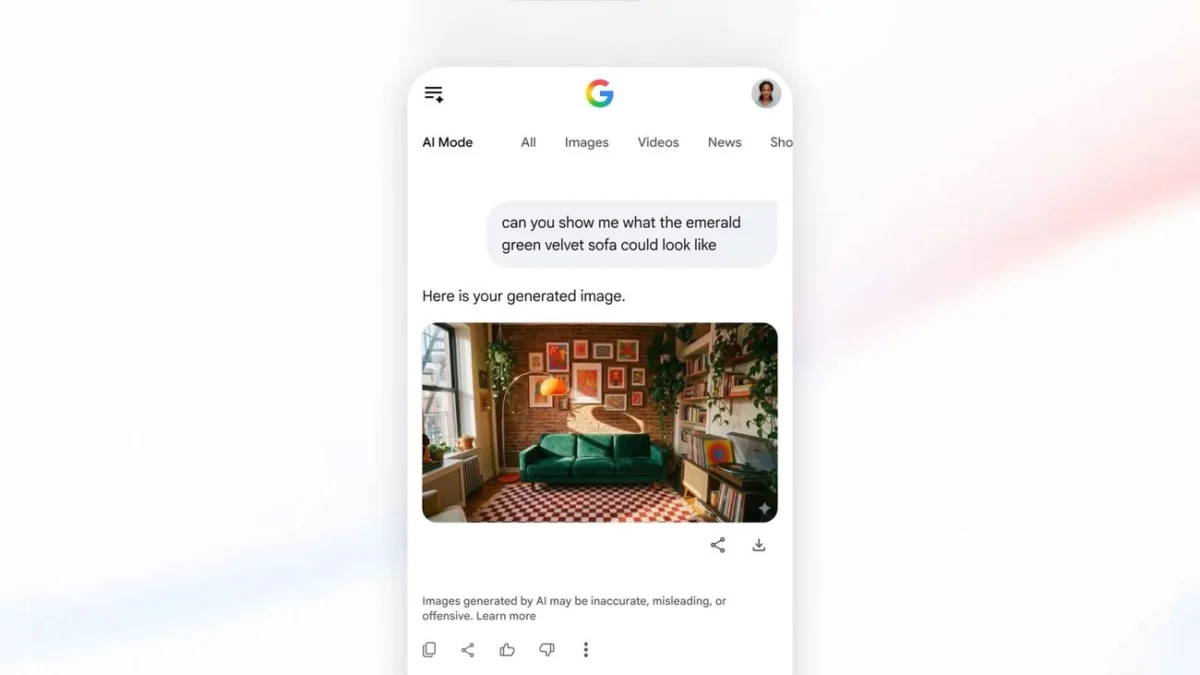
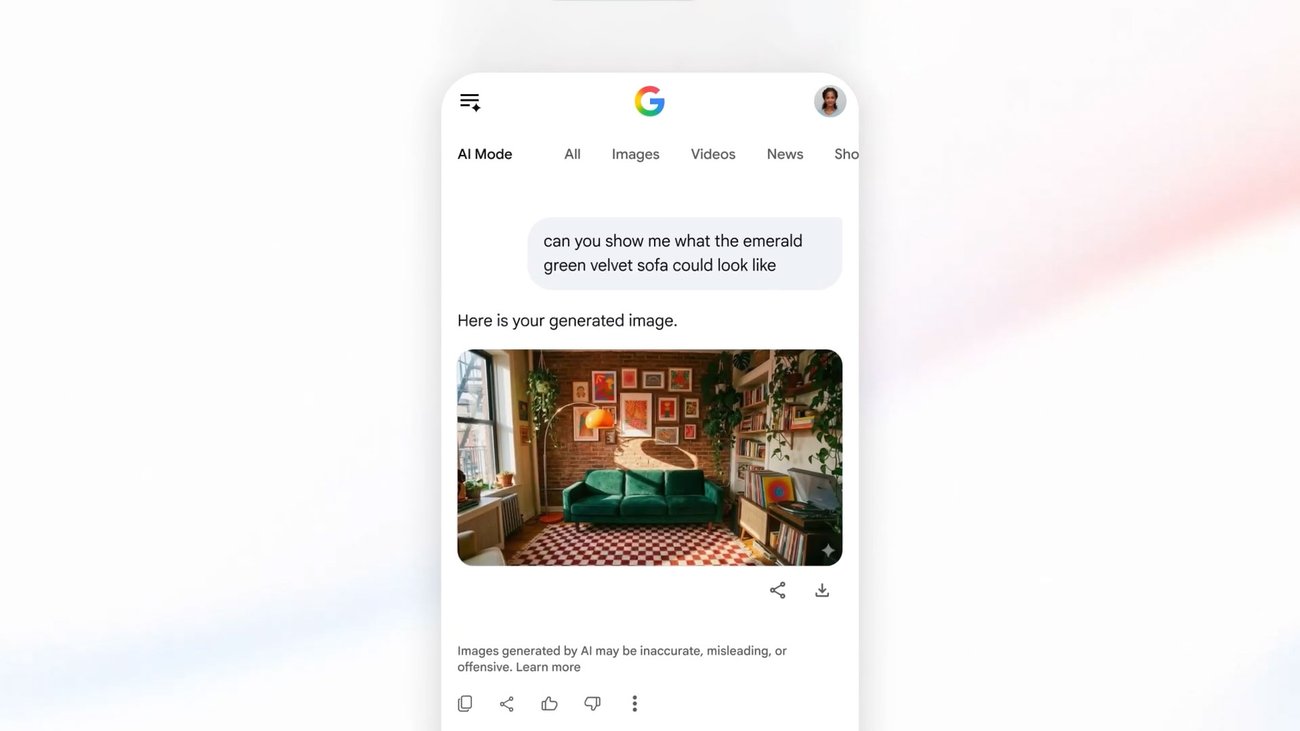
One of the most significant hurdles in home renovation is the "spatial gap"—the difficulty of imagining how a specific piece of furniture will interact with an existing room’s dimensions and lighting. Google has addressed this through its "AI Mode" in Search, a generative AI feature that allows users to mock up interior changes without moving a single piece of furniture. By uploading a high-resolution photo of a room, users can engage in a conversational interface to test various design hypotheses.
For instance, a user might specify that their wall is exactly 84 inches wide and ask the AI to suggest a couch that fits the scale. The system does not merely provide a list of products; it generates visual mockups. If a user asks, "Can you show me what an emerald green velvet sofa could look like in this spot?" the AI renders a contextual representation of the item within the user’s specific environment. This technology leverages sophisticated computer vision and generative adversarial networks (GANs) to ensure that shadows, perspective, and scale remain accurate to the uploaded image. This capability significantly reduces the "buyer’s remorse" often associated with large-scale furniture purchases, providing a digital safety net for bold aesthetic choices like the currently trending magenta and teal palettes.
Bridging the Gap Between Physical Discovery and Digital Acquisition
The resurgence of the "vintage" aesthetic has created a unique challenge for modern search engines. Unlike mass-produced items, vintage finds—such as the currently high-trending "vintage braided rugs" and "vintage wood coffee tables"—often lack clear brand names or model numbers. To solve this, Google Lens has been positioned as a primary tool for "discovery-based shopping."
Google Lens utilizes a vast database of indexed images to perform visual matching. When a user encounters a unique piece of furniture at a boutique, a flea market, or a friend’s home, they can use the Google app on iOS or Android to capture an image. The system then identifies the item or suggests "visually similar" alternatives that are currently available for purchase online. This utility is particularly relevant in the current economic climate, where the circular economy and secondhand shopping are gaining traction. By allowing users to find contemporary replicas or similar vintage listings within a specific price range, Lens democratizes high-end aesthetics, making them accessible to a broader demographic.
Circle to Search and the Influence of Social Media
The path to purchase has become increasingly fragmented, with inspiration often striking while users are consuming non-commercial content, such as social media videos or digital editorials. The introduction of "Circle to Search"—available on the latest Pixel and Samsung Galaxy S24 and S26 devices—represents a fundamental shift in how users interact with on-screen content. This feature allows users to identify items without the friction of switching between applications.
A notable example of this trend is the recent 140% increase in searches for "fish wallpaper." In a traditional workflow, a user seeing this wallpaper in the background of a social media post would have to exit the app, open a browser, and attempt to describe the pattern in text. With Circle to Search, a simple long-press on the home button followed by a circling motion over the wallpaper triggers an immediate search. This "zero-friction" approach to search is expected to redefine social commerce, as it allows for the instantaneous identification of niche decor items, from harlequin patterns to specific "funky lamps," which have also seen breakout search volume recently.
Multimodal Assistance for the DIY Movement
While identifying and purchasing decor is the first half of the process, the physical installation often presents a barrier for many renters and homeowners. The "Do-It-Yourself" (DIY) movement has seen a revival, particularly regarding "floating shelves," which have emerged as a top-trending item this year due to their utility in small-space living, such as studio apartments.
Google’s "Search Live" feature serves as a bridge between static tutorials and real-time assistance. By tapping the "Live" icon in the Google app, users can utilize their camera feed to share visual context with the AI. This allows for a more natural, conversational troubleshooting process. For example, a user struggling to mount a floating shelf can ask, "How do I find the stud in this specific wall?" while showing the camera the surface in question. The AI can then provide step-by-step guidance, effectively acting as a digital apprentice. This multimodal approach—combining video input with voice queries—represents the next frontier of "how-to" content, moving away from generic YouTube videos toward personalized, context-aware instruction.
Strategic Financial Management in Home Curation
The economic context of 2024 has made price sensitivity a primary concern for consumers. Even as search volume for luxury or "funky" items increases, the data suggests that users are more diligent than ever about price comparisons. Google’s integrated price-tracking tools are designed to provide transparency in a market characterized by fluctuating discounts and multi-retailer listings.
When a user selects a product listing through Google Search, they are presented with a comprehensive price history. This feature allows users to see if the current price is "high, low, or typical" based on historical data. Furthermore, the "Track Price" function provides push notifications when an item’s cost drops, allowing consumers to wait for the optimal moment to purchase high-ticket items like sofas or designer lighting. This focus on data-driven shopping reflects a broader trend of "savvy consumerism," where the goal is to achieve a high-end look without exceeding a strict budget.
Chronology of Google’s Search Evolution
To understand the impact of these tools, it is necessary to look at the timeline of their development. Google’s transition from a text-based search engine to a visual and AI-driven assistant has been nearly a decade in the making:
- 2017: Google Lens is launched, introducing the concept of "searching what you see."
- 2020: The introduction of Augmented Reality (AR) in Search allows for basic 3D placement of objects.
- 2022: Multisearch is introduced, allowing users to search with an image and then refine the results with text (e.g., an image of a chair + the word "green").
- 2024 (Early): Circle to Search debuts on flagship Android devices, removing app-switching friction.
- 2024 (Late): AI Mode and Search Live are integrated, bringing generative AI and real-time video context to the forefront of the user experience.
Analysis of Broader Implications and Industry Impact
The integration of these tools into the home decor sector has profound implications for both consumers and retailers. For the consumer, it represents a shift from "searching" to "solving." The ability to visualize, identify, and price-check items within a single ecosystem reduces the cognitive load of home renovation.
For retailers, this shift necessitates a more robust digital presence. As visual search becomes the primary discovery method, the importance of high-quality "alt-text," 3D modeling, and accurate metadata in Google’s Merchant Center cannot be overstated. Small businesses and vintage sellers, in particular, stand to benefit from these tools, as Google Lens can drive traffic to niche listings that might otherwise be buried in text-based search results.
Furthermore, the rise of AI-assisted design may challenge the traditional role of professional interior designers. While AI cannot yet replicate the nuanced human touch of a professional, it provides a "prosumer" level of capability to the average homeowner. This democratization of design tools suggests that the future of home decor will be increasingly personalized, data-driven, and accessible.
In conclusion, the 300% surge in home decor inspiration searches is not merely a statistical anomaly; it is a reflection of a new era of digital interaction. By leveraging AI Mode, Lens, Circle to Search, and real-time price tracking, Google is positioning itself as an essential partner in the creative process of home transformation. As these technologies continue to evolve, the line between the digital vision board and the physical living space will continue to blur, making the "dream home" more attainable than ever before.
