

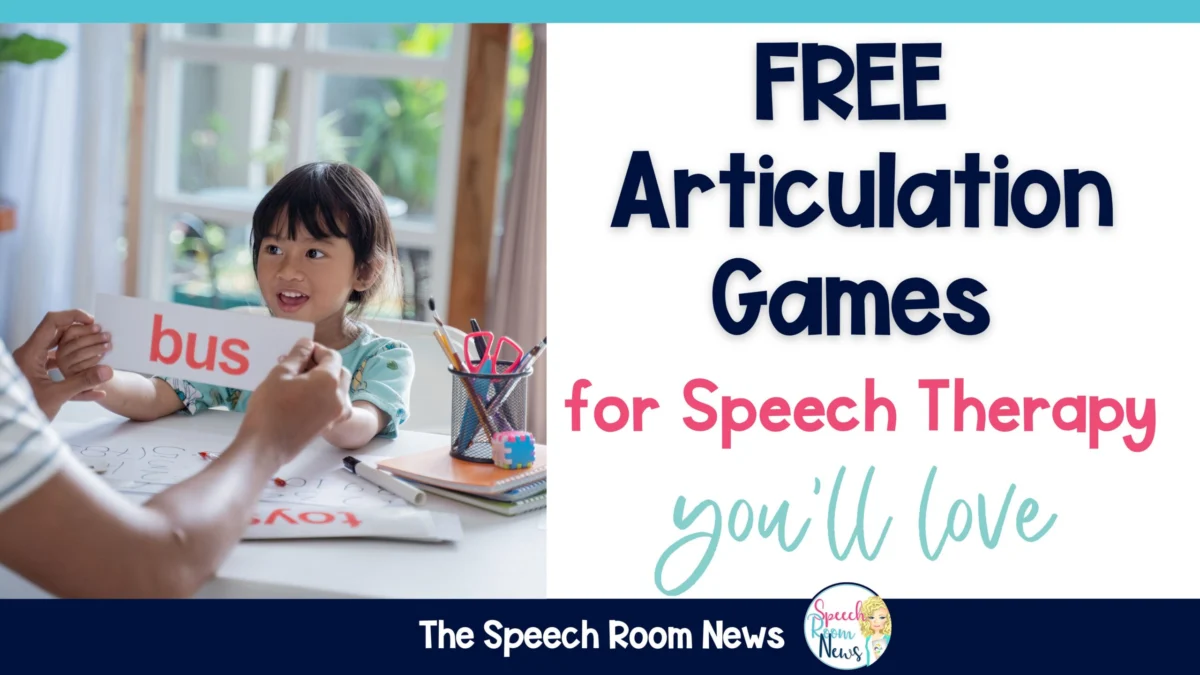
The landscape of speech-language pathology is undergoing a significant transformation, with a growing emphasis on integrating play-based learning and accessible digital tools to enhance articulation therapy. This shift leverages innovative, often free, resources to boost student engagement, foster the generalization of language skills into everyday contexts, and make therapy more memorable and effective. These advancements are particularly critical given the prevalence of speech sound disorders (SSDs) among children, which necessitate consistent and engaging intervention methods.
Speech sound disorders, characterized by difficulties in producing speech sounds correctly, affect a substantial portion of the pediatric population. According to the American Speech-Language-Hearing Association (ASHA), approximately 2-25% of children aged 5-7 years experience SSDs. Without timely and effective intervention, these disorders can impact academic performance, social interactions, and long-term communication skills. Traditional articulation therapy, while foundational, sometimes struggles with maintaining student motivation, especially in younger children or those with attention challenges. Rote drills and repetitive exercises, though necessary, can lead to disengagement, potentially slowing progress. The emergence of play-based and digital resources directly addresses these challenges by transforming therapy into an interactive and enjoyable experience.
Evolution of Articulation Therapy: A Shift Towards Engagement
The history of speech therapy reflects a continuous quest for more effective and engaging methods. For decades, articulation therapy primarily relied on structured drills, flashcards, and direct instruction, often requiring significant one-on-one clinician time. While effective for some, this approach could be monotonous for many children, leading to reduced participation and slower acquisition of target sounds.
The late 20th and early 21st centuries witnessed the gradual integration of technology into educational and therapeutic settings. Early computer programs offered rudimentary interactive exercises, but widespread adoption was limited by accessibility and cost. The advent of the internet, smartphones, and tablet computers, however, dramatically expanded possibilities. Suddenly, interactive applications and web-based games became viable tools, offering dynamic visuals, immediate feedback, and a gamified approach that resonated with tech-savvy generations. The COVID-19 pandemic further accelerated this trend, pushing speech-language pathologists (SLPs) to embrace virtual therapy models and digital resources out of necessity, cementing their role in contemporary practice. This period highlighted the critical need for versatile resources that could bridge the gap between in-person and remote learning environments, proving the invaluable nature of readily available, often free, digital and printable materials.
Diverse Free Resources Driving Therapeutic Innovation

The proliferation of free articulation resources represents a significant boon for SLPs, students, and families. These resources fall broadly into categories of interactive online games, printable materials, and no-materials-needed activities, catering to various settings and learning styles.
Interactive Online Platforms: Digital Engagement for Articulation
Online interactive games have become a cornerstone of modern articulation therapy, offering dynamic and stimulating environments for practicing speech sounds. These platforms often incorporate elements of gamification, such as points, levels, and immediate feedback, which intrinsically motivate students.
-
ABCya’s “Alphabet BINGO”: This popular educational website offers a variety of games, with "Alphabet BINGO" standing out for younger students. It effectively reinforces letter-sound correspondence, a foundational skill for articulation. By associating visual letters with their phonemic representations in a familiar game format, children actively engage in sound identification and production. The interactive nature of selecting letters and matching sounds transforms a potentially dry learning objective into a playful challenge.
-
Articulation Station App (Lite Version): Widely recognized within the SLP community, the Articulation Station app provides a comprehensive suite of tools. Its free "Lite Version" is particularly impactful, offering access to several core sound options and interactive games. This allows SLPs and parents to experience the app’s efficacy without an initial investment, making it an accessible entry point for targeted articulation practice on mobile devices. The app’s design typically includes flashcards, matching games, and sentence practice, all tailored to specific phonemes.
-
Language Playroom: This dedicated platform specializes in free online games for speech and language development. Currently boasting 20 free articulation games, Language Playroom is continuously expanding its collection to include fluency, language, and social communication activities. Its commitment to growing a diverse library of free resources positions it as a valuable hub for SLPs seeking varied and engaging digital content across multiple therapeutic domains.
-
Phoneme Pop: An engaging online game, Phoneme Pop allows children to interact with target sounds by "popping" bubbles containing words that feature their specific phonemes. This kinesthetic interaction, combined with auditory and visual stimuli, creates a multi-sensory learning experience that can enhance phoneme recognition and production. The immediate gratification of popping a bubble after correctly identifying or producing a sound provides positive reinforcement.

-
Boom Cards: These digital, interactive task cards have gained immense popularity among educators and therapists. Available on platforms like Teachers Pay Teachers (TpT) and Boom Learning, Boom Cards offer self-checking features, immediate feedback, and a wide array of themes and target sounds. SLPs can find numerous free Boom Card decks for various articulation targets, which are invaluable for both in-session practice and assigning homework. The interactive drag-and-drop, fill-in-the-blank, or multiple-choice formats make practice feel like a game, while automatically tracking student responses for data collection. The ecosystem surrounding Boom Cards, with creators offering free samples, fosters a robust community of resource sharing.
Printable Games for Hands-On Articulation Practice
For those who prefer tactile learning or need materials for home practice without screen time, printable games remain an essential component of articulation therapy. These resources offer flexibility and can be easily integrated into various therapy models.
-
Whack-a-Sound /S/ Self-Checking Articulation Freebie: This game, ideal for preschool through second grade, targets the /s/ sound, a common articulation challenge. Its self-checking nature empowers children to independently identify the position of the target sound (initial, medial, or final) within words. This metacognitive task enhances phonological awareness alongside articulation practice, making it a comprehensive tool for early learners.
-
Articulation Worksheets from Super Duper Publications: A long-standing and respected name in speech and language resources, Super Duper Publications offers a selection of free printable worksheets. These materials often provide structured practice activities, such as coloring pages with target words, word searches, or cut-and-paste exercises. Their high-quality design and focus on specific therapeutic goals make them reliable additions to an SLP’s toolkit, often serving as a gateway to their broader range of products.
-
Hot Chocolate Articulation Board Game: Themed games, like this winter-centric board game, significantly boost engagement by tapping into children’s interests. This versatile resource can be adapted for various articulation goals; SLPs typically prepare flashcards with target words, and students advance on the board by correctly producing their target sounds. The combination of a familiar game format with therapeutic objectives makes practice enjoyable and motivates repeated trials.
-
100 Trial Challenges by Peachie Speechie: These themed and holiday-specific sheets are designed to facilitate high-repetition practice, a critical component of articulation therapy. The goal is for students to achieve 100 trials of their target sound within a session, which is vital for motor learning and habituation. The thematic elements help maintain interest across multiple sessions and make the intensive practice feel less daunting, effectively integrating therapeutic goals into seasonal fun.

-
Color & Play Ocean Articulation Bingo: Bingo is a classic game adaptable for diverse therapeutic goals. These printable ocean-themed cards, featuring target words, are excellent for group settings or one-on-one practice. The act of coloring or marking off squares after correct articulation provides visual feedback and adds an artistic dimension, enhancing engagement and making high-volume practice more tolerable.
Material-Free Games: Generalizing Skills in Everyday Environments
The ultimate goal of articulation therapy is the generalization of newly acquired sounds into spontaneous speech and everyday environments. Material-free games are invaluable for this purpose, providing opportunities for practice anytime, anywhere.
-
I Spy: This classic game is easily modified to target specific sounds. Instead of simply "I spy something blue," an SLP or parent can prompt, "I spy with my little eye something that starts with the /s/ sound." This encourages active listening, sound identification, and spontaneous production in a natural conversational context, facilitating carryover of skills outside the therapy room.
-
20 Questions: This deductive reasoning game promotes rich descriptive language and question formation. By requiring children to ask questions using target sounds and formulate descriptive answers, it integrates articulation practice into a complex cognitive task. It encourages spontaneous speech, turn-taking, and the use of varied vocabulary, all while maintaining focus on articulation goals.
-
Rhyme Time: Focusing on phonological awareness, Rhyme Time involves taking turns saying words that rhyme with a target word. This activity directly addresses sound patterns and helps children perceive and produce similar word endings, reinforcing correct articulation within a phonological context. It’s particularly useful for developing auditory discrimination and sound manipulation skills.
-
The Alphabet Game: In this game, participants go through the alphabet, taking turns saying a word that starts with each letter. This can be adapted to focus on specific articulation targets, for instance, by emphasizing words starting with a challenging sound when that letter comes up. It encourages systematic word recall and initial sound production, making it an excellent on-the-go practice tool.

Broader Implications and Future Outlook
The widespread availability and adoption of free articulation games carry profound implications for the field of speech-language pathology and beyond.
Enhanced Accessibility and Equity: Free resources significantly democratize access to quality therapy. For families with limited financial means, or those in underserved communities where therapy access might be scarce, these materials provide invaluable support for home practice and supplemental learning. This contributes to greater equity in educational and health outcomes, ensuring that financial barriers do not impede a child’s ability to develop clear speech.
Empowering Speech-Language Pathologists: For SLPs, especially those with limited departmental budgets or new graduates establishing their practices, free resources are a lifeline. They reduce the financial burden of acquiring materials, allowing SLPs to diversify their therapeutic approaches without compromising quality. Platforms like Teachers Pay Teachers foster a vibrant community where SLPs share, adapt, and refine resources, leading to continuous innovation and professional development. This collaborative environment ensures that best practices and effective tools are disseminated widely.
Fostering Parental Involvement: These accessible games empower parents and caregivers to become active participants in their child’s therapy journey. By providing easy-to-understand and engaging activities, SLPs can confidently assign homework that parents can implement effectively. This home practice is crucial for reinforcing learned skills, increasing the frequency of articulation trials, and accelerating progress.
Data-Driven Decisions and Future Trends: Many digital platforms offer embedded data collection, allowing SLPs to track student progress objectively. This data-driven approach enables more precise intervention planning and progress monitoring. Looking ahead, the integration of artificial intelligence (AI) and virtual/augmented reality (VR/AR) holds immense promise for personalized and immersive articulation therapy. AI could offer adaptive feedback and customized exercises, while VR/AR could create realistic conversational environments for practicing generalization.
The paradigm shift towards play-based, accessible articulation therapy, underpinned by a wealth of free resources, is fundamentally transforming how speech sound disorders are addressed. By blending educational efficacy with practical accessibility, these innovative tools are not merely supplementary; they are becoming integral to creating dynamic, engaging, and ultimately more effective learning environments for students on their journey to clear and confident communication. The continued development and sharing of such resources promise a brighter, more inclusive future for speech-language pathology.
