

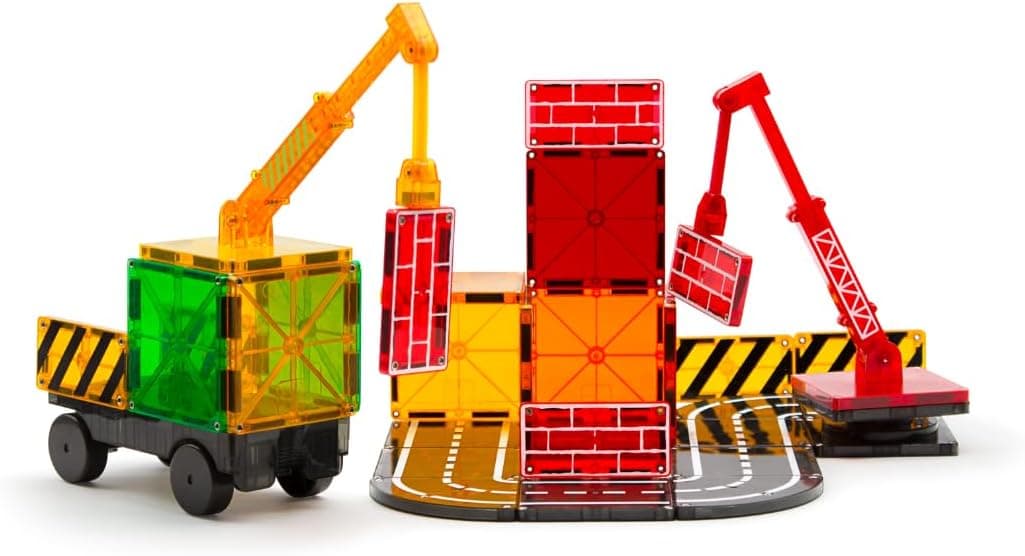
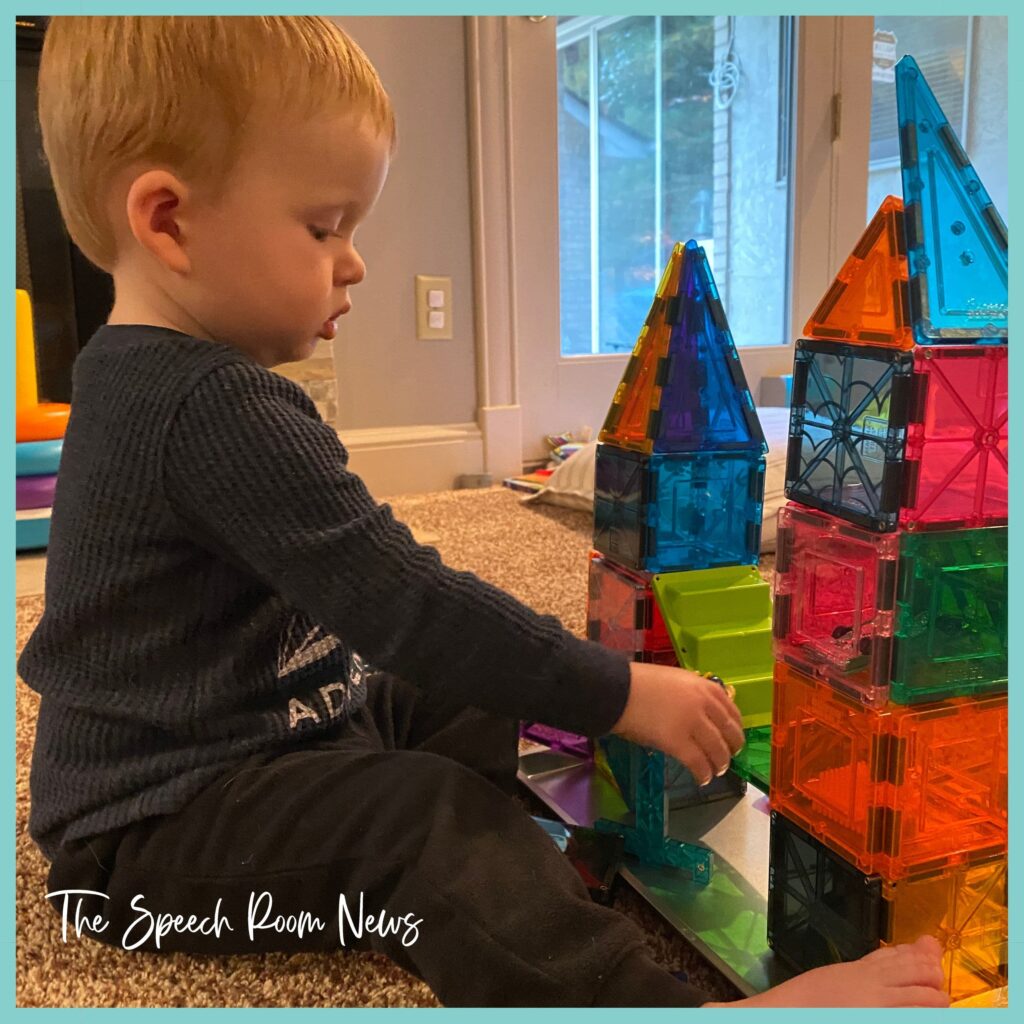
Magnetic tiles, long celebrated in homes and classrooms for their open-ended play potential, are increasingly recognized by speech-language pathologists (SLPs) as invaluable tools in pediatric speech and language therapy. These vibrant, geometrically shaped magnetic manipulatives offer a dynamic and engaging platform to address a wide spectrum of communication goals, fostering development through interactive and enjoyable experiences. Their inherent versatility, appealing to children across various developmental stages, positions them as a cornerstone in modern, play-based therapeutic interventions.
The Foundational Power of Play in Child Development
Play is not merely recreation for children; it is a fundamental mechanism for learning, exploration, and development. Through play, children naturally experiment with language, social roles, problem-solving, and emotional regulation. Research consistently underscores the critical role of play-based interventions in early childhood, particularly for children facing developmental delays or communication challenges. The American Speech-Language-Hearing Association (ASHA) advocates for client-centered, engaging therapy methods that leverage naturalistic contexts to promote skill acquisition and generalization. Magnetic tiles align perfectly with this philosophy, transforming abstract therapeutic targets into concrete, manipulable experiences that capture and sustain a child’s attention. This approach contrasts with more traditional, drill-based methods, often yielding higher engagement and more spontaneous language use.
Magnetic Tiles: A Multifaceted Therapeutic Instrument
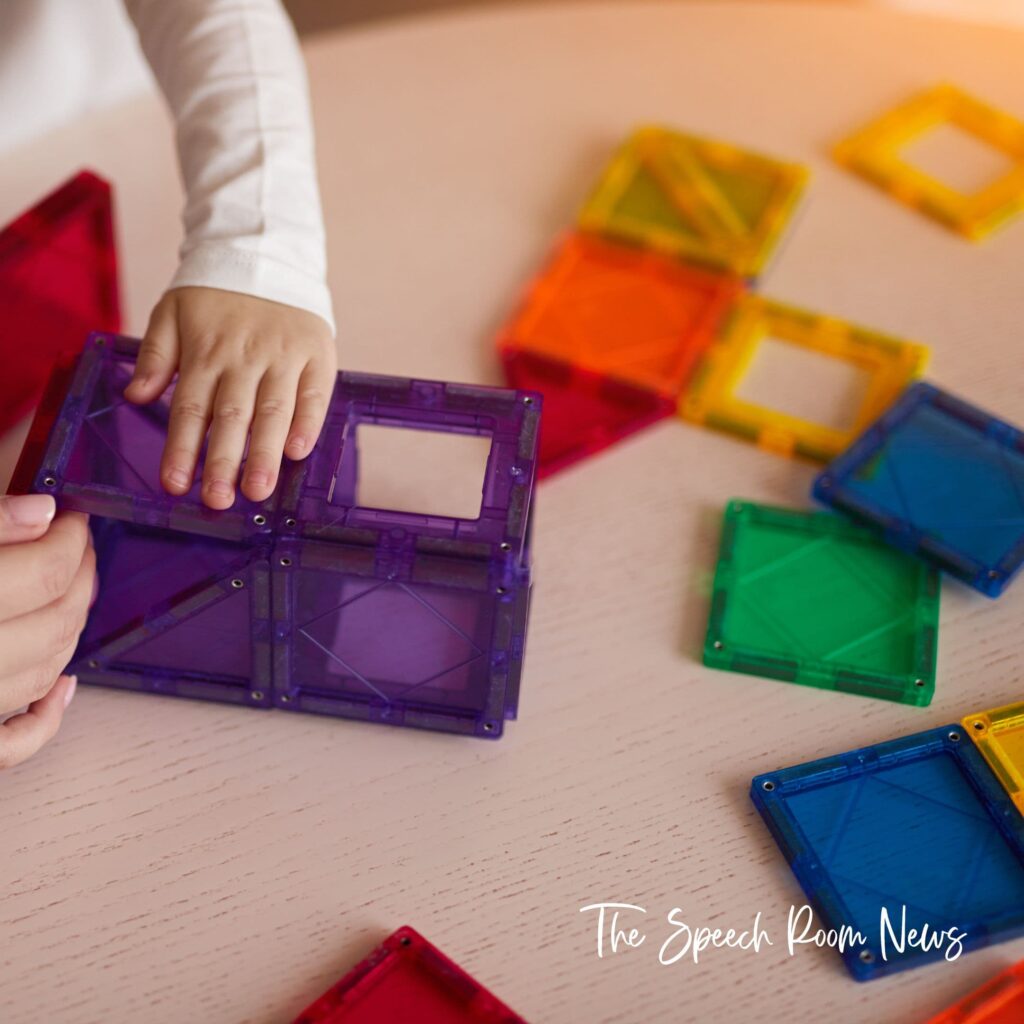
The appeal of magnetic tiles stems from several key characteristics that make them exceptionally well-suited for a therapeutic environment. Firstly, their tactile nature and visual appeal engage multiple sensory pathways, supporting multi-modal learning. Children can see, touch, and manipulate the tiles, which enhances their understanding and retention of concepts. Secondly, their open-ended design promotes creativity and divergent thinking, allowing for an infinite array of constructions from simple flat patterns to intricate 3D structures. This adaptability means they can be used with children as young as one year old, fostering early sensory exploration, and continuing through school age, supporting complex problem-solving. While the initial investment for quality magnetic tile sets can be higher than some other toys, their durability and extensive utility often make them a cost-effective choice for clinics and therapy rooms over time, reducing the need for frequent replacement of less robust materials. Clinicians often seek grants or wish list donations to acquire these valuable resources, recognizing their long-term therapeutic benefits.
Integrating Magnetic Tiles into Speech Therapy: Ten Key Applications
Speech-language pathologists are adept at leveraging the intrinsic engagement of magnetic tiles to target specific speech and language objectives. Here are ten distinct ways these versatile tools are employed:
-
Fostering Social Cooperative Work: Magnetic tiles are exceptional catalysts for developing crucial social skills. When children collaborate on a shared building project, they are naturally prompted into back-and-forth communication. This environment encourages turn-taking, active listening, negotiation, and joint attention – all foundational elements of successful social interaction. SLPs can structure activities where students must plan a design together, assign roles (e.g., "You find the squares, I’ll find the triangles"), and verbalize their intentions or requests. This collaborative play not only enhances expressive and receptive language but also nurtures vital social-emotional skills, such as empathy and conflict resolution, as they learn to work towards a common goal.
-
Mastering Prepositions and Spatial Concepts: Abstract concepts like prepositions ("on," "under," "beside," "between," "above," "below") can be challenging for young learners. Magnetic tiles provide a concrete, hands-on medium to internalize these spatial relationships. An SLP can instruct a child to place a "red tile on the blue tile" or "put the yellow tile under the arch." This physical manipulation allows children to experience and understand the meaning of these words in a tangible way, reinforcing comprehension and encouraging accurate expressive use. As children arrange tiles in various positions, they build a robust understanding of spatial reasoning, a critical cognitive skill that extends beyond language into areas like mathematics and problem-solving.
-
Enhancing Sorting and Categorization by Shape and Color: Utilizing magnetic tiles for sorting activities offers an engaging pathway to develop cognitive classification skills and expand vocabulary. Children can be prompted to group tiles based on specific attributes, such as all red tiles, all triangles, or all large squares. This activity not only hones their ability to identify similarities and differences but also provides opportunities for descriptive language ("This is a big red square"). Beyond simple sorting, SLPs can guide children to construct "sorting bins" or "garages" using the tiles themselves, then use these self-made structures to categorize other small objects or pictures, further reinforcing the concept of classification. This process strengthens cognitive flexibility and attention to detail.
-
Targeting Articulation and Phonological Awareness: Magnetic tiles can transform articulation practice from repetitive drills into an interactive game. For instance, an SLP targeting the /k/ sound might challenge a child to build a "castle" while saying "castle," "king," "crown," "blocks," or "stack." Each time a tile is placed, the child practices the target sound within a meaningful word or phrase. This contextualized repetition is far more effective and less fatiguing than isolated sound practice. The visual and kinesthetic input from building reinforces the auditory feedback, helping children to motor plan and produce target phonemes more accurately. It also allows for targeting phonological patterns by emphasizing minimal pairs (e.g., "pat" vs. "cat" when building a "cat house").
-
Practicing Irregular Verbs in Context: Irregular verbs (e.g., "built" instead of "builded," "fell" instead of "falled") are notoriously difficult for children to master due to their unpredictable conjugations. Magnetic tiles provide an excellent narrative framework for practicing these verbs. Children can build a structure, then narrate what happened to it, using past tense irregular verbs: "I built a tall tower," "The tower fell down," "The boy hit the wall." SLPs can create mini-story scenarios with the tiles, prompting children to describe the sequence of events using appropriate irregular verb forms, thereby integrating grammatical accuracy into playful storytelling.
-
Developing Executive Functioning Skills: Executive functioning skills – including planning, organization, working memory, and impulse control – are crucial for academic success and daily life. Magnetic tiles offer a dynamic environment for their development. An SLP might present a blueprint for a structure and challenge the child to replicate it, requiring planning, sequencing steps, and sustained attention. Introducing constraints, such as a time limit or a specific number of tiles, further challenges their planning abilities and cognitive flexibility. Activities like "build a bridge strong enough for this car" require problem-solving and adaptive thinking, all while verbalizing the thought process, which aids metacognition.
-
Reinforcing Regular Plurals: The formation of regular plurals (adding "-s" or "-es") is a key morphological skill. Magnetic tiles facilitate practice by providing quantifiable objects. As children build, they can describe their creations using plural forms: "I have many squares," "Look at all the triangles!" or "I need more blocks." An SLP can prompt: "You have one square; now you have two…?" encouraging the child to say "squares." This direct, hands-on counting and describing of multiple items helps solidify the concept of pluralization in a natural, communicative context, promoting accurate grammatical expression.
-
Addressing WH Questions (Who, What, Where, When, Why): Magnetic tiles serve as a rich source for practicing both asking and answering WH questions, which are fundamental to comprehension and expressive language. During a building activity, an SLP can ask: "Where should this tile go?" "Who built this part?" "What are we building next?" or even, "Why did the tower fall?" Children can also be encouraged to ask questions of the therapist or peers, promoting active inquiry and conversational turns. This contextualized practice helps children understand the nuances of different question types and formulate appropriate responses, enhancing their overall communicative competence.
-
Mastering the Pronoun "I": For many young children, particularly those with language delays, mastering self-referencing pronouns like "I" can be challenging. Magnetic tile activities provide ample opportunities for modeling and practicing this pronoun in meaningful sentences. An SLP can consistently model sentences like, "I am building," "I want a red tile," or "I made a tall tower." When a child places a tile, the therapist can prompt: "What did you do?" encouraging the response, "I put the square on." This repetitive, functional use within a play context helps solidify the correct usage of "I" in expressive language, promoting self-advocacy and independent communication.
-
Supporting AAC Core Words: For children utilizing Augmentative and Alternative Communication (AAC) devices, magnetic tiles offer an ideal platform for reinforcing core vocabulary. Core words are high-frequency words that constitute the majority of daily communication (e.g., "more," "on," "off," "up," "down," "help," "want," "go"). During magnetic tile play, SLPs can model and prompt the use of these words on the AAC device. For example, "You want more tiles?" or "Put the tile on." "Let’s make it go up!" This provides practical exposure to core words in a functional, motivating context, helping children develop fluency and spontaneity with their AAC systems, thereby enhancing their overall communicative effectiveness.
Expert Perspectives and Practitioner Insights
Leading speech-language pathologists widely endorse the integration of magnetic tiles into their therapeutic toolkit. Clinicians consistently report that the inherent engagement factor of magnetic tiles significantly boosts student participation and motivation, often extending attention spans beyond what is typically observed with traditional therapy materials. "The beauty of magnetic tiles is their ability to seamlessly integrate multiple therapy goals within a single, highly motivating activity," states a veteran SLP. "Children are so engrossed in building that they often don’t even realize they’re working on articulation, grammar, and social skills simultaneously. This naturalistic approach facilitates better generalization of skills outside the therapy room." Furthermore, the open-ended nature of these toys allows for differentiated instruction, making them suitable for children with diverse needs and skill levels within a group setting.
Considerations for Optimal Implementation
While magnetic tiles offer extensive benefits, their effective implementation requires thoughtful planning by the SLP. The initial cost, as noted by many practitioners, can be a barrier for individual clinicians or underfunded programs. However, their longevity and multi-purpose utility generally outweigh this initial investment. Safety is another consideration, particularly for very young children; while most magnetic tiles are large enough to not pose a choking hazard, therapists must always ensure that all components are intact and used appropriately. Crucially, the therapist’s role in structuring the activity and explicitly linking the play to specific language targets is paramount. Without skilled facilitation, the play, while enjoyable, may not consistently translate into measurable therapeutic gains.
Broader Implications for Pediatric Therapy and Education
The widespread adoption of tools like magnetic tiles in speech therapy signifies a broader shift in pediatric therapeutic and educational practices towards more naturalistic, play-based, and child-led interventions. This approach recognizes the child as an active participant in their learning journey, rather than a passive recipient of instruction. The success observed with magnetic tiles encourages parents and educators to incorporate similar engaging, hands-on learning experiences in home and school environments, fostering a consistent and supportive language-rich ecosystem. Beyond direct speech and language gains, the use of magnetic tiles contributes holistically to a child’s development, strengthening fine motor skills, visual-spatial reasoning, problem-solving abilities, and social-emotional intelligence – all interconnected components of a child’s overall well-being and readiness for learning.
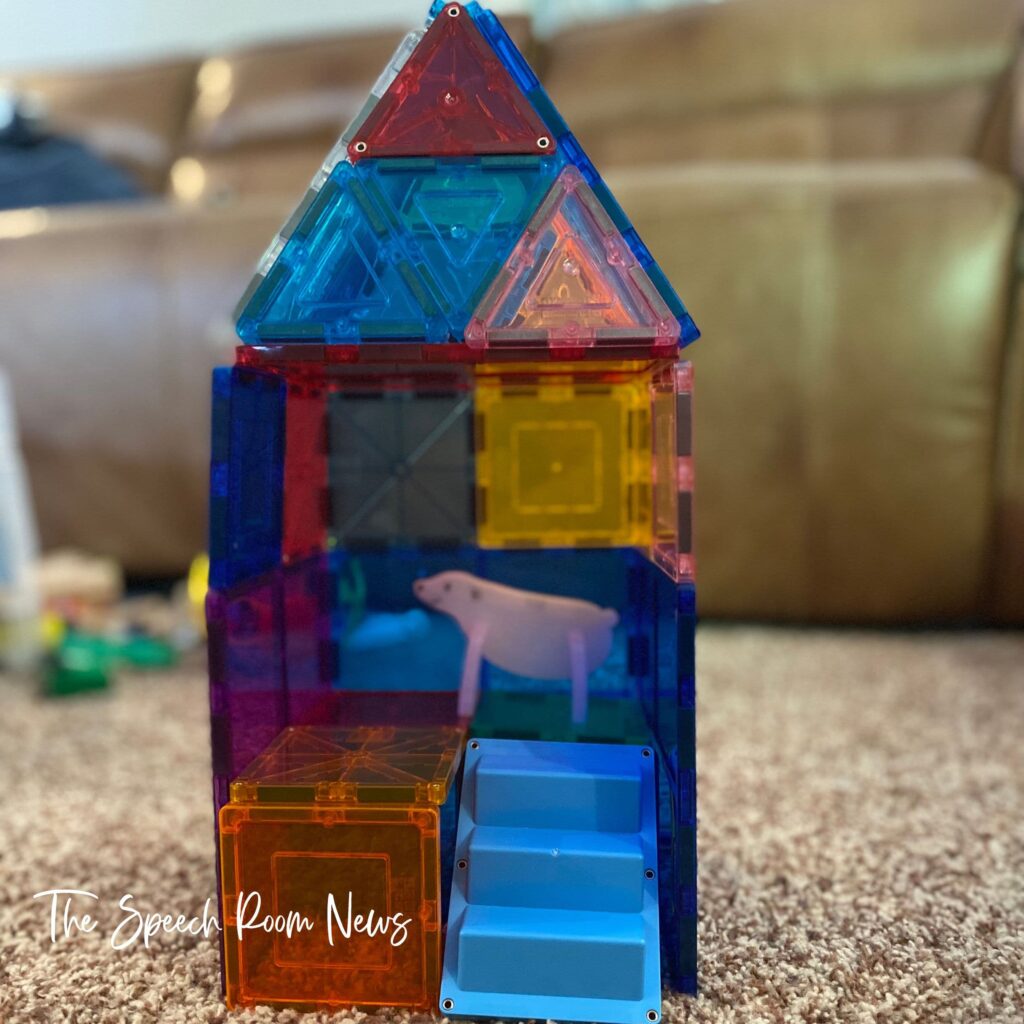
In conclusion, magnetic tiles represent a powerful and versatile asset in the arsenal of pediatric speech and language therapy. Their capacity to transform abstract language concepts into concrete, engaging play experiences makes them an indispensable tool for clinicians. By fostering social interaction, enhancing cognitive skills, and providing a dynamic platform for practicing specific speech and language targets, magnetic tiles not only enrich the therapeutic process but also contribute significantly to the comprehensive developmental trajectory of young learners.
