

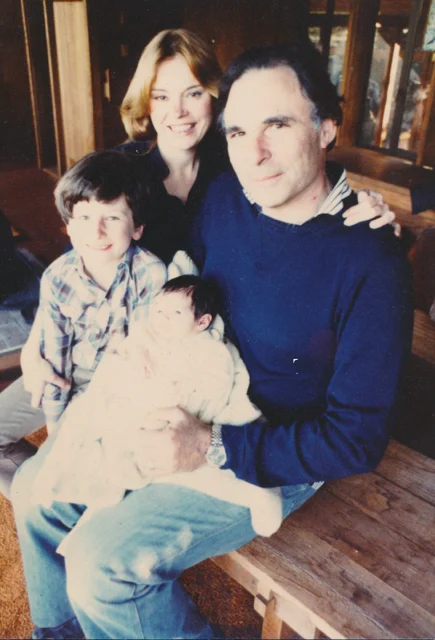
San Francisco, CA, November 17, 2025 – The world of psychology and affective science has lost a titan with the passing of Dr. Paul Ekman, a pioneering researcher whose seminal work fundamentally reshaped our understanding of human emotion, facial expressions, deception, and compassion. Dr. Ekman died peacefully at his home in San Francisco at the age of 91, surrounded by his family. His departure marks the end of an era defined by relentless curiosity and groundbreaking discovery in the intricate landscape of human feeling.
For over six decades, Dr. Ekman’s intellectual rigor and profound observational skills illuminated the complex interplay between our internal emotional states and their outward manifestations. His research, conducted across diverse cultural landscapes, provided compelling evidence for the universality of certain facial expressions associated with basic emotions, a finding that challenged prevailing cultural relativist theories and firmly established a biological foundation for emotional expression. This foundational work not only revolutionized the field of emotion research but also spurred innovation and application across a vast spectrum of disciplines, including psychology, anthropology, education, law enforcement, and international relations.
Dr. Ekman’s enduring legacy is inextricably linked to his development of the Facial Action Coding System (FACS), a comprehensive and objective method for describing all observable facial movements. Developed in collaboration with Wallace Friesen, FACS provided a standardized, scientific language for analyzing facial expressions, enabling researchers to meticulously catalog and compare the subtle nuances of human emotional display. This system became an indispensable tool for scientists worldwide, offering a precise means to quantify and study the complex symphony of muscle movements that convey our inner emotional lives. Complementing FACS, his work on micro-expressions – fleeting, involuntary facial expressions that reveal concealed emotions – led to the creation of Micro Expression Training Tools, empowering individuals and professionals with the ability to detect these subtle, often revealing, signals.
"Paul brought his remarkable intellect, observational skills, and unflagging energy to illuminate the ways we express and feel our emotions and how they are embodied in our physiology," stated Dr. Robert W. Levenson, a distinguished professor in the Department of Psychology at the University of California, Berkeley. "His research, theorizing, and ideas for how emotions could be harnessed in service of the greater good galvanized what was a small niche area of research into a vibrant and thriving research area that will continue to be hugely influenced by his work and vision." Dr. Levenson’s statement underscores the transformative impact of Dr. Ekman’s scientific contributions, which elevated the study of emotion from a nascent field to a robust and influential domain of inquiry.
The breadth of Dr. Ekman’s influence extended far beyond academic circles. His ability to translate complex scientific findings into accessible formats allowed his work to resonate with a global audience. He was a key scientific advisor for the acclaimed television series Lie to Me, which dramatized the science of micro-expressions and deception detection, bringing these concepts to millions of viewers and sparking widespread public interest. Furthermore, his expertise was sought by Pixar Animation Studios for their critically and commercially successful film Inside Out, where he helped ensure the scientifically accurate portrayal of core emotions, making the intricate world of feelings comprehensible and engaging for audiences of all ages.
A significant portion of Dr. Ekman’s later career was dedicated to harnessing the power of his research for the betterment of humanity. He recognized the profound impact of destructive emotions and sought to promote compassion and emotional well-being. This commitment led to extensive collaborations, most notably his enduring friendship and scientific partnership with His Holiness the Dalai Lama. Together, they explored the potential of meditation and contemplative practices to cultivate positive emotions and reduce suffering. This collaboration resulted in a co-authored book and a webisode series titled Developing Global Compassion, which aimed to foster greater empathy and understanding on a global scale.
This deeply personal and impactful work also forged a new professional collaboration with his daughter, Dr. Eve Ekman, a contemplative social scientist and the current director of the Paul Ekman Group. Together, they spearheaded the development of the Atlas of Emotions, an innovative interactive online tool designed to expand emotional vocabulary and enhance emotional insight. Their joint efforts also led to the establishment of Cultivating Emotional Balance (CEB), a program that integrates scientific understanding with mindfulness and meditation practices to train emotional skills.
"My dad’s commitment to rigorous science, love of discovery, and dedication to alleviating pain from destructive emotions were at the very core of his brilliant mind and accomplishments," shared Dr. Eve Ekman. "However, his huge heart and ability to vulnerably share his own struggles with emotions were what made him beloved by so many. He was an incredibly loving dad – a lover of life and unrelentingly curious." This personal reflection highlights the dual nature of Dr. Ekman’s legacy: a formidable scientific mind paired with a deeply humanistic spirit.
Dr. Ekman’s prolific writing further disseminated his research to a wider audience. His bestselling books, including Emotions Revealed and Telling Lies, provided insightful explorations into the nature of human emotions and the complexities of deception, solidifying his position as a leading public intellectual on these subjects. His ability to articulate profound scientific insights in clear, engaging prose made his work accessible to both academic and lay readers, fostering a greater public appreciation for the science of emotion.
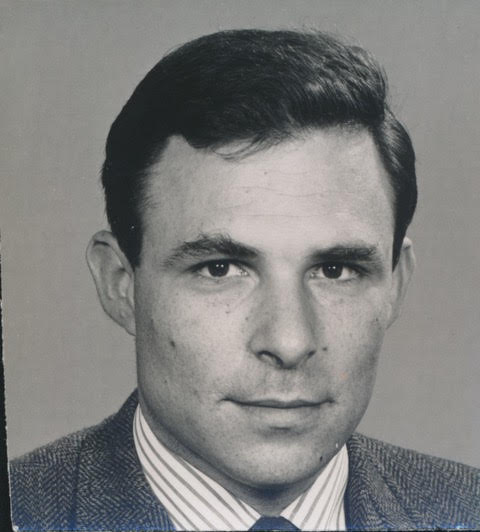
The Paul Ekman Group, now under the leadership of Dr. Eve Ekman, will continue to advance his mission of making emotional awareness, empathy, and truthfulness accessible worldwide through science-based education and training. The organization’s commitment to translating cutting-edge research into practical applications ensures that Dr. Ekman’s lifelong pursuit of understanding and improving the human emotional experience will endure.
Dr. Ekman is survived by his children, Eve Ekman and Tom Ekman, and a vast and loving community of colleagues, students, and friends who were deeply touched by his intellect, his generosity, and his unwavering dedication to scientific inquiry and human betterment.
Honoring Dr. Ekman’s Life and Legacy
The profound impact of Dr. Paul Ekman’s life and work is being honored through several initiatives. A documentary celebrating his extraordinary journey as a scientist and humanitarian is currently in development, offering a comprehensive look at his groundbreaking research and its lasting influence. Those wishing to support the completion of this film, which promises to illuminate his remarkable contributions, can find more information and contribute through a dedicated portal.
Furthermore, the Paul Ekman Group is actively collecting reflections, personal anecdotes, photographs, and messages of appreciation from colleagues, former students, and readers across the globe. These contributions will form a dedicated memorial page, a digital testament to Dr. Ekman’s enduring legacy and the myriad lives he touched. This initiative aims to create a collective portrait of a man whose scientific endeavors were matched by his profound impact on individuals and communities worldwide.
The news of Dr. Ekman’s passing has elicited widespread reflection and tribute from the scientific community and beyond. His foundational work on universal facial expressions, for instance, has been a cornerstone for advancements in artificial intelligence, particularly in the development of emotion-recognition software. The ethical implications of such technologies, a subject Dr. Ekman himself often contemplated, are now being further examined in light of his passing, underscoring the continued relevance of his research in contemporary societal discussions.
His rigorous methodology and insistence on empirical evidence set a high standard for research in affective science. The development of FACS, in particular, has been instrumental in cross-cultural studies of emotion, providing a reliable framework for comparing emotional expressions across diverse populations. Data from numerous studies utilizing FACS has consistently demonstrated the universality of the facial expressions for happiness, sadness, anger, fear, surprise, and disgust, reinforcing Dr. Ekman’s core findings. For example, research published in journals like Psychological Science has frequently cited FACS data to validate cross-cultural emotional recognition rates often exceeding 70-90% for these basic emotions.
The influence of his work on deception detection has also had significant practical applications. Law enforcement agencies, intelligence communities, and forensic psychologists have utilized principles derived from Dr. Ekman’s research to enhance their investigative techniques. While acknowledging the complexities and limitations of lie detection, his work provided a scientific basis for understanding nonverbal cues associated with deception, moving the field from speculation to a more evidence-based approach. Studies exploring the accuracy of micro-expression detection, often employing training based on Dr. Ekman’s methods, have yielded varying results, but the foundational research has undeniably advanced the field.
Dr. Ekman’s dedication to applying science for the greater good also extended to his advocacy for emotional intelligence and ethical conduct. His collaborations with His Holiness the Dalai Lama and his work on compassion highlight a profound belief in the potential for human beings to cultivate positive emotions and reduce suffering. This aspect of his legacy is particularly resonant in a world grappling with complex social and political challenges. The development of the Atlas of Emotions, for instance, provides a valuable resource for individuals seeking to better understand and navigate their emotional landscapes, fostering greater self-awareness and interpersonal understanding.
The passing of Dr. Paul Ekman is not just the loss of a brilliant scientist, but the silencing of a voice that consistently championed the pursuit of truth, the understanding of our shared humanity, and the cultivation of a more compassionate world. His intellectual rigor, his profound insights into the human condition, and his unwavering commitment to making science accessible and applicable will continue to inspire generations of researchers, practitioners, and individuals alike. The seeds of understanding he planted will continue to blossom, enriching our comprehension of ourselves and fostering a more emotionally aware and empathetic global society.
