

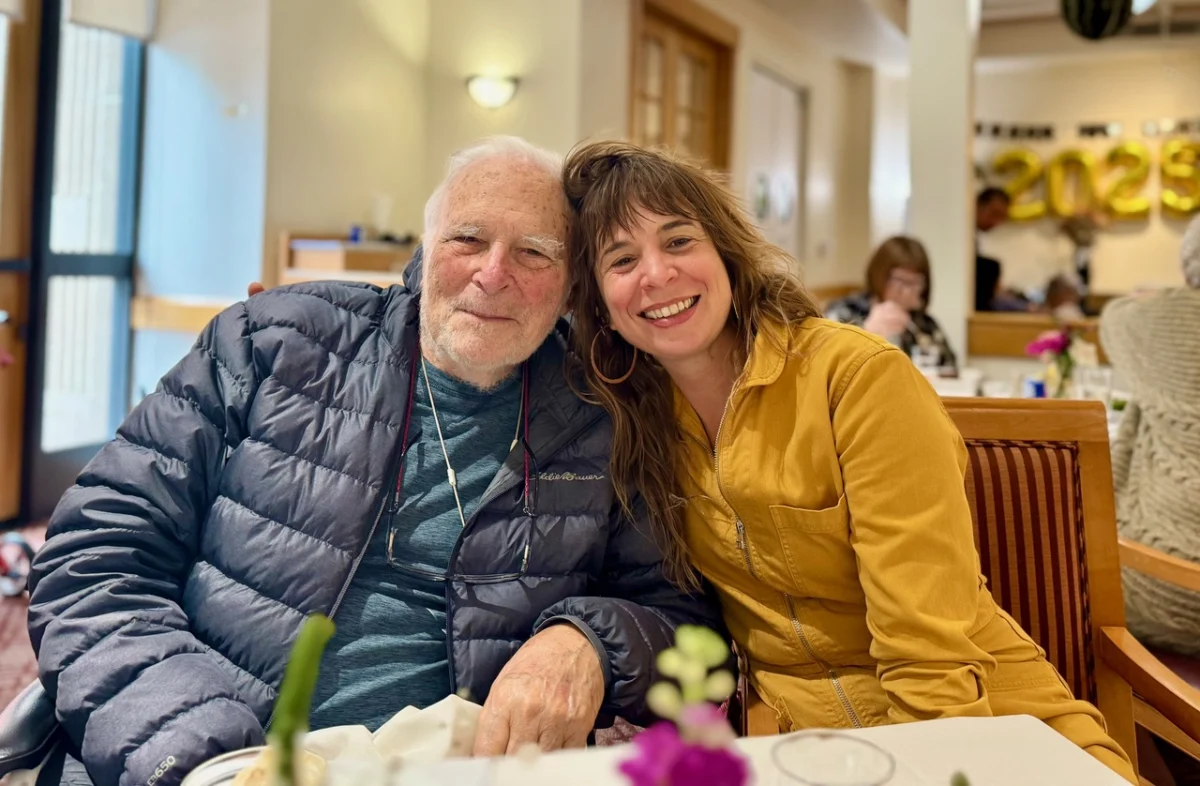
The passing of Dr. Paul Ekman, a seminal figure in the study of human emotion, marks the end of an era in psychology and related fields. While widely recognized for his groundbreaking research on facial expressions and universal emotions, his life was also a testament to profound personal growth, a deep commitment to alleviating suffering, and a remarkable integration of scientific rigor with contemplative wisdom. This obituary seeks to provide a comprehensive overview of Dr. Ekman’s multifaceted contributions, acknowledging both his significant scientific achievements and the deeply personal journey that informed his life’s work, as articulated by his daughter, Eve Ekman, and enriched with contextual information.
A Life Forged in Resilience and Driven by Purpose
Born into circumstances marked by significant childhood trauma and loss, Paul Ekman’s early life experiences profoundly shaped his intellectual trajectory. These formative years instilled in him a deep-seated drive to understand the complexities of human emotion, particularly the manifestations of pain and resilience. As his daughter, Eve Ekman, eloquently described, his father was an "awesome and loving dad, husband, and friend – with a huge heart, great humor, and an indelible hunger for life." This personal lens, offered by his daughter who has herself become a significant figure in emotion research and practice, provides a crucial counterpoint to the often clinical and academic portrayal of a renowned scientist.
Eve Ekman further elaborated on her father’s commitment to fatherhood, stating he "poured himself into being present, curious, loving, and supportive," aiming to provide the paternal presence he himself lacked. This dedication extended beyond mere familial duty; he became a "true friend and collaborator," a "co-conspirator" in life’s endeavors, fostering a relationship characterized by "fierce loyalty and genuine delight." His teachings to his daughter encompassed not only intellectual pursuits, such as rigorous thinking and questioning assumptions, but also the cultivation of emotional openness, a deep appreciation for music, and even the practical skill of parallel parking on challenging San Francisco hills. His enduring partnership with his wife, Eve’s mother, a distinguished academic at UC Berkeley, spanned 41 years until her passing in 2020. Their marriage was a source of profound joy and mutual support, a testament to a life shared with "absolute blast."
The Dharamsala Transformation: A Turning Point in Scientific and Personal Evolution
A pivotal moment in Dr. Ekman’s life and career occurred in the year 2000 during a landmark meeting in Dharamsala, India. This gathering brought together Dr. Ekman, the Dalai Lama, and a diverse group of scientists and contemplatives to explore the nature of "Destructive Emotions." For Dr. Ekman, this experience proved to be transformative, fundamentally altering his understanding of the world and his own internal landscape. While colleagues and friends were aware of his earlier struggles with anger, the full extent of his personal shift following this meeting remained less known.
Eve Ekman shared that her father spoke often of this encounter, describing an "unmistakable, embodied sense of what it might feel like to live with less reactivity and anger." He acknowledged that he could never fully articulate the precise mechanisms of this shift, a testament to the profound and perhaps ineffable nature of the experience. The Dalai Lama’s core message, that the tools of Buddhist practice could reduce suffering by fostering emotional understanding and a calm mind, resonated deeply with Dr. Ekman. His scientific curiosity, coupled with a genuine desire to help others achieve similar freedom from emotional turmoil, propelled him to integrate these insights into his research and subsequent work.
Cultivating Emotional Balance: Bridging Science and Contemplative Traditions
The confluence of Dr. Ekman’s scientific expertise and his engagement with contemplative traditions led to the development of significant initiatives aimed at promoting emotional well-being. Following the Dharamsala meeting, Dr. Ekman, alongside Alan Wallace, developed "Cultivating Emotional Balance" (CEB), an evidence-based training program designed to enhance emotion regulation and compassion. This program, reflecting Dr. Ekman’s deep respect for ancient wisdom and his scientific commitment, has been disseminated globally, impacting numerous individuals and communities.
Eve Ekman’s own background as a clinical social worker in a level-one trauma center provided a practical grounding for her involvement in these initiatives. She has been instrumental in supporting and teaching CEB, ensuring its application in real-world settings. Further collaboration between father and daughter resulted in the creation of the "Atlas of Emotions," a free online resource designed to build a richer vocabulary for understanding and describing our emotional lives. Commissioned by the Dalai Lama in 2016, the Atlas is slated for a relaunch in celebration of its ten-year anniversary, underscoring its continued relevance and impact. Both CEB and the Atlas of Emotions embody Dr. Ekman’s ultimate goal: to empower individuals with the knowledge and tools to understand their emotions, thereby reducing suffering for themselves and for others.
Addressing Scientific Discourse and Legacy
Eve Ekman expressed disappointment with a particular New York Times obituary that framed her father’s work through the lens of "controversy," specifically by highlighting "a single scientist’s opinion" rather than the extensive body of peer-reviewed research that has supported and expanded upon his foundational findings. While acknowledging that disagreement is an inherent part of the scientific process, she emphasized that Dr. Ekman "welcomed it." However, she argued that presenting his life’s work primarily through a selective critique misrepresented both his scientific contributions and the broader field of emotion research, which has been built upon hundreds of studies and replicated in dozens of laboratories worldwide.
Dr. Ekman’s research has had a far-reaching impact, extending beyond psychology to influence fields such as neuroscience, medicine, anthropology, national security, animation, and everyday understanding of human interaction. His work in identifying universal facial expressions of emotion, though debated and refined over time, provided a crucial foundation for cross-cultural studies and the development of objective methods for analyzing emotional expression. The replication of his findings across diverse cultures, including studies on isolated societies like the Fore of Papua New Guinea, provided strong evidence for the universality of certain basic emotions, a cornerstone of his early career. For instance, research published in journals like Psychological Science and Nature Human Behaviour has consistently engaged with and built upon Ekman’s initial framework, demonstrating the enduring influence of his foundational hypotheses.
A Scientist’s Service and a Father’s Love
Paul Ekman dedicated his life to the service of science with the explicit aim of reducing human suffering. This commitment was manifested not only through his meticulous research but also through a profound and sincere desire to help individuals gain a deeper understanding of themselves. He achieved this by sharing his own vulnerabilities, actively working to repair relationships, and evolving into a man characterized by a "joyful, open-hearted, and generous" spirit. His ability to forge deep, meaningful connections persisted until the final months of his life, a testament to his enduring humanity.
Eve Ekman presented a holistic view of her father: "a scientist of enormous influence, yes, but also a father who rebuilt himself from painful beginnings; a man who changed in profound and visible ways; a collaborator who brought together ancient wisdom and modern science; and a human being who spent his final decades studying, practicing, and truly embodying a life with less anger and more compassion." This multifaceted portrayal acknowledges the complexities inherent in any human life, recognizing that Dr. Ekman, like all individuals, was "complicated and imperfect."
However, she emphasized his core qualities: "kind, brave, funny, endlessly curious, and deeply committed to making the world better." This narrative, she hopes, will be held alongside other accounts of his life and work, offering a more complete picture that encompasses both his scientific impact and his personal transformation. Ultimately, her father’s story is one of a human being who dedicated his life to understanding emotion and expanding compassion, and who consistently strived to "learn how to love well."
The outpouring of well wishes from near and far has been a source of inspiration, highlighting the profound impact Dr. Ekman and his work have had on a multitude of people. His legacy is not solely etched in academic journals and scientific accolades, but in the countless lives touched by his research and his personal journey of growth and compassion. The scientific community, and indeed the world at large, continues to benefit from his enduring contributions to our understanding of the human heart and mind.
