


The persistent issue of unwanted mouth clicks, often referred to as "clicky mouth" or "mouth noise," poses a significant challenge for voiceover artists and audio production professionals alike. While commonly perceived as an unavoidable byproduct of speech, research and industry best practices suggest that these audibly distracting artifacts are largely preventable, with significant implications for an artist’s employability and the overall quality of audio productions. This article delves into the multifaceted nature of mouth clicks, exploring their origins, the technical reasons for their amplification during post-production, and detailing a robust, multi-step strategy for their eradication at the source.
Mouth clicks are transient, percussive sounds generated within the oral cavity during speech. They are typically caused by the interaction of the tongue, teeth, and saliva. In natural conversation, these subtle noises are often imperceptible, filtered out by the human auditory system as irrelevant background. However, when amplified through the recording and post-production processes inherent in professional audio work, these clicks can become glaringly prominent, significantly detracting from the clarity and professionalism of a voiceover performance.
The economic ramifications of persistent mouth clicks are substantial. Industry professionals report that excessive mouth noise can be a disqualifying factor in auditions, leading to missed opportunities. Furthermore, the cost and time involved in editing out these clicks can outweigh the expense of re-recording a session with a different artist. One anecdotal account from an industry veteran highlighted a situation where an entire five-hour recording session had to be re-done due to a voiceover artist’s excessive mouth clicks. The decision was based on the economic reality that editing out the clicks would have been more costly than re-hiring the artist and re-recording the material. This underscores the critical importance of addressing mouth clicks proactively.

Understanding the Mechanics: Why Clicks Become Amplified
The amplification of mouth clicks during the recording and post-production process is a key factor in their perceived severity. When an audio signal is captured, especially in a controlled studio environment, it undergoes processing to enhance its audibility and blendability with other audio elements. A crucial step in this process is audio compression.
Compression, in essence, reduces the dynamic range of an audio signal by lowering the volume of the loudest parts and increasing the volume of the quietest parts. This aims to create a more consistent and even audio level. For voiceover recordings, compression is not merely an aesthetic choice; it is a technical necessity for ensuring that the spoken word can be effectively mixed with music, sound effects, and other audio layers without being drowned out or causing clipping (distortion due to excessive volume).
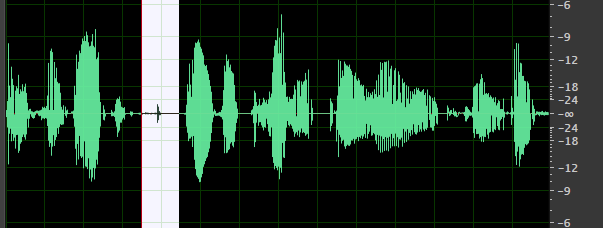
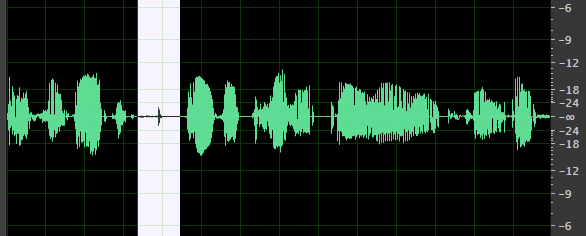
Consider the visual representation of a speech waveform. Before compression, a mouth click might appear as a sharp, relatively isolated spike in amplitude. The surrounding speech signals also possess their own dynamic variations. When compression is applied, the loudest elements of the speech are brought down in level, and the quieter elements are raised. Crucially, the mouth click, while reduced in its original peak, is now placed in a context where the surrounding speech is significantly quieter.
Following compression, a normalization process or overall volume boost is often applied to bring the entire waveform back to a desired listening level. At this stage, the previously subtle mouth click, which was not significantly reduced in absolute terms relative to its original peak but is now surrounded by quieter speech, appears dramatically louder. The noise floor, which includes any ambient studio noise and, importantly, the mouth clicks, is effectively raised in prominence. Therefore, the recording and post-production process, while essential for audio quality, inadvertently exacerbates the issue of mouth clicks if they are not minimized at the point of capture.

Dehydration: The Primary Culprit
At the heart of the mouth click problem lies dehydration. The human mouth naturally produces saliva, a complex fluid that lubricates the oral cavity, aids in speech articulation, and facilitates swallowing. Saliva’s consistency plays a critical role in preventing mouth noises. When the body is adequately hydrated, saliva is typically thin and lubricating. However, when the body is dehydrated, saliva becomes thicker, stickier, and less abundant.
This change in saliva consistency directly contributes to mouth clicks. The tongue, in its movement during speech, adheres more readily to the palate and teeth when saliva is less fluid. This adherence, coupled with the expulsion of air and the mechanics of articulation, creates the characteristic popping and clicking sounds.
It is a common misconception that excessive water intake can also lead to mouth clicks. While it is true that having an overly wet mouth can contribute to certain types of mouth noise, the primary driver of problematic clicks is not over-hydration, but rather the body’s inability to maintain adequate lubrication due to a lack of sufficient water. When individuals feel dehydrated, they may attempt to compensate by rapidly consuming large quantities of water. This can lead to an unnatural pooling of water in the mouth, which, while different from the sticky saliva of dehydration, can still contribute to clicking sounds as the tongue moves through it. The key is consistent, moderate hydration, not sudden, excessive intake.
Furthermore, certain common beverages and lifestyle choices can exacerbate dehydration. Caffeine, found in coffee and tea, and nicotine, prevalent in cigarettes, are well-known diuretics. Diuretics increase the production of urine, leading to a net loss of body water. Consequently, individuals who regularly consume these substances may be more prone to experiencing dry mouth and subsequent mouth clicks, even if they believe they are adequately hydrated through other means.
Addressing the Problem: A Multi-Step Strategy
Recognizing that mouth clicks are largely a preventable issue, a proactive and systematic approach is required for voiceover artists and audio engineers. This strategy focuses on addressing the root causes and optimizing recording techniques.
Step 1: Consistent and Proactive Hydration
The cornerstone of preventing mouth clicks is establishing and maintaining proper hydration. This is not a last-minute fix but a sustained effort.
- Pre-Session Hydration Timeline: The body requires time to absorb and distribute water effectively. Therefore, it is crucial to begin hydrating at least two hours before a voiceover session is scheduled to commence. Consuming large volumes of water immediately before a session is inefficient, as the body may not have time to process it, potentially leading to the aforementioned issue of having too much water in the mouth.
- The Importance of Water: When discussing hydration for vocal performance, the emphasis must be solely on plain water. Sugary drinks, caffeinated beverages, dairy products, and alcoholic beverages can all have dehydrating effects or alter saliva consistency in ways that are detrimental to vocal clarity. For example, a common anecdote involves an artist who consumed two liters of Coca-Cola daily but still reported symptoms of dehydration. The diuretic properties of the cola meant that despite the fluid intake, the body was losing water.
- Vocal Cord Health: Beyond preventing mouth clicks, consistent hydration is vital for the health of the vocal cords. These delicate mucous membranes vibrate at high speeds during speech. Dehydration reduces the lubricating mucous layer, leading to increased friction, potential hoarseness, a deeper vocal timbre, and discomfort. This is akin to the vocal wear and tear experienced by individuals who engage in prolonged or strenuous vocalization without adequate lubrication.
- Overnight Hydration: For early morning sessions, initiating hydration the night before is paramount. Sleep involves metabolic processes that lead to water loss, evidenced by the natural urge to urinate upon waking. If an artist wakes up already dehydrated, there may not be sufficient time to rehydrate fully before an early session. This highlights the importance of a consistent hydration regimen, even outside of immediate session preparation.
Step 2: Optimizing Microphone Placement and Vocal Projection
The relationship between an artist’s distance from the microphone and the intensity of their vocal projection plays a significant role in managing the perception of mouth noise.
- The Inverse Relationship: Consider two extreme scenarios: shouting from a distance and whispering at close range. When shouting from afar, the volume of the dialogue is high relative to any ambient mouth noise, making the clicks virtually inaudible. Conversely, whispering into a microphone placed inches from the mouth amplifies every subtle sound, including mouth clicks, due to proximity.
- Gain Staging and Comparative Loudness: In audio recording, the input gain (recording level) is adjusted to capture the vocal performance at an optimal level, avoiding clipping while ensuring sufficient signal strength.
- If an artist is positioned very close to the microphone (e.g., 3 inches) and speaks softly, a higher input gain will be required to achieve a suitable recording level. This results in the dialogue being relatively quiet compared to the noise floor, which includes mouth clicks.
- Conversely, if an artist maintains a greater distance from the microphone (e.g., 7-8 inches) and projects their voice slightly louder than normal conversational volume, a lower input gain can be used. This ensures that the dialogue is loud and clear, while the noise floor and mouth clicks remain comparatively quieter.
- The Proximity Effect and Commercial Recordings: For certain recording styles, such as close-miked bass-proximity effect commercials, a greater degree of mouth noise is an accepted consequence. In these instances, artists and engineers must acknowledge that increased post-production editing will be necessary to mitigate the clicks, as the sonic benefits of the close-mic technique are prioritized. This is a trade-off where the desired vocal character necessitates more intensive audio cleanup.
Step 3: Sustained Sipping During Sessions
Even with meticulous pre-session hydration, the act of speaking during a voiceover session inevitably leads to a reduction in oral lubrication.
- The Dehydrating Effect of Speaking: Prolonged vocalization consumes moisture and can alter the saliva-mucus balance within the mouth. What might have been a click-free performance at the outset can degrade into a clicky one within a relatively short period. This phenomenon is common in air-conditioned studio environments, which can further contribute to dryness.
- The Professional’s Approach: A key indicator of a professional voiceover artist is their consistent practice of sipping water throughout a session. This practice actively counteracts the dehydrating effects of speaking. While it may necessitate brief pauses for restroom breaks, the benefit of maintaining a lubricated vocal tract and preventing clicks far outweighs any minor inconvenience.
- Recommended Cadence: A practical recommendation is to take a sip of water every 10-15 lines of dialogue. This ensures a continuous replenishment of oral moisture without disrupting the flow of the recording excessively. This consistent intake is a hallmark of seasoned professionals who understand the physiological demands of sustained vocal performance.
Step 4: Re-evaluating the "Green Apple Myth"
A long-standing piece of advice in voiceover circles suggests that consuming a green apple can effectively eliminate mouth clicks. The rationale behind this advice is that the citric acid in the apple cleanses the mouth and neutralizes the sticky saliva associated with dehydration.
While acidic substances can temporarily alter the pH and consistency of saliva, promoting a perceived reduction in stickiness, this is not a sustainable or ideal solution for professional voiceover work.
- Temporary and Superficial Effect: The effect of a green apple is transient. It does not address the underlying physiological need for consistent hydration. Relying on such a quick fix can lead to a false sense of security and undermine the diligent practices required for truly click-free recordings.
- Potential for Vocal Irritation: For some individuals, the acidity of a green apple or other acidic fruits could potentially irritate the vocal cords, especially if consumed in larger quantities or by those with sensitive vocal tracts.
- Focus on Fundamentals: The most effective strategy for eliminating mouth clicks lies in mastering the fundamental principles of hydration, microphone technique, and consistent sipping. These established practices offer a reliable and sustainable path to achieving high-quality, click-free audio. The "green apple myth" should be considered a last resort for extreme circumstances, such as severe hangovers, rather than a standard professional practice.
In conclusion, the persistent challenge of mouth clicks in voiceover recording is not an insurmountable physiological limitation but rather a consequence of inadequate preparation and technique. By embracing a comprehensive approach that prioritizes consistent hydration, optimizes microphone placement and vocal projection, and incorporates regular sipping during sessions, voiceover artists can significantly reduce, and often eliminate, these unwanted artifacts. This proactive mitigation at the source not only enhances the quality of the final audio product but also safeguards an artist’s reputation and employability in a competitive industry. The pursuit of a "click-free" vocal performance is a testament to the dedication and technical understanding required for excellence in the field of voiceover artistry.
