

The art of voiceover delivery hinges on a subtle yet critical element: flow. When this natural cadence is disrupted, a phenomenon known as "blocking" can emerge, detrimentally impacting the listener’s engagement and comprehension. This issue, often prevalent among newcomers to the voiceover industry, is characterized by an unnatural, disjointed delivery that creates perceptible "blocks" within the audio waveform, hindering the seamless transmission of information and emotion. Understanding the mechanics of voiceover flow, identifying the causes of blocking, and implementing effective strategies to correct it are paramount for any professional voice actor seeking to connect authentically with their audience.
Voiceover Flow: The Essence of Natural Human Communication
At its core, voiceover aims to replicate the natural patterns of human conversation, albeit within a controlled and often scripted context. To grasp the concept of natural voiceover flow, one can observe everyday human interaction. Consider a casual conversation with a friend. If recorded and analyzed, or even by simply observing dialogues in public spaces, several key characteristics of natural speech become apparent. These include variations in pace, the strategic use of pauses for emphasis or thought, the subtle rise and fall of intonation to convey meaning and emotion, and the organic linking of words and phrases to create a cohesive narrative. These elements combine to form a rhythm that is intuitive and effortless for the listener to follow.
In the realm of voiceover, achieving this natural flow is paramount, though its specific manifestation varies significantly across genres. A character voice for animation, for instance, will possess a different rhythmic quality and pacing than a corporate explainer video or an e-learning module. However, regardless of the specific application, the objective remains the same: to deliver dialogue that sounds authentic, maintains listener engagement, and allows for proper digestion of the spoken content. This often involves the judicious incorporation of "humanization" – subtle vocal inflections, breaths, and hesitations that mirror real-life speech patterns. As one industry expert aptly noted, "It’s crucial that we deliver dialogue with a good, human flow to it, so that the listener doesn’t have to work to understand or accept it." This effortless reception is the hallmark of effective voiceover.
The Anatomy of Blocking: Disrupting the Auditory Stream
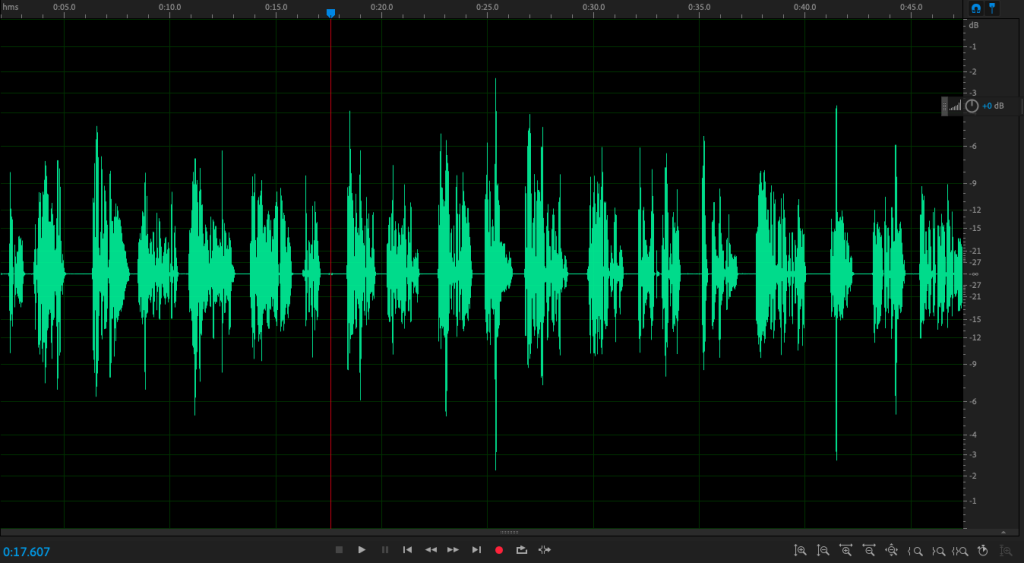
Blocking, in the context of voiceover, is the antithesis of natural flow. It is an unnatural disruption in the delivery that creates distinct, audible "blocks" in the audio. This phenomenon is so named because its presence is visually evident in the audio waveform, appearing as sharp, isolated segments of sound separated by significant silences or abrupt shifts in amplitude. An examination of a waveform exhibiting blocking often reveals a "staccato" or disjointed quality, starkly contrasting with the fluid, connected nature of natural speech.
When listeners encounter audio characterized by blocking, their experience is akin to navigating a speech that is constantly interrupted. The natural expectation of a continuous stream of information is broken, forcing the listener to actively anticipate the next sound segment. This cognitive effort detracts from the message’s content and can lead to frustration and disengagement. The audio feels less like a polished performance and more like a series of disconnected utterances, diminishing its overall impact and credibility.
Visualizing the Contrast: Blocking vs. Natural Waveforms
To illustrate the tangible difference, consider the visual representation of blocked versus naturally flowing voiceover. A blocked waveform might appear as a series of distinct peaks, each representing a spoken phrase or word, separated by noticeable troughs of silence. This visual representation directly correlates with the auditory experience of disjointed speech.
Conversely, a voiceover delivery characterized by good flow, often referred to metaphorically as "hairy caterpillars" due to their continuous, undulating appearance, exhibits a much more cohesive waveform. These waveforms display a consistent presence of sound, with subtle variations in amplitude and duration that reflect natural speech rhythms. The "hairy caterpillar" analogy highlights the organic, unbroken nature of the vocalization, where words and phrases seamlessly transition into one another, interspersed with appropriate and natural-sounding pauses. This visual consistency in the waveform directly translates to an audible experience of smooth, engaging, and easily comprehensible dialogue.
Root Causes of Blocking: Unpacking the Contributing Factors

While blocking can manifest in various forms, it is most frequently observed in individuals new to the voiceover profession. However, even seasoned professionals can fall prey to its influence under certain circumstances. Several factors contribute to the occurrence of blocking:
- Over-reliance on Script Cues: New performers may meticulously adhere to script markings for pauses, leading to unnaturally long or precisely timed silences that break the natural rhythm of speech.
- Fear of Pauses: Conversely, a fear of silence can lead to rushing through sentences, attempting to cram too much information into short durations, which can paradoxically create an unnatural, rushed flow rather than a smooth one.
- Lack of Vocal Stamina or Control: Inadequate breath control or vocal stamina can lead to performers cutting off sentences abruptly, creating the perception of blocks.
- Misinterpretation of Direction: A misunderstanding of directorial notes regarding pacing or emphasis can result in performances that are unintentionally disjointed.
- Inexperience with Audio Editing: Performers who are also involved in their own editing may inadvertently over-process their audio, removing natural breaths or speech nuances that contribute to flow.
- Focus on Individual Words Over Sentences: An overemphasis on enunciating each word perfectly can lead to a loss of the connected, flowing nature of spoken language.
- Performance Anxiety: Stress and nervousness can disrupt a performer’s natural speaking patterns, leading to a more rigid and segmented delivery.
The Spectrum of Unnatural Delivery: Beyond Blocking
It is important to recognize that while blocking represents one extreme of unnatural delivery, the opposite end of the spectrum is equally problematic. This involves the complete removal of natural pauses, over-editing that eliminates breaths, or excessively fast pacing that leaves no room for the listener to process information. This scenario is analogous to certain local radio advertisements where an overwhelming amount of dialogue is compressed into a limited time slot. The result is a torrent of words that the listener cannot effectively absorb, leading to confusion and a complete loss of the intended message. This lack of "digestible space" is just as detrimental to effective communication as the fragmented nature of blocking.
Contextual Relevance: When Blocking (or its Opposite) Can Be Intentional
While generally considered a flaw, there are specific creative contexts where a deliberately "blocked" or fragmented delivery can be employed for artistic effect. For example:
- Portraying Disorientation or Trauma: A character experiencing shock, confusion, or the aftermath of a traumatic event might exhibit a staccato, broken speech pattern to reflect their internal state.
- Representing Robotic or Non-Human Characters: For artificial intelligence or alien characters, a deliberately non-fluid delivery can enhance their otherworldly or mechanical nature.
- Specific Stylistic Choices in Performance Art: Certain avant-garde theatrical or spoken-word performances might intentionally employ fragmented delivery as a stylistic choice to evoke a particular mood or convey a conceptual message.
- Creating a Sense of Urgency or Panic: In certain dramatic scenarios, a rapid, slightly disjointed delivery can effectively convey a character’s heightened state of agitation.
In these instances, the key distinction lies in intentionality. The voiceover artist makes a conscious, informed decision to adopt a particular delivery style to serve the narrative or artistic vision. This is a deliberate performance choice, not an unconscious flaw. As one commentator noted, "When delivering professional voiceover dialogue, the artist makes conscious choices to deliver their dialogue in a certain way. If that choice includes a staccato delivery, that’s their choice and perfectly fine. However, most people who are guilty of blocking are not aware they are doing it." This highlights the crucial difference between intentional artistic expression and unintentional technical deficiency.
Strategies for Remediation: Eliminating and Preventing Blocking
Fortunately, rectifying or preventing blocking is an achievable goal with focused practice and awareness. The process of developing a natural, flowing voiceover delivery involves several key strategies:
- Active Listening and Analysis: Regularly listen to examples of natural human conversation and critically analyze their pacing, pauses, and intonation. Compare these to professional voiceover performances you admire.
- Focus on Sentence-Level Delivery: Instead of focusing on enunciating each word, aim to deliver entire sentences and phrases as cohesive units. Think about the overall message you are conveying.
- Embrace Natural Pauses: Understand that pauses are not empty spaces but crucial elements for pacing, emphasis, and listener comprehension. Practice incorporating natural breaths and reflective pauses within your delivery.
- Record and Review Regularly: Consistently record your practice sessions and listen back critically. Pay close attention to the audio waveform to identify any abrupt silences or disjointed segments.
- Work on Breath Control: Develop strong breath support and control to ensure sustained vocalizations and avoid cutting off phrases prematurely.
- Understand the Text: Thoroughly comprehend the meaning, tone, and emotional subtext of the script. This understanding will naturally inform a more cohesive and impactful delivery.
- Seek Feedback: Engage with experienced voice coaches or industry peers who can provide constructive criticism and identify areas for improvement.
- Practice with Different Genres: Experiment with various voiceover styles to develop versatility and a nuanced understanding of how flow adapts to different contexts.
- Mindful Performance: Be present and mindful during recording sessions. Consciously aim for a connected and natural delivery, paying attention to the continuous flow of sound.
- Avoid Over-Editing: If you are involved in post-production, resist the urge to over-edit. Preserve natural breaths and subtle speech variations that contribute to authenticity.
Conclusion: Mastering the Art of Auditory Connection
Ultimately, the responsibility for shaping the voiceover delivery rests with the professional artist. The ability to choose how to convey a message – whether fast-paced, staccato, or naturalistic – is a hallmark of a skilled performer. Understanding the tools at one’s disposal, including the critical element of flow, and wielding them with conscious intent is what distinguishes a professional voiceover artist. When blocking occurs unintentionally, it signals a lack of awareness or control over these fundamental vocal delivery techniques. By diligently practicing, seeking feedback, and cultivating an acute awareness of auditory rhythm, voiceover professionals can overcome the pitfalls of blocking and deliver performances that are not only technically sound but also deeply engaging and resonant with their intended audience. The mastery of flow is not merely a technical skill; it is the key to forging a powerful and lasting connection through the spoken word.
