

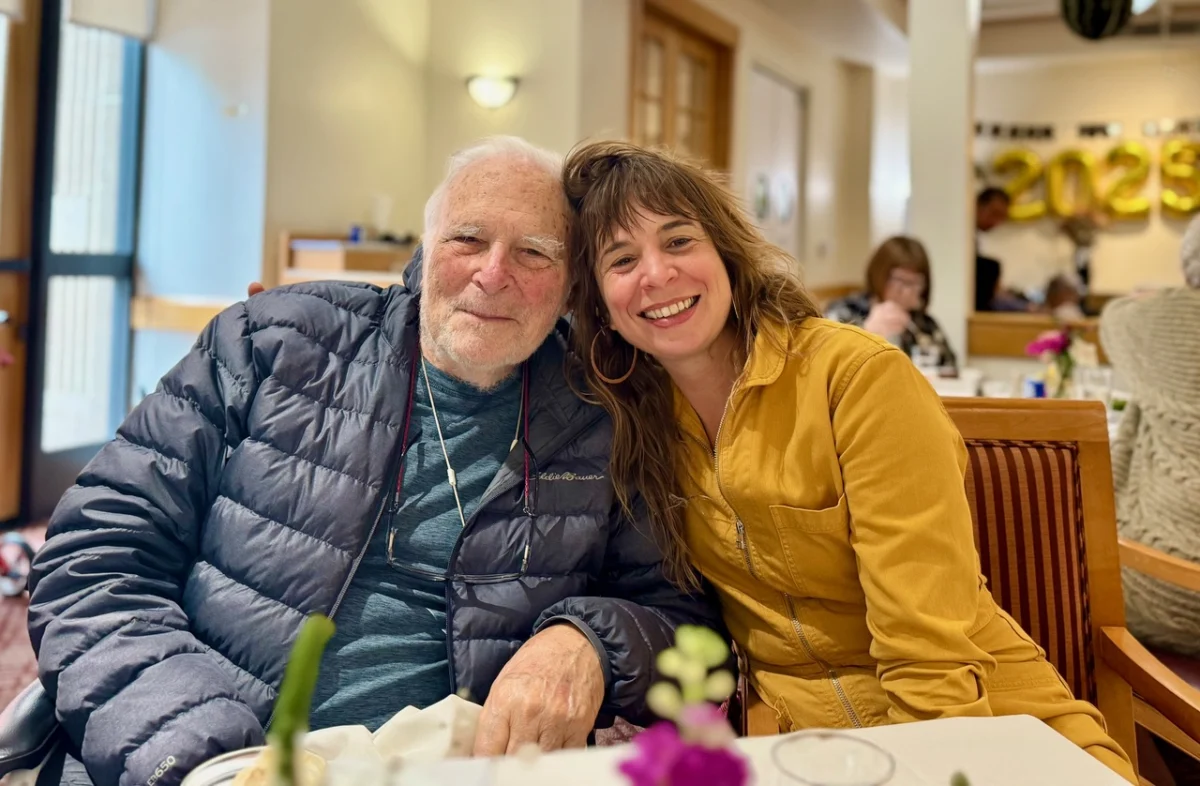
The passing of Dr. Paul Ekman, a towering figure in the field of psychology and a leading authority on human emotion, has prompted widespread reflection on his monumental contributions to science and his deeply personal evolution. While official announcements of his death have been made, the full scope of his legacy extends far beyond academic accolades, encompassing a lifelong dedication to understanding and alleviating human suffering. His daughter, Eve Ekman, has offered a poignant and comprehensive perspective, highlighting not only his groundbreaking research but also his profound personal transformation and unwavering commitment to fostering compassion.
Dr. Ekman’s career was characterized by an unyielding pursuit of knowledge regarding the universal nature of human emotions. His early work, particularly his research on facial expressions of emotion, laid the foundation for decades of subsequent study. He meticulously documented how specific facial muscle movements correspond to distinct emotional states, a finding that has been replicated and expanded upon by numerous researchers globally. This foundational research, conducted across diverse cultures, challenged prevailing theories and established the universality of many basic human emotions, including happiness, sadness, anger, fear, surprise, and disgust. His expeditions to remote corners of the world, from Papua New Guinea to Botswana, to study the emotional expressions of isolated communities provided compelling evidence for the innate, rather than purely culturally learned, nature of these expressions.
A Childhood Shaped by Trauma, Fueling a Lifelong Quest
Born into circumstances marked by profound childhood trauma and loss, Paul Ekman’s personal experiences undeniably shaped his academic trajectory. He often spoke of his determination to become the kind of supportive and present parent he himself had lacked. This deeply personal motivation infused his professional endeavors with a unique blend of scientific rigor and heartfelt empathy. His daughter’s reflections underscore this duality, describing him as an "awesome and loving dad, husband, and friend—with a huge heart, great humor, and an indelible hunger for life." This personal drive to provide the emotional support he never received as a child provided an enduring lens through which he approached his research on human emotions.
The Dharamsala Summit: A Turning Point in Understanding and Practice
A pivotal moment in Dr. Ekman’s life and career occurred in the year 2000 with his participation in a landmark meeting in Dharamsala, India. This gathering, which brought together Dr. Ekman, His Holiness the Dalai Lama, and a distinguished group of scientists and contemplative practitioners, focused on the theme of "Destructive Emotions." This intensive dialogue proved to be a profound catalyst for Dr. Ekman, fundamentally altering his understanding of the human psyche and his own internal landscape.
For years, Dr. Ekman had openly acknowledged his personal struggles with anger. However, the Dharamsala summit provided him with a deeply transformative, almost visceral, experience of what it might mean to live with diminished reactivity and a more regulated emotional state. He frequently described this encounter as an experience he could never fully articulate, yet one that undeniably shifted his perspective. The Dalai Lama’s consistent message, that Buddhist contemplative practices could offer tangible tools for reducing suffering by fostering emotional understanding and cultivating a calm mind, resonated deeply with Dr. Ekman’s scientific curiosity and his innate desire to help others.
Cultivating Emotional Balance and the Atlas of Emotions
Driven by the insights gained from the Dharamsala meeting and his enduring commitment to reducing suffering, Dr. Ekman, alongside contemplative scholar Alan Wallace, developed the "Cultivating Emotional Balance" (CEB) training program. This evidence-based curriculum, which integrates Western psychological principles with Eastern contemplative techniques, has been delivered to thousands of participants worldwide. Its aim is to equip individuals with practical tools for understanding their emotions, developing greater emotional regulation, and fostering compassion. The program’s success and widespread adoption stand as a testament to Dr. Ekman’s vision of bridging ancient wisdom and modern science for practical human benefit.
Further solidifying this integration, Dr. Ekman collaborated with his daughter, Eve Ekman, a clinical social worker with extensive experience in trauma care, to create the "Atlas of Emotions." Commissioned by the Dalai Lama in 2016, this free online resource provides a comprehensive vocabulary for describing the vast spectrum of human emotional experiences. The Atlas aims to enhance emotional literacy, empowering individuals to better understand themselves and their interactions with others. The upcoming relaunch of the Atlas for its ten-year anniversary underscores its enduring relevance and its role in promoting emotional intelligence on a global scale. Both CEB and the Atlas of Emotions embody Dr. Ekman’s conviction that a deeper understanding of our emotions is a crucial pathway to reducing personal and collective suffering.
Addressing Scientific Discourse and Legacy
In the wake of Dr. Ekman’s passing, his daughter expressed concern regarding the framing of his work in certain media reports, particularly a New York Times obituary that she felt centered on "controversy" and selectively highlighted the critique of a single scientist. Eve Ekman emphasized that while scientific discourse often involves disagreement, Dr. Ekman welcomed such debate. However, she argued that presenting his extensive and influential body of work primarily through the lens of one dissenting opinion misrepresented both his scientific contributions and the broader field of emotion research.
The legacy of Paul Ekman’s work is undeniable, with its impact reaching across diverse disciplines including psychology, neuroscience, medicine, anthropology, national security, and even the entertainment industry, influencing animation and character development. Hundreds of peer-reviewed studies have built upon, replicated, and refined his foundational findings, demonstrating the robustness and enduring significance of his research. His contributions have demonstrably advanced global understanding of human emotion, providing a scientific framework for exploring the complexities of our inner lives.
A Life Dedicated to Service and Transformation
Dr. Ekman’s life was a profound testament to the power of personal transformation and dedication to service. He not only pursued meticulous scientific research but also lived a life guided by a sincere desire to help others understand themselves more deeply. He openly shared his own vulnerabilities, actively worked to repair relationships, and evolved over the years into a man characterized by joy, open-heartedness, and generosity. His ability to forge deep and meaningful connections persisted until the final months of his life, a testament to his enduring humanity.
His daughter’s remembrance paints a picture of a complex and imperfect individual, a quality she attributes to all human beings. However, she emphasizes his kindness, bravery, humor, insatiable curiosity, and an unwavering commitment to improving the world. This narrative of a scientist of immense influence, a father who overcame personal adversity, a man who visibly transformed, and a collaborator who bridged ancient wisdom and modern science, offers a more complete and nuanced understanding of his life. Ultimately, Paul Ekman dedicated his life to the pursuit of understanding emotion and expanding compassion, a journey marked by continuous learning and a profound commitment to loving well. The outpouring of well wishes from around the globe serves as a powerful affirmation of the significant impact his life and work have had on countless individuals.
