

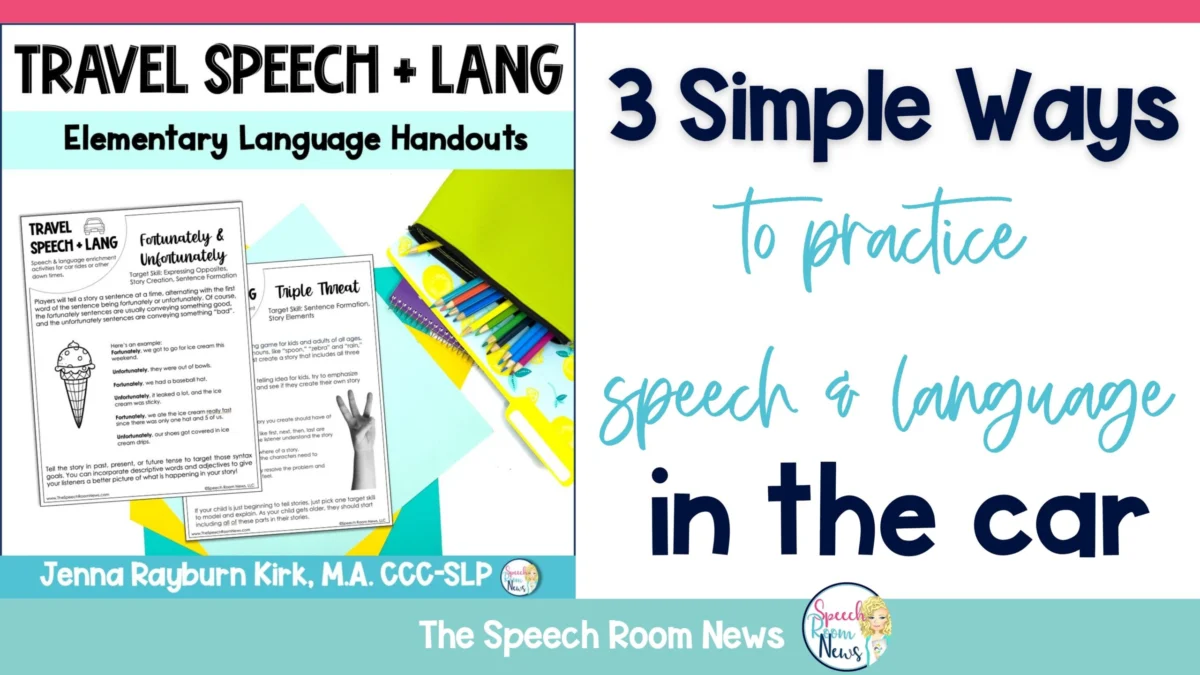
The relentless pace of modern life often leaves parents scrambling to find dedicated time for their children’s developmental needs, particularly in areas like speech and language. However, an often-overlooked opportunity lies within the confines of the daily commute: the car ride. Far from being merely transit time, these journeys can be transformed into dynamic, distraction-reduced environments ripe for fostering crucial communication skills, offering a practical solution for busy families and enhancing children’s linguistic development.
The Growing Imperative for Consistent Language Practice
Speech and language delays represent a significant developmental challenge for many children. According to the National Institute on Deafness and Other Communication Disorders (NIDCD), nearly 1 in 12 children aged 3-17 years in the United States has had a disorder of speech, voice, language, or swallowing in the past 12 months. Early identification and consistent intervention are paramount, as unresolved speech and language issues can impact literacy, academic performance, social interactions, and emotional well-being. Speech-language pathologists (SLPs) universally emphasize that while clinic-based therapy is vital, the most profound progress often occurs when therapeutic strategies are consistently integrated into a child’s daily routine. The challenge for many parents, however, is precisely this integration, given the demands of work, school, and other family obligations. Finding discreet yet effective ways to reinforce skills outside of formal therapy sessions becomes a critical component of successful intervention.
The Unique Advantages of the Automotive Environment
The car, surprisingly, presents a near-ideal setting for speech and language practice, offering several distinct advantages over other environments. Firstly, it often serves as a relatively distraction-free zone. Unlike a home environment cluttered with toys, screens, and household tasks, the car’s contained space naturally minimizes external stimuli, allowing for more focused, one-on-one interaction between parent and child. This concentrated attention can significantly enhance engagement and retention of new concepts.
Secondly, car rides inherently foster a natural back-and-forth rhythm of communication. The shared experience of travel often prompts spontaneous conversation, encouraging turn-taking, active listening, and responsive dialogue – all fundamental pragmatic language skills. This organic conversational flow provides a low-pressure, authentic context for practicing communication without the explicit "therapy" feel that some children might resist.
Furthermore, the passing scenery and road signs offer a rich, ever-changing backdrop for organic vocabulary expansion. Children are exposed to new words and concepts in a natural context, such as discussing different types of vehicles, buildings, natural landscapes, or interpreting traffic signs. This real-world application of language helps solidify understanding and build a robust lexicon. Beyond direct learning, transforming commute time into an engaging activity can also significantly reduce boredom for children, making travel more pleasant for everyone involved. Experts in child development often highlight that engaged learning moments, even brief ones, accumulate to create substantial developmental gains over time.
Integrating Structured Practice: Three Exemplary Strategies
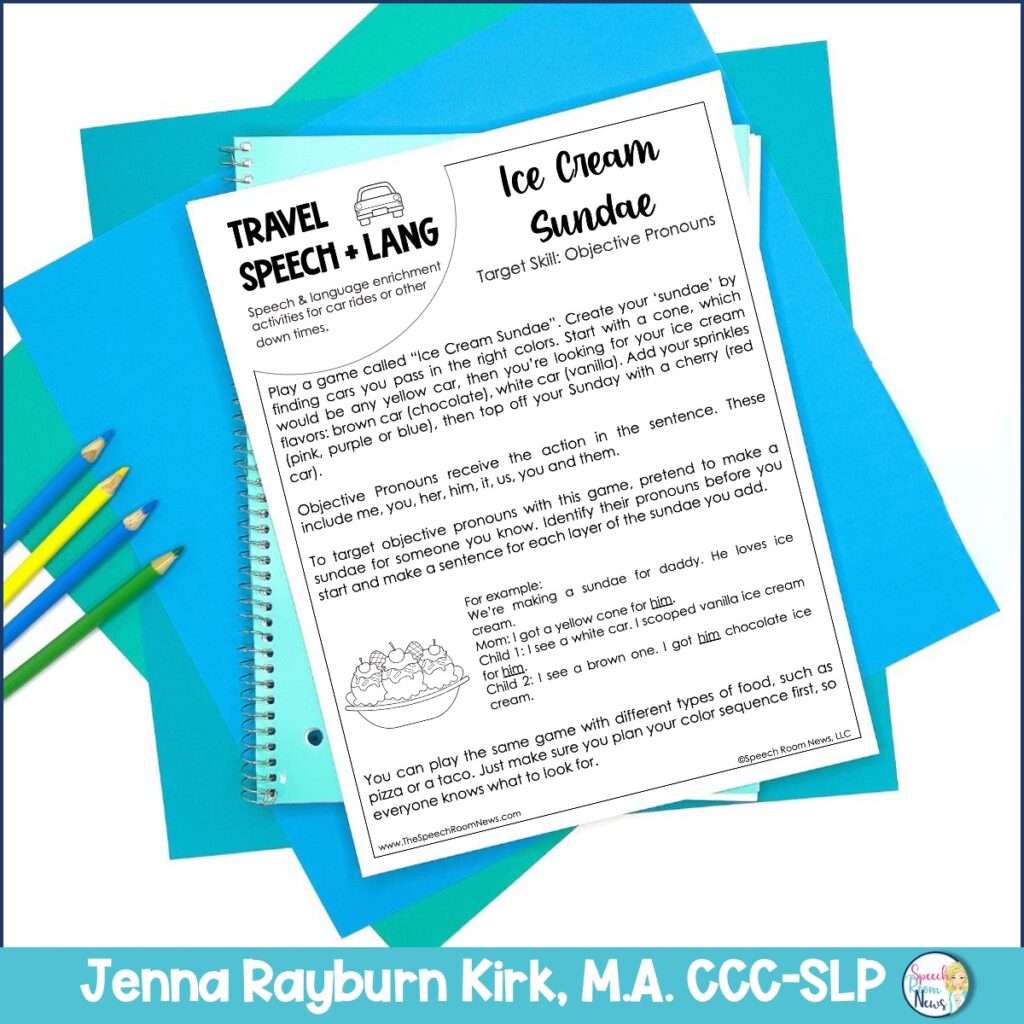
While the informal benefits are clear, intentional strategies can elevate car-based language practice to a therapeutic level. Speech-language pathologists frequently recommend structured games that target specific communication goals, which can be adapted easily for the car.
1. The "Grocery Game": Cultivating Question Formation and Semantic Skills
This simple yet highly effective game is designed to target question formation, a cornerstone of effective communication and cognitive development. One player, typically the adult initially, thinks of an item found in a grocery store but keeps it secret. The other players then take turns asking "yes" or "no" questions to guess the item. Examples include: "Is it in the freezer aisle?", "Is it a type of vegetable?", "Do you drink it?", "Can you put it on bread?"
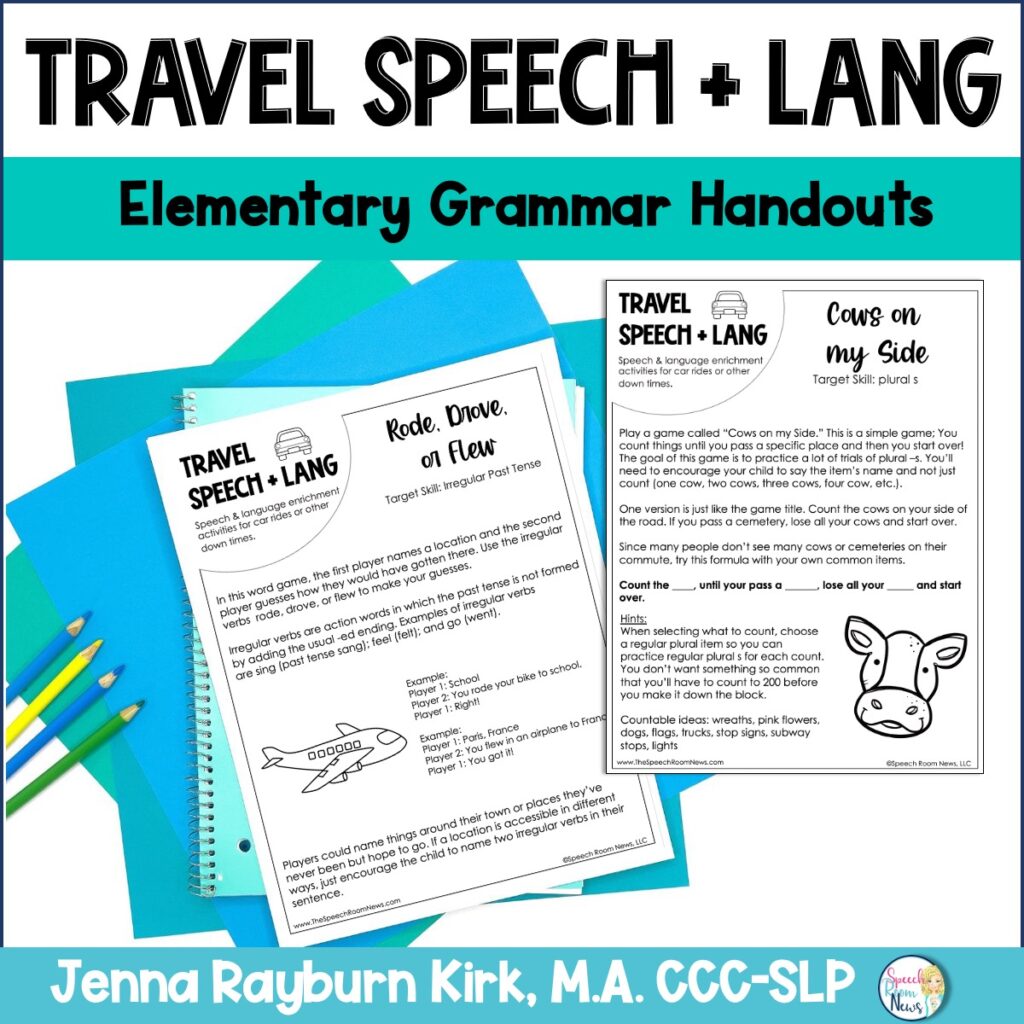
- Analysis and Therapeutic Value: The primary grammatical target here is the correct word order and auxiliary verb usage in questions (e.g., "Is it…?", "Do you…?"). This helps children internalize syntactic rules. Beyond grammar, the game implicitly targets a wide array of semantic skills:
- Functions: "Does it melt?" (understanding what an item does)
- Actions: "Do you bite it?" (understanding actions associated with an item)
- Categories: "Is it a fruit?" (categorization and classification skills)
- Associates: "Is it something that goes with cereal?" (understanding relationships between items)
This multi-faceted approach makes the Grocery Game a powerful tool for developing comprehensive language skills crucial for academic success and daily problem-solving.
2. The "Red Light Race": Enhancing Articulation and Auditory Discrimination
For children working on specific speech sounds (articulation), the "Red Light Race" offers a playful yet rigorous practice opportunity. Each time the car stops at a red light, players take turns naming as many items as they can within a chosen category, all of which must include a specific target sound. For instance, if the target sound is /s/, categories like "animals" could yield "snake, seal, squirrel, walrus." One person names, the other counts.
- Analysis and Therapeutic Value: A key component of this game is "auditory bombardment," where the adult consistently models the target speech sound. By hearing the correct production repeatedly in a natural context, children’s auditory discrimination improves, making them more attuned to the sound they are learning to produce. This consistent exposure is a well-established technique in speech therapy to heighten a child’s awareness of specific phonemes. Furthermore, the game promotes:
- Phonological Awareness: The ability to identify and manipulate individual sounds in words.
- Vocabulary Retrieval: Accessing words quickly from memory.
- Categorization: Reinforcing semantic categories while focusing on phonological targets.
This activity transforms mundane waiting periods into productive articulation drills, integrating practice seamlessly into the daily routine.
3. "Triple Threat": Building Narrative Skills and Sentence Complexity
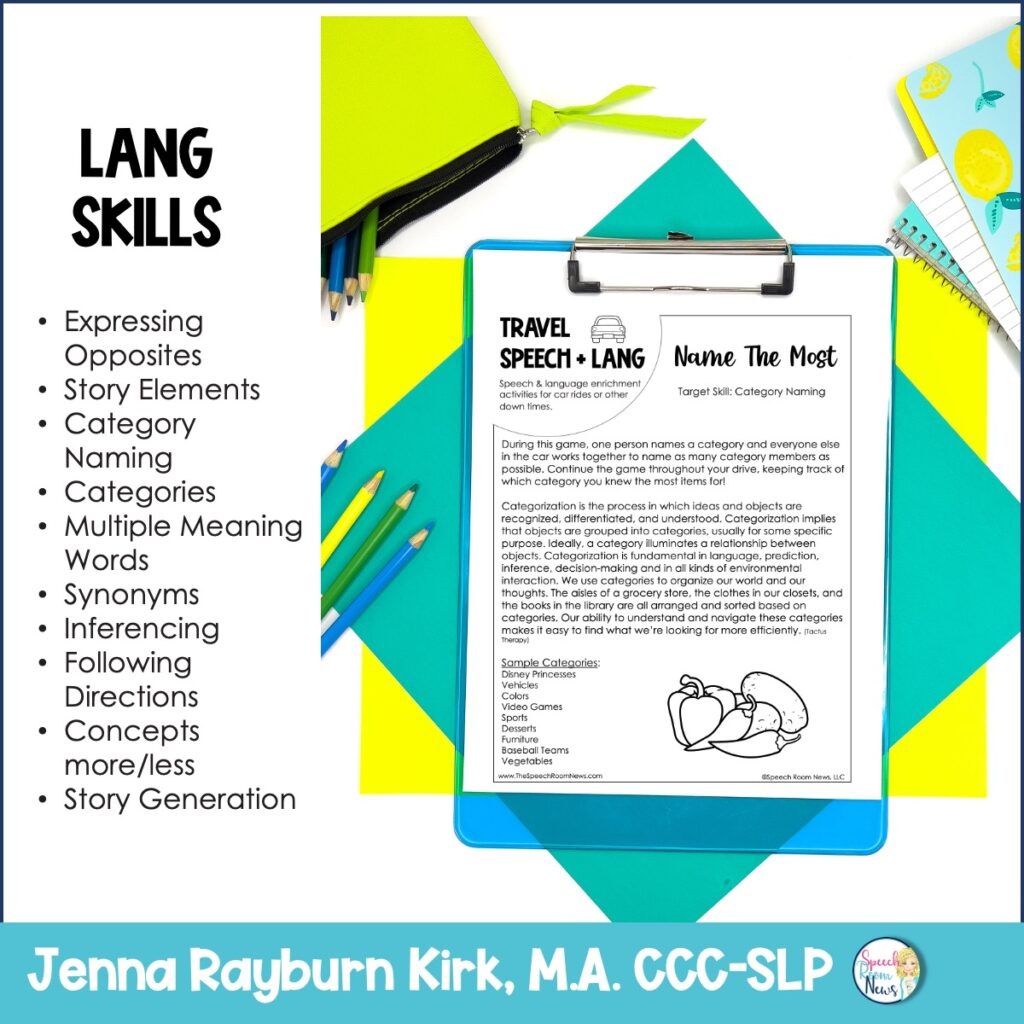
Storytelling is a fundamental human activity and a critical developmental milestone. The "Triple Threat" game encourages imaginative narrative creation and complex sentence formation. The adult provides three unrelated nouns, for example, "dog," "milk," and "bike." The child’s task is then to create a short story that incorporates all three items, often leading to wonderfully silly and creative narratives.
- Analysis and Therapeutic Value: This activity targets several advanced language skills:
- Sentence Formation and Expansion: Children must construct grammatically correct and increasingly complex sentences to link the three disparate items into a coherent story.
- Story Retell and Sequencing: It encourages logical sequencing of events and understanding of story structure (beginning, middle, end).
- Creative Language Use: Fosters imagination and the ability to use language flexibly to convey ideas.
- Vocabulary Integration: Encourages the use of descriptive language (adjectives, adverbs) to enrich the narrative.
Narrative skills are directly linked to reading comprehension and written expression, making this game an excellent precursor to literacy development. The low-stakes, playful nature of creating silly stories reduces performance anxiety, making it an enjoyable learning experience.
The Evolving Landscape of Speech and Language Therapy
The integration of such home-based strategies reflects a broader, positive shift in speech and language pathology. Historically, therapy was often confined to clinical settings. However, a conceptual "timeline" of therapeutic approaches shows a growing emphasis on naturalistic intervention and family-centered practice. Research from the past few decades consistently demonstrates that parental involvement significantly enhances therapeutic outcomes. Professional organizations, such as the American Speech-Language-Hearing Association (ASHA), actively advocate for empowering parents as primary communication facilitators. This involves equipping them with practical, adaptable strategies that extend learning beyond the therapy room.
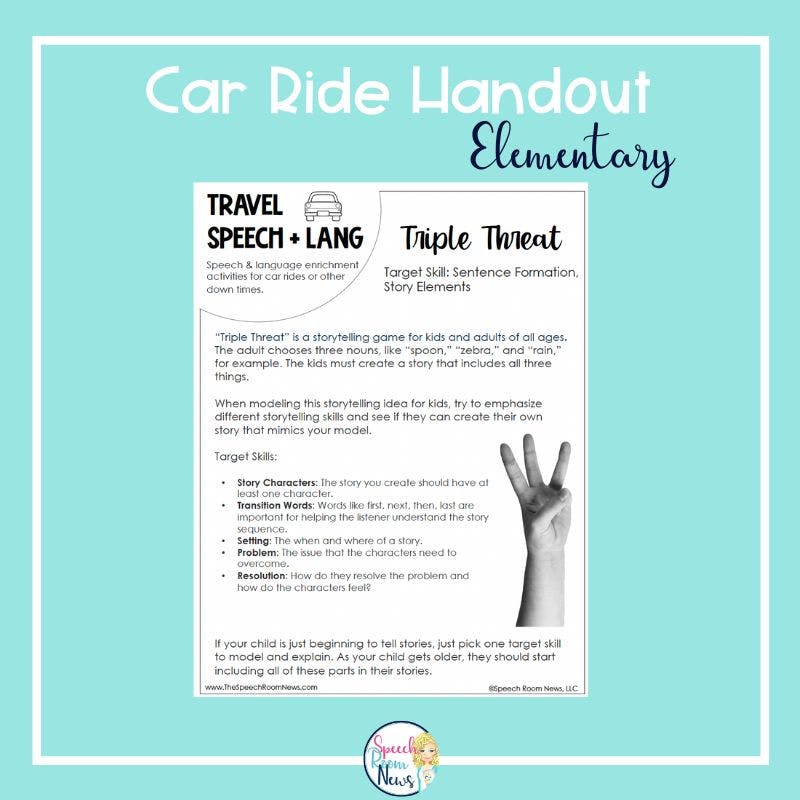
Speech-language pathologists today increasingly view their role as educators and coaches for parents, providing them with the tools and confidence to support their child’s development in everyday contexts. This collaborative model recognizes that consistent, meaningful interactions within a child’s natural environment are far more impactful than isolated clinical sessions alone. The development of accessible resources, such as parent handouts or digital guides, that translate therapeutic principles into actionable, everyday games is a testament to this evolving philosophy.
Broader Impact and Empowering Parents
Beyond the direct therapeutic benefits, integrating speech and language activities into car rides has broader implications for families. Firstly, it enhances accessibility and equity. These activities require no special equipment or financial outlay, making them universally available regardless of socioeconomic status. This democratizes access to valuable developmental support, especially for families who might face barriers to consistent clinic attendance.
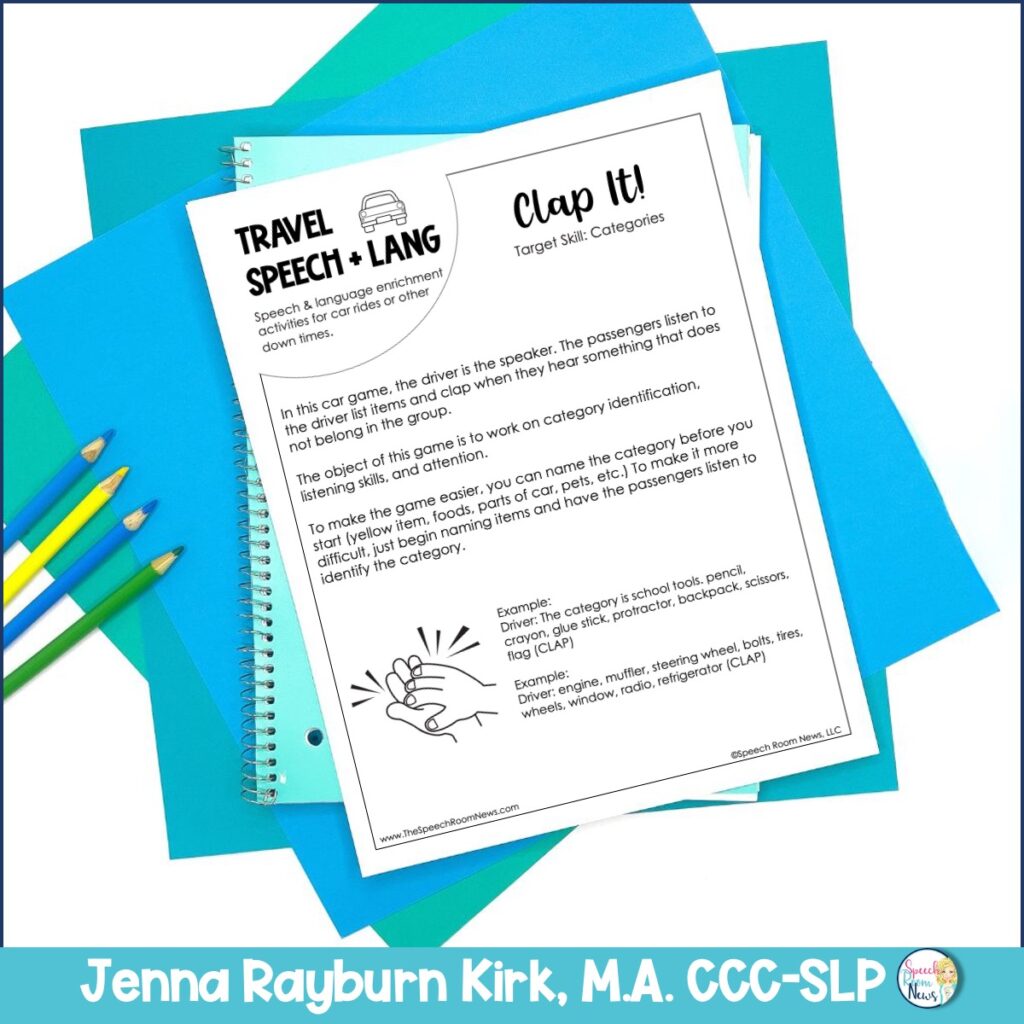
Secondly, these shared activities can significantly strengthen parent-child bonds. By turning potentially dull commutes into moments of playful interaction and shared learning, parents create positive memories and reinforce their role as supportive, engaged caregivers. The focus shifts from "doing therapy" to "playing together," fostering a more relaxed and joyful learning atmosphere.
In the long term, consistent engagement in these types of activities contributes to a child’s overall communication competence, academic readiness, and social confidence. Children who develop strong language skills are better equipped to express their needs, understand others, navigate social situations, and succeed in school. The seemingly small, intentional moments spent practicing in the car accumulate to build a robust foundation for lifelong learning and effective communication.
In conclusion, the daily car commute, often perceived as a period of passive travel, holds untapped potential as a vibrant classroom for speech and language development. By embracing simple, engaging strategies like the "Grocery Game," "Red Light Race," and "Triple Threat," parents can transform routine journeys into powerful opportunities for learning. This approach not only maximizes valuable time but also aligns with contemporary therapeutic philosophies emphasizing naturalistic intervention and the pivotal role of parental involvement. Ultimately, intentionality during everyday routines can profoundly impact a child’s developmental trajectory, paving the way for enhanced communication, academic success, and stronger family connections.
