

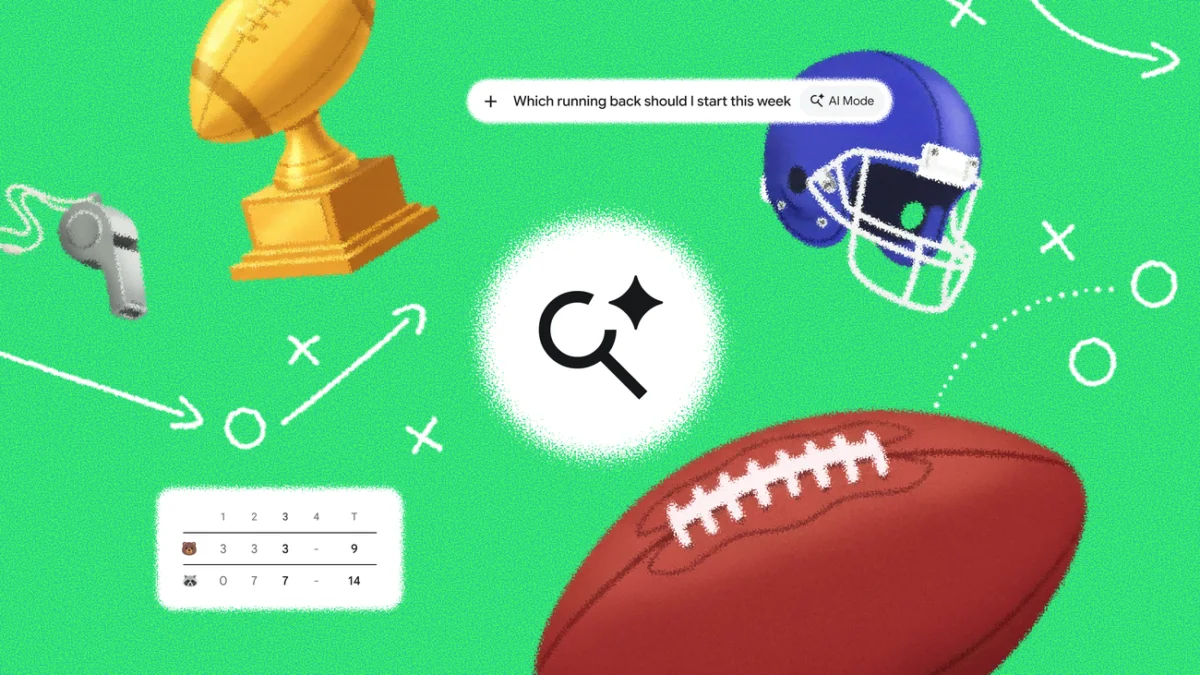
Google has officially announced a suite of major upgrades to its Search platform specifically tailored for the American football season, aiming to transform the engine from a static information source into a comprehensive, real-time "game-day guide." Announced by Denise Ho, Senior Director of Product Management for Search, the update introduces a sophisticated Live Game Feed, granular player metrics, and a first-of-its-kind integration with major fantasy football platforms through Google’s AI-driven interface. These features represent a strategic pivot for the technology giant as it seeks to capture a larger share of the sports media landscape by leveraging generative artificial intelligence to provide personalized, actionable insights for millions of fans.
The cornerstone of this update is the Live Game Feed, a feature designed to consolidate the fragmented experience of following live sports. Recognizing that fans often toggle between social media, sports news apps, and live broadcasts, Google’s new feed provides a centralized hub. Accessible via mobile search in the United States, the feed activates when users search for ongoing professional football games. It offers a real-time timeline of play-by-play updates, curated social commentary, and high-definition video highlights. Perhaps most notably, the feed incorporates AI-powered insights that analyze game momentum and key statistical shifts as they occur, providing context that goes beyond the standard scoreboard.
The Evolution of the Live Game Feed and Real-Time Tracking
The implementation of the Live Game Feed signifies Google’s commitment to "Zero-Click" utility, where users can find exhaustive information without leaving the search results page. The feed’s dynamic timeline is built to cater to both the casual observer and the die-hard enthusiast. While the current rollout is limited to professional American football for mobile users in English, Google has confirmed a timeline for expansion. Later this month, the company plans to integrate support for collegiate football teams, a move that targets the massive and highly engaged Saturday viewership in the U.S. Furthermore, plans are in place to scale the feature globally, suggesting that similar frameworks could eventually be applied to international sports such as the Premier League or the NBA.
In addition to the live feed, Google has overhauled its statistical presentation. A new "matchup carousel" allows users to swipe through concurrent games across the league, eliminating the need for multiple individual searches. This horizontal navigation reflects a broader design trend in mobile search aimed at reducing friction for users tracking multiple storylines simultaneously. The depth of data has also seen a significant upgrade; the platform now tracks more than just touchdowns and yardage. New metrics include sacks, fumbles, and "yards after catch" (YAC), providing a more nuanced view of player performance. For the more forward-looking fan, Google Search will soon integrate championship probability models and interactive playoff brackets, positioning the platform as a tool for season-long narrative tracking rather than just single-game updates.
AI Integration and the Fantasy Football Landscape
Perhaps the most significant technological leap in this update is the integration of fantasy football accounts with Google’s AI Mode. By allowing users to securely link their Yahoo Fantasy or Sleeper accounts, Google is entering a highly lucrative and competitive market. The fantasy sports industry in North America is estimated to be worth billions of dollars, with the NFL season serving as its primary driver. By connecting these accounts, users can bypass the manual entry of rosters and instead receive tailored advice directly from Google’s AI.
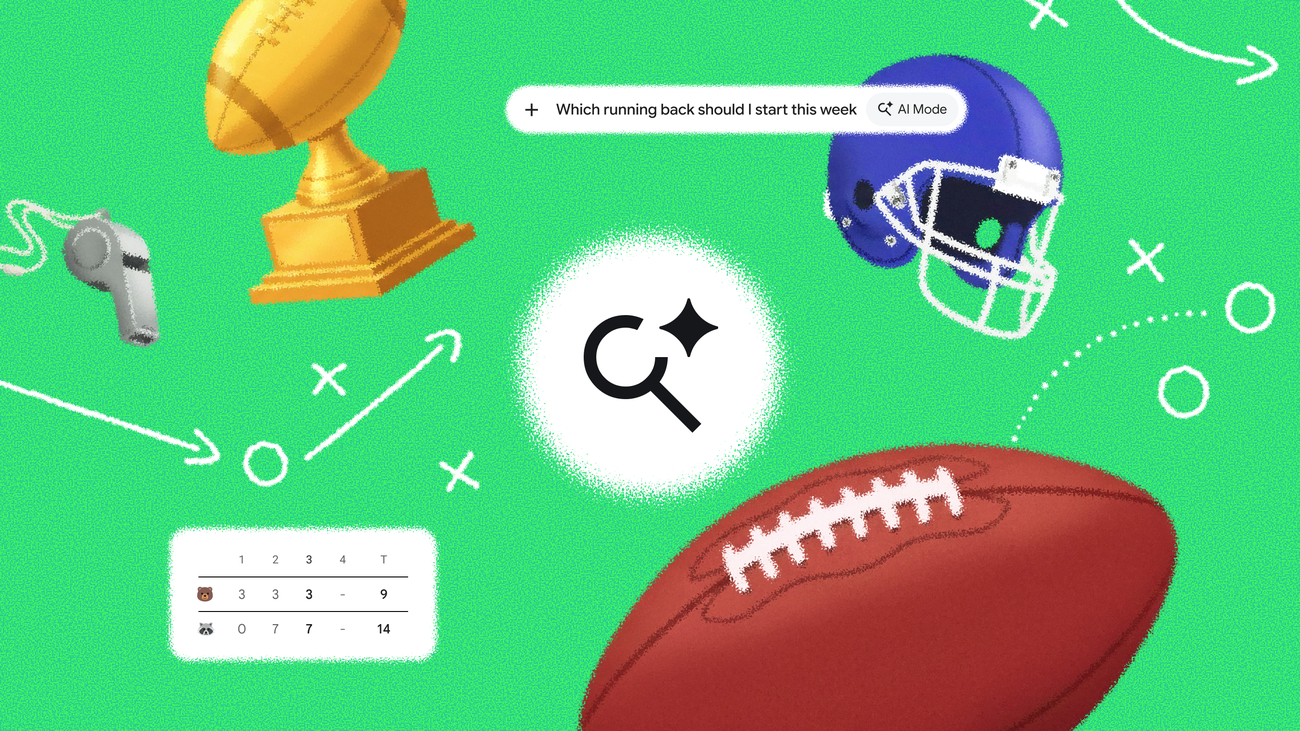
This feature allows for complex queries such as "Which of my wide receivers has the best matchup this week?" or "Should I drop my backup quarterback for a waiver wire target?" The AI utilizes Retrieval-Augmented Generation (RAG) technology to pull real-time data from the user’s specific league settings and roster, combining it with broader league-wide statistics to offer recommendations. This level of personalization represents a shift in how Large Language Models (LLMs) are applied to consumer habits, moving from general information retrieval to specific, high-stakes decision-making support.
Chronology of Development and Rollout
The development of these features follows a multi-year trajectory of Google increasing its presence in the sports world.
- Pre-2022: Google Search primarily relied on Knowledge Panels to show scores and basic schedules.
- 2023: The introduction of "AI Overviews" (formerly Search Generative Experience) began testing how summarized sports data could be presented to users.
- Early 2024: Google began refining its real-time data processing capabilities, focusing on reducing latency for live event updates.
- September 2024: Official launch of the NFL-focused Live Game Feed and Yahoo/Sleeper fantasy integration for U.S. mobile users.
- Late September 2024 (Projected): Expansion to include NCAA (collegiate) football and broader international availability for the matchup carousel and advanced stats.
Market Context and Industry Implications
Google’s move into deeper sports integration comes at a time when competition for the "second screen" (the device used while watching a primary broadcast) is at an all-time high. Competitors such as Apple recently launched the "Apple Sports" app, designed for speed and simplicity, while Microsoft Bing has integrated its own AI-driven sports predictions. By embedding these features directly into the search bar, Google leverages its existing dominance in mobile browsing to preempt the need for users to download specialized sports applications.
The integration of fantasy data is particularly strategic. According to the Fantasy Sports & Gaming Association (FSGA), over 50 million people in the U.S. play fantasy sports annually. By becoming a tool for "start/sit" decisions, Google increases user retention and frequency of use. Every time a user checks their roster or asks the AI for a waiver wire recommendation, they are engaging with the Google ecosystem, providing the company with valuable data on consumer interests and sports-related intent.
Official Perspectives and User Privacy
Denise Ho emphasized the user-centric nature of the updates, stating that the features were built to help fans "dive deeper into every moment." The company has also addressed the technical side of the fantasy integration, noting that the linking process is "secure" and that users have control over what data is shared between their fantasy providers and Google. This is a critical point of focus, as linking personal accounts to AI models often raises questions about data persistence and privacy. Google has implemented a feedback loop within AI Mode, encouraging users to provide "thumbs up" or "thumbs down" ratings on AI-generated advice to help refine the model’s accuracy throughout the season.
While official reactions from the NFL or fantasy platforms have been largely focused on the technical partnership, industry analysts suggest that this move could disrupt traditional sports media outlets. Sites that rely on traffic for "fantasy advice" or "live updates" may see a decline in visits if Google provides those answers directly on the Search results page. However, Google’s inclusion of social commentary and video highlights suggests a desire to remain a "portal" that directs users to content creators rather than a closed loop that replaces them entirely.
Broader Impact and Future Outlook
The implications of these Search upgrades extend beyond American football. The framework established here—real-time feeds, deep statistical carousels, and third-party account integration—serves as a blueprint for how Google might handle other major global events. Whether it is the World Cup, the Olympics, or even non-sporting events like elections or awards shows, the ability to provide a live, AI-augmented timeline is a powerful tool for information dissemination.
As the season progresses, the success of these features will likely be measured by the accuracy of the AI’s fantasy recommendations and the latency of the Live Game Feed. If Google can successfully navigate the complexities of live data and provide a seamless experience for the millions of fans checking scores every Sunday, it will further solidify Search as an indispensable utility in the modern sports ecosystem. For now, the "kickoff" of these features marks a significant milestone in the intersection of artificial intelligence, real-time data, and consumer entertainment. Fans are no longer just searching for the score; they are engaging in a dialogue with the data itself.
