

The pursuit of a professional voiceover career begins with a fundamental question: what is the best microphone for voiceover work? This comprehensive guide delves into the nuanced world of audio capture, dissecting microphone types, technical specifications, and a curated selection of industry-standard and budget-friendly options. Whether you are an aspiring voice artist taking your first steps or an established professional seeking an upgrade, understanding the intricacies of microphone selection is paramount to achieving high-quality audio, crucial for demo reels, auditions, and paid projects. This exploration aims to equip you with the knowledge to make an informed decision, ensuring your vocal talents are captured with clarity, depth, and professional polish.
Understanding the Core Components of a Voiceover Setup
Before diving into specific microphone models, it’s essential to grasp the foundational elements of a recording setup. A robust voiceover system comprises more than just a microphone; it necessitates a synergistic combination of hardware designed to capture and process sound effectively.
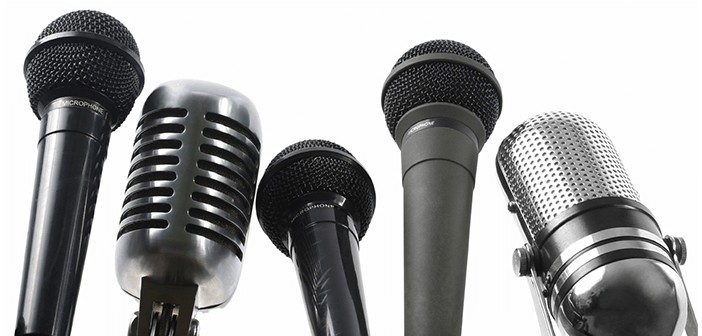
- Microphone: The primary instrument for capturing your voice. Its type, polar pattern, and sensitivity will dictate the character of the recorded sound.
- Audio Interface/Preamp: This device converts the analog signal from the microphone into a digital signal that your computer can understand. It also often provides microphone preamplification, boosting the signal to a usable level. For microphones requiring phantom power, the audio interface is the typical source.
- Cables: The conduit for your audio signal. XLR cables are standard for professional microphones due to their balanced nature, which helps reduce noise interference.
- Pop Filter/Windscreen: Essential for mitigating plosive sounds (P’s and B’s) and reducing breath noise, ensuring a cleaner vocal track.
- Headphones: Crucial for monitoring your performance in real-time, allowing you to detect any issues with your recording environment or microphone technique.
- Recording Software (DAW – Digital Audio Workstation): The software used to record, edit, and mix your audio. Popular options include Audacity (free), Adobe Audition, Reaper, Pro Tools, and Logic Pro.
The Critical Role of Phantom Power
A significant technical consideration for many professional microphones, particularly condenser microphones, is the requirement for phantom power. This is a direct current voltage, typically +48V, supplied through the microphone cable from the audio interface or mixer. Phantom power energizes the internal circuitry of condenser microphones, enabling them to convert subtle sound waves into electrical signals. While the term might sound intimidating, operating phantom power is straightforward. Most audio interfaces feature a dedicated switch for this function, which should be engaged only when a phantom-powered microphone is connected and disengaged before disconnecting. It’s important to note that dynamic microphones generally do not require phantom power, and supplying it to certain vintage or incompatible dynamic mics could potentially cause damage.
The USB Microphone Advantage: Simplicity and Accessibility
USB microphones have revolutionized home recording by offering a plug-and-play solution that bypasses the need for separate audio interfaces. They integrate the microphone capsule and the analog-to-digital converter into a single unit, connecting directly to a computer via a USB port.
-
USB Microphone Pros:
- Ease of Use: Simply plug and play, making them ideal for beginners and those prioritizing simplicity.
- Cost-Effective: Often more affordable than a traditional XLR microphone and audio interface setup.
- Portability: Compact and easy to transport for on-the-go recording.
- Reduced Setup Complexity: Eliminates the need for additional cables and interfaces, streamlining the recording process.
-
USB Microphone Cons:
- Limited Upgrade Path: While some offer higher fidelity, the integrated nature can limit future expansion and customization compared to XLR systems.
- Potential for Latency: Depending on the driver and computer processing, some USB microphones may introduce slight delays in audio monitoring.
- Sound Quality Variability: While many offer excellent quality, the pinnacle of professional audio is often achieved with dedicated XLR setups.
- Dependence on Computer Quality: Performance can be tied to the computer’s USB bus power and processing capabilities.
Dynamic Microphones: Robustness and Reliability
Dynamic microphones operate on the principle of electromagnetic induction. Sound waves cause a diaphragm to vibrate, which in turn moves a coil of wire within a magnetic field, generating an electrical signal. They are known for their durability and ability to handle high sound pressure levels.
-
Dynamic Mic Pros:
- Durability: Built to withstand rough handling and are less susceptible to damage.
- High SPL Handling: Excellent for loud sound sources without distortion.
- Less Sensitive to Room Acoustics: Their inherent design makes them less prone to picking up background noise and room reflections, making them suitable for untreated environments.
- No Phantom Power Required: Simplifies setup and reduces potential technical complexities.
-
Dynamic Broadcast Voiceover Mic Cons:
- Lower Sensitivity: Generally produce a weaker signal than condenser microphones, often requiring more gain from the preamplifier.
- Less Detailed High Frequencies: May not capture the same level of fine detail and airiness as condenser microphones.
- Can Sound "Duller": Some dynamic mics might lack the sparkle and clarity desired for certain voiceover applications.
Large Diaphragm Condenser Microphones: Capturing Nuance and Detail
Large diaphragm condenser (LDC) microphones are the workhorses of professional studios for vocal recording. They utilize a thin, conductive diaphragm stretched over a backplate. A voltage is applied across these two components, creating a capacitor. Sound waves cause the diaphragm to vibrate, changing the capacitance and thus the electrical signal.
-
Large Diaphragm Condenser Pros:
- Exceptional Detail and Clarity: Known for their ability to capture subtle nuances, high frequencies, and a wide dynamic range.
- Sensitivity: Produce a strong signal, allowing for cleaner recordings with less preamp gain.
- Rich and Warm Tone: Often impart a pleasing, full-bodied character to the voice.
- Versatility: Suitable for a wide array of vocal styles and applications.
-
Large Diaphragm Condenser Cons:
- Require Phantom Power: Necessitate an audio interface or mixer that provides +48V.
- More Fragile: The delicate diaphragm and internal components make them more susceptible to damage from drops or mishandling.
- Sensitive to Room Acoustics: Their high sensitivity means they will pick up ambient noise and room reflections more readily, demanding a treated recording space.
- Higher Cost: Generally more expensive than dynamic microphones.
Understanding Polar Patterns: Directivity in Sound Capture
A microphone’s polar pattern describes its directional sensitivity – essentially, where it "listens" most effectively. Understanding these patterns is crucial for isolating your voice and minimizing unwanted room noise.
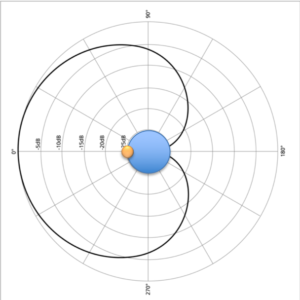
- Cardioid: The most common pattern for voiceover work. It picks up sound primarily from the front, with significant rejection from the rear and sides. This pattern is excellent for isolating a single sound source and minimizing background noise. The name derives from its heart-shaped pattern on a polar plot.
- Omnidirectional: Picks up sound equally from all directions. While useful for capturing ambient sound or group recordings, it’s generally not ideal for solo voiceover work due to its susceptibility to room acoustics.
- Bidirectional (Figure-8): Picks up sound equally from the front and the rear, with maximum rejection from the sides. This pattern is useful for interviews with two people sitting opposite each other or for specific recording techniques.
- Hypercardioid: Similar to cardioid but with a narrower front pickup and a small lobe of sensitivity directly at the rear. Offers greater side rejection than cardioid but requires more precise positioning to avoid rear noise.
For voice actors, the cardioid pattern is almost universally the most practical choice, offering a balance of directivity and ease of use. Many high-end microphones offer switchable polar patterns, providing flexibility for different recording scenarios.
The Function of Pads in Microphone Design
Microphone pads, often integrated as a switch, are attenuators that reduce the input signal level. They are particularly useful when miking very loud sound sources, such as close-miking a guitar amplifier or a powerful vocalist, to prevent clipping and distortion. For typical voiceover recording in a controlled environment, pads are less frequently utilized, as most voice actors do not produce sound levels that would overload the microphone’s preamplifier. However, their presence on a microphone can offer an added layer of control and flexibility.
XLR vs. Jack Connectors: The Professional Standard
The type of connector used on a microphone cable is a key indicator of its professional application.
- XLR Connectors: These are three-pin connectors commonly found on professional microphones, especially those requiring phantom power. XLR cables are balanced, meaning they employ a differential signaling system that effectively cancels out electromagnetic interference picked up along the cable’s length. This results in a cleaner, more robust audio signal, making XLR the preferred choice for studio environments.
- Jack Connectors (TRS/TS): While ubiquitous in musical instrument and consumer audio, standard jack connectors (especially unbalanced TS) are less common for professional voiceover microphones. TRS (Tip-Ring-Sleeve) jacks can be balanced, but XLR remains the industry standard for microphone connectivity due to its robust design and established integration with professional audio equipment. If a microphone only offers a jack connection and is intended for serious voiceover work, it might indicate a more consumer-oriented product, potentially limiting its audio fidelity and connectivity options.
Key Considerations for Selecting Your Voiceover Microphone
Choosing the "best" microphone is a subjective endeavor, heavily influenced by individual vocal characteristics, recording environment, and the specific genre of voiceover work. However, several objective factors should guide your decision:
- Your Unique Voice: Different microphones complement different vocal ranges and timbres. Some mics might accentuate the warmth of a baritone, while others might bring out the clarity of a soprano. Experimentation is key.
- Recording Environment: The acoustics of your recording space play a significant role. In a well-treated studio, a sensitive condenser mic can shine. In a less-than-ideal environment, a dynamic mic or a condenser with excellent side rejection might be more forgiving.
- Intended Voiceover Work: The requirements for a podcast might differ from those for a commercial narration or an audiobook. Commercials often demand a bright, clear sound, while audiobooks may benefit from a warmer, more intimate tone.
- Budget: Microphones span a vast price range. Setting a realistic budget is the first step in narrowing down your options. It’s often more beneficial to invest in a mid-range microphone and a treated recording space than an expensive mic in a poor acoustic environment.
- Frequency Response: A microphone’s frequency response curve indicates how it amplifies or attenuates different frequencies. A "flat" response aims to reproduce the sound source accurately. Microphones with artificial boosts in certain frequencies, like the high-frequency lift in some condensers, can sometimes lead to undesirable sibilance or harshness, particularly with female voices.
A Curated Selection of Voiceover Microphones Across Budgets
The following microphones are highly regarded within the voiceover community, offering a spectrum of performance and price points. These selections represent a blend of established classics and newer contenders, each with its unique strengths.
Mid-Range Excellence (Approx. $300 – $500)
This tier offers a significant step up in audio quality, often bridging the gap between beginner and professional setups.
-
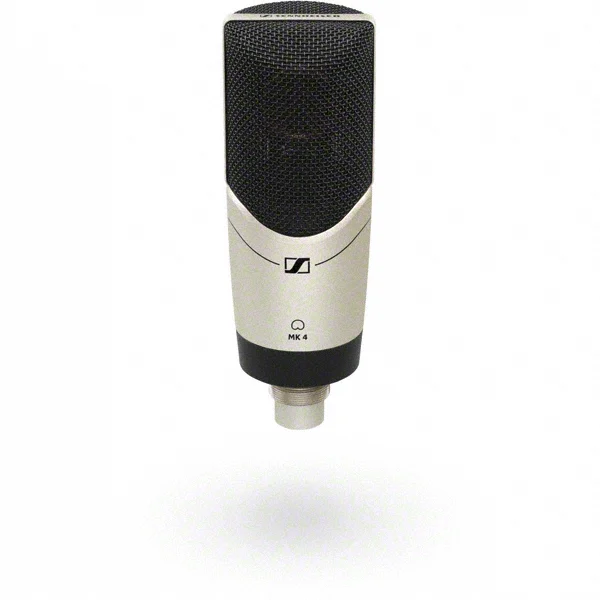
Sennheiser MK4 (~$350/£300): A standout performer, the MK4 boasts a diaphragm capsule designed by the same team behind the legendary Neumann U87. It’s a cardioid-only condenser microphone that delivers exceptional sound quality for both male and female voices. Its robust build and impressive value make it a top recommendation for serious voice artists. Its natural sound reproduction and solid construction ensure reliability and excellent performance for its price.
-
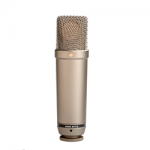
Rode NT1/NT2 (~$249/£200): The Rode NT1 and its successor, the NT2, are popular choices for newcomers. They offer a neutral, quiet sound with a wide dynamic range, producing high-quality recordings. While some seasoned audio engineers might identify the distinct "Rode sound," for emerging voice actors, these microphones provide an accessible entry into professional-grade audio capture. Their low self-noise is a significant advantage for capturing clean vocal takes.
-
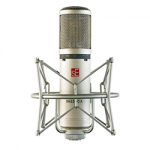
sE Electronics sE2200a II C ($299): This versatile condenser microphone delivers an upfront, high-quality sound. It features a switchable high-pass filter and a 10dB pad, offering valuable sound-shaping capabilities. Its low self-noise makes it an excellent choice for first-time voice actors seeking a professional and adaptable microphone. The inclusion of a pad and high-pass filter adds to its utility in various recording situations.
-
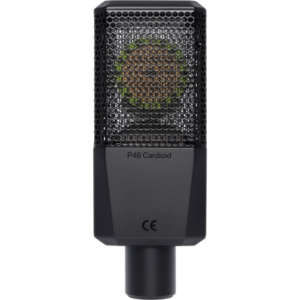
Lewitt LCT 440 Pure (£245): A newer entrant that has quickly gained traction, the LCT 440 Pure is a large-diaphragm cardioid condenser. Its distinctive design includes an open front and an integrated magnetic pop filter. The 1-inch condenser capsule produces a clear, crisp sound, making it a compelling option at its price point, especially when considering its included shock mount and thoughtful design elements.
-
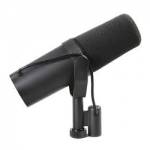
Shure SM7B ($349): A legendary dynamic microphone, the SM7B is a staple in radio and podcasting studios. Its exceptionally clear sound, coupled with warmth and presence, makes it ideal for a wide range of vocal applications. The ability to switch its frequency response for added presence is a key feature. While often used in radio, its robust nature and excellent rejection of plosives and ambient noise make it a strong contender for home studio voiceover work, though it requires a significant amount of clean gain from a preamplifier.
-
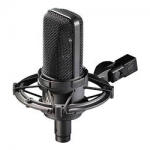
Audio-Technica AT4033 ($399): This cardioid condenser microphone is praised for its excellent transient response and clean output. It features an 80Hz high-pass filter that can be switched to a low-end roll-off, effectively diminishing ambient noise and plosives during close vocal work. Its balanced sound profile makes it a versatile choice for various voiceover tasks.
-
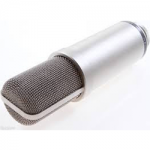
Blue Yeti Pro ($249.00): For those venturing into voiceover with a limited budget and a preference for USB connectivity, the Blue Yeti Pro stands out. It offers higher recording bit depth and the flexibility of XLR output, setting it apart from many standard USB microphones. While USB microphones are not always the first choice for professional studios, the Yeti Pro represents one of the better options in this category, providing a convenient entry point.
High-End Performance (Approx. $500 – $1,200)
Microphones in this range represent professional-grade tools, offering superior clarity, detail, and often greater versatility.
-
Rode NTK ($529): This tube condenser microphone delivers a warm and clear sound, housed within a rugged build. It’s a solid choice for voiceover artists seeking a rich tonal quality that can add depth and character to their recordings. The inherent warmth of a tube microphone can be particularly pleasing for narration and character work.
-
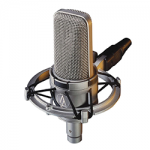
Audio Technica 4047 ($699): Designed with sonic characteristics reminiscent of classic FET studio microphones, the AT4047 offers a transformer-coupled output for a distinct sonic signature. It boasts low self-noise, a wide dynamic range, and high SPL capability, all housed within a precision-machined brass body for enhanced stability and sensitivity. This mic is engineered for clarity and a smooth, professional sound.
-
Miktek C7 ($899): This large-diaphragm FET condenser microphone is renowned for its pleasing sound quality and versatility. The C7 features three selectable pickup patterns: cardioid, omnidirectional, and bidirectional. The bidirectional pattern, in particular, is valuable for capturing two sound sources simultaneously, making it ideal for interviews and collaborative voiceover projects. Its ease of use and adaptability make it a strong choice for demanding applications.
-
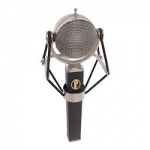
Blue Dragonfly: While pricing can vary, the Blue Dragonfly is often positioned as a more affordable yet high-quality option from Blue Microphones. It aims to capture a sweet, vintage-inspired sound, similar to classic Neumann and AKG microphones. Its unique design allows for extensive capsule positioning, opening up diverse sonic possibilities for the voiceover artist.
-
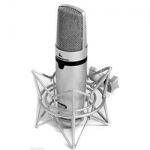
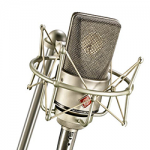
Neumann TLM 103 ($1,099): Despite not being initially designed specifically for voice work, the TLM 103 is a highly recommended microphone by many voice actors. Its transformerless circuit design results in very low self-noise and a wide dynamic range. The cardioid capsule is precisely tuned for acoustic balance and effective phase cancellation from rear sound sources. A potential consideration is its slight lift in high frequencies, which can occasionally lead to noticeable sibilance with certain higher female voices.
-
AKG 414 ($1100): The AKG C414 is a studio staple, celebrated for its exceptional pickup range and a pleasingly flat frequency response. This professional, robust microphone features switchable polar patterns and a pad setting, offering remarkable versatility. It’s a solid mid-to-high-range investment that can serve a voice artist for many years, capable of handling a wide array of recording demands.
The Pinnacle of Professional Quality (Above $1,200)
These microphones represent the highest echelon of audio capture, often found in the world’s most prestigious studios. While an investment, they offer unparalleled sonic performance and longevity.
-
Neumann U87 ($3180/£2500): The Neumann U87 is arguably the most iconic and widely used microphone in professional recording studios globally. It has long been considered one of the finest microphones for vocal recording, a reputation reflected in its build quality, performance, and price. It features switchable polar patterns, a pad, and a generally flat response that works exceptionally well for both male and female voices. While a significant investment, it is an exceptional tool. For those seeking a similar sonic profile without the premium price tag, the Sennheiser MK4 is often cited as a remarkable alternative at a fraction of the cost.
-
Sennheiser MKH 416 (Circa $700/£550): While often positioned in a slightly lower price bracket than the U87, the MKH 416 is a ubiquitous presence in voiceover studios worldwide. It’s a hypercardioid microphone, which requires precise on-axis positioning to achieve optimal results. This can make it less ideal for highly expressive vocal performances where movement is common. Originally designed for capturing sound from a distance, when positioned correctly for close-miking, it delivers an incredibly punchy and clear commercial sound. Its ruggedness makes it an exceptional travel microphone. Many professional voiceover artists maintain both a 416 for its specific sonic character and ruggedness, alongside a large-diaphragm condenser for broader applications.
Summary: Navigating Your Microphone Choice
The journey to finding the best microphone for voiceover work is a personal one, intricately linked to your budget, vocal characteristics, and recording environment. The microphones listed above represent a curated selection of industry-recognized tools, each offering distinct advantages.
- For Beginners on a Tight Budget: Consider USB microphones like the Blue Yeti Pro or entry-level dynamic microphones if your room acoustics are less than ideal.
- For Intermediate Artists Seeking Value: The Sennheiser MK4, Rode NT1/NT2, and sE Electronics sE2200a II C offer excellent performance-to-price ratios.
- For Professionals Demanding Top-Tier Quality: Microphones like the Neumann U87, AKG C414, and Sennheiser MKH 416 are industry benchmarks, providing unparalleled sonic fidelity and versatility.
Ultimately, the most effective microphone is one that complements your voice, integrates seamlessly into your workflow, and consistently delivers the professional audio quality demanded by the industry. Investing time in research, reading reviews, and, if possible, testing microphones is highly recommended. Remember, a well-chosen microphone, coupled with a suitable recording space and proper technique, is a cornerstone of a successful voiceover career.
For those seeking to further enhance their understanding of audio recording and studio setup, comprehensive resources such as the Home Recording Studio Course are available, often as part of broader membership plans designed to support aspiring and established voiceover professionals.
