

In the intricate world of audio production, particularly within the voice-over industry, a seemingly minor technical detail—the presence or absence of a performer’s breath—can significantly impact the final output and listener perception. This article delves into the practice of "debreathing," exploring its definition, historical context, application, and the critical considerations that dictate when and why it should, or should not, be employed in professional voice-over recordings.
Understanding Debreathing: A Technical Definition and its Evolution
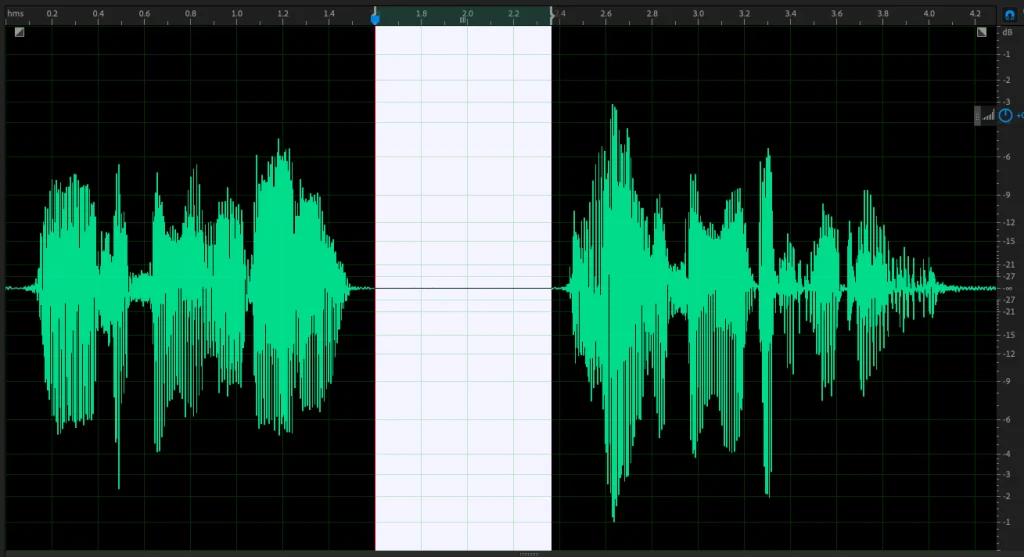
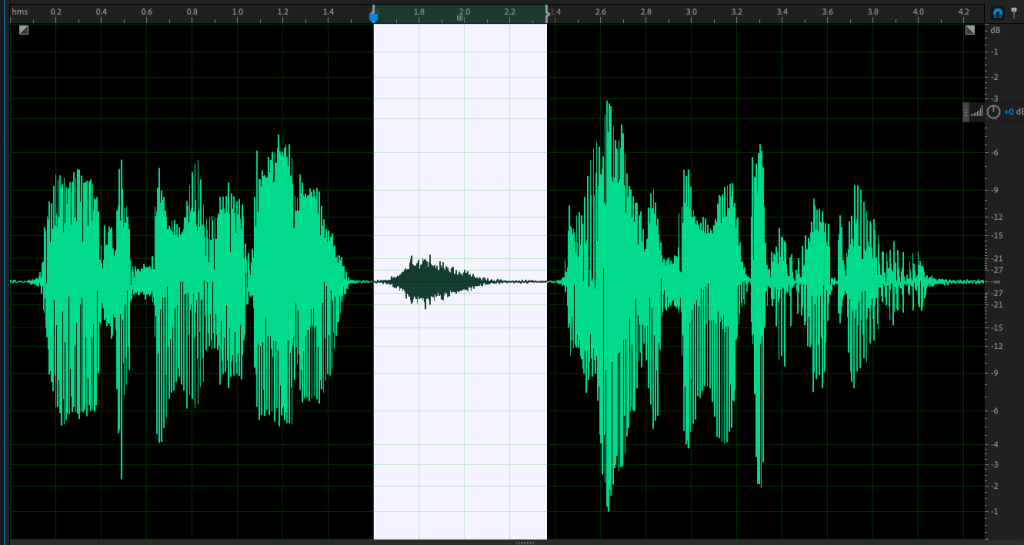
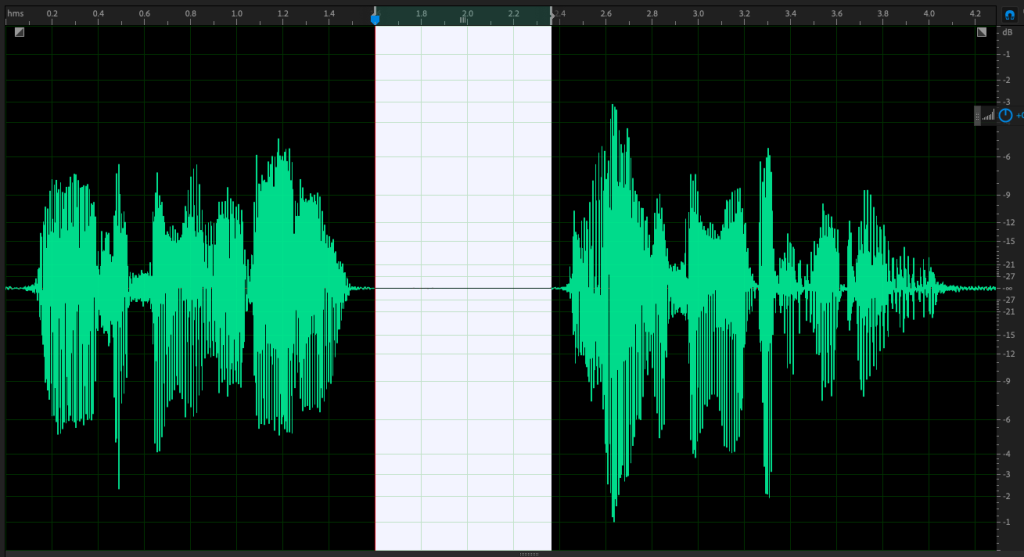
Debreathing, in its most straightforward definition, is the process of identifying and removing audible breaths from a recorded voice performance. This technique is typically executed within digital audio workstations (DAWs) like Adobe Audition, where breath sounds, often appearing as distinct waveforms, can be visually isolated. The process can involve either silencing the breath sound, rendering it inaudible while preserving the original timing of the recording, or completely removing the breath and the associated temporal gap, thereby shortening the overall duration of the spoken segment.
Historically, the necessity and application of debreathing were more pronounced in the nascent stages of audio recording and broadcasting. Early recording technologies possessed limitations in capturing the full spectrum of human vocal nuances without introducing unwanted noise. Furthermore, the prevailing aesthetic for spoken word content, especially in advertising, often favored a highly polished and almost hyper-real delivery.
The evolution of audio technology has, however, brought about a more sophisticated understanding of what constitutes a natural and engaging vocal performance. While debreathing was once a standard post-production step for many types of voice-over work, current industry best practices suggest a more nuanced approach.
The Traditional Application: Commercial Advertising
Traditionally, the primary domain where debreathing was consistently applied was in commercial voice-overs, specifically those intended for advertisements. The rationale behind this practice was rooted in the objective of delivering a clear, concise, and impactful message without any potential distractions. The core argument was that breaths, being involuntary physiological actions, could disrupt the flow of an advertisement, diverting the listener’s attention from the product or service being promoted.
In commercial advertising, the emphasis is on maximizing the efficiency of the message. Every second counts, and the goal is to convey information and evoke a desired response as effectively as possible. From this perspective, audible breaths could be perceived as interruptions, potentially diminishing the overall impact of the advertisement. The presence of background music, sound effects, and rapid pacing in many commercials further contributed to the acceptance of breath removal, as these elements could mask subtle sonic artifacts and maintain the listener’s engagement.
The Nuance of "Commercial": Delineating Advertising from Corporate Work
A critical point of contention and potential misunderstanding in the voice-over industry revolves around the definition of "commercial" work. This term can be interpreted in two distinct ways:
- Commercial in Nature: This broad definition encompasses any voice-over work for which the talent is paid, regardless of the specific application. This could include corporate narration, e-learning modules, video game characters, or any other paid voice-over project.
- Actual Advertisements: This narrower definition refers specifically to content designed for broadcast or online advertising – television commercials, radio spots, cinema advertisements, and digital ads.
Industry professionals are advised to exercise caution and clarity when debreathing. The consensus among many seasoned voice artists is that debreathing should ideally be confined to the second definition – actual advertisements. This is because the primary objective of an advertisement is to sell, and any perceived distraction, including breathing, is often deemed undesirable. However, even within advertising, the decision to debreath should not be automatic.
Why Debreathing is Often Detrimental Beyond Advertisements
The practice of debreathing, when applied to voice-over work outside of direct advertising, can lead to several undesirable outcomes, fundamentally undermining the quality and effectiveness of the recording.
1. The Unnaturalness of a Breathless Voice:
Human beings are accustomed to hearing speech accompanied by natural breathing. Our auditory processing systems are designed to interpret these sounds as integral components of normal conversation. When breaths are systematically removed from a spoken performance, the result can feel artificial and unsettling. Listeners may unconsciously perceive a void or an unnatural stillness, leading to a sense of discomfort. This phenomenon is akin to the evolution of text-to-speech (TTS) technologies. Early TTS systems, such as rudimentary versions of Siri or Google Assistant, often lacked audible breathing. While technically functional, these voices could sound robotic and impersonal. More recent advancements in TTS have incorporated subtle breathing cues, recognizing that this physiological element contributes significantly to a more human-like and relatable auditory experience. The absence of breathing in a voice-over performance can create an uncanny valley effect, making the speaker seem less human and more like an automated system.
2. Loss of Pacing and Listener Assimilation:
Breaths naturally serve as pauses within speech. These pauses are not merely physiological necessities; they also provide crucial cognitive space for the listener. During these brief moments of silence, the listener has the opportunity to process the information just delivered, to form thoughts, and to make decisions. When these natural pauses are eliminated through debreathing, the speech can become relentless and overwhelming. This can lead to a situation where the audience retains less of the information being conveyed, as they are not given the mental breathing room to absorb it. This is particularly problematic in narrative voice-overs, e-learning materials, or any content that requires comprehension and retention. The relentless delivery can leave the audience feeling fatigued and disengaged, ultimately failing to achieve the intended communicative goals.
3. Erosion of Natural Delivery and Authenticity:
In contemporary voice-over trends, naturalness and authenticity are highly valued. Clients and audiences alike often seek performances that feel genuine and relatable, rather than overly produced or theatrical. Breathing is an intrinsic element of natural human speech. Its inclusion contributes to a sense of spontaneity and authenticity in a performance. By removing breaths, a voice artist inadvertently strips away a layer of this naturalness, transforming a human vocalization into something that feels manufactured and less genuine. This can be particularly detrimental in genres like audiobooks, dramatic readings, or character voices where the ability to connect with the audience on an emotional level is paramount.
The Perils of Accidental Debreathing: Noise Gates and Expanders
A common pitfall for voice-over artists, particularly those working with less-than-ideal recording environments, is the accidental removal of breaths through the misuse of audio processing tools. Tools like noise gates and expanders are designed to reduce unwanted background noise by attenuating or silencing audio signals below a certain threshold. While these tools can be effective in cleaning up a noisy recording, they often indiscriminately target breath sounds along with other ambient noise.
This practice, often employed as a shortcut to compensate for poor acoustic conditions, has the same detrimental effects as deliberate debreathing. It sacrifices the human element of the performance in an attempt to achieve a cleaner sonic profile. The professional approach, as emphasized by experienced audio engineers and voice coaches, is to address the root cause of noise – the recording environment itself – rather than masking it with processing. Investing in acoustic treatment and proper microphone technique is far more effective and preserves the integrity of the vocal performance. The use of noise gates and expanders to "fix" a noisy recording environment is often considered a hallmark of an amateur approach, as it compromises the naturalness and emotional nuance of the voice.
A Chronology of Debreathing Considerations in Voice-Over
- Early Recording Era (Pre-1980s): Debreathing was more common due to technical limitations and a prevailing aesthetic favoring highly polished, often declamatory, vocal deliveries, especially in advertising.
- Digital Audio Workstation Era (1990s-Present): Advancements in DAWs made debreathing technically easier. However, a growing awareness of natural performance styles began to emerge.
- The Rise of Naturalism (2000s-Present): A significant shift towards natural, conversational, and authentic voice-over performances gained momentum across various genres, including commercials. This trend highlighted the importance of retaining natural breathing.
- AI Vocal Competition (2010s-Present): The increasing sophistication of AI-generated voices has underscored the unique value of human vocal performances, emphasizing the "human condition" – including breathing – as a key differentiator.
Industry Perspectives and Expert Analysis
Industry professionals consistently advocate for a thoughtful and context-dependent approach to debreathing. Many experienced voice directors and producers recommend consulting with the client or hiring party to ascertain their specific preferences. "Unless you are explicitly instructed to remove breaths, it is generally best to leave them in," advises a prominent voice-over coach. "Breaths are part of what makes a human voice sound alive and relatable. In an era where AI is rapidly advancing, our humanity is our greatest asset. We should lean into it, not edit it out."
The implications of debreathing extend beyond mere aesthetics. For voice actors, understanding when and why to debreath is crucial for building a successful and sustainable career. Over-processing or misapplying debreathing can lead to a reputation for producing artificial-sounding work, potentially alienating clients who seek authentic and engaging performances.
Broader Impact and Implications: The Human Element in a Digital Age
In an increasingly digitized world, where artificial intelligence is capable of generating increasingly realistic human voices, the distinction between human and machine-generated audio is becoming blurred. In this context, the very elements that define our humanity – including our physiological processes like breathing – become paramount. Retaining these natural characteristics in voice-over performances serves not only to enhance the quality and authenticity of the recording but also to underscore the irreplaceable value of human expression.
The decision to debreath is, therefore, not solely a technical one but also a philosophical one. It touches upon our understanding of what constitutes authentic communication and the unique qualities that human voices bring to the auditory landscape. As technology continues to evolve, the ability to discern and appreciate these subtle yet significant human elements will likely become even more critical for both creators and consumers of audio content.
Conclusion: The Breath as a Hallmark of Humanity
In conclusion, the practice of debreathing in voice-over production warrants careful consideration. While it has a historical precedent and a specific application within the realm of actual advertisements, its indiscriminate use across other voice-over genres can detract from the naturalness, authenticity, and communicative effectiveness of the performance.
Voice artists are encouraged to prioritize natural delivery and to retain breaths unless explicitly instructed otherwise by their clients. In an era where human voices are increasingly competing with AI, embracing and showcasing the inherent human qualities, such as breathing, is not merely a stylistic choice but a strategic advantage. By understanding the nuances of debreathing and its impact on listener perception, voice professionals can ensure their work resonates with authenticity and connects with audiences on a deeper, more human level. The breath, in essence, is a powerful reminder of our shared humanity and a vital component of compelling vocal artistry.
