

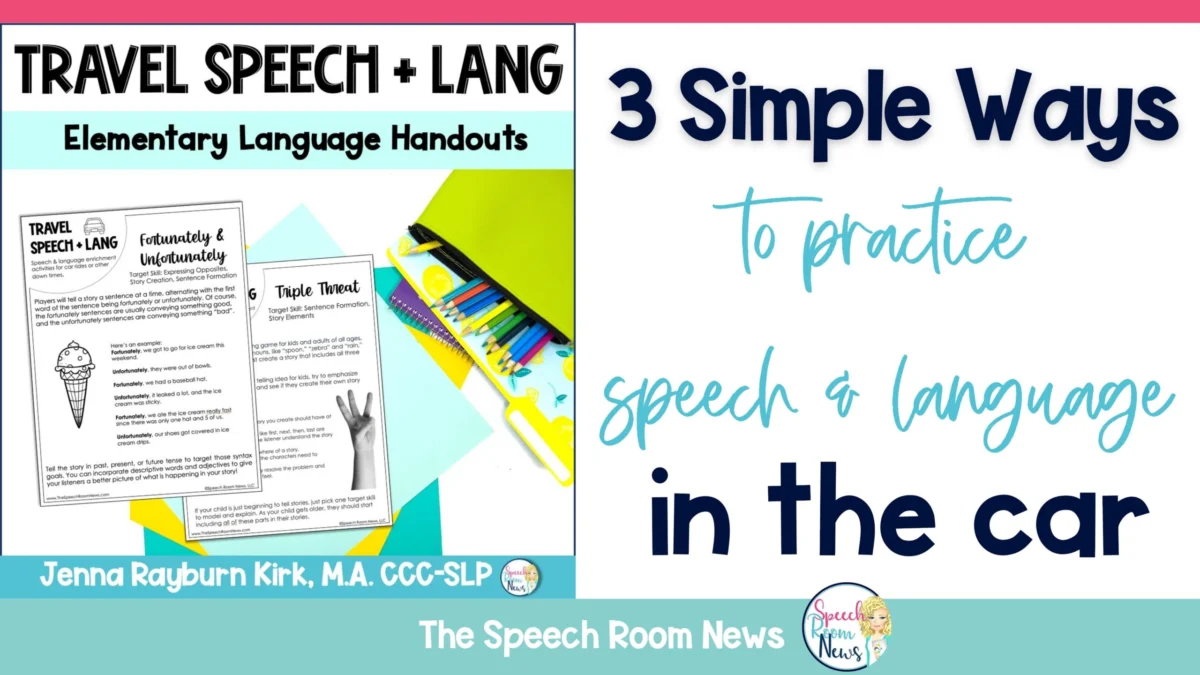
In an increasingly demanding world where time is a precious commodity, parents and educators are continually seeking innovative strategies to foster children’s developmental milestones. One often-overlooked yet highly effective environment for nurturing speech and language skills is the daily car commute. What might typically be seen as a period of passive transit, often filled with screen time or boredom, is now being recognized by speech-language pathology experts as a unique and valuable opportunity for intentional, naturalistic learning. This shift in perspective highlights the potential to transform routine journeys into dynamic learning sessions, directly addressing the challenges many families face in integrating therapeutic practices into their busy schedules.
The Critical Need for Speech and Language Development Support
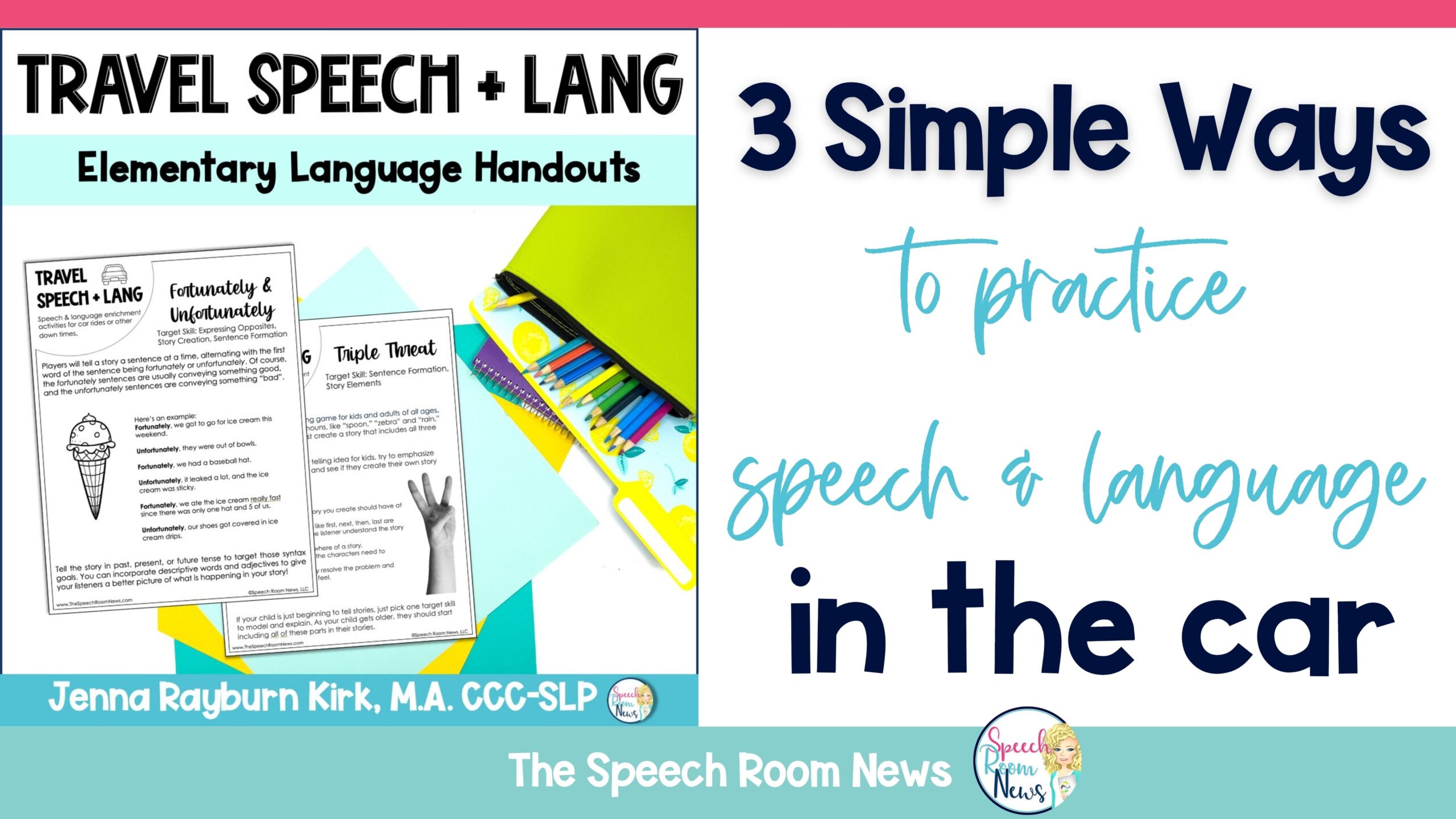
Speech and language development is fundamental to a child’s overall cognitive, social, and academic success. Early acquisition of these skills lays the groundwork for literacy, critical thinking, problem-solving, and effective interpersonal communication. However, a significant number of children experience delays in these areas. According to the National Institute on Deafness and Other Communication Disorders (NIDCD), approximately 5% of children in the U.S. have a noticeable speech disorder, and 6-8% of preschool-aged children have a language disorder. These statistics underscore the pervasive nature of these challenges and the imperative for timely and consistent intervention.
Research consistently demonstrates that early intervention for speech and language delays can profoundly impact a child’s long-term outcomes, potentially mitigating future academic struggles, social difficulties, and emotional challenges. The American Speech-Language-Hearing Association (ASHA) advocates for a collaborative approach, emphasizing the crucial role of parents and caregivers in supporting their child’s communication development outside of formal therapy settings. Yet, the reality for many families involves juggling work, school, extracurricular activities, and other responsibilities, making it difficult to carve out dedicated time for structured speech and language practice. This is where the concept of "incidental learning" within routine activities, such as car rides, gains significant traction.
The Unconventional Classroom: Why the Car is an Ideal Learning Space
While seemingly counterintuitive, the confined and often predictable environment of a car offers several distinct advantages for speech and language practice. One of the primary benefits cited by speech-language pathologists (SLPs) is the reduction of external distractions. Unlike a bustling home environment or a classroom, the car typically limits access to toys, television, or other stimulating elements, thereby creating a more focused interaction space between parent and child. This concentrated attention fosters deeper engagement in verbal exchanges and activities.
Furthermore, car rides inherently promote a natural back-and-forth rhythm of communication. Parents and children are positioned to easily engage in conversation, observation, and shared experiences. As a child observes passing scenery, road signs, and other vehicles, there’s a natural context for vocabulary expansion, descriptive language, and narrative development. A 2018 study published in the Journal of Speech, Language, and Hearing Research highlighted the importance of responsive parental interaction in naturalistic settings for language acquisition, reinforcing the value of such everyday opportunities. Moreover, for many children, the car ride can be a source of boredom, making structured, engaging language games a welcome diversion that transforms a monotonous journey into an enjoyable and productive learning experience. This transforms potential screen time into valuable face-to-face interaction, a critical element in developing robust communication skills in an increasingly digital world.
Expert Endorsement: Bridging Clinic and Commute

Speech-language pathologists are increasingly advocating for the integration of therapeutic strategies into daily routines, a concept known as "generalization of skills." Sarah Miller, a seasoned SLP with over 15 years of experience in pediatric therapy, states, "Our goal in the clinic is to teach skills, but true success lies in how well those skills transfer to a child’s everyday life. Car rides are an untapped goldmine for this. They offer a low-pressure, familiar environment where parents can practice without feeling like they’re adding another chore to their day. It’s about turning passive travel into active learning."
Another expert, Dr. Emily Chen, a developmental psychologist specializing in child communication, adds, "The beauty of these car-based activities is their naturalistic approach. Children learn best when engaged in meaningful, interactive experiences. These games aren’t just drills; they are opportunities for shared attention, turn-taking, and creative expression, all of which are critical components of holistic language development." This expert consensus underscores the pedagogical soundness of these seemingly simple activities, validating their potential as a supplementary tool for formal therapy and general language enrichment.
Transforming Travel into Learning: Three Proven Strategies
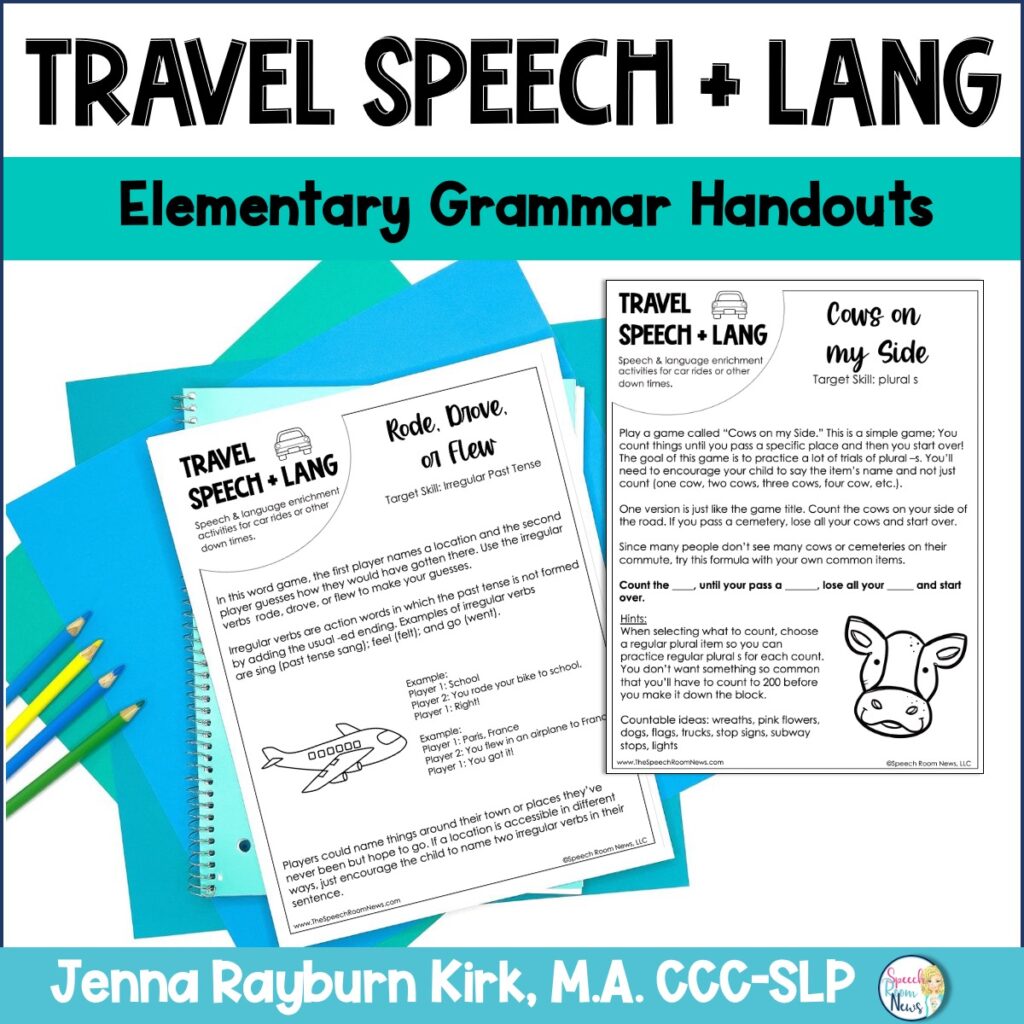
The following strategies, often recommended by SLPs, exemplify how parents can effectively integrate speech and language practice into car rides, addressing various developmental targets. These are not exhaustive but serve as excellent starting points for families seeking to maximize their commute time.
-
The "Grocery Game": Cultivating Question Formation and Semantic Networks
- Objective: To improve question formation, develop inferential reasoning, and expand semantic vocabulary.
- How to Play: One player secretly chooses an item typically found in a grocery store. Other players take turns asking yes/no questions to guess the item. Examples include: "Is it in the produce aisle?" "Is it a type of fruit?" "Do you eat it for breakfast?" "Does it melt?" The player who guesses correctly then chooses the next item.
- Developmental Focus: This game directly targets syntax, specifically the correct word order for asking questions (e.g., auxiliary verbs like "do," "is," "can"). For children struggling with question formulation, this provides structured, repetitive practice. Beyond syntax, it significantly enhances semantic skills. Children must categorize items (e.g., fruits, vegetables, dairy), identify their functions (e.g., "Do you cut it?"), describe attributes (e.g., "Is it crunchy?"), and understand associations (e.g., "Does it go with toast?"). These skills are vital for vocabulary acquisition and comprehension. Furthermore, it encourages auditory processing as children listen carefully to the clues and formulate logical follow-up questions.
- Enrichment: To increase complexity, players can be encouraged to use "wh-" questions (e.g., "What color is it?"), once they master yes/no questions. For children working on articulation, specific grocery categories can be chosen that heavily feature their target sounds (e.g., "fruits" for /f/ or /r/ sounds).
-
"Red Light Race": A Dynamic Approach to Articulation and Auditory Bombardment
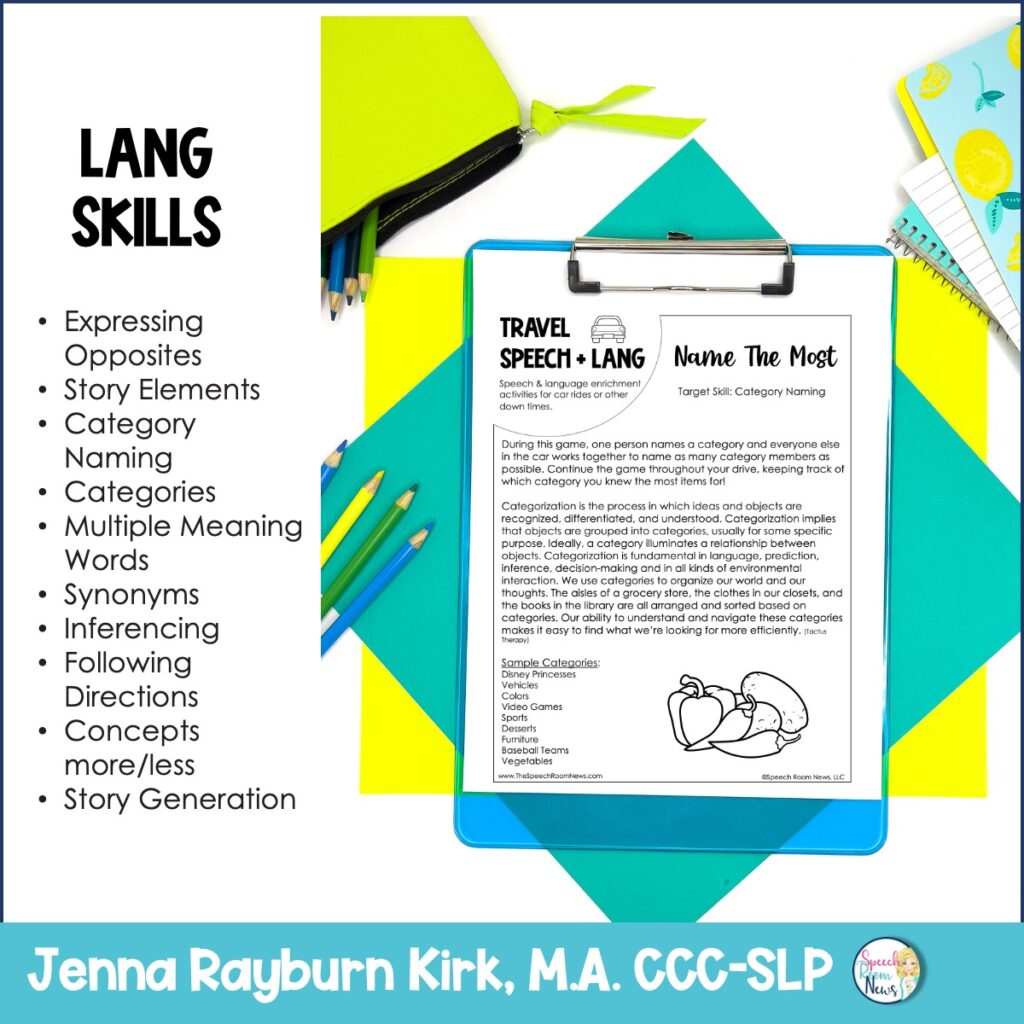
- Objective: To practice articulation of specific speech sounds and enhance phonological awareness through auditory bombardment.
- How to Play: When the car stops at a red light, players take turns naming as many items as possible within a chosen category, ensuring each item includes a specific target sound. For instance, if the target sound is /s/, the category might be "animals," leading to responses like "snake," "spider," "seal." One person names, the other counts. The adult should model the target sound clearly and frequently, demonstrating correct pronunciation.
- Developmental Focus: This activity is particularly effective for children undergoing articulation therapy. Auditory bombardment, where the child is repeatedly exposed to the target sound, helps them develop a clearer internal representation of the sound, improving their ability to produce it correctly. The game encourages phonological awareness by drawing attention to specific sounds within words. By categorizing, children also reinforce semantic organization. The time constraint of the red light adds an element of fun and mild pressure, stimulating quick recall and verbal fluency.
- Enrichment: Categories can be tailored to the child’s age and interests (e.g., "foods," "things in a house," "professions"). For children working on sounds at different word positions, the game can be modified to focus on initial, medial, or final sounds. For example, "Name things that start with /k/." This game also naturally builds vocabulary within specific semantic fields.
-
"Triple Threat": Cultivating Narrative Skills and Creative Expression
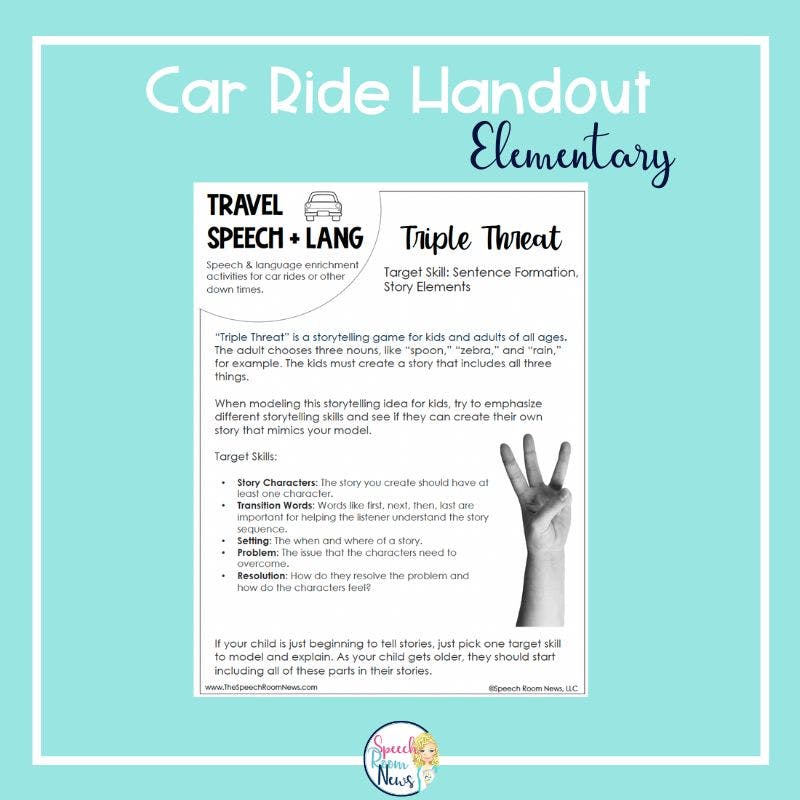
- Objective: To develop sentence formation, story retell abilities, sequencing, and imaginative thinking.
- How to Play: An adult provides three unrelated nouns (e.g., "dog," "milk," "bike"). The child’s task is to create a short story that incorporates all three items. The sillier the story, the better! Players can take turns adding to a collaborative story or creating individual narratives.
- Developmental Focus: This game is a powerhouse for language development, particularly targeting narrative skills, which are crucial for academic success (e.g., reading comprehension, writing). It encourages children to move beyond simple sentences and construct more complex grammatical structures as they weave a coherent (or hilariously incoherent) plot. Skills practiced include:
- Sentence Formation: Combining words into grammatically correct and meaningful sentences.
- Story Grammar: Understanding and applying elements of a story such as characters, setting, problem, actions, and resolution.
- Sequencing: Arranging events in a logical order.
- Vocabulary Integration: Using the given nouns creatively within a narrative context.
- Inferencing and Prediction: As stories unfold, children might infer character motivations or predict outcomes.
- Enrichment: To scaffold the activity, parents can start with two nouns and gradually increase to three or more. For children who struggle with generating ideas, the adult can start the story and the child continues. This game also allows for the practice of conjunctions (e.g., "and," "but," "because") and temporal words (e.g., "first," "then," "finally").
Broader Implications: Beyond Speech and Language
The implications of integrating speech and language activities into car commutes extend beyond direct communication skill development. Firstly, these practices foster stronger parent-child bonding. Shared activities, especially those that involve creativity and laughter, create positive emotional experiences and reinforce the parent as a supportive learning partner. This dedicated, unplugged time also naturally reduces screen time, addressing growing concerns about the impact of excessive digital engagement on child development, particularly on attention spans and social interaction skills.
Secondly, these methods empower parents. Many parents of children with speech or language delays feel overwhelmed or unsure how to best support their child outside of therapy sessions. Providing simple, practical, and effective strategies for everyday environments demystifies the therapeutic process and equips them with tools to make a tangible difference. This sense of empowerment can reduce parental stress and enhance their confidence in nurturing their child’s development.
Thirdly, this approach promotes intrinsic motivation for learning. By framing language practice as a game rather than a chore, children are more likely to engage willingly and view communication as an enjoyable activity. This playful approach can cultivate a lifelong love of language and learning. For children who might otherwise feel frustrated or self-conscious about their communication challenges, these informal, low-stakes games provide a safe space for practice and success.
The Role of Professional Resources and Support
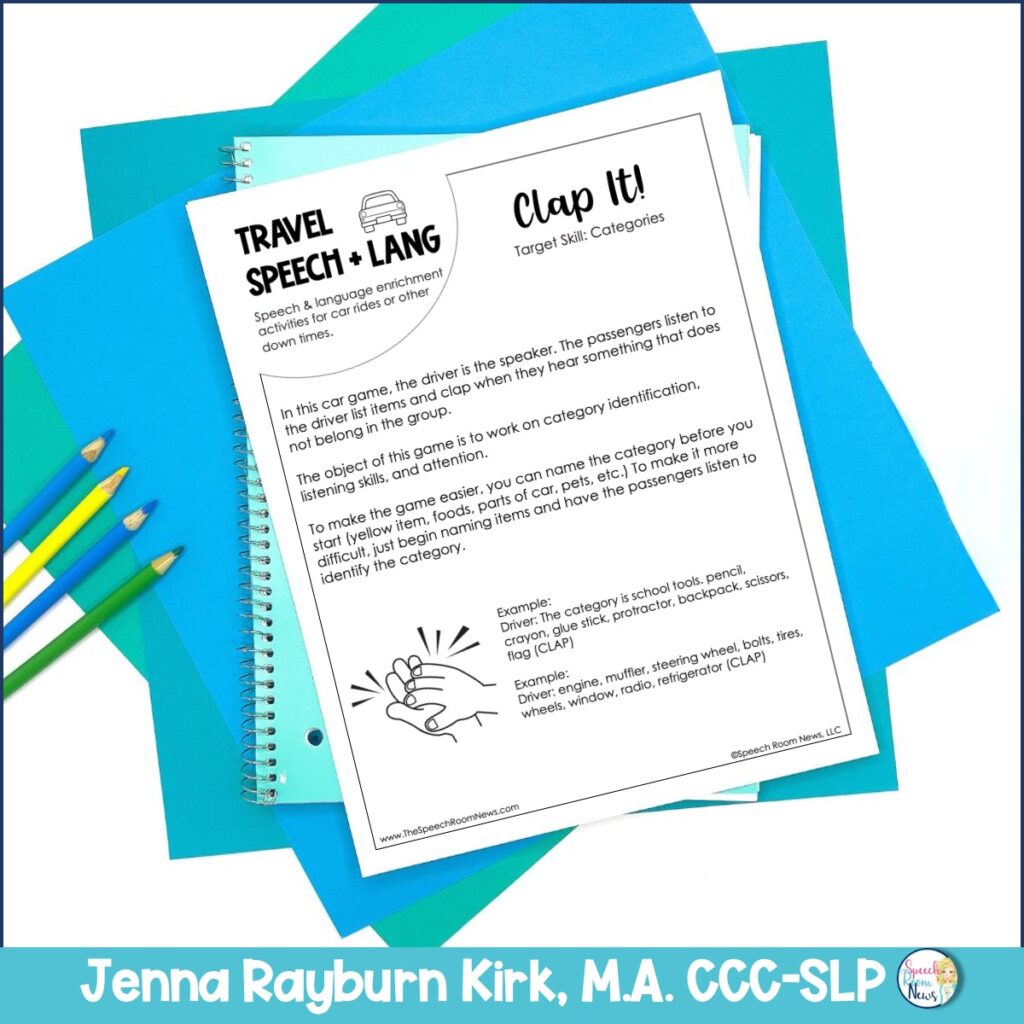
For speech-language pathologists and parents seeking structured guidance, resources like the "Travel Speech and Language Bundle" mentioned in the original context play a crucial role. These bundles typically provide a comprehensive collection of parent handouts, game ideas, and explanations, enabling SLPs to easily disseminate practical home-practice strategies. Such resources ensure consistency in therapeutic approaches and offer parents a diverse toolkit of activities tailored to various speech and language goals.
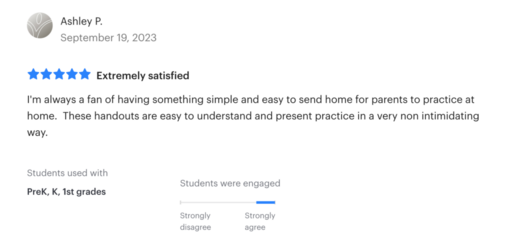
"I found the Travel Bundle invaluable," remarks Maria Rodriguez, an SLP practicing in a busy urban school district. "It gives parents concrete, easy-to-understand examples of how to continue our work in a natural setting. They appreciate having something tangible they can refer to, especially on long drives or during unexpected waits." This feedback highlights the practical utility of well-designed professional resources in bridging the gap between clinical intervention and daily life. Access to free samples, as offered by The Speech Room News’s resource library, further lowers the barrier for parents and professionals to explore these effective methods.
Conclusion
The daily car commute, often perceived as merely transit time, holds significant untapped potential for enriching children’s speech and language development. By embracing simple, engaging activities like the "Grocery Game," "Red Light Race," and "Triple Threat," parents can transform mundane journeys into vibrant learning opportunities. This approach not only addresses specific speech and language goals but also strengthens parent-child bonds, reduces screen time, and empowers families to actively participate in their child’s developmental journey. As experts continue to advocate for naturalistic and integrated learning environments, the car emerges as an unconventional yet highly effective classroom, underscoring the profound impact of intentionality in everyday moments on a child’s communication prowess and overall well-being.
