


Curriculum Night, a cornerstone event in the academic calendar, serves as a pivotal opportunity for Speech-Language Pathologists (SLPs) to transcend their clinical roles and actively engage with parents, illuminating the crucial impact of speech and language therapy within the broader educational framework. This evening is not merely a formality; it is a strategic platform for SLPs to showcase their specialized contributions, demystify complex therapeutic processes, and forge robust partnerships that are fundamental to student success. The proactive engagement of SLPs during Curriculum Night transforms a routine school event into a vital avenue for communication, collaboration, and comprehensive student support.
Understanding Curriculum Night: A Broader Educational Context
Traditionally, Curriculum Night is designed for parents to visit their child’s classroom, meet teachers, and gain insight into the academic curriculum, classroom routines, and expectations for the upcoming school year. It aims to foster a sense of community, transparency, and shared responsibility between home and school. For general education teachers, it’s a chance to explain teaching philosophies and course objectives. However, for specialists like SLPs, school psychologists, occupational therapists, and physical therapists, the event offers a unique challenge and opportunity: to articulate the specialized curriculum they provide, which often occurs outside the traditional classroom setting, and to connect it directly to the child’s overall educational journey and daily life.

The significance of parental involvement in education, particularly in special education, cannot be overstated. Research consistently demonstrates a strong correlation between active parent engagement and improved academic outcomes, enhanced social-emotional development, and greater overall student achievement. For children receiving speech and language services, this involvement extends beyond academic subjects to encompass the foundational skills of communication, which underpin all learning and social interaction.
The Evolving Role of Speech-Language Pathologists in Education
The role of SLPs in educational settings has evolved significantly over the past several decades, moving from a more isolated, pull-out service model to an integrated, collaborative approach. Landmark legislation such as the Education for All Handicapped Children Act of 1975, later reauthorized as the Individuals with Disabilities Education Act (IDEA), mandated free appropriate public education (FAPE) for children with disabilities, emphasizing parental rights and involvement in the individualized education program (IEP) process. This legislative framework underscored the necessity of SLPs not only delivering direct therapy but also serving as vital resources and advocates for families.
Today, SLPs are integral members of school-based teams, addressing a wide range of communication disorders, including articulation, fluency, voice, language (receptive and expressive), pragmatics, and feeding/swallowing. Their work directly impacts a student’s ability to access the curriculum, participate in classroom activities, develop social relationships, and ultimately, succeed in school and beyond. Curriculum Night provides an invaluable moment to illustrate these multifaceted contributions to a broader parent audience who might otherwise only interact with the SLP during formal IEP meetings or sporadic check-ins.

Strategic Topic Selection: Addressing Real Parental Concerns
The effectiveness of an SLP’s Curriculum Night presentation hinges critically on the selection of a relevant and engaging topic. Rather than a general overview of speech therapy, a targeted approach that addresses common parental concerns or offers practical solutions resonates more deeply. Educational psychologists and communication specialists emphasize that parents often seek tangible strategies they can implement at home. For example, a presentation on "Decoding Your Child’s Communication Milestones" could offer a chronological guide to typical speech and language development, helping parents identify areas where their child might need additional support.
Other impactful topics could include "Effective Home Practice Strategies for Speech Sound Production," which provides parents with specific activities and games to reinforce therapy goals, or "Fostering Social Communication Skills in Everyday Interactions," which tackles pragmatic language development. In a previous district, a special education preschool program effectively segmented its Curriculum Night into various topics like "Communication," "Play," "Behavior," and "Sensory," allowing parents to choose sessions most pertinent to their child’s needs. This model demonstrated a high degree of success in fostering communication and collaboration by directly responding to expressed parental interests and concerns. The American Speech-Language-Hearing Association (ASHA) consistently advocates for family-centered practice, emphasizing that interventions are most effective when parents are informed partners in the therapeutic process.
Demystifying Jargon: The Imperative of Parent-Friendly Language
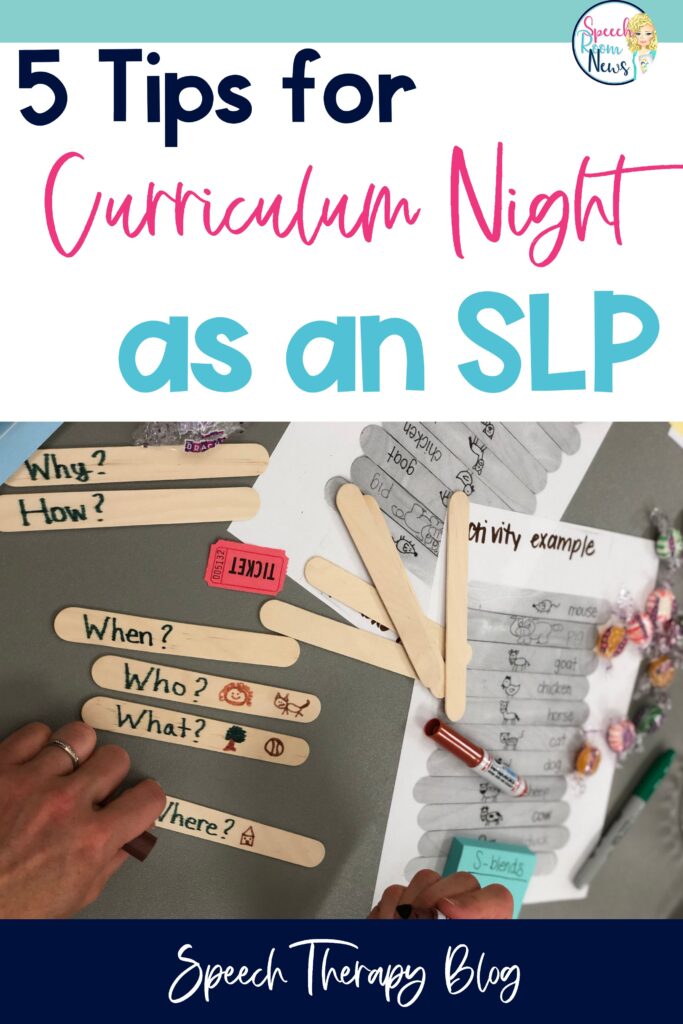
One of the most significant barriers to effective communication between professionals and parents in special education is the pervasive use of jargon and acronyms. Terms like "IEP," "articulation disorder," "expressive language delay," "pragmatics," or "augmentative and alternative communication (AAC)" are commonplace for SLPs but can be utterly bewildering to parents, many of whom are navigating the special education system for the first time. The feeling of being lost or overwhelmed in a presentation due to incomprehensible terminology can disengage parents and undermine the very purpose of Curriculum Night.
To counteract this, SLPs must consciously adopt parent-friendly language, simplifying complex concepts without condescension. A practical guideline is to explain concepts as if addressing a fifth grader, ensuring clarity and accessibility. For instance, instead of saying "Your child presents with a phonological process disorder characterized by fronting and stopping," an SLP could explain, "Your child is having trouble making certain sounds, like saying ‘tat’ instead of ‘cat,’ or ‘top’ instead of ‘stop.’ We’re working on helping them learn to use those sounds correctly." This approach builds trust, empowers parents with understanding, and positions the SLP as a guiding professional rather than an impenetrable expert. Research on health literacy highlights that clear communication directly correlates with better patient (or in this case, student) outcomes because informed caregivers are better equipped to support interventions.
Empowering Through Interaction: The "Make and Take" Activity
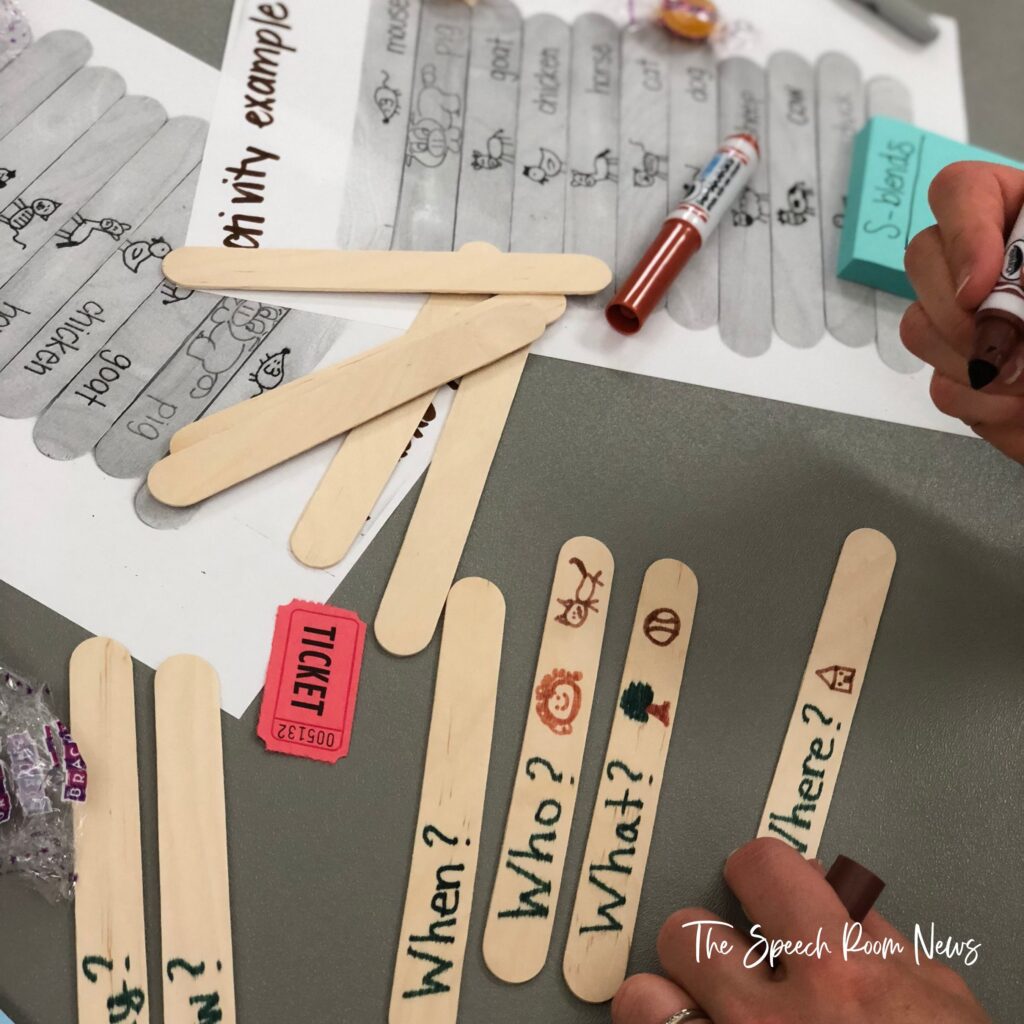
Beyond didactic presentations, incorporating an interactive "Make and Take" activity can significantly enhance parental engagement and provide practical, lasting value. This hands-on approach allows parents to create tangible tools they can immediately use at home to support their child’s speech and language development. Such activities bridge the gap between abstract therapeutic concepts and concrete, everyday application.
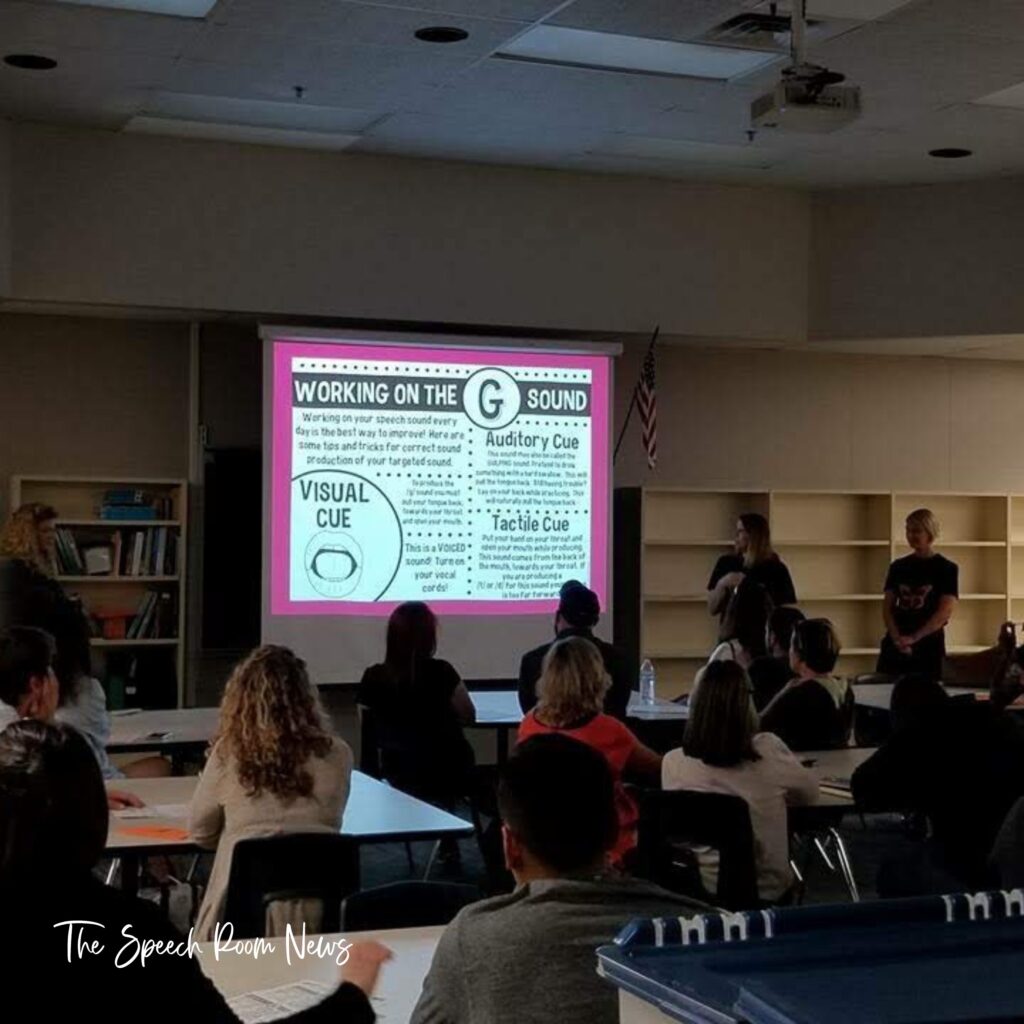
For example, an SLP might guide parents in crafting simple communication boards using pictures for non-verbal children, assembling "wh-question sticks" to practice asking and answering questions, or creating personalized visual schedules to support routine and language comprehension. These resources serve multiple purposes: they reinforce the strategies discussed during the presentation, provide parents with practical materials, and foster a sense of active participation in their child’s therapeutic journey. Studies on adult learning indicate that experiential activities lead to higher retention rates and greater perceived utility. The act of creating something with their own hands makes the information more memorable and the tools more likely to be used, thereby reinforcing the importance of the parents’ role as co-therapists in the home environment.
Sustaining Engagement: The Power of Informative Handouts
Even the most engaging presentation can be forgotten without a tangible reminder. Providing informative handouts is a simple yet powerful strategy to ensure parents leave Curriculum Night with a lasting reference. These handouts should serve as a concise summary of key discussion points, practical strategies, and valuable resources.
Effective handouts might include:
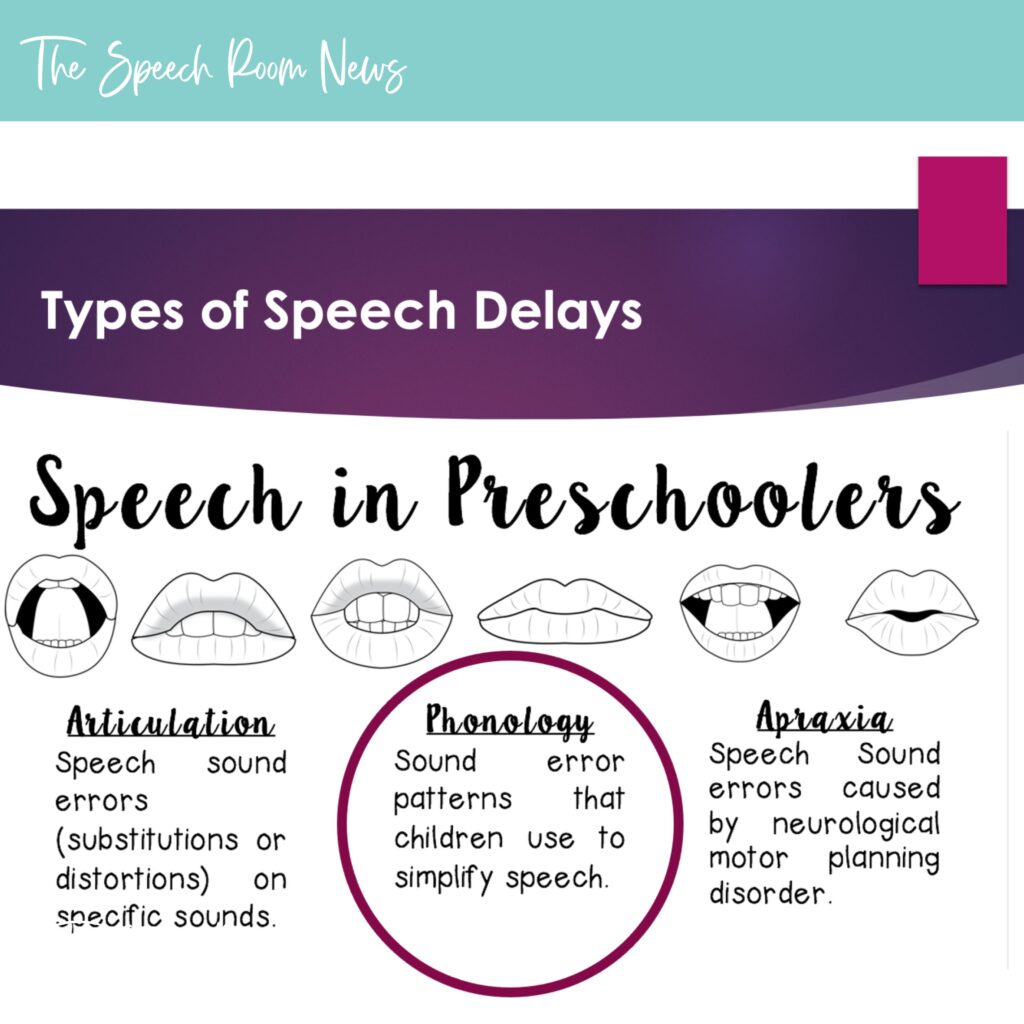
- Key Milestones: A checklist or brief overview of age-appropriate communication milestones.
- Home Practice Ideas: Simple, actionable activities parents can integrate into daily routines.
- FAQs: Answers to commonly asked questions about speech and language development or therapy.
- Recommended Resources: Links to reputable websites (e.g., ASHA, Reading Rockets), book lists, or apps.
- Contact Information: Clear details on how parents can reach the SLP for further questions or concerns.
These materials transform fleeting information into a durable resource, allowing parents to revisit concepts at their leisure and integrate strategies more effectively. They also demonstrate the SLP’s commitment to ongoing support and open communication, reinforcing the collaborative partnership essential for student progress. Offering a dedicated section of readily available parent handouts, perhaps through a platform like TeachersPayTeachers, further streamlines this process for busy SLPs.
Broader Impact and Implications: Strengthening the Educational Ecosystem
The diligent preparation and execution of an SLP’s Curriculum Night presentation yield far-reaching implications beyond individual parent-therapist interactions. Successfully engaging parents at this event contributes to:
- Enhanced Student Outcomes: When parents understand therapy goals and strategies, they can consistently reinforce these at home, leading to faster progress and better generalization of skills. This consistent support creates a more immersive therapeutic environment for the child.
- Increased Parent Advocacy and Empowerment: Informed parents are empowered advocates. They are better equipped to participate meaningfully in IEP meetings, ask pertinent questions, and ensure their child receives appropriate services. This reduces feelings of isolation and frustration often experienced by parents navigating special education.
- Elevated Professional Profile of SLPs: By actively participating and delivering valuable content, SLPs elevate their visibility and professional standing within the school community. They are recognized not just as therapists but as essential educators and critical partners in the overall success of students. This can foster greater interdisciplinary collaboration with teachers and administrators.
- Improved Home-School Communication: Curriculum Night opens a direct line of communication, fostering a relationship built on trust and mutual understanding. This proactive engagement can pre-empt misunderstandings and facilitate smoother communication throughout the school year.
- Resource Optimization: When parents are better informed and equipped, they may require less reactive intervention from SLPs, allowing SLPs to optimize their caseload management and focus on more intensive therapy needs.
Challenges and Future Directions
While the benefits are clear, SLPs may face challenges such as limited preparation time, large caseloads, and varying levels of parental attendance. Future innovations might include offering virtual Curriculum Night components for greater accessibility, leveraging multimedia tools for engaging presentations, and collaborating with other special education professionals to offer combined, interdisciplinary sessions. The goal remains to continually refine strategies that maximize parent engagement and underscore the invaluable role of speech and language pathology in comprehensive student development.
In conclusion, Curriculum Night represents a profound opportunity for Speech-Language Pathologists to connect with the very heart of their mission: supporting children’s communication development by empowering their families. By selecting pertinent topics, communicating clearly, offering practical tools, and providing lasting resources, SLPs can transform this annual event into a powerful catalyst for collaboration, understanding, and ultimately, greater success for every student they serve. This commitment to parental partnership solidifies the SLP’s vital role as an indispensable cornerstone of the educational ecosystem.
