

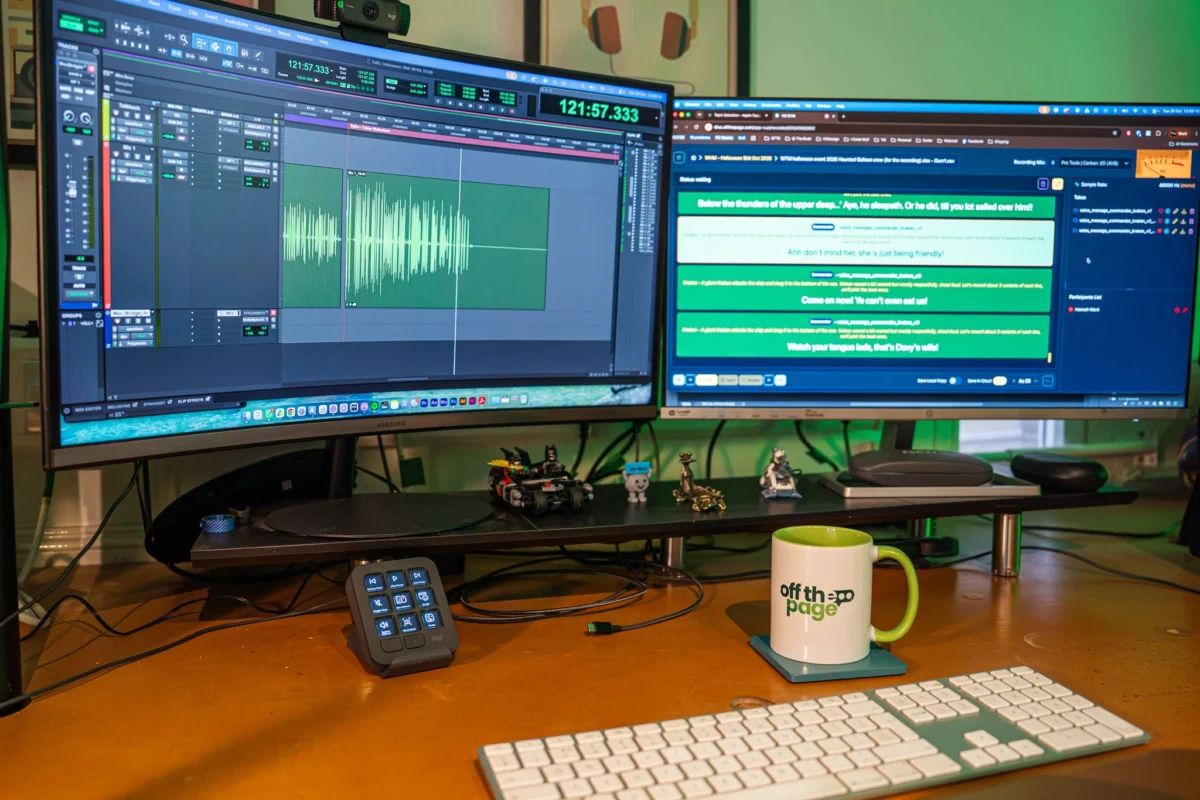
The seemingly simple act of exporting an audio file from a Digital Audio Workstation (DAW) can present a surprisingly complex dilemma for voice actors and audio professionals: the choice between mono and stereo. This decision, often made in the final moments of a recording session, carries significant implications for file size, workflow efficiency, and the ultimate quality of the final product. While the temptation to default to stereo for its perceived richness is understandable, a nuanced understanding of audio principles reveals that the correct choice hinges entirely on the content of the recording itself.
At its core, the distinction between mono and stereo lies in the number of independent audio channels. Monaural audio, or mono, is designed to be played back through a single channel. Regardless of the playback system—whether it’s high-fidelity headphones, a smartphone speaker, or a large public address system—the identical audio signal is delivered to all speakers simultaneously. This results in a sound experience that is perceived as emanating from a single point, typically centered in the listener’s auditory space. Stereo, on the other hand, utilizes two distinct and independent channels: left and right. This allows for the creation of a spatial audio image, where sounds can be positioned, moved, and manipulated across the listening field, generating a sense of width, depth, and immersion.
The human voice, in its natural state, is an inherently monaural phenomenon. When an individual speaks, they do so through a single vocal apparatus, and this sound is captured by a single microphone capsule. This process generates a singular channel of electrical audio signal. The confusion often arises because most DAWs are capable of exporting a single vocal track into a two-channel stereo file. In such cases, the DAW simply duplicates the mono signal onto both the left and right channels of the stereo file, creating a file that is functionally identical to a mono export in terms of content, but with double the data.
Understanding this fundamental difference is key to making the correct export decision. The prevailing industry standard, particularly for voice-only recordings, dictates a clear protocol designed to streamline post-production workflows and ensure optimal client satisfaction.
The Golden Rule: Single Voice Recordings Demand Mono Export
The most critical guideline in voiceover export is unambiguous: if the recording consists solely of a single voice track with no accompanying music, sound effects, or spatial audio processing, it should always be exported as a mono file. This applies to a vast array of common voiceover applications, including:
- Auditions and Self-Taped Readings: When submitting a dry vocal performance for consideration, the focus is on the clarity and quality of the voice itself.
- Audiobook Chapters: For platforms like ACX (Audiobook Creation Exchange) and Findaway Voices, which have stringent technical specifications, unaccompanied voice chapters are mandated to be mono.
- Corporate Narration and Explainer Videos: When the client intends to handle the mixing and integration of music and sound effects themselves, providing a clean mono vocal track is essential.
- Basic Voiceover Demos: Early-stage demos or those intended for simple vocal showcase purposes often benefit from a mono export.
The rationale behind this rule is multifaceted, offering significant advantages to both the voice actor and the downstream audio engineer.
Efficiency and Cost Savings: Reducing File Size and Transfer Times
One of the most immediate and tangible benefits of exporting voice-only files as mono is the reduction in file size. When a mono audio file is unnecessarily exported as stereo, the DAW duplicates the audio data. This effectively doubles the size of the file without adding any new sonic information. For voice actors who regularly handle large projects, such as multi-chapter audiobooks or extensive interactive voice response (IVR) systems with hundreds of prompts, this doubling of file size can have a substantial impact. It leads to longer upload and download times, consumes more storage space on hard drives and cloud storage services, and can ultimately increase project costs associated with data transfer. A 100MB mono file becomes a 200MB stereo file, a disproportionate increase for no sonic gain. Industry data from cloud storage providers like Dropbox indicates that file transfer times are directly proportional to file size, meaning unnecessarily large files can add hours to project completion timelines.
Streamlining Post-Production: Empowering the Audio Engineer
Perhaps the most significant advantage of exporting voice-only recordings in mono lies in its impact on the post-production process. Audio engineers, whether they are sound designers, mixers, or producers, rely on clean, well-organized audio assets to perform their work efficiently. When a mono voice recording is delivered as a stereo file, it presents an immediate workflow hurdle. The engineer must then take the extra step of splitting the stereo track into dual mono, deleting one of the identical channels, and then re-centering the remaining mono track. This is a manual, time-consuming process that can be perceived as a lack of technical understanding on the part of the sender.
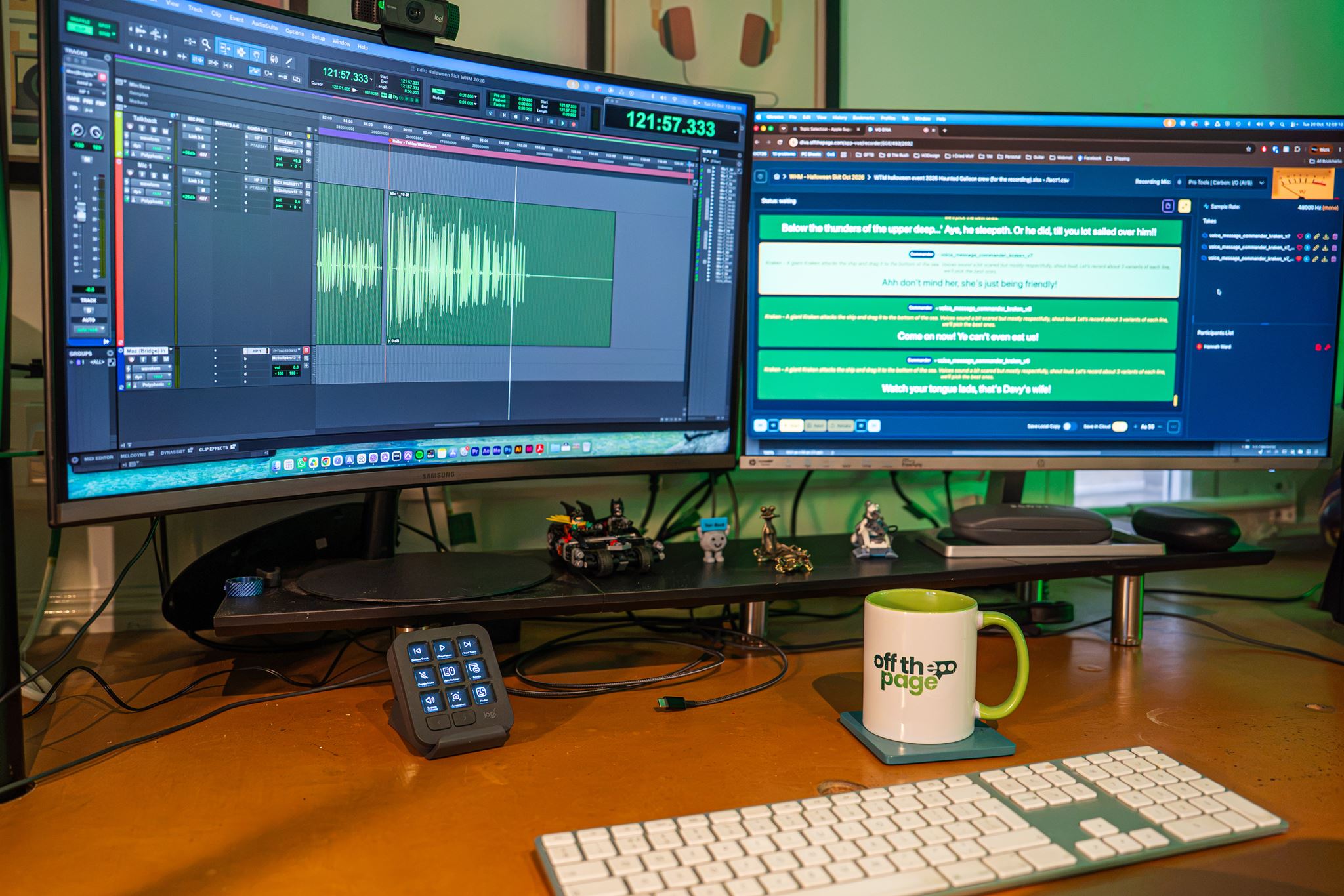
Conversely, a mono export places the voice actor’s performance onto a single, dedicated channel. This allows the audio engineer complete flexibility in manipulating the voice within the stereo soundscape. They can easily pan the voice to the left or right to match visual cues in a video, center it for a commercial, or apply stereo effects as needed, all with a simple adjustment of the pan pot. This flexibility is crucial for achieving the desired sonic balance and spatial placement within a larger production. Reports from audio mixing forums frequently highlight instances where a client’s inability to provide correctly formatted mono files for voiceover has led to frustration and delays, sometimes impacting project deadlines. This practice of delivering clean, correctly formatted files is a hallmark of a seasoned professional.
When Stereo is Essential: Embracing Spatial Audio and Complex Productions
While mono is the default for single voice tracks, stereo export becomes not just appropriate but absolutely necessary when the recording incorporates genuine stereo elements or spatial information. The decision to export in stereo is driven by the need to preserve the inherent spatial characteristics of the audio.
Fully Produced Demos and Commercial Spots
When a voice actor is delivering a fully produced commercial spec spot or a showreel that includes a music bed, atmospheric sound effects, or intricate sound design, a stereo export is mandatory. These elements are typically mixed and engineered in stereo to create a rich, immersive listening experience. Exporting such a production as mono would result in a phenomenon known as "phase cancellation," where the left and right channels are summed together, potentially causing certain frequencies to be diminished or canceled out entirely. This would collapse the carefully crafted stereo soundscape into a narrow, often muffled, central image, stripping the production of its dynamic depth and overall impact. The loss of width and spatial separation would render the demo ineffective.
Multi-Character Scenes and Panned Performances
In audio dramas, podcast sketches, or multi-character reels where dialogue is intentionally positioned in the stereo field (e.g., one character speaking from the left, another from the right), a stereo export is crucial. This spatial information is what defines the scene and allows the listener to follow the action. If such a recording were exported as mono, all the distinct audio sources would be collapsed into a single point, causing characters to overlap and rendering the spatial cues meaningless. This would lead to listener confusion and a degraded narrative experience. For example, in a recent analysis of podcast production techniques, audio engineers emphasized that effective panning is a key differentiator in creating engaging listening experiences, a feat only possible with stereo exports for multi-source audio.
Application of Stereo Effects and Binaural Audio
Certain advanced audio techniques, such as the application of stereo chorus, ping-pong delays, or binaural audio processing, are inherently designed to create a spatial effect. Binaural audio, in particular, is engineered to be perceived in three dimensions, often through headphones, mimicking how humans process sound in real-world environments. To capture and preserve these complex spatial dimensions, a stereo export container is essential. Exporting such processed audio in mono would fundamentally alter or destroy the intended spatial characteristics, rendering the effects inert.
The Quick Decision Guide: A Practical Cheat Sheet
To assist voice actors and producers in navigating this common technical crossroads, a concise decision guide can be invaluable. When faced with the export option, consider the following:
| Project Type | What’s in the Project? | Export Setting |
|---|---|---|
| Auditions & Dry VO | Just your microphone / voice track | Mono |
| Audiobooks (ACX/Findaway) | Unaccompanied voice chapters | Mono |
| Corporate/Explainer Reads | Dry vocal track sent for client mixing | Mono |
| Commercial Demo Reels | Voice over mixed music tracks & SFX | Stereo |
| Full Podcast Production | Voices panned across a stereo soundstage with music | Stereo |
| Radio-Ready Commercials | Mastered mix with music beds, sweeps, and voice | Stereo |
Conclusion: Professionalism in Technical Detail
Mastering the distinction between mono and stereo exports is more than just a technicality; it is a fundamental aspect of professional audio production that signals competence and consideration for collaborators. For voice actors, adhering to these principles ensures that their deliverables are not only technically sound but also optimized for the workflows of audio engineers and producers.
In summary, the rule of thumb is straightforward: for any recording that consists solely of a single voice, without any music, sound effects, or deliberate spatial panning, export as mono. This decision conserves valuable storage space, accelerates file transfer times, and provides audio engineers with a clean, flexible audio asset that can be seamlessly integrated into any production. Conversely, if the recording includes music, sound effects, multiple panned voice tracks, or any form of spatial audio processing, then exporting as stereo is imperative to preserve the integrity and richness of the intended soundscape.
Ultimately, while these guidelines represent industry best practices, the most critical step remains to always consult and adhere to the specific technical specifications provided by the client or platform. In the professional realm, clear communication and diligent adherence to technical requirements are paramount, ensuring that projects are delivered smoothly and to the highest possible standard.
