

The demanding landscape of school-based speech-language pathology is witnessing a transformative shift in lesson planning methodologies, moving away from labor-intensive, individualized weekly preparations towards integrated, thematic, and resource-maximized approaches. This evolution, driven by the persistent challenge of managing substantial caseloads with diverse student needs, aims to alleviate practitioner burden while simultaneously enhancing the efficacy and relevance of therapeutic interventions. Historically, many Speech-Language Pathologists (SLPs) found themselves dedicating extensive hours to crafting bespoke lesson plans for each student, often struggling to reconcile individualized education program (IEP) goals with the practical realities of time constraints and limited resources. However, a new paradigm is emerging, championing strategies that streamline preparation without compromising the quality or personalized nature of therapy.
The Evolving Demands on School-Based SLPs
School-based SLPs operate at the nexus of education and healthcare, responsible for supporting students with a wide spectrum of communication disorders, from articulation and phonological impairments to language delays, fluency disorders, and complex communication needs. Caseloads in public schools frequently range from 40 to 80 students, each presenting with unique IEP goals that require targeted intervention. The administrative burden associated with managing these caseloads—including assessments, report writing, IEP meetings, and progress monitoring—often leaves precious little time for lesson preparation. Surveys among SLP professionals have consistently highlighted time management and excessive paperwork as primary stressors, with many reporting spending upwards of 10-15 hours per week on planning activities alone. This intensive preparation often led to burnout and reduced capacity for direct student engagement, underscoring the critical need for more efficient planning frameworks.
The traditional approach, characterized by designing 50 or more distinct lessons weekly, proved unsustainable for many. Early career SLPs, in particular, often grapple with the overwhelming task of developing materials and activities for a vast array of goals, frequently resorting to repetitive worksheet-based interventions due to time limitations. This scenario not only impacts the SLP’s professional well-being but can also limit the dynamic and engaging therapy experiences crucial for student progress. Recognizing these systemic pressures, the field has increasingly focused on developing and promoting planning strategies that foster adaptability, reusability, and curriculum alignment, ensuring that SLPs can maximize their impact while maintaining a healthy work-life balance.
Pivotal Strategies for Streamlined Speech Therapy Planning
A growing consensus among SLP leaders and practitioners points to several key approaches that have proven instrumental in streamlining lesson plans, allowing for more holistic and effective intervention. These strategies prioritize versatility, integration, and efficiency, providing a robust framework for managing complex caseloads.
1. Thematic Integration: Harnessing Cross-Curricular Relevance
One of the most impactful shifts has been the adoption of theme therapy plans. This strategy involves selecting a central theme for a week or month—such as "fall harvest," "ocean life," or "community helpers"—and then coordinating all therapeutic materials and activities around it. The significant advantage of this approach lies in its reusability and inherent alignment with general education curricula. By choosing a theme, SLPs can identify a core set of books, toys, worksheets, and crafts that can be adapted to target multiple students’ goals across various communication domains.
For instance, a "farm animals" theme might involve reading a book about farm life (targeting vocabulary, sequencing, narrative skills), playing with farm animal figurines (articulation, requesting, descriptive language), and creating a farm-themed craft (following directions, fine motor skills). This method allows SLPs to build a comprehensive library of theme-based resources that can be refined and reused year after year, reducing repetitive planning. Professional organizations and online resource platforms have seen a surge in "themed therapy kits," reflecting the widespread adoption and perceived value of this integrated planning model.
2. Literacy-Based Intervention: Weaving Language Skills into Storytelling
Literacy-based therapy plans represent another cornerstone of efficient and effective intervention. Centering sessions around high-quality picture books allows SLPs to address a multitude of speech and language goals within an engaging and familiar context. This approach is particularly beneficial for mixed groups, as books naturally lend themselves to targeting articulation, phonology, vocabulary, grammar, comprehension, and narrative skills simultaneously.
The framework typically involves:
- Pre-story knowledge activation: Encouraging students to predict, connect to prior experiences, and discuss related concepts.
- Shared story reading: Facilitating interactive reading, pausing for questions, and highlighting target linguistic structures.
- Focused-skill activities: Engaging in exercises directly derived from the book to practice specific IEP goals (e.g., identifying character emotions, sequencing events, practicing target sounds in context).
- Post-story comprehension discussion: Reviewing the narrative, summarizing, and extending learning beyond the text.
The power of literacy-based therapy is amplified when SLPs collaborate with classroom teachers to utilize books already integrated into the general curriculum. This not only reinforces academic content but also demonstrates the direct relevance of speech therapy goals to broader educational success, fostering a more cohesive learning environment. Resources for pre-made literacy companions for popular children’s books are readily available, further simplifying the preparation process.
3. Narrative Language Approach: Building Foundational Communication
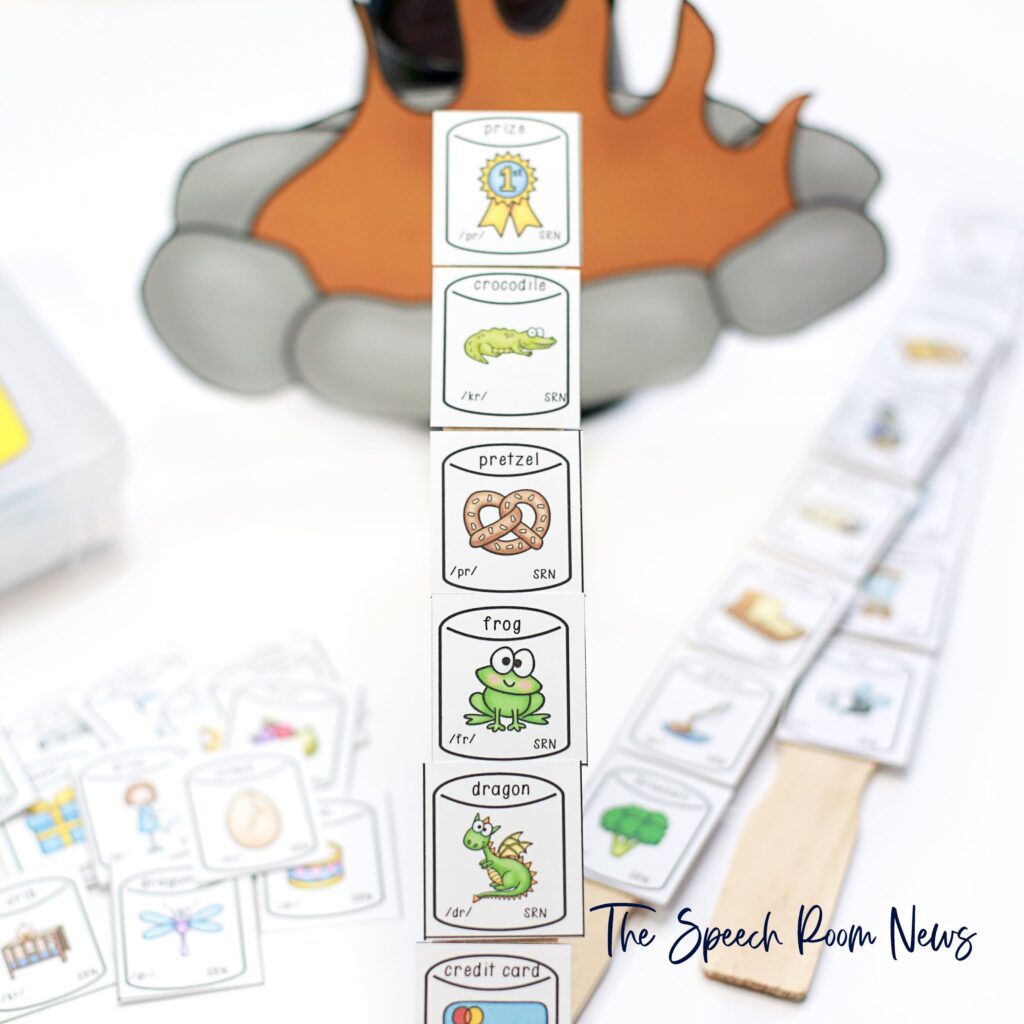
Distinct yet complementary to literacy-based therapy, the narrative language approach focuses specifically on teaching and developing storytelling skills while simultaneously addressing other speech and language targets. This method typically involves presenting multiple similar stories over time, with a strong emphasis on story retelling and generation tasks. Key components include explicit instruction in story grammar (characters, setting, initiating event, conflict, attempts, resolution, feelings) and the development of complex syntax and rich vocabulary.
The primary benefit of this approach is its direct impact on curriculum success. Strong narrative skills are foundational for reading comprehension, written expression, and effective oral communication in academic settings. By integrating narrative intervention with IEP goals, SLPs ensure that therapy directly supports critical academic competencies. The use of visual aids like "story grammar icons" helps students internalize narrative structures, making abstract concepts more concrete and accessible. This approach not only targets specific language deficits but also empowers students with a vital tool for navigating academic and social communication.
4. Multi-Goal Play: Maximizing Engagement with Single Resources
Perhaps the most intuitive and low-prep strategy involves using a single therapy toy or game to target multiple goals. This approach capitalizes on the inherent engagement of play, transforming common classroom items into versatile therapeutic tools. The beauty of this method lies in its adaptability; a single game can be manipulated to address a wide array of speech and language objectives.
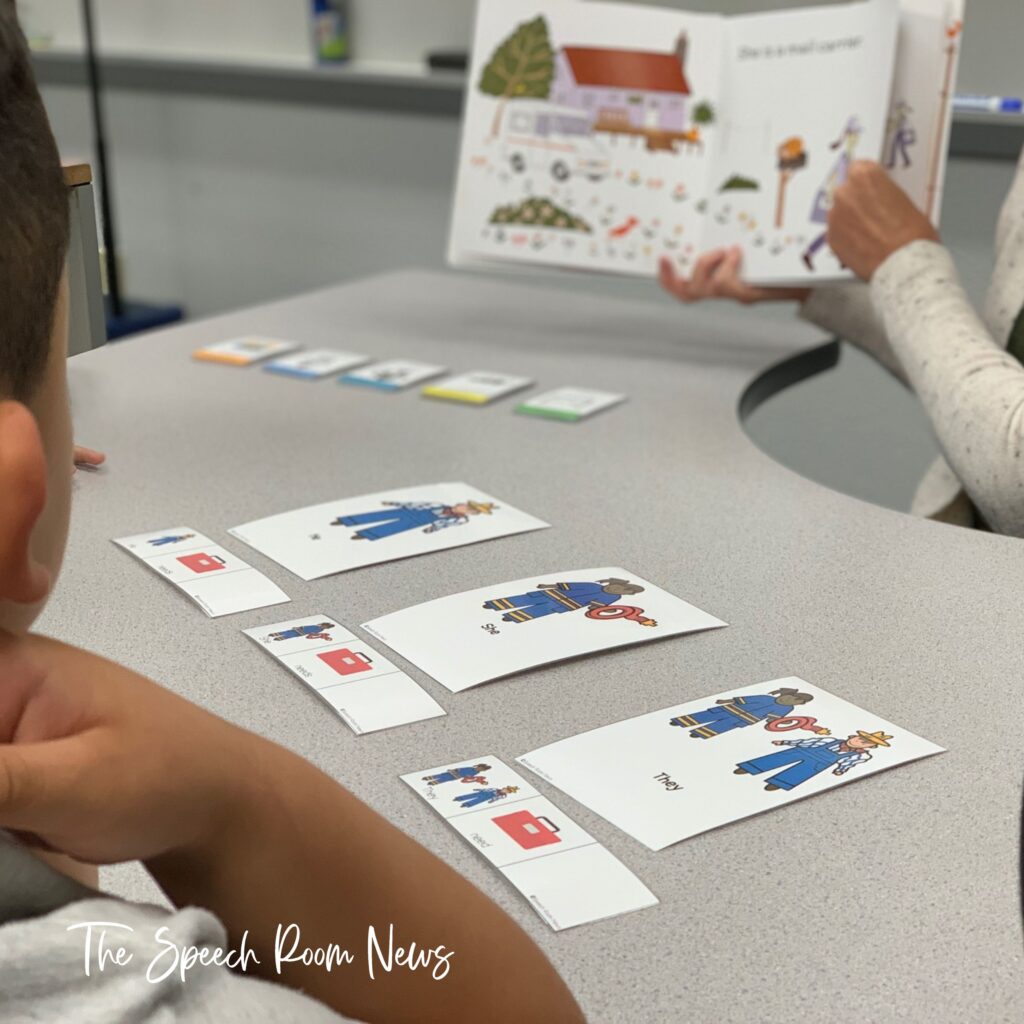
Examples abound:
- Candyland: This classic board game can be paired with custom cards to target articulation, vocabulary, requesting, describing, social language, and more. Students advance their pieces by correctly producing target sounds or answering questions related to their language goals.
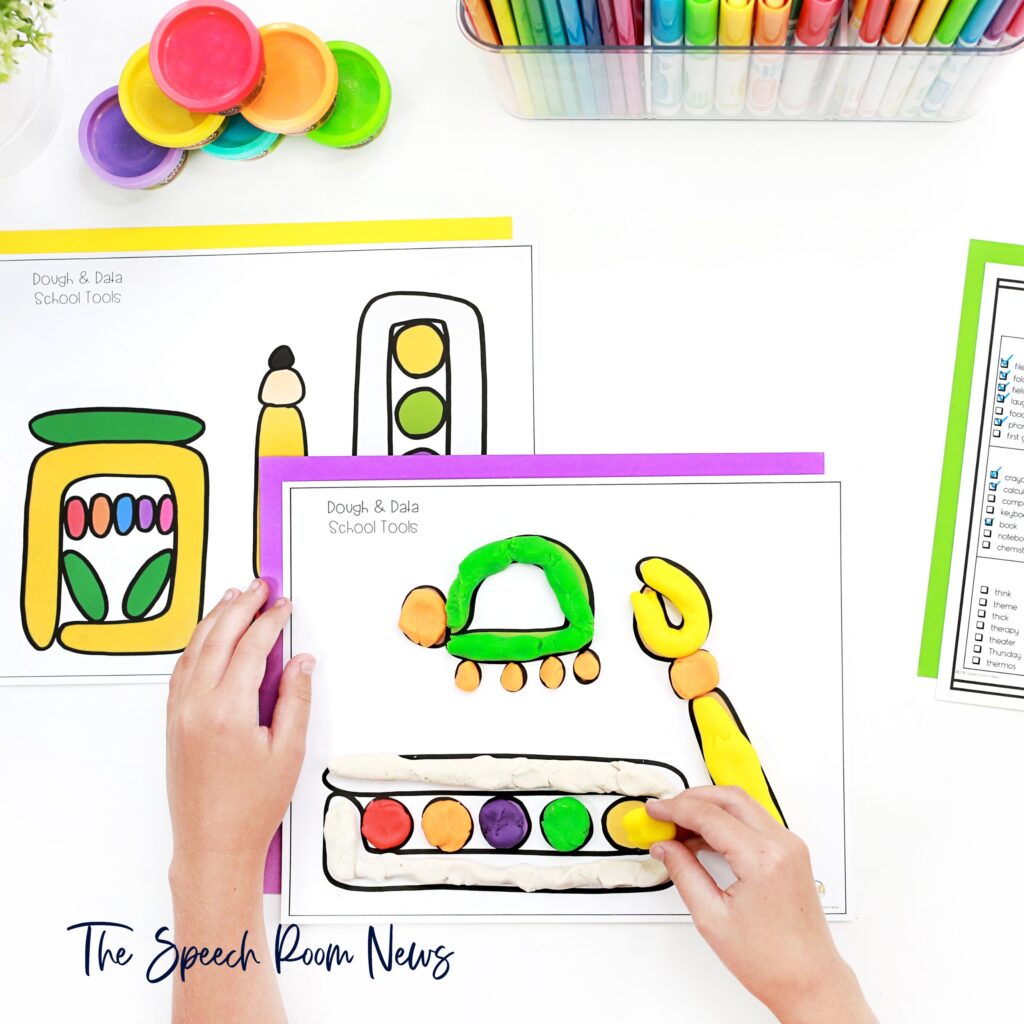
- Play-Doh: Beyond fine motor development, Play-Doh can be used for articulation practice (shaping objects that start with target sounds), vocabulary building (creating specific items), following directions, and even data collection through "Dough and Data" mats.
- Mini Objects: Small, tangible objects are incredibly versatile for targeting categorization, describing, articulation, prepositions, social interaction, and semantic features. Their portability and novelty keep students engaged and allow for hands-on learning across various goal areas.
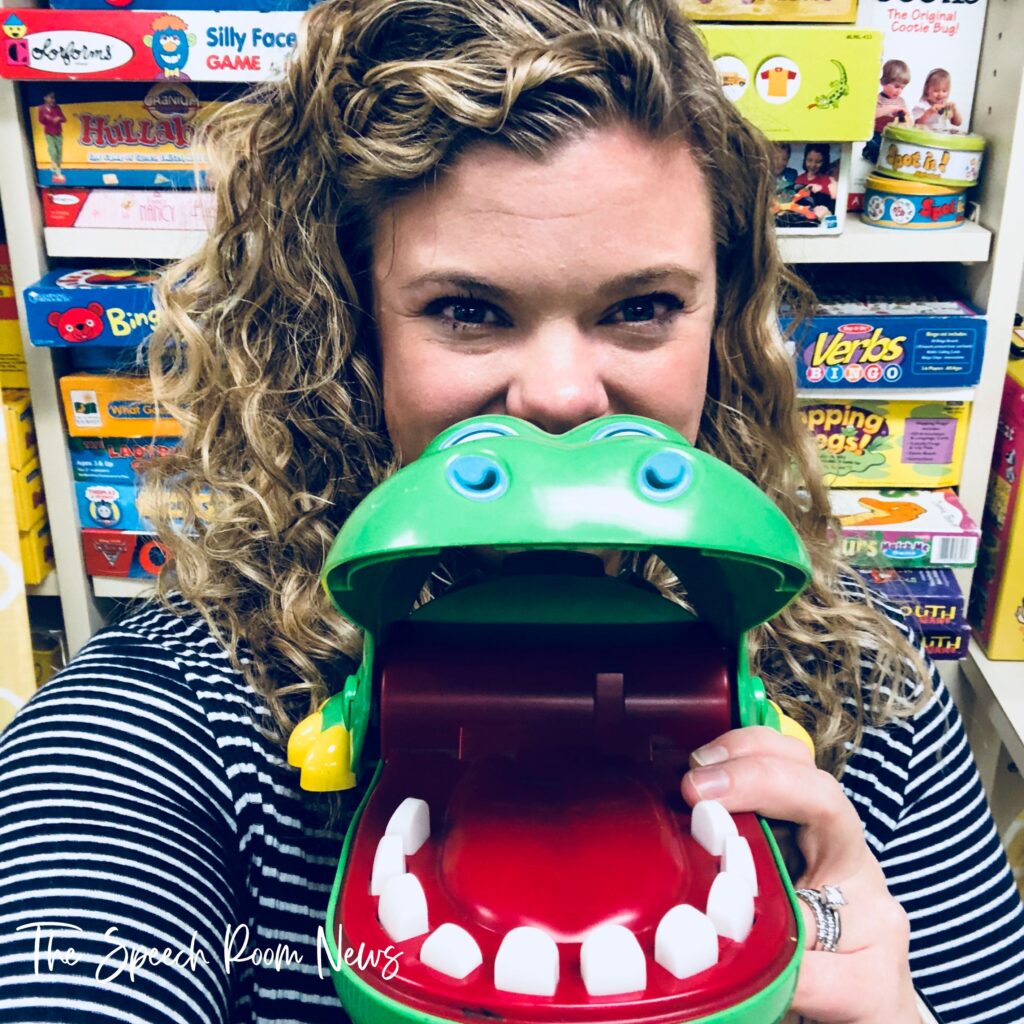
- Pretend Play Toys: Items like a "Crocodile Dentist" game or a "Melissa and Doug Ice Cream Shop" offer rich opportunities for practicing social scripts, requesting, vocabulary expansion, verb tenses, and propositional phrases within a highly motivating context. These toys often provide excellent stimuli for informal assessment during evaluations as well.
This "less is more" philosophy minimizes material preparation and maximizes the utility of existing resources, making therapy sessions dynamic, interactive, and less stressful for the SLP.
5. AAC Core Word Integration: Empowering Communicators
For students utilizing Augmentative and Alternative Communication (AAC) systems, a structured AAC Core Word of the Week (WOW) program provides an invaluable framework for consistent and comprehensive intervention. Core words—high-frequency words that account for a significant portion of daily communication (e.g., "go," "want," "more," "stop")—are fundamental for functional communication.
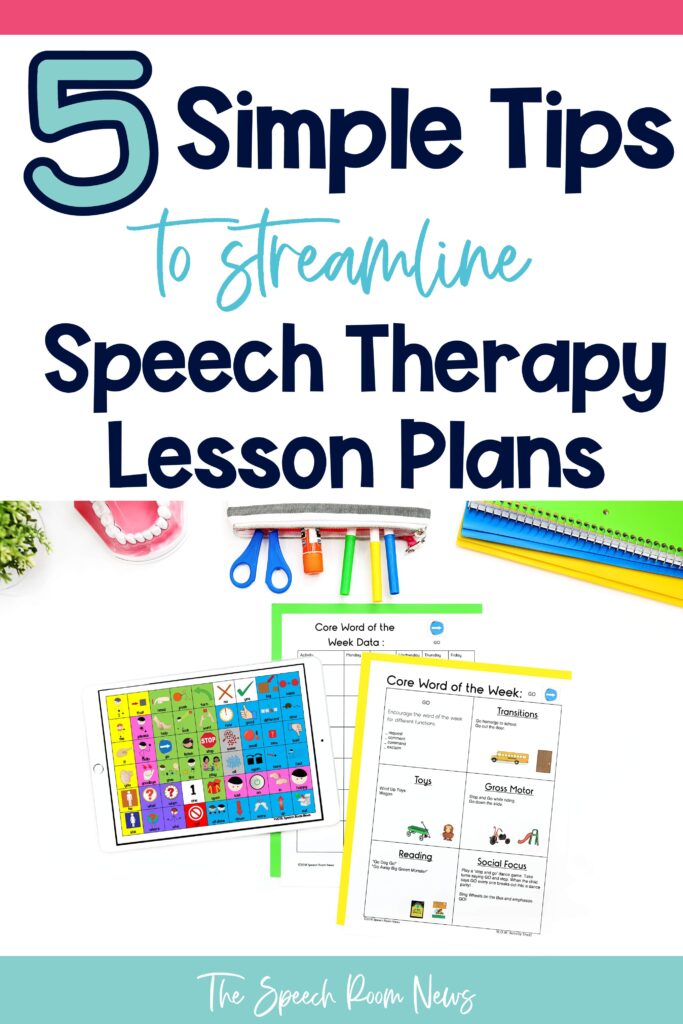
A WOW program typically involves:
- Systematic introduction: Four core words are introduced and targeted over a week or month.
- Multi-modal learning: Incorporating visual aids, modeling, and direct practice across various activities.
- Collaborative implementation: Providing materials and guidance for all members of the IEP team (teachers, paraprofessionals, parents) to consistently model and prompt the use of target core words throughout the school day and at home.
These structured lesson plans ensure that AAC users receive consistent exposure and practice with essential vocabulary, facilitating generalization across environments. The creation of pre-made "AAC Core Word of the Week" bundles, complete with lesson plans, communication boards, and parent letters, significantly reduces SLP planning time while promoting a unified approach to communication support.
Bonus Tip: The "Grab and Go" Advantage
Beyond structured planning, maintaining a collection of "Grab and Go" materials is a critical safety net for any SLP. These prepped, versatile resources can fill unexpected gaps, serve as filler activities, provide consistent support during SLP absences, or offer quick solutions when primary plans face unforeseen challenges. Essential "Grab and Go" items include:
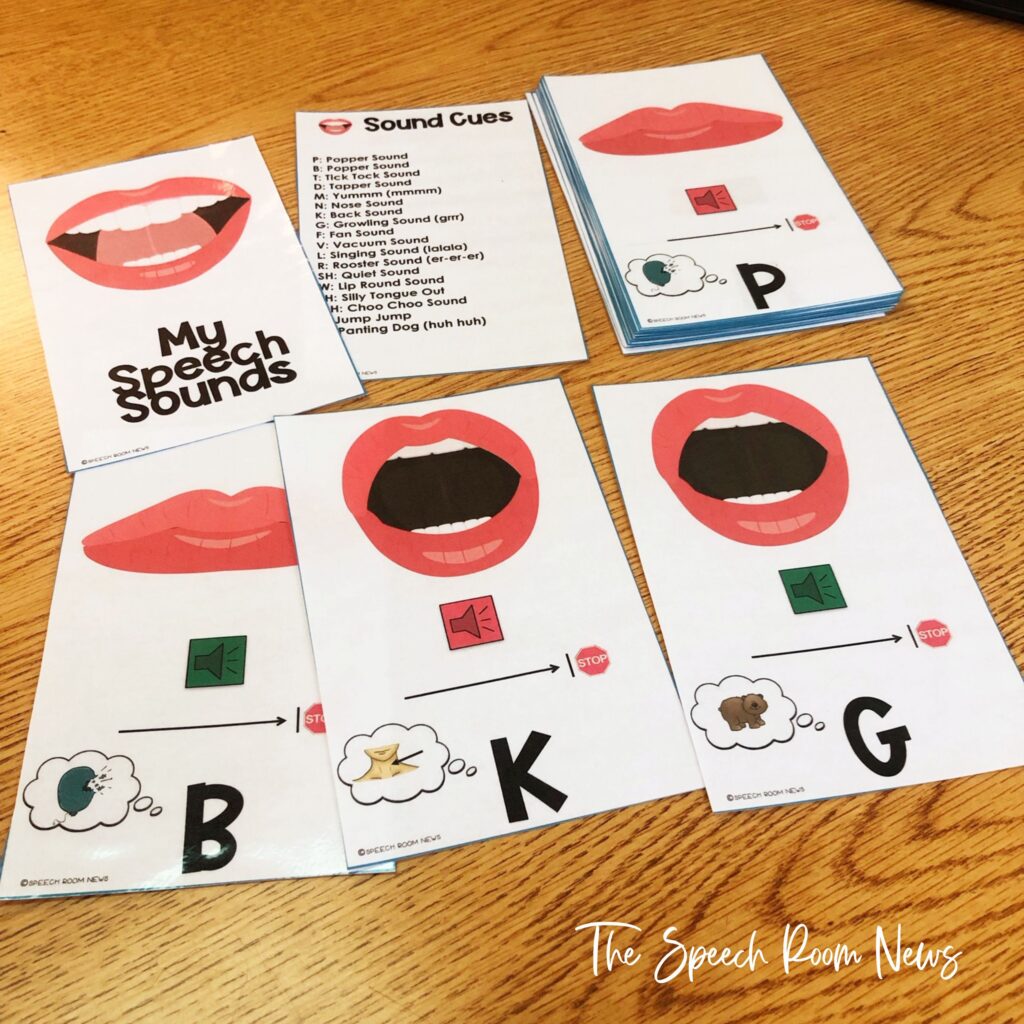
- Speech Helper visuals: Tools like mouth diagrams or articulation cues.
- Behavior supports: Visual schedules, first/then boards, or token economies.
- Articulation cards: Printable cards targeting specific phonemes at various word positions.
- Speech sound posters: Visual reminders of articulatory placements.
- Print-and-go home packets: Ready-to-send materials for home practice of articulation or phonology.
These readily accessible resources ensure that therapy remains productive, even on the busiest or most unpredictable days, reinforcing consistency and therapeutic momentum.
Broader Impact and Expert Perspectives
The adoption of these streamlined planning methodologies extends far beyond mere time-saving. Experts in speech-language pathology emphasize their profound impact on student outcomes, SLP well-being, and the overall educational ecosystem. Dr. Evelyn Reed, a prominent advocate for evidence-based practices in school settings, notes, "By integrating therapy with curriculum and leveraging versatile resources, SLPs are not just becoming more efficient; they are creating richer, more contextually relevant learning experiences that foster deeper engagement and better generalization of skills."
The implications are multifaceted:
- Enhanced Student Engagement: The use of themes, literacy, play, and narrative approaches makes therapy more dynamic, relatable, and motivating for students, leading to increased participation and improved learning.
- Improved Carryover and Generalization: Aligning therapy with classroom themes and daily activities facilitates the transfer of learned skills to real-world communication contexts. For AAC users, consistent core word modeling across environments is paramount.
- Reduced SLP Burnout: By minimizing the weekly planning burden, SLPs can allocate more energy to direct therapy, data analysis, and collaboration, mitigating professional exhaustion and increasing job satisfaction.
- Optimized Resource Utilization: Reusable materials and multi-goal activities ensure that existing resources are maximized, potentially reducing the need for constant new purchases.
- Fostered Collaboration: Strategies like literacy-based therapy and AAC Core Word of the Week naturally encourage greater collaboration between SLPs, teachers, and parents, creating a cohesive support network for students.
The American Speech-Language-Hearing Association (ASHA) has consistently promoted practices that support both clinical effectiveness and practitioner well-being, tacitly endorsing approaches that allow SLPs to meet the demands of their roles efficiently without sacrificing quality. The current trend reflects a maturity in the field, where practical innovations are being systematically integrated into professional practice to address persistent operational challenges.
In conclusion, the evolution of speech therapy lesson planning in schools marks a significant stride towards creating a more sustainable and impactful service delivery model. By embracing thematic, literacy-based, narrative, and multi-resource strategies, coupled with robust AAC support and strategic "Grab and Go" materials, SLPs are not merely simplifying their workload. They are fundamentally transforming the therapeutic experience, ensuring that every student receives high-quality, engaging, and curriculum-aligned intervention, paving the way for improved communication skills and enhanced academic and social success.
