

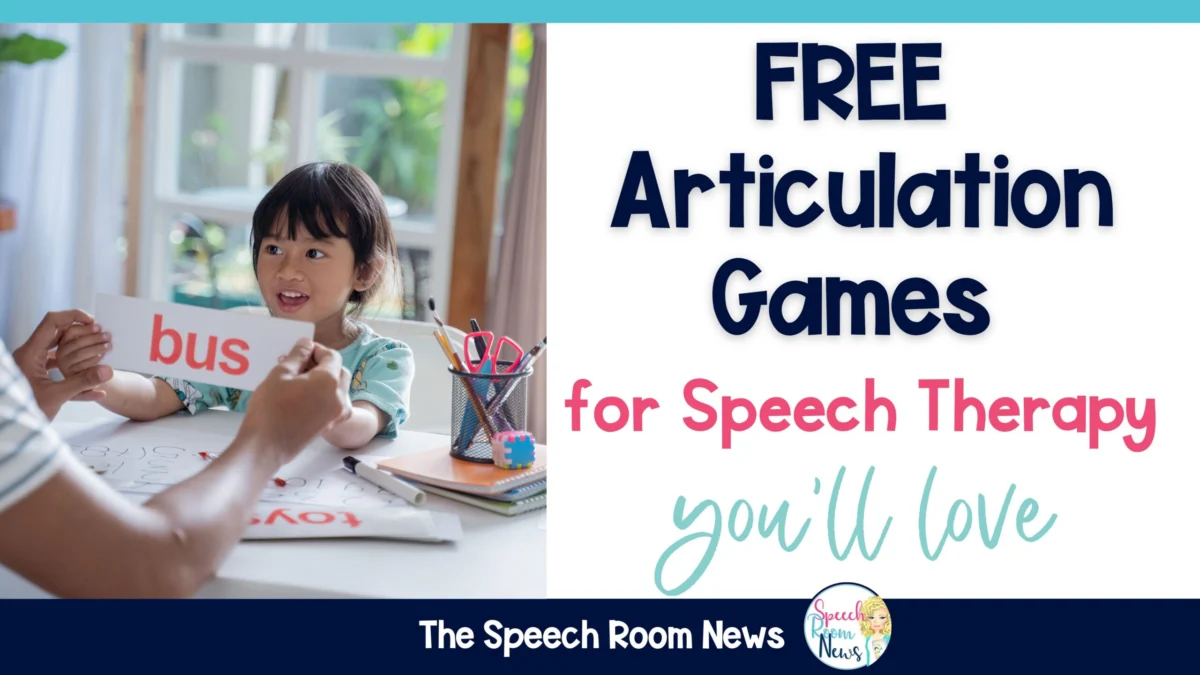
The integration of play into therapeutic interventions has long been recognized as a cornerstone for enhancing engagement and fostering more memorable learning experiences, particularly within the field of speech-language pathology. This pedagogical approach not only captivates the attention of students but also provides invaluable opportunities for the generalization of crucial language skills into daily communicative contexts. As speech-language pathologists (SLPs), educators, and parents navigate the evolving landscape of therapy delivery—be it virtual, in-person, or a hybrid model—the demand for accessible, high-quality, and, crucially, cost-free resources has never been higher. This article explores a curated selection of free articulation games and activities designed to keep therapy sessions dynamic, effective, and enjoyable for all participants, emphasizing their utility in promoting speech sound development.
The Foundational Role of Play in Speech-Language Pathology
Articulation therapy, a specialized branch of speech-language pathology, addresses speech sound disorders, which encompass difficulties in producing specific sounds or sound patterns necessary for clear and intelligible speech. These disorders can stem from various causes, including phonological impairments, motor speech difficulties, or structural abnormalities. Early identification and intervention are paramount, as untreated speech sound disorders can significantly impact a child’s academic performance, social interactions, and overall self-esteem.
Historically, speech therapy sessions have often involved repetitive drills and structured exercises. While effective, these methods can sometimes lead to decreased student motivation and engagement, particularly among younger learners. The shift towards play-based therapy acknowledges the intrinsic human drive for play, leveraging it as a natural medium for learning and skill acquisition. Developmental psychologists like Jean Piaget and Lev Vygotsky underscored the profound impact of play on cognitive and social development, asserting that children learn best when actively involved in meaningful, enjoyable interactions. In an SLP context, play transforms potentially tedious practice into an exciting adventure, making the learning process more spontaneous and intrinsically rewarding. This approach naturally boosts a student’s willingness to participate, thereby increasing the frequency and quality of their practice trials—a critical factor in achieving therapeutic goals. Furthermore, play facilitates the crucial step of "generalization," where newly acquired speech sounds are transferred from the structured therapy room into real-world conversations and varied environments, ensuring lasting communicative competence.
Navigating the Digital Landscape: Interactive Online Resources
The digital age has ushered in a wealth of interactive online resources that have become indispensable tools for SLPs. These platforms offer dynamic, multimedia-rich experiences that can significantly enhance a student’s articulation skills, making practice both effective and enjoyable. The adaptability of these tools makes them ideal for diverse therapy settings, from in-person sessions using tablets or interactive whiteboards to remote learning environments where screen sharing enables shared experiences.

Among the standout digital offerings is ABCya’s "Alphabet BINGO." Primarily aimed at younger students, this game provides an engaging pathway to practice letter sounds, a foundational element of phonological awareness. By associating visual letters with their corresponding sounds in a familiar game format, children actively participate in sound discrimination and production, often without realizing they are engaging in therapeutic practice. The game’s simplicity and clear objectives make it an excellent warm-up activity or a reward for completing more intensive tasks.
For a more specialized approach, the Articulation Station App (Lite Version) stands out. Developed by Little Bee Speech, this free version offers a selection of sound options and interactive games designed specifically for articulation practice. Accessible via app stores, it allows students to practice target sounds at various levels—isolation, syllables, words, phrases, and sentences—through engaging activities. Its intuitive interface and immediate feedback mechanisms empower students to take ownership of their practice, making it a favorite among SLPs for both in-session use and home practice assignments.
Another valuable digital hub is Language Playroom, which currently boasts over 20 free online games specifically tailored for articulation practice. What sets this platform apart is its ongoing commitment to expanding its collection to include resources for fluency, language development, and social communication activities, making it a holistic resource for various therapeutic needs. The diversity of games ensures that SLPs can find activities suitable for different age groups and learning styles, keeping sessions fresh and engaging.
Phoneme Pop offers a visually stimulating online game where children are tasked with popping bubbles that contain words featuring their target sounds. This simple yet effective concept leverages visual tracking and auditory discrimination, providing immediate reinforcement for correct sound identification and production. The interactive nature of popping bubbles adds an element of fun that can motivate even reluctant learners.
Finally, Boom Cards have emerged as a highly popular and versatile digital resource. These interactive, self-checking digital task cards can be used for a wide range of articulation targets and are widely available on platforms like Teachers Pay Teachers and Boom Learning. SLPs often appreciate Boom Cards for their ability to provide instant feedback, track student progress, and offer a gamified experience that keeps students engaged. The vast community of creators means that free decks are readily accessible for virtually any articulation sound, offering endless possibilities for customized practice. Many SLPs, including creators like Jenna Rayburn Kirk, also offer affordable specialized Boom Card decks, demonstrating the depth of this resource. These digital tools collectively represent a significant leap forward in making articulation therapy more interactive, efficient, and enjoyable for students and practitioners alike.
Tangible Practice: Printable Games for Hands-On Learning
While digital resources offer unparalleled interactivity, printable games continue to hold a significant place in articulation therapy. They provide a valuable hands-on experience, require minimal technology, and can be easily sent home for consistent practice. For many students, the tactile nature of manipulating game pieces or coloring a worksheet enhances engagement and provides a break from screen time. Printables also offer a concrete way for parents to participate in and understand their child’s therapy process.

A standout in this category is the "Whack-a Sound /S/ Self-Checking Articulation Freebie." Ideal for preschoolers through second graders, this game focuses on the identification of the /s/ sound in initial, medial, or final positions within words. Its self-checking mechanism allows students to receive immediate feedback, promoting independent learning and reducing the need for constant therapist intervention. This type of focused, yet playful, activity is crucial for developing phonological awareness and sound discrimination skills.
Articulation Worksheets from Super Duper Publications offer a range of free printable activities. Super Duper Publications is a well-regarded name in educational and therapeutic materials, known for its high-quality resources. While the original article specifies "worksheets," their offerings often include printable flashcards, simple board games, and activity sheets that can be adapted for various articulation goals. These materials are particularly useful for targeted practice and can serve as excellent homework assignments to reinforce in-session learning.
For seasonal engagement, the "Hot Chocolate Articulation Board Game" is a perfect example of how thematic play can motivate students. Designed for the winter months, this game can be customized using flashcards with target words. Students roll a dice and move spaces only after successfully articulating their target word. This simple mechanic encourages repeated trials in a fun, competitive context, fostering both articulation practice and social interaction skills.
"100 Trial Challenges" by Peachie Speechie are highly effective for achieving a high volume of articulation practice, which is often necessary for sound automatization. These sheets are designed around various themes and holidays, allowing SLPs to integrate therapy goals with seasonal events, making practice more relevant and exciting. The concept of 100 trials, while intensive, is made manageable and motivating through a gamified tracking system, where students mark off each successful production. This structured, high-repetition practice is vital for embedding new speech patterns.
Finally, "Color & Play Ocean Articulation Bingo" offers a versatile option for both individual and group therapy settings. Students use bingo cards featuring target words, either coloring them in or marking them off as they correctly articulate the words called out. The visual engagement of coloring, combined with the classic game of Bingo, makes this a highly adaptable and enjoyable activity for reinforcing vocabulary and articulation goals. These printable resources, collectively, ensure that effective, hands-on articulation practice remains accessible and engaging for all students.
Beyond the Therapy Room: Material-Free Games for On-the-Go Practice
Effective speech therapy extends beyond the confines of the clinic or classroom. The ability to generalize learned articulation skills into everyday environments is a critical measure of therapeutic success. Material-free games, often playable anywhere, particularly in settings like a car, provide invaluable opportunities for spontaneous, naturalistic practice without the need for specialized equipment. These activities encourage carryover, making articulation practice an integral part of daily life and reducing the perception of therapy as a distinct, formal event.

"I Spy" is a classic game that can be cleverly modified to target articulation goals. Instead of simply identifying objects, the SLP or parent can prompt the child to find objects that start with a specific target sound. For example, "I spy with my little eye something that starts with /s/" might lead to "sun," "sky," or "sign." This adaptation encourages auditory discrimination, phonological awareness, and the production of target sounds in a natural, conversational context. It also enhances vocabulary and descriptive language skills as children learn to identify and describe various objects.
"20 Questions" serves as an excellent vehicle for encouraging descriptive language, question formation, and, crucially, the integration of articulation targets. Children must formulate clear questions (e.g., "Is it an animal that starts with /k/?") and articulate words precisely to gain information. This game challenges cognitive skills, encourages strategic thinking, and provides numerous opportunities for practicing target sounds within meaningful sentences, moving beyond single-word productions.
"Rhyme Time" is a powerful tool for developing phonological awareness, which is closely linked to speech sound development. Taking turns saying words that rhyme with a target word (e.g., "cat" – "bat," "hat," "mat") helps children identify and manipulate sound patterns. This game reinforces correct articulation by focusing on the phonetic structure of words and the subtle differences between sounds, all while being a lighthearted and engaging activity.
The "Alphabet Game" is another versatile, no-materials-needed option. Players go through the alphabet, with each person saying a word that starts with the next letter in sequence. This game can be adapted to focus on specific articulation targets, for instance, by encouraging the child to choose words containing their target sound even if it’s not the initial sound, or by emphasizing correct initial sound production. It promotes quick recall, expands vocabulary, and provides a structured way to practice a wide range of sounds.
These "car games" or "on-the-go" activities are particularly significant because they integrate therapy into routine activities, demonstrating to children that communication skills are relevant everywhere. They foster a sense of fun and reduce anxiety associated with formal practice, making the journey toward clear articulation a more enjoyable and less intimidating experience.
Broader Impact and Implications for Speech-Language Therapy
The proliferation of free and engaging articulation games carries significant implications for the field of speech-language pathology, touching upon issues of accessibility, equity, and professional practice.

Accessibility and Equity: Free resources democratize access to quality therapy tools. For families in underserved communities, those with limited financial resources, or individuals without direct access to specialized materials, these free games can bridge critical gaps. They ensure that socioeconomic status does not become an insurmountable barrier to effective speech sound intervention, promoting a more equitable landscape for developmental support.
Empowerment of Parents and Caregivers: These resources empower parents and caregivers to become active participants in their child’s therapy journey. By providing easy-to-use, engaging tools, SLPs can confidently assign homework and suggest activities that parents can implement at home, reinforcing learned skills. This parental involvement is crucial for accelerating progress and ensuring the generalization of skills outside of structured therapy sessions. It also fosters a deeper understanding among caregivers of the therapeutic process and the specific goals their child is working towards.
Professional Development and Innovation for SLPs: For speech-language pathologists, the continuous availability of free, innovative tools supports ongoing professional development. SLPs are constantly seeking new ways to engage diverse learners, and these resources provide fresh ideas and adaptable methodologies. They encourage SLPs to be creative in their session planning, integrating technology and play into traditional practice models. Furthermore, the rise of platforms like Teachers Pay Teachers and Boom Learning has fostered a collaborative community where SLPs share and adapt resources, driving collective innovation.
Future Trends in Therapy: The integration of technology and gamification, exemplified by many of these free online resources, points towards future trends in therapy. As artificial intelligence and advanced digital platforms continue to evolve, the potential for even more personalized, adaptive, and engaging therapeutic experiences will grow. These free games serve as foundational examples of how technology can enhance therapeutic outcomes, making learning more intuitive and interactive.
In conclusion, the strategic incorporation of fun, free, and accessible games into speech therapy sessions represents a transformative approach to articulation practice. From interactive online platforms that captivate young minds to printable activities that offer hands-on engagement, and even material-free games that promote carryover in everyday settings, these resources collectively create a dynamic and highly effective learning environment. By reducing barriers to access, empowering families, and fostering innovative practices among professionals, these tools are not merely supplementary aids but essential components in the ongoing mission to make speech therapy engaging, effective, and ultimately, successful for every child. Happy playing, and happy communicating!
