

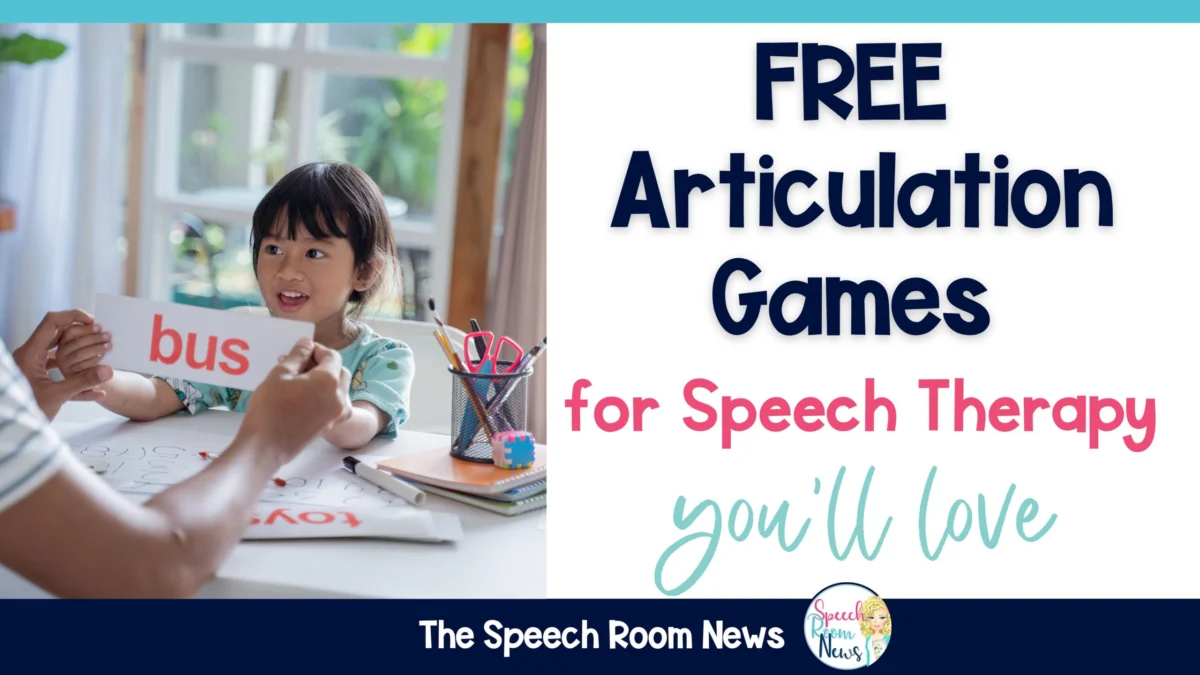
The integration of playful methodologies into therapeutic interventions has demonstrably enhanced student engagement and retention in speech therapy, transforming what can often be a challenging process into a more memorable and effective learning experience. This approach not only captivates young learners but also provides invaluable opportunities for the generalization of vital language skills into diverse, real-world contexts. The widespread appeal of games as a preferred method for practicing speech sounds among students is undeniable, fostering an environment where learning is both enjoyable and productive. Whether speech therapy sessions are conducted virtually, in-person, or through a hybrid model, a wealth of cost-free resources exists to maintain an energetic and productive atmosphere, making high-quality articulation practice accessible to a broader audience.
The Crucial Role of Play in Speech Therapy
Speech-language pathologists (SLPs) and educators consistently advocate for play-based therapy due to its profound impact on developmental outcomes. Children learn most effectively when they are actively engaged and motivated, and play naturally provides this impetus. For children grappling with speech sound disorders (SSDs), which affect approximately 8-9% of young children, according to the American Speech-Language-Hearing Association (ASHA), consistent and engaging practice is paramount for developing clear articulation. Traditional drill-based exercises, while foundational, can sometimes lead to disengagement, particularly in younger children or those with attention challenges. Integrating games, however, intrinsically motivates children, reduces anxiety associated with learning, and promotes a positive attitude towards therapy. This positive reinforcement is crucial for fostering self-confidence and sustained effort, which are key determinants of therapeutic success. Moreover, play facilitates the development of cognitive, social, and emotional skills concurrently with linguistic ones, providing a holistic developmental boost. The naturalistic setting of games also helps bridge the gap between structured therapy sessions and spontaneous communication, encouraging children to apply newly acquired speech sounds in varied and meaningful contexts.
The Landscape of Speech Sound Disorders and Intervention

Speech sound disorders encompass difficulties with perception, motor production, and/s or phonological representation of speech sounds and speech segments, including phonotactic rules governing syllable shapes, speech sound distribution, and prosodic features. These disorders can significantly impact a child’s ability to communicate effectively, potentially leading to academic struggles, social isolation, and emotional distress if not addressed early. Early intervention is consistently highlighted by research as critical for optimal outcomes, with studies indicating that children who receive timely and appropriate speech therapy demonstrate greater improvements in speech intelligibility and overall language development. However, access to consistent therapy can be a significant hurdle for many families, often due to financial constraints, geographical limitations, or the scarcity of qualified SLPs. The rise of teletherapy, spurred by technological advancements and recent global events, has partially alleviated some of these access issues, but the need for accessible, high-quality practice materials remains constant. Free articulation games emerge as a vital solution, empowering parents, educators, and therapists to supplement formal therapy with engaging, effective practice at no additional cost.
Leveraging Digital Tools: Free Online Articulation Games
The digital age has ushered in an abundance of interactive online resources that have become a game-changer for enhancing students’ articulation skills. These platforms make practicing speech sounds both effective and genuinely enjoyable, catering to various learning styles and technological setups, from individual tablets to interactive whiteboards in a classroom.
- ABCya’s “Alphabet BINGO”: This particular game is an excellent resource tailored for younger students, offering a playful and systematic way to practice their letter sounds. The familiar BINGO format reduces cognitive load, allowing children to focus on auditory discrimination and sound production. Its interactive nature keeps children engaged, making it a foundational tool for early phonological awareness.
- Articulation Station App (Lite Version): This highly acclaimed application, available for download from app stores, provides a robust free version featuring several sound options and a suite of interactive games. Its intuitive interface and engaging visuals are designed to keep students actively participating in their articulation drills. The app’s flexibility allows for individualized practice, targeting specific sounds at different word positions (initial, medial, final), which is critical for systematic speech sound acquisition.
- Language Playroom: This dynamic website currently offers a collection of 20 free online games specifically focused on articulation. A key advantage of Language Playroom is its continuous expansion, with ongoing efforts to include activities for fluency, language development, and social communication. This commitment to growth ensures a fresh and evolving library of resources for diverse therapeutic needs.
- Phoneme Pop: An engaging online game, Phoneme Pop allows children to "pop" bubbles containing words that feature their target sounds. This simple yet effective mechanic transforms rote practice into an exciting challenge, improving auditory processing and word recognition alongside articulation. The visual and auditory feedback reinforces correct responses, aiding in the learning process.
- Boom Cards: These digital, interactive task cards have revolutionized remote and in-person therapy. A vast array of free Boom Card decks targeting various articulation sounds can be discovered on platforms like Teachers Pay Teachers and Boom Learning. Boom Cards offer self-checking features, immediate feedback, and a highly customizable experience, allowing SLPs to tailor activities to individual student needs. Their versatility makes them suitable for a wide range of age groups and skill levels. Many SLPs, such as Jenna Rayburn Kirk mentioned in the original context, also offer affordable, specialized Boom Card decks, further expanding accessible options.
The proliferation of online tools underscores a broader trend in education and therapy towards blended learning models. These digital resources offer unparalleled flexibility, enabling practice to occur in clinic settings, at home, or even during travel. They also cater to the digital literacy of contemporary children, making therapy feel less like work and more like play, thereby increasing compliance and ultimately, success rates.
Tangible Learning: Printable Articulation Games for Hands-On Practice

While digital resources offer significant advantages, printable games remain a cornerstone of speech therapy, especially for those who prefer hands-on activities or wish to limit screen time. These resources can be seamlessly integrated into therapy sessions, sent home for supplementary practice, or used in educational settings. They offer a tactile experience that can be particularly beneficial for kinesthetic learners and provide a valuable alternative when technology access is limited.
- Whack-a Sound /S/ Self-Checking Articulation Freebie: This game is particularly effective for children in preschool through second grade. It ingeniously combines the popular "whack-a-mole" concept with articulation practice, challenging children to identify the position (initial, medial, or final) where they hear a target sound, such as /s/. The self-checking mechanism provides immediate feedback, reinforcing correct identification and production.
- Articulation Worksheets from Super Duper Publications: Super Duper Publications is a well-known name in the field of speech and language resources, and they offer a selection of free printable worksheets. These range from simple coloring pages that incorporate target words to more structured activities, providing therapists and parents with a variety of options for different stages of articulation practice.
- Hot Chocolate Articulation Board Game: An ideal resource for colder months, this board game offers versatile application. Therapists can prepare flashcards with target words for specific sounds. As children correctly articulate a word, they roll a die and advance on the board. This game structure promotes turn-taking, reinforces target sounds, and adds an element of friendly competition, enhancing motivation.
- 100 Trial Challenges by Peachie Speechie: These innovative sheets are designed to help students achieve 100 articulation trials within a single session, a common goal in intensive therapy. Covering various themes and holidays, these challenges make it easy for therapists to integrate practice into seasonal activities, maintaining student interest while ensuring a high volume of practice repetitions—a critical factor in motor learning for speech sounds.
- Color & Play Ocean Articulation Bingo: This engaging resource offers printable Bingo cards embedded with target words. It is highly adaptable for both group therapy settings and one-on-one practice. Children can color in the pictures as they correctly articulate the words, providing a dual sensory input that aids in memory and engagement. The competitive yet fun nature of Bingo makes it a perennial favorite.
Printable games offer the distinct advantage of tangibility, allowing children to physically manipulate materials, which can deepen engagement and learning. They also serve as excellent take-home resources, bridging the gap between clinical sessions and daily life, ensuring consistent practice crucial for habit formation.
Beyond the Therapy Room: Material-Free Articulation Games for Everyday Life
Effective articulation practice is not confined to the structured environment of a therapy room. The ability to generalize speech sounds into spontaneous conversation is the ultimate goal, and material-free games played in everyday settings—like a car ride—are invaluable for this purpose. These activities require no special preparation, making them incredibly accessible and convenient.
- I Spy (Modified): This classic game can be ingeniously adapted to target specific articulation goals. Instead of simply identifying objects, the game focuses on finding items that begin with, contain, or end with a particular target sound. For instance, "I spy with my little eye something that starts with /s/" encourages a child to scan their environment and produce words like "sun," "seat," or "sign" with accurate /s/ production.
- 20 Questions (Articulation-Focused): This deductive reasoning game can be leveraged to encourage children to ask descriptive questions and use specific vocabulary, all while focusing on their articulation goals. If the target sound is /k/, the child might ask, "Is it a kitchen item?" or "Does it make a clucking sound?" This promotes both expressive language and targeted sound production.
- Rhyme Time: A simple yet powerful game, Rhyme Time involves taking turns saying words that rhyme with a designated target word, emphasizing the correct articulation of each word. For a child working on /r/, if the target word is "car," they might say "star," "far," "jar," focusing on clear /r/ production in each instance. This also enhances phonological awareness.
- The Alphabet Game: In this game, participants go through the alphabet, with the child saying a word that starts with each letter. The focus is placed on articulating target sounds accurately within these words. For example, if the child is working on /sh/, and they get to ‘S’, they might be prompted to think of a word like "shoe" or "sheep" to integrate their target sound.
These material-free games are crucial for fostering generalization because they embed articulation practice into natural, spontaneous conversational contexts. They demonstrate to children (and their parents) that correct speech sound production is important not just in therapy, but in all aspects of daily communication, reinforcing the functional value of their learned skills.

The Broader Impact: Empowering Families and Educators
The availability of free and engaging articulation games extends beyond individual therapeutic benefits, creating a ripple effect that positively impacts families, educators, and the broader community. For parents, these resources provide practical, accessible tools to support their child’s progress at home, reducing the burden of finding or creating their own materials. This empowerment fosters a sense of agency and active participation in their child’s developmental journey. For educators, especially those in early childhood and special education, these games offer supplementary resources that can be easily integrated into classroom activities, supporting children with SSDs within a mainstream educational setting. This collaborative approach between therapists, parents, and teachers creates a consistent and supportive learning environment, maximizing the opportunities for speech sound practice and generalization.
Furthermore, the emphasis on play-based learning helps demystify speech therapy, making it less intimidating for children and more approachable for families. By framing practice as fun and engaging, these resources contribute to a positive perception of intervention, which can significantly influence long-term adherence to therapeutic recommendations. The cost-effectiveness of free resources also addresses a critical equity issue, ensuring that quality practice materials are available regardless of socioeconomic status, thereby democratizing access to crucial developmental support.
The Future of Accessible Speech Therapy Resources
The trajectory of speech therapy resources points towards continued innovation, particularly in the digital realm, while also recognizing the enduring value of traditional, hands-on methods. The increasing sophistication of artificial intelligence and augmented reality holds promise for even more personalized and immersive articulation games, offering real-time feedback and adaptive learning pathways. However, the core principles of engagement, repetition, and generalization will remain paramount. The collaborative spirit demonstrated by platforms like Teachers Pay Teachers and Boom Learning, where educators and therapists share resources, highlights a growing community commitment to making effective tools widely available.

The ongoing challenge for SLPs and developers will be to continuously refine these resources, ensuring they are not only engaging but also evidence-based and aligned with best practices in speech-language pathology. As our understanding of speech acquisition and motor learning evolves, so too will the design and implementation of these therapeutic games.
By thoughtfully incorporating a diverse array of free and engaging games—from interactive online platforms to printable activities and spontaneous, material-free exercises—speech therapy can be transformed into a dynamic and highly effective learning experience. This multifaceted approach ensures that students receive consistent, enjoyable practice, building a strong foundation for clear communication and lifelong success. Happy playing!
