

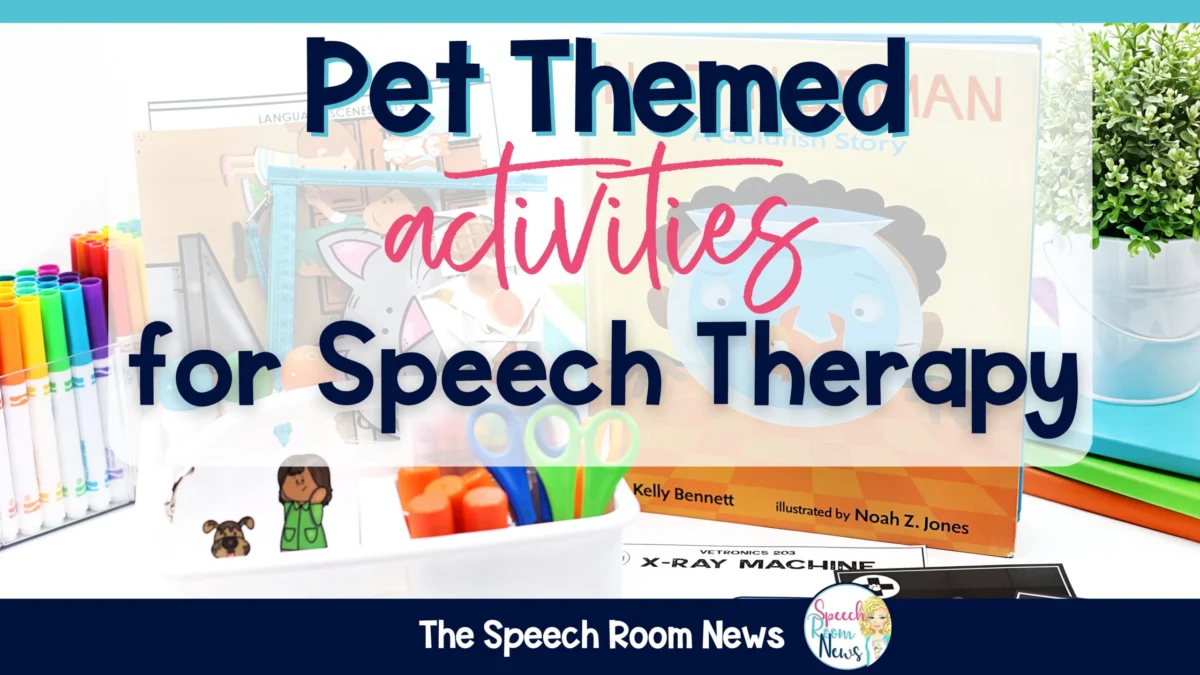
The integration of thematic instruction into speech and language therapy has emerged as a cornerstone of effective pedagogical practice, offering a structured yet flexible framework for addressing diverse communication needs. This methodology, particularly when leveraging universally appealing subjects like pets, significantly enhances student engagement, optimizes therapeutic outcomes, and streamlines resource management for speech-language pathologists (SLPs). Across early intervention and special education settings, the strategic adoption of year-round themes is gaining traction, demonstrating tangible benefits in areas ranging from vocabulary acquisition to social-emotional development.
Background and Pedagogical Rationale
The efficacy of thematic teaching in therapy stems from its alignment with fundamental principles of child development and learning. Unlike traditional, decontextualized drills, thematic units provide a naturalistic and immersive learning environment where language skills are acquired and practiced within meaningful contexts. This approach is deeply rooted in constructivist theories, where learners actively construct knowledge through interaction with their environment, and aligns with Vygotsky’s concept of the Zone of Proximal Development, allowing children to develop skills with appropriate scaffolding. By clustering activities around a central theme, SLPs create a coherent learning experience that fosters deeper comprehension and facilitates the generalization of newly acquired skills across various settings and situations. This emphasis on holistic and play-based learning is increasingly recognized as best practice in early childhood education and special education, where motivation and intrinsic interest are paramount for sustained progress.
The Strategic Advantages of Year-Round Themes

The adoption of recurring, non-holiday themes offers multifaceted advantages that impact both the efficiency of therapeutic practice and the quality of student learning.
Therapist Efficiency: A primary benefit lies in the significant reduction of preparation time. Pre-prepped thematic materials eliminate the need for therapists to constantly create new activities from scratch, freeing up invaluable time that can be redirected towards individualized assessment, goal setting, and direct intervention. Studies and anecdotal evidence from SLP communities suggest that thematic planning can save therapists several hours per week, translating into more focused and less stressed practitioners. This efficiency is crucial in settings with high caseloads and limited planning periods.
Student Engagement: The psychological impact of engaging themes on students cannot be overstated. Children, especially those in early childhood, thrive on novelty, familiarity, and relevance. A well-chosen theme, such as pets, immediately taps into their interests, curiosity, and existing knowledge base, transforming therapy sessions from routine exercises into exciting adventures. This heightened engagement naturally leads to improved attention spans, increased participation, and a more positive attitude towards learning, all of which are critical for therapeutic success. When students are genuinely interested, their intrinsic motivation to communicate and interact flourishes, paving the way for more spontaneous and meaningful language use.
Skill Generalization: One of the most challenging aspects of speech and language therapy is ensuring that skills learned in the therapy room transfer to everyday life. Thematic units inherently support skill generalization by providing repeated exposure to target vocabulary, concepts, and grammatical structures across a diverse range of activities—from storytelling and games to crafts and sensory play. This consistent, multi-modal reinforcement helps solidify learning and enables students to apply their new abilities in varied contexts, whether describing a pet’s actions during a story or using descriptive adjectives in a play scenario.
Resource Optimization: From a fiscal perspective, utilizing non-holiday themes is a true money-saver. Unlike holiday-specific materials that might only be used once a year, year-round themes can be pulled out and adapted three to four times annually. This maximizes the return on investment for purchased or created materials, making therapy resources more sustainable and cost-effective over time. Furthermore, non-holiday themes often possess broader cultural inclusivity, avoiding potential sensitivities associated with specific holidays and ensuring that all students feel represented and comfortable within the learning environment.

Deep Dive into the "Pets Theme": A Case Study in Engagement
The "pets theme" stands out as an exceptionally effective choice for speech and language therapy due to its universal appeal and inherent richness in language opportunities.
Universal Appeal: Most children possess a natural affinity for animals, whether through personal pet ownership, visits to zoos, or exposure to animal characters in media. This innate connection provides an immediate entry point for engagement, tapping into emotional bonds, nurturing instincts, and boundless curiosity. The familiarity and warmth associated with pets create a safe and motivating environment for children to explore new vocabulary and practice communication skills.
Rich Vocabulary Opportunities: The subject of pets offers an expansive semantic field, providing a vast array of vocabulary targets. This includes naming different types of animals (dog, cat, fish, bird, hamster), identifying animal sounds (meow, bark, chirp), describing actions (run, jump, eat, sleep, cuddle), discussing care items (leash, bowl, cage, food), exploring emotions associated with pets (happy, sad, playful), and learning about habitats (kennel, aquarium, birdcage). This breadth allows therapists to target a wide range of lexical and conceptual goals.
Diverse Language Targets: A pet theme can be strategically designed to address virtually every area of speech and language development:

- Receptive Language: Students can practice following multi-step directions (e.g., "Give the dog the red bone, then put the cat in the house"), understanding complex concepts (e.g., comparing sizes of pets, identifying fast vs. slow animals), and identifying objects and actions based on verbal descriptions.
- Expressive Language: Opportunities abound for naming objects, describing attributes (e.g., "The fuzzy cat is black"), narrating simple stories about pets, asking and answering questions (e.g., "What does a fish eat?"), and making requests.
- Articulation: The theme provides a natural context for targeting specific speech sounds within pet-related words (e.g., /s/ in "snake," /r/ in "rabbit," /f/ in "fish"). Engaging activities like "Feed the Dog Articulation Boom Cards" encourage high-repetition practice in a fun, interactive format.
- Social Language (Pragmatics): Role-playing scenarios, such as visiting a veterinarian or adopting a pet, allow children to practice social scripts, turn-taking, asking for help, expressing empathy, and understanding non-verbal cues. Discussing feelings about pets helps develop emotional literacy.
- Cognitive Development: The theme facilitates categorization skills (e.g., sorting pets by type, size, or habitat), problem-solving (e.g., "What does a sick pet need?"), and imaginative play, which is crucial for developing narrative skills and abstract thinking.
Key Components of an Effective Pet-Themed Curriculum
A comprehensive pet-themed unit integrates various modalities and resources to create a multi-sensory and engaging learning experience.
Literacy Integration: Books serve as powerful springboards for language development.
- Not Norman by Kelly Bennett: This humorous story about a boy who initially dislikes his goldfish offers rich opportunities to discuss emotions, problem-solving, and appreciating uniqueness. It can be used to target narrative skills, inferencing, and expressing preferences.
- Some Pets by Angela DiTerlizzi: With its vibrant illustrations and diverse cast of characters and their animals, this book is excellent for expanding vocabulary related to different pet types, actions, and the joys and responsibilities of pet ownership. It also promotes discussions on diversity and friendship.
- Lola Gets a Cat by Anna McQuinn: This book addresses the reality of pet ownership, highlighting the responsibilities involved. It’s ideal for discussing cause and effect, sequencing events, and understanding the difference between fantasy and reality in pet care.
- Interactive Vocabulary Book about Pets: Such books, often featuring movable pieces or tactile elements, are invaluable for early learners. They support concept development, object identification, and early literacy skills by allowing children to physically engage with new vocabulary, reinforcing connections between words and objects.
Auditory Processing and Phonological Awareness: Music and songs play a vital role in developing auditory skills. Simple, repetitive pet-themed songs such as "I Have a Pet," "Do You Have a Pet?," "I Love Dogs," and "Wag Your Tail" are ideal for young learners. They facilitate the practice of animal sounds, word patterns, action words, and basic vocabulary. The rhythmic and rhyming nature of these songs also supports phonological awareness, which is a foundational skill for reading and spelling.
Play-Based Learning and Skill Practice: Engaging games and toys are central to thematic therapy, making learning feel like play.

- Color and Play Pets Bingo: This game can target multiple goals, including color identification, matching, vocabulary recall, and following simple directions. It also encourages turn-taking and social interaction in a group setting.
- Feed the Dog Articulation Boom Cards: Digital interactive games like this provide highly motivating and repetitive practice for articulation goals. The immediate feedback (e.g., a "crunch" sound when the dog "eats" a word) makes it particularly engaging for children, encouraging them to produce target sounds accurately and frequently.
- Critter Clinic Toy Vet Set: This highly versatile toy fosters imaginative play and social scripts. Children can engage in role-playing scenarios as veterinarians, practicing descriptive language (e.g., "The cat has a sore paw"), problem-solving (e.g., "What tool should I use?"), and pre-academic skills like opening and closing locks. It naturally elicits vocabulary related to health, body parts, and actions.
- Hape Family Pet Houses: This set of small manipulatives is excellent for targeting spatial concepts (e.g., "The dog is inside the house," "The cat is under the tree"), storytelling, and fine motor skills. Children can create their own pet narratives, enhancing expressive language and narrative organization.
Creative Expression and Sensory Engagement: Integrating crafts and sensory play enhances engagement and addresses various developmental domains.
- Clifford the Big Red Dog Craft: A paper plate Clifford craft, inspired by the beloved character, provides opportunities for fine motor skill development (cutting, gluing), following multi-step instructions, and connecting with familiar stories. Discussions about Clifford’s size, color, and personality further expand vocabulary and descriptive language.
- Pet-Themed Sensory Bin: A sensory bin filled with dried black beans, plastic pet toys, and various pet accessories (miniature food bowls, leashes, brushes) offers a rich tactile experience. Therapists can guide students to use descriptive language (e.g., "I feel something bumpy," "I see a pointy black ear") to identify hidden objects, practice prepositions (e.g., "The bone is under the beans"), and enhance sustained attention and focus.
The "Pet Themed Speech Therapy Kit": A Comprehensive Resource
To further support SLPs in implementing these effective strategies, comprehensive resources like the "Pet Themed Speech Therapy Kit" have been developed. These kits exemplify how pre-designed thematic materials can align with best practices in intervention. Such kits typically include an entire month’s worth of lessons and activities, encompassing therapy printables, interactive play resources, structured circle time lessons, informative parent handouts, creative crafts, and book companions. By offering a complete package, these kits empower SLPs to deliver consistent, high-quality thematic therapy without the burden of extensive individual preparation, allowing them to focus more on clinical decision-making and direct student interaction.
Broader Implications and Future Directions
The success of thematic instruction, particularly with engaging themes like pets, carries significant implications for the broader field of speech and language therapy and special education.

Impact on Professional Practice: The availability of well-structured thematic kits can significantly reduce therapist burnout by minimizing planning demands, thereby improving job satisfaction and retention within a demanding profession. This shift allows SLPs to dedicate more energy to clinical nuances and individualized student needs rather than administrative tasks.
Parental Involvement: The inclusion of parent handouts and suggestions for home-based activities within thematic kits is crucial. It fosters a home-school connection, enabling parents to reinforce therapeutic goals in natural environments and become active participants in their child’s language development journey. Consistent exposure across settings accelerates progress and enhances skill generalization.
Research Opportunities: While the benefits of thematic teaching are widely observed, there remains an opportunity for more rigorous empirical research to quantify the long-term efficacy of specific themes and methodologies across diverse clinical populations. Such studies could provide valuable data to further refine and validate these pedagogical approaches.
Curriculum Development: The proven effectiveness of thematic models in speech therapy can influence broader educational curriculum design for students with special needs, advocating for more integrated, play-based, and interest-driven learning experiences across all academic domains.
The Role of Technology: The integration of digital tools, such as Boom Cards, into thematic units highlights the evolving landscape of therapy. These technologies offer flexibility, portability, and highly engaging interactive experiences that resonate with contemporary learners, demonstrating how traditional thematic principles can be effectively combined with modern instructional tools.

In conclusion, thematic instruction, exemplified by the universally engaging "pets theme," stands as a powerful and indispensable approach in modern speech and language therapy. It is a testament to the fact that learning is most effective when it is meaningful, motivating, and deeply connected to a child’s world. By embracing and continuously refining these pedagogical strategies, SLPs can continue to foster communication development in a manner that is both clinically effective and profoundly enriching for their students.
