

Speech-Language Pathologists (SLPs) are increasingly adopting strategic approaches to therapy room design, moving beyond purely clinical aesthetics to create dynamic, engaging environments that support diverse learning needs. A key component of this shift involves the purposeful use of bulletin boards, which are being transformed from static displays into powerful pedagogical tools. Specifically, SLPs are categorizing their bulletin board strategies into three core types—demonstrative, interactive, and functional—to maximize student engagement, reinforce learning, and foster stronger home-school connections, particularly during thematic periods like the winter months. This structured approach aims to optimize therapeutic outcomes while managing the demanding schedules typical of speech-language pathology professionals.
The Strategic Imperative: Beyond Decoration

The traditional role of bulletin boards as mere decorative elements is being redefined within the speech therapy context. For SLPs, these visual spaces represent untapped potential for reinforcing therapeutic goals, making abstract concepts tangible, and providing opportunities for repeated practice. The integration of seasonal themes, such as winter, offers a natural framework for rotating content, maintaining novelty, and connecting therapy activities to students’ lived experiences outside the therapy room. This proactive planning, often done annually, allows SLPs to prepare resources efficiently and ensure a consistent flow of fresh, relevant materials throughout the academic year.
For instance, during the back-to-school period, SLPs frequently prioritize interactive or functional bulletin boards. This strategic choice serves a dual purpose: it introduces new students and their families to the scope and excitement of speech therapy, simultaneously establishing foundational communication pathways. As the academic year progresses and seasonal shifts occur, the focus can then pivot to demonstrative or interactive elements that directly support ongoing therapy goals while keeping the environment stimulating.
Demonstrative Bulletin Boards: Visualizing Progress and Fostering Ownership
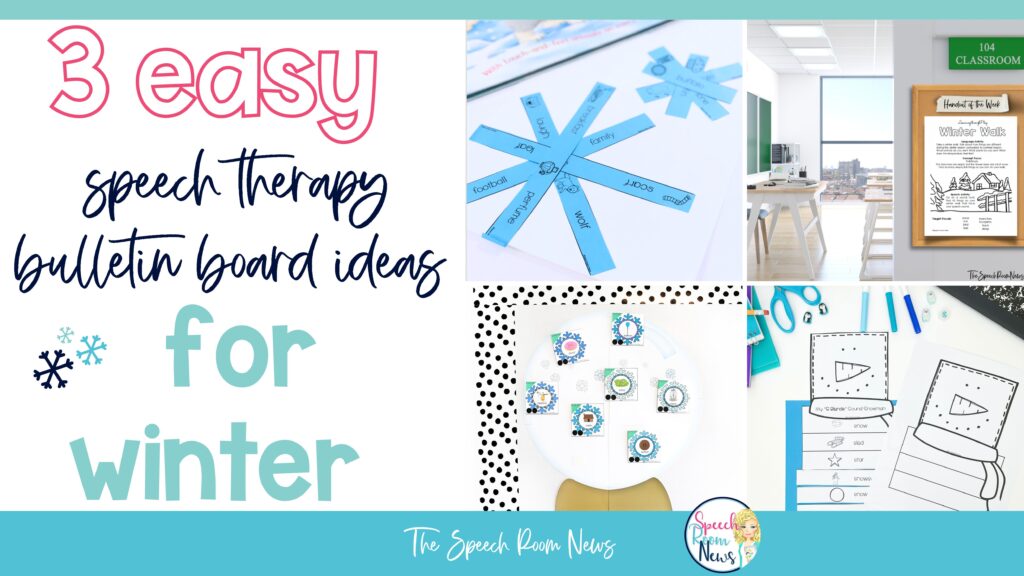
Demonstrative bulletin boards are designed to showcase student work, transforming individual therapy achievements into collective displays of progress. This category leverages student-created crafts that are not only visually appealing but also intrinsically linked to therapeutic practice. The process of creating these crafts often involves fine motor skills, following instructions, and repeated articulation or language practice, making the end product a tangible representation of learning.
One exemplary demonstrative project for the winter season is the Snowflake Paper Strip Craft. This activity exemplifies what some SLPs term "fake crafting," a method emphasizing simplicity and minimal preparation while maximizing therapeutic benefit. Students utilize pre-cut paper strips, often sourced from adaptable resources like "Year Round Craft Paper Strip Art for Articulation and Language." The core therapeutic action occurs as students practice target words or sounds while manipulating the paper strips. For students with developing fine motor skills, printing strips on cardstock can provide increased paper resistance, aiding in cutting precision. The completed snowflakes, adorned with practiced words, are then assembled and displayed, providing a constant visual reminder of their efforts and progress. This method not only reinforces articulation and language goals but also cultivates a sense of accomplishment and ownership over their learning journey.
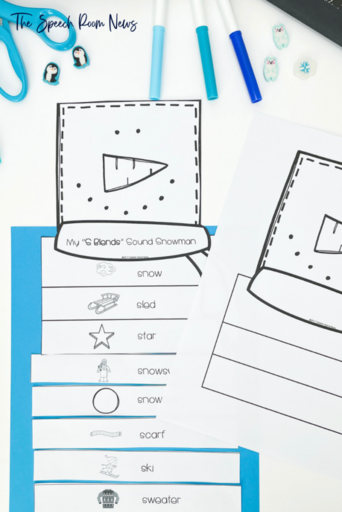
Another highly effective demonstrative craft is the Snowman Articulation Chop. This activity involves printing specific articulation or language targets on two pages, which students then practice and cut into strips. These strips are subsequently assembled to form a snowman figure. The physical act of cutting and assembling, coupled with the repetitive practice of target words, provides a multi-sensory learning experience. Students often personalize their snowmen by coloring features like the carrot nose or adding construction paper hats, further enhancing engagement. The simplicity of these crafts belies their profound impact: they offer low-prep solutions for SLPs while delivering high-value therapeutic engagement and creating a vibrant, student-centered display.

According to data from the American Speech-Language-Hearing Association (ASHA), multi-sensory approaches, which combine visual, auditory, and kinesthetic input, significantly enhance learning and retention for individuals with speech and language disorders. Demonstrative boards directly tap into this principle by making the learning process visible and celebrated. Educational psychologists further underscore the importance of student-created content in fostering intrinsic motivation and self-efficacy, crucial elements for sustained therapeutic progress.
Interactive Bulletin Boards: Engaging Minds Through Active Participation
Interactive bulletin boards transform passive observation into active participation, encouraging students to physically engage with the displayed materials. These boards are strategically placed to capture attention and provide opportunities for impromptu practice, reinforcing learned concepts in a playful and exploratory manner. The design often incorporates elements that allow students to manipulate pieces, answer questions, or perform specific linguistic tasks.
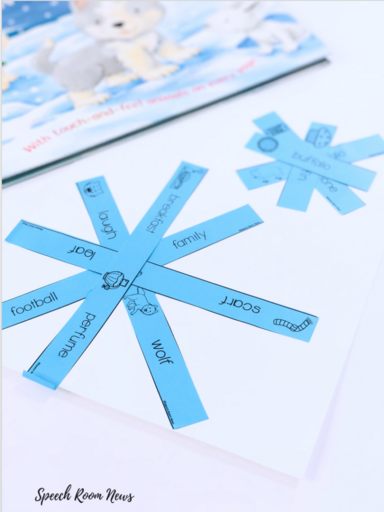
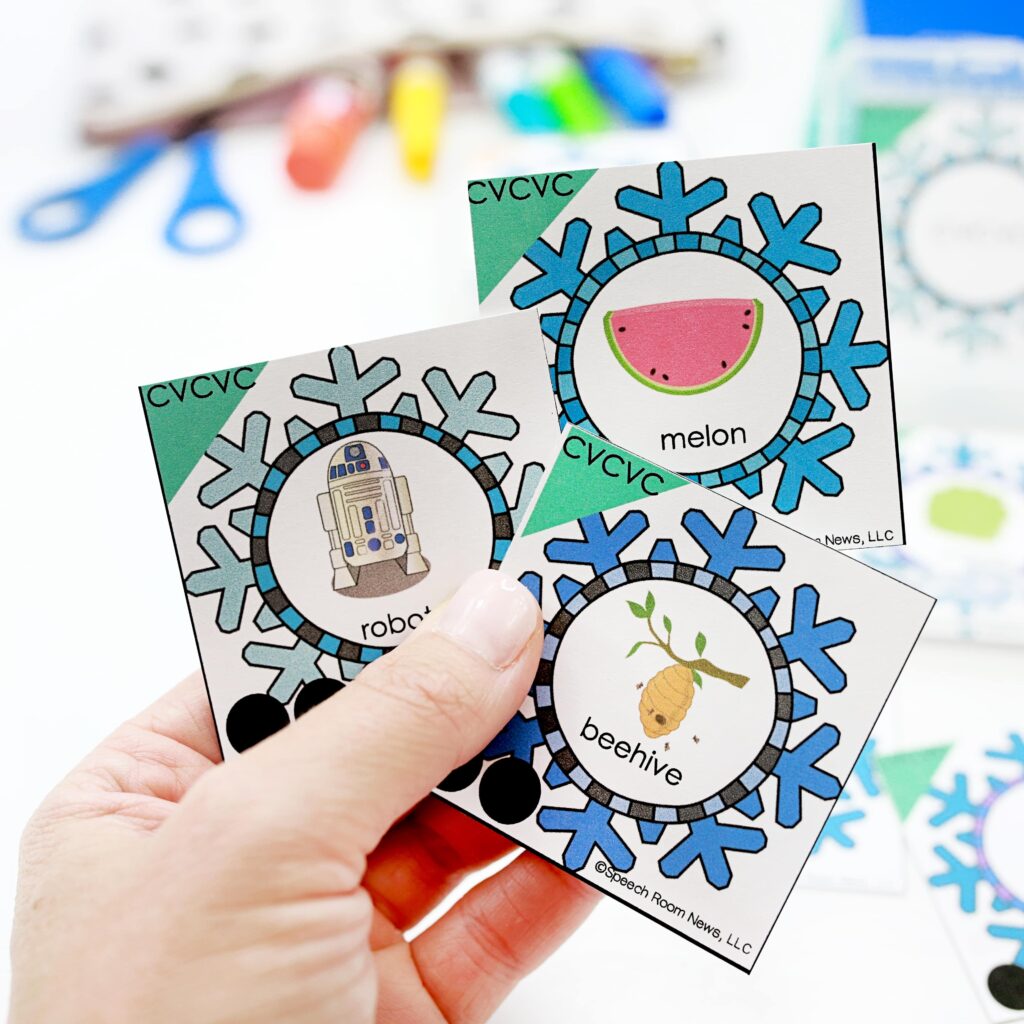
A prime example is the Falling Flakes: Apraxia Snowflakes set. This resource features snowflake cards, each depicting an image and a corresponding word. Crucially, each card includes black dots in the bottom left corner, representing the number of syllables. Students are encouraged to touch these dots as they produce the sound, providing multisensory feedback that is particularly beneficial for motor planning challenges associated with apraxia of speech. The cards are color-coded and patterned by syllable structure for easy organization. When displayed on a bulletin board featuring a poster-sized snow globe with strategically placed velcro dots, students can attach and remove the snowflake cards, practicing speech sounds in a dynamic, tactile way. This interactive element allows for repeated trials, immediate self-correction, and incidental learning as students engage with the board while waiting for therapy or passing by.
Similarly, the Falling Flakes: Phonology Activities set targets phonological disorders using minimal pairs. These snowflake cards also feature images and words, organized by color and pattern. An accompanying poster-sized globe, affixed with velcro dots, allows students to actively add and remove snowflake cards, practicing minimal pairs and contrasting sounds. The flexibility of including various winter-themed posters ensures sustained interest throughout the season. Research consistently demonstrates that interactive learning environments significantly boost engagement, particularly for younger learners or those with attention challenges. The "gamified" nature of these interactive boards provides a low-pressure, high-reward environment for practicing complex speech patterns, thereby facilitating generalization of skills. A study published in the Journal of Speech, Language, and Hearing Research highlighted that dynamic, interactive tools can increase the frequency of student responses and improve the accuracy of target sound production in clinical settings.
Functional Bulletin Boards: Bridging the Gap Between Therapy and Home
Functional bulletin boards serve a critical role in extending the reach of speech therapy beyond the clinical setting by providing valuable resources for parents and caregivers. These boards often display handouts and practical strategies, empowering families to integrate communication-enhancing activities into daily routines. This focus on generalization is paramount, as consistent practice in natural environments significantly accelerates therapeutic progress.
The Winter Speech and Language Packet: Learning Through Play exemplifies a highly effective functional bulletin board resource. This packet offers a collection of handouts designed to help parents leverage common winter activities to bolster their child’s communication skills. By providing concrete examples and actionable advice, SLPs can equip families with the tools needed to reinforce therapy goals in familiar, enjoyable contexts. Ideas presented might include:
- Snowball Fight: Encouraging descriptive language ("soft," "cold," "fast"), turn-taking, and requesting ("throw it!").
- Snowman Building: Practicing sequencing, spatial concepts ("on top," "next to"), and body parts.
- Sledding: Focusing on action verbs ("go," "slide," "fast"), safety instructions, and emotional vocabulary.
- Hot Chocolate Preparation: Targeting following directions, vocabulary related to ingredients and processes, and conversational skills.
- Winter Clothing: Practicing naming items, categorization, and functional language related to dressing.
- Making Cookies: Focusing on sequencing, requesting, and vocabulary for ingredients and baking.
The accessibility of such resources, particularly when displayed prominently on a functional bulletin board, fosters a stronger partnership between the SLP and the family. This collaboration is crucial, as studies by organizations like the National Institute on Deafness and Other Communication Disorders (NIDCD) consistently show that parental involvement is a primary predictor of positive outcomes in early intervention and ongoing speech therapy. Furthermore, recognizing the diverse linguistic landscape of many school communities, resources like the Spanish Winter Speech and Language Packet: Learning Through Play address the critical need for culturally and linguistically appropriate materials, ensuring equitable access to support for all families.
Broader Impact and Implications for the Speech-Language Pathology Field
The strategic deployment of demonstrative, interactive, and functional bulletin boards offers multiple layers of positive impact beyond individual student progress.
- Enhanced Student Motivation and Engagement: Visually stimulating and interactive environments reduce therapy fatigue, increase student willingness to participate, and make learning more enjoyable. This can lead to improved attendance and sustained effort in therapy sessions.
- Improved Carryover and Generalization: Functional boards empower parents to become active participants in their child’s therapy, facilitating the transfer of learned skills from the therapy room to everyday life. This is often the most challenging aspect of speech therapy and is significantly bolstered by informed parental support.
- Increased Visibility and Understanding of SLP Role: Dynamic bulletin boards can serve as educational tools for the wider school community, demystifying speech therapy and showcasing its vital contributions to student development. This can foster greater appreciation and collaboration with teachers, administrators, and other support staff.
- SLP Efficiency and Resource Management: By planning and creating reusable, adaptable resources, SLPs can reduce prep time, allowing them to focus more on direct therapy. The "fake crafting" approach, for example, is a testament to this efficiency.
- Data-Driven Practices: While not explicitly stated on the boards themselves, the engagement patterns with interactive boards can offer informal diagnostic insights for SLPs, informing future therapy planning.
In conclusion, the evolution of bulletin board use in speech therapy reflects a broader commitment within the field to innovative, evidence-based practices that prioritize student engagement and holistic development. By categorizing and intentionally designing these visual aids as demonstrative, interactive, and functional tools, Speech-Language Pathologists are not merely decorating their rooms; they are meticulously crafting dynamic learning ecosystems that significantly enrich the therapeutic process, empower families, and ultimately, enhance communication outcomes for their students. This thoughtful integration of environmental design into therapeutic strategy underscores the multifaceted expertise required of modern SLPs.
