

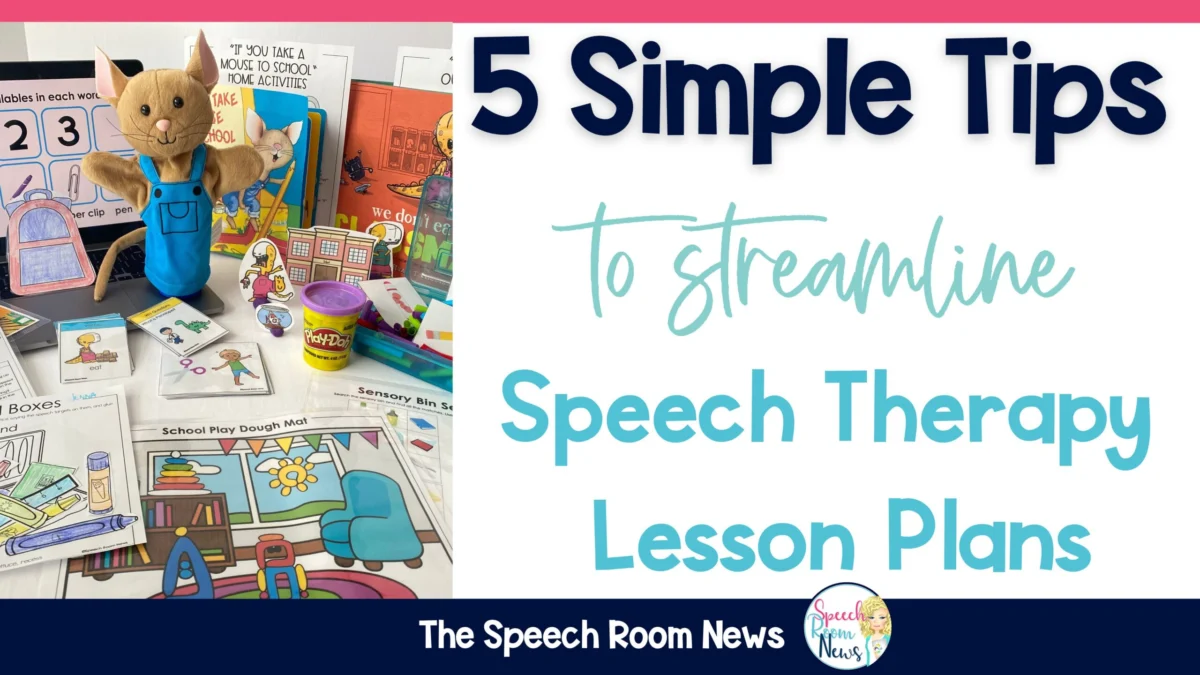
The demanding landscape of school-based speech-language pathology necessitates highly efficient and adaptable lesson planning strategies to effectively serve diverse student populations. In an educational environment where Speech-Language Pathologists (SLPs) often manage extensive caseloads encompassing a wide range of communicative disorders and age groups, the traditional approach of crafting individual, unique lesson plans for each student weekly is proving unsustainable and inefficient. Modern practices emphasize integrated, adaptable methodologies that not only conserve valuable preparation time but also enhance therapeutic outcomes and foster greater collaboration across the educational team. This shift towards strategic planning is not merely a convenience but a professional imperative, critical for maintaining service quality and mitigating clinician burnout.
The Evolving Role and Challenges of School-Based SLPs
The role of a school-based SLP has evolved significantly over recent decades, moving from a primarily pull-out service model to one deeply integrated into the educational fabric. Today’s SLPs are integral members of multidisciplinary teams, responsible for assessment, diagnosis, intervention, consultation, and collaboration, all while navigating increasingly complex student needs and stringent regulatory frameworks. Caseloads can be substantial, often exceeding recommended guidelines, and may include students with diverse diagnoses such as articulation and phonological disorders, language impairments, fluency disorders, voice disorders, and complex communication needs, including those requiring Augmentative and Alternative Communication (AAC).
According to data compiled by the American Speech-Language-Hearing Association (ASHA), school-based SLPs spend a significant portion of their professional time on indirect services, including paperwork, consultations, and, crucially, lesson planning. While direct intervention is paramount, the quality and effectiveness of that intervention are directly tied to the foresight and structure embedded in lesson plans. When SLPs are overwhelmed by the sheer volume of planning required for 50 or more students, each with multiple individualized education program (IEP) goals, the risk of superficial planning or reliance on outdated materials increases. This scenario underscores the urgent need for streamlined, evidence-informed planning approaches that maximize therapeutic impact while optimizing SLP workload. The initial days of a new school year, or starting in a new district with an unfamiliar cohort of students, can be particularly challenging, often leading to intensive, time-consuming preparation that could be significantly reduced with pre-established, flexible frameworks.
The Imperative of Strategic and Adaptable Planning
Efficient lesson planning for speech therapy is a cornerstone of effective intervention. It allows SLPs to:
- Maintain Focus on IEP Goals: Ensure every activity directly addresses specific student objectives.
- Enhance Generalization: Facilitate the transfer of learned skills to various contexts and settings.
- Boost Student Engagement: Utilize varied, motivating materials and activities.
- Reduce Clinician Burnout: Free up valuable time for direct service, data collection, and professional development.
- Promote Curriculum Alignment: Integrate speech and language goals with academic content, supporting overall educational success.
- Facilitate Collaboration: Provide clear frameworks for communication with teachers, parents, and other specialists.
Leading professional organizations in speech-language pathology consistently advocate for practices that are both evidence-based and practical for real-world school settings. This often involves adopting methodologies that allow for multi-goal targeting within a single activity or theme, thereby reducing the need for bespoke materials for every single student or session. The following strategies represent proven methodologies for optimizing speech therapy lesson planning, transforming the daunting task into a manageable and highly effective component of clinical practice.
Core Strategies for Enhanced Planning Efficiency
1. Implementing Theme-Based Therapy Plans
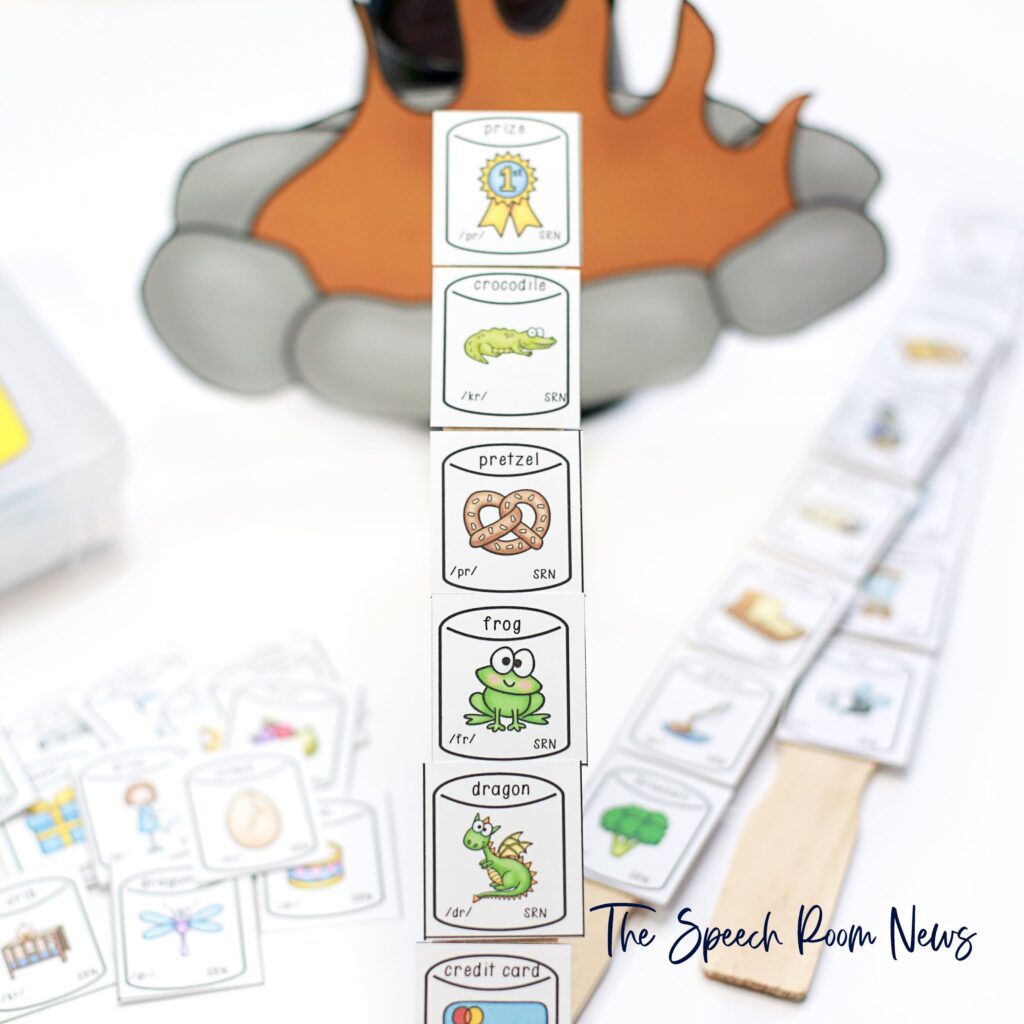
One of the most powerful strategies for streamlining speech therapy lesson planning is the adoption of a theme-based approach. This involves selecting a central theme for a week or month (e.g., "Fall Harvest," "Ocean Animals," "Community Helpers") and then coordinating all therapeutic materials and activities around it. This method offers several significant advantages:
- Versatility for Mixed Groups: A single theme can be adapted to target a multitude of speech and language goals across a diverse group of students. For instance, an "Ocean Animals" theme can be used to target articulation (e.g., /sh/ in "fish"), vocabulary (e.g., "coral," "reef"), sentence structure (e.g., "The shark swims fast"), comprehension (e.g., "What lives in the ocean?"), and narrative skills (e.g., creating a story about a day at the beach).
- Curriculum Alignment: Thematic units often align naturally with classroom curriculum, facilitating carryover and reinforcing academic concepts. This can strengthen the SLP’s role as an educational partner and provide natural contexts for language use.
- Material Reusability: Once a thematic unit is developed, the associated books, toys, worksheets, and crafts can be reused year after year, with minor modifications or additions. This builds a robust, ever-growing library of pre-made resources, drastically reducing future preparation time.
- Enhanced Engagement: Thematic units often captivate students’ interest, leading to increased participation and motivation. The novelty of exploring a topic through various activities keeps therapy sessions dynamic and enjoyable.
The benefit of such an approach is underscored by educational research that highlights the efficacy of thematic instruction in promoting deeper learning and interdisciplinary connections. By consistently building on a theme, SLPs can create a cohesive and engaging therapeutic environment that promotes both skill acquisition and generalization.
2. Adopting a Literacy-Based Therapy Framework
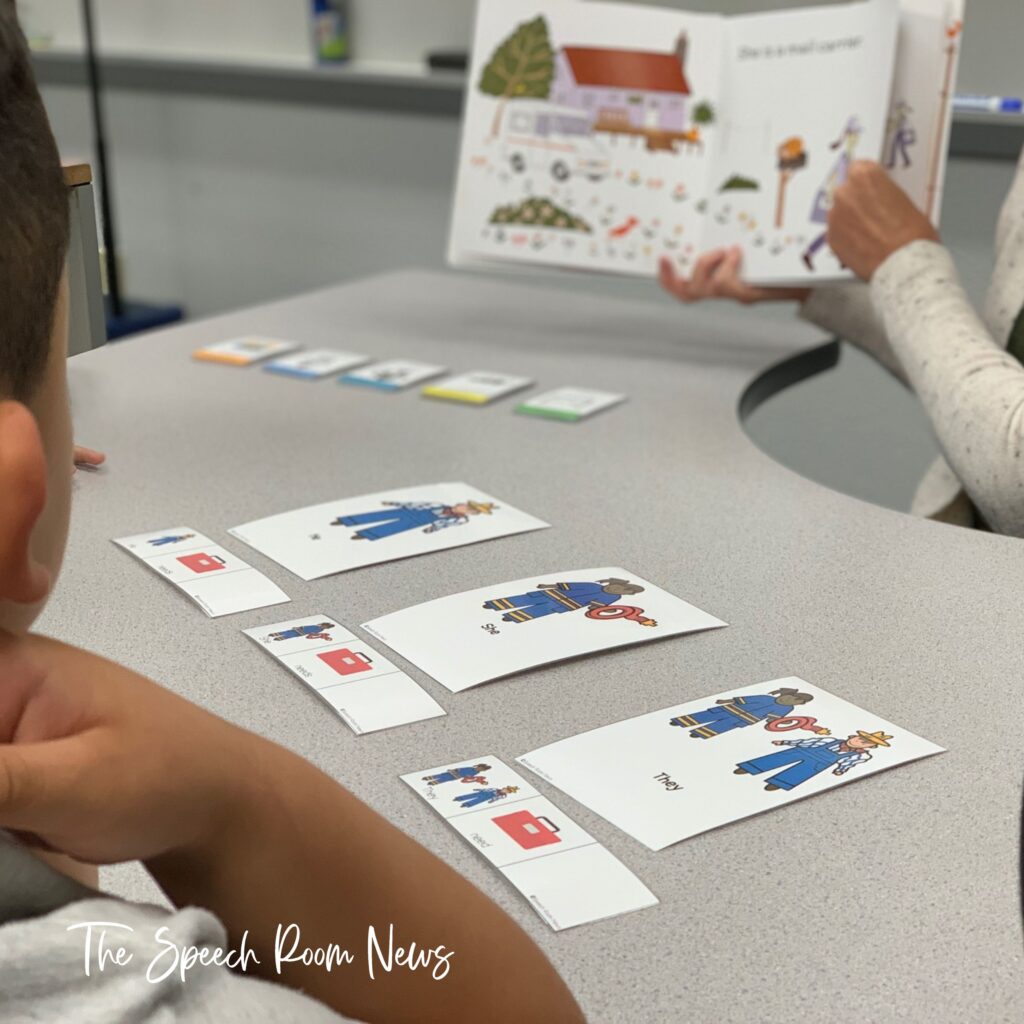
Integrating high-quality children’s literature into therapy sessions is another highly effective method for streamlining planning, particularly for language-based goals. A literacy-based therapy plan leverages picture books or other literary texts as the central stimulus for intervention. This approach is highly beneficial because books inherently provide rich contexts for targeting a vast array of speech and language objectives without requiring extensive material creation.
A typical literacy-based intervention framework includes:
- Pre-Story Knowledge Activation: Students engage in discussions or activities to activate prior knowledge related to the book’s topic or vocabulary, preparing them for comprehension.
- Shared Story Reading: The book is read aloud, with the SLP facilitating comprehension, asking questions, and drawing attention to target language structures or sounds.
- Focused-Skill Activities: Subsequent activities are derived from the book to target specific IEP goals. This might involve sequencing story events, identifying character traits, practicing articulation words found in the text, or generating sentences using new vocabulary.
- Post-Story Comprehension Discussion: Students engage in deeper discussions about the story’s themes, characters, and plot, reinforcing comprehension and critical thinking.
- Multi-Session Utility: A single book and its associated materials can be utilized over multiple sessions, allowing for repeated exposure and deeper processing of target skills.
This approach aligns with research emphasizing the critical link between literacy and language development. By using books that may also be part of the classroom curriculum, SLPs can further bridge the gap between therapy and academic success, ensuring that speech and language skills are practiced in meaningful, curriculum-relevant contexts. The availability of numerous pre-made resources online for popular children’s books further enhances the efficiency of this method.
3. Employing a Narrative Language Approach
Closely related to literacy-based therapy, but with distinct differences, is the narrative language approach. This method centers on teaching storytelling skills, which are fundamental for academic success and social communication. While literacy-based therapy might use one book over several sessions, a narrative language approach typically presents multiple different stories (often one per session) that share similar structural elements or themes. The primary focus is on developing story retell and story generation tasks.
Key aspects of narrative language intervention include:
- Emphasis on Story Grammar: Direct instruction on story elements (characters, setting, initiating event, problem, attempt, consequence, resolution) using visual aids like story grammar icons.
- Complex Syntax and Vocabulary: Explicitly targeting advanced sentence structures and rich vocabulary within the context of narrative development.
- Repeated Exposure: Presenting various stories to help students identify patterns and generalize narrative structures.
- Critical for Curriculum Success: Narrative skills are crucial for understanding academic texts, participating in classroom discussions, and writing coherent essays. This approach directly supports these broader educational outcomes.
The major benefit of this approach lies in its direct focus on a skill set that has profound implications for academic achievement. Research consistently shows a strong correlation between narrative language proficiency and overall academic success, making this a highly impactful and efficient way to integrate multiple language goals within a functional, transferable skill.
4. Maximizing a Single Therapy Toy or Game for Diverse Goals
For therapists seeking an approach with minimal preparation, utilizing a single, versatile toy or game to target a multitude of goals is an invaluable strategy. This method capitalizes on the inherent engaging qualities of play while strategically embedding therapeutic targets. The key is selecting open-ended toys or games that allow for flexibility in application across various skill areas.
Examples of how a single item can be leveraged:
- Candyland: This classic board game can be transformed into a multi-goal activity. Players can only move after completing a target (e.g., articulating a sound, defining a vocabulary word, generating a sentence). Custom cards can be created or purchased to align with specific articulation, language, or social goals.
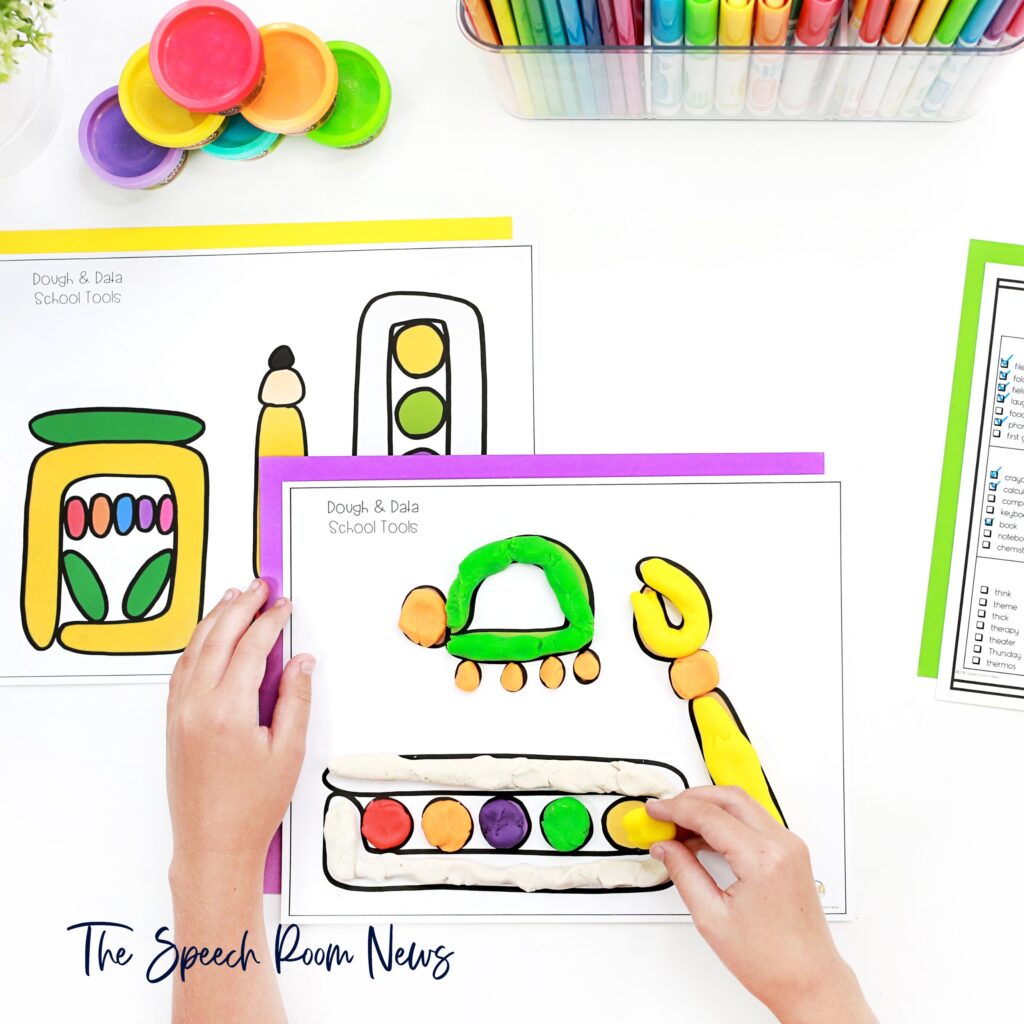
- Play Dough: More than just a sensory activity, play dough can be used for fine motor skill development while simultaneously targeting language (e.g., describing shapes, colors, actions) and articulation (e.g., naming objects made from dough). Data mats can be printed for no-prep progress monitoring.
- Mini Objects: Small, realistic objects are incredibly versatile. They can be used for articulation drills (e.g., naming objects with target sounds), vocabulary building, categorization, prepositions (e.g., "put the bear under the blanket"), following directions, and even story generation. Their tactile nature often enhances engagement.
- Pretend Play Sets (e.g., Ice Cream Shop, Doctor’s Kit): These sets naturally elicit a wide range of language functions. An ice cream shop, for instance, encourages vocabulary related to food and colors, requesting (e.g., "I want chocolate"), describing (e.g., "It’s cold and sweet"), sequencing (e.g., "First, scoop the ice cream, then add toppings"), and social interaction (e.g., ordering, paying).
This strategy minimizes material clutter and prep time, making therapy sessions more spontaneous and responsive to student needs. It draws on the pedagogical benefits of play-based learning, which promotes naturalistic skill acquisition and higher levels of engagement, particularly for younger students or those who benefit from hands-on activities.
5. Structuring Planning Around AAC Core Word of the Week (WOW) Lessons
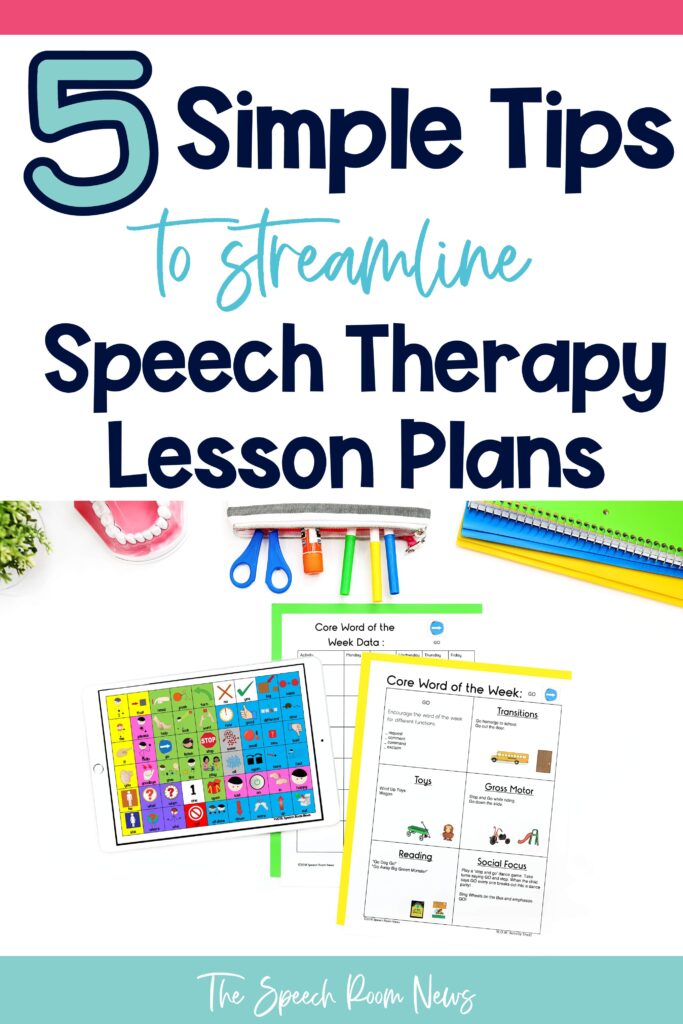
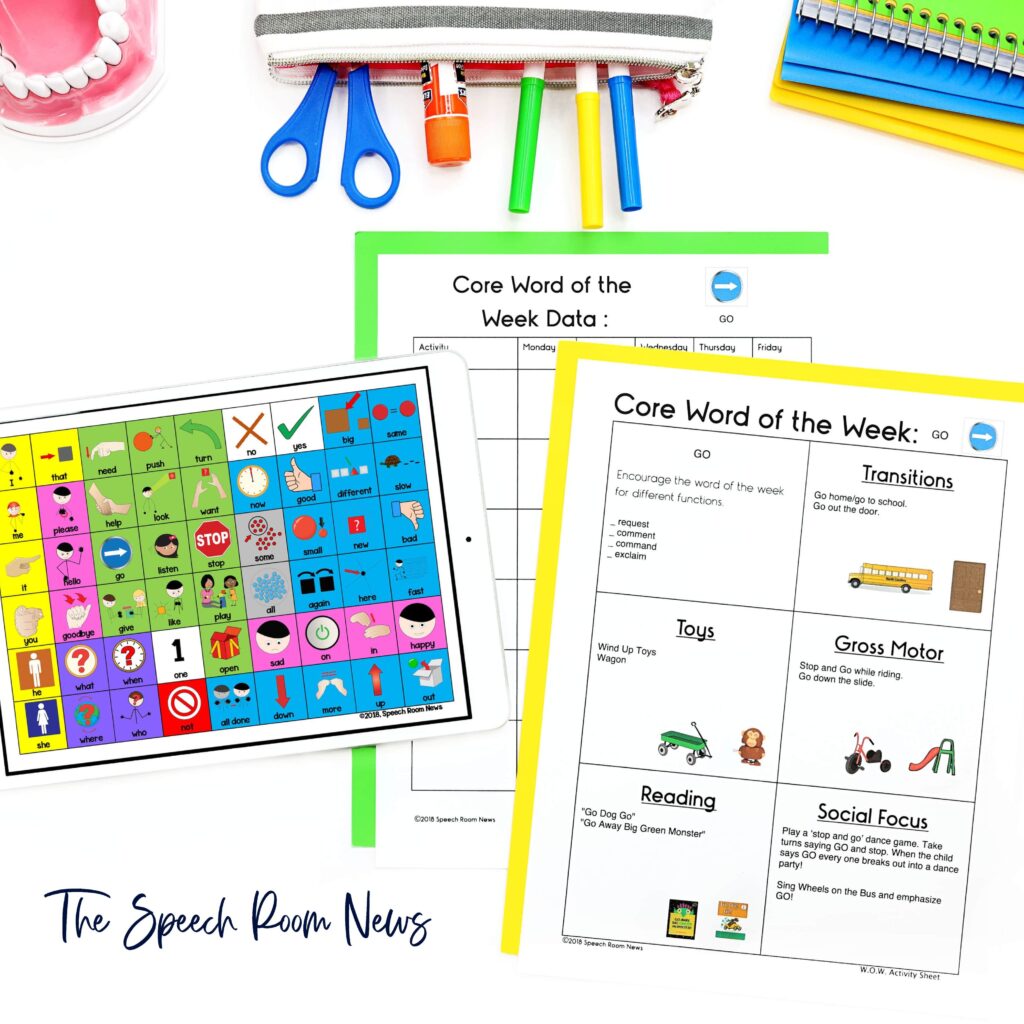
For students who utilize Augmentative and Alternative Communication (AAC), a structured "Core Word of the Week" (WOW) framework provides a highly efficient and collaborative planning solution. Core words are a small set of high-frequency words (e.g., "go," "want," "more," "stop") that account for a large percentage of daily communication. Focusing on a few core words each week ensures consistent exposure and practice across all environments.
The benefits of an AAC WOW framework include:
- Systematic Instruction: Provides a clear, predictable structure for teaching and practicing core vocabulary.
- Team Consistency: Facilitates communication and ensures that all members of the IEP team (SLP, teachers, paraprofessionals, parents) are targeting the same words in a consistent manner. This uniformity is crucial for AAC users to generalize new vocabulary.
- Reduced Planning Time: Pre-designed WOW lesson plans offer a ready-to-use framework, including activity ideas, visual supports, and communication boards, significantly cutting down on individual planning.
- Enhanced Generalization: By focusing on core words that are broadly applicable, students can quickly use them across various contexts and communicative functions.
- Parent Involvement: Ready-made parent letters and home activities encourage family participation, reinforcing learning beyond the school setting.
Professional resources for AAC WOW lessons often include materials for a month of instruction, targeting multiple core words at a time. This structured approach is endorsed by AAC experts for its effectiveness in building a foundational vocabulary and fostering communication independence among AAC users. It transforms what could be a complex, individualized planning task into a cohesive, team-oriented effort.
Bonus Tip: Cultivating a ‘Grab and Go’ Material Repository
Beyond these structured planning methodologies, every school-based SLP benefits immensely from maintaining a well-organized collection of "grab and go" materials. These are versatile, low-prep resources that can be deployed instantly to fill unexpected gaps, serve as supplementary activities, or be utilized by substitute SLPs. This repository acts as a crucial safety net, ensuring that therapy sessions remain productive even when unforeseen circumstances disrupt primary planning.
Essential ‘Grab and Go’ materials often include:
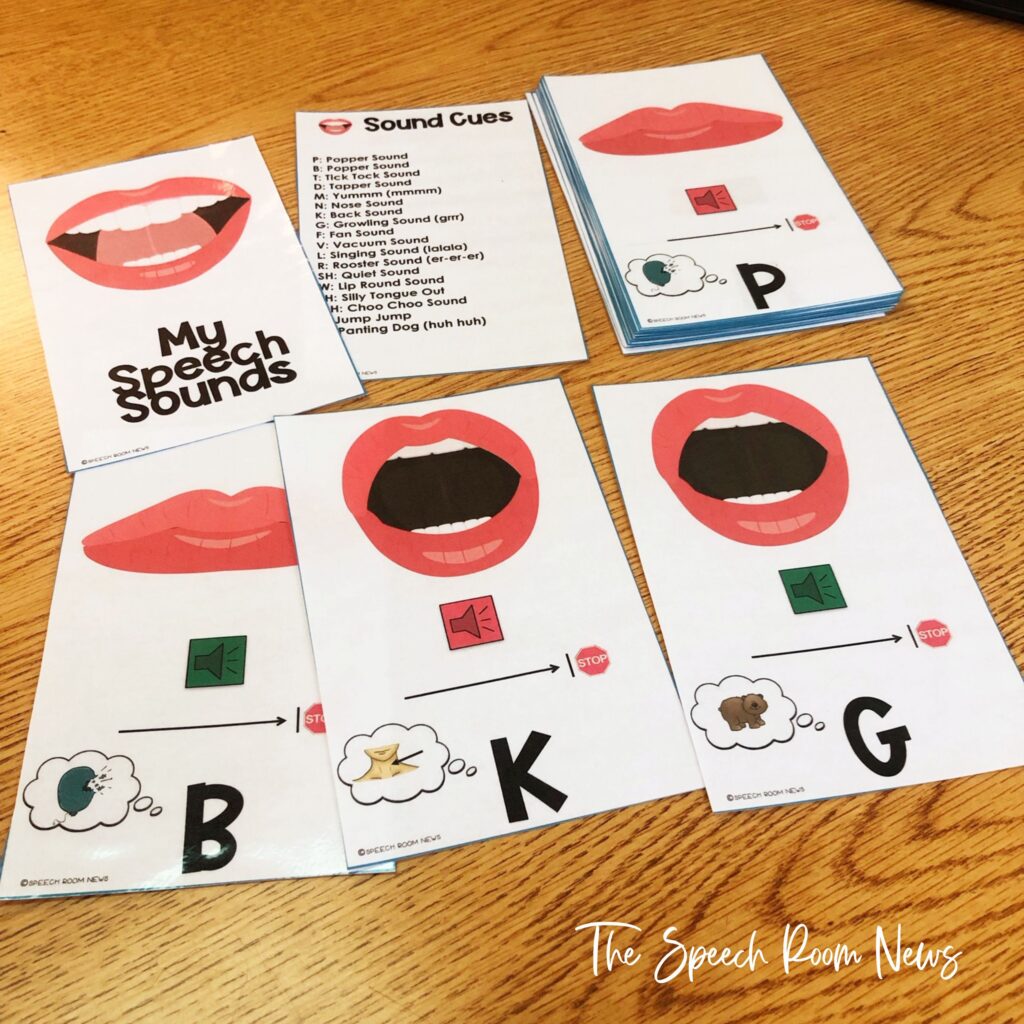
- Articulation Cards: Sets of cards targeting various speech sounds in different word positions, often with visual cues.
- Speech Sound Posters: Visual reminders of articulatory placements and sound production for quick reference.
- Visual Supports for Language and Behavior: Cards or posters illustrating concepts like "first/then," "wait," "my turn," or social stories for behavioral regulation.
- Print-and-Go Home Packets: Ready-to-send activities for articulation or language practice, promoting carryover to the home environment.
- Generic Board Games/Card Games: Simple games like Uno, Jenga, or checkers that can be adapted to target any goal by requiring a target response before a move.
The strategic accumulation of these resources allows SLPs to maintain flexibility and responsiveness, minimizing stress during busy periods or when unexpected student needs arise. It represents a proactive approach to workload management, ensuring that quality intervention is always within reach.
The Broader Impact: Fostering Professional Well-being and Student Success
The adoption of these streamlined lesson planning strategies offers a dual benefit: it significantly enhances the efficiency and effectiveness of speech therapy services while simultaneously contributing to the professional well-being of SLPs. By reducing the administrative burden associated with individualized planning for every session, SLPs can allocate more time to direct student interaction, data analysis, and professional collaboration. This shift can alleviate the pervasive issue of clinician burnout, allowing SLPs to maintain a higher level of job satisfaction and sustained engagement in their vital work.
Ultimately, the primary beneficiaries of these strategic planning approaches are the students. More focused, consistent, and engaging therapy sessions lead to improved skill acquisition, better generalization, and enhanced communication outcomes. As school systems continue to recognize the integral role of SLPs in student success, the emphasis on efficient and evidence-based planning will only grow, underscoring its importance as a cornerstone of modern speech-language pathology practice. Continued professional development and sharing of innovative planning methodologies will be key to empowering SLPs to meet the evolving demands of their profession while delivering optimal services to every student.
