

During the most recent Galaxy Unpacked event, Samsung Electronics and Google announced a transformative update to the Android ecosystem specifically tailored for the newly unveiled Samsung Galaxy S26 series. This collaboration marks a significant milestone in a decade-long partnership, signaling a shift in the role of the mobile operating system. According to Mindy Brooks, Vice President of Product Management and User Experiences for the Android Platform, Android is evolving from a traditional operating system into an "intelligent system" that learns from user behavior and actively assists in managing daily life. The integration of Google’s Gemini 3 series models directly into the Galaxy S26 hardware provides a foundation for sophisticated features ranging from multi-step task automation to real-time scam protection, setting a new benchmark for the premium smartphone market.
The Strategic Evolution of the Samsung-Google Partnership
The announcement at Galaxy Unpacked is the culmination of years of technical alignment between the two tech giants. Historically, the relationship between Samsung and Google focused on optimizing the Android interface for Galaxy hardware. However, starting with the introduction of Galaxy AI in previous iterations, the focus has shifted toward deep-seated artificial intelligence integration. The Galaxy S26 series represents the most advanced manifestation of this vision, utilizing high-performance neural processing units (NPUs) to handle complex AI workloads locally on the device.
Market analysts suggest that this tightening of the Samsung-Google alliance is a strategic response to the growing competitive pressure in the generative AI space. With mobile manufacturers increasingly differentiated by their software capabilities rather than just hardware specifications, the S26 serves as a flagship vehicle for Google’s most ambitious AI projects. The move ensures that Samsung remains the premier partner for Android innovations, while Google secures a massive user base for its Gemini ecosystem.
Gemini and the Rise of Multi-Step Task Automation
One of the most significant features introduced for the Galaxy S26 is an early preview of multi-step task execution via the Gemini app. For years, digital assistants have been limited to single-command responses, such as setting timers or checking the weather. The new Gemini integration on the S26 seeks to break these barriers by handling complex, cross-app workflows that previously required manual user intervention.
By long-pressing the side button, users can delegate tedious tasks to Gemini. Examples provided during the demonstration included ordering a rideshare, organizing a complex dinner order through delivery apps, and building a grocery cart based on a digital recipe. Unlike previous iterations, this feature allows Gemini to run in the background. While the AI navigates various app interfaces to complete a request, the user is free to continue using the phone for other tasks, such as texting or checking emails.
A live progress indicator in the notification shade keeps the user informed of the AI’s actions, providing the option to intervene or stop the process at any time. This beta feature will initially launch in the United States and Korea, focusing on popular apps in the food, grocery, and rideshare categories. The move toward "agentic AI"—AI that can take actions on behalf of the user—represents a fundamental change in how consumers interact with their mobile devices.
Redefining Visual Discovery with Circle to Search
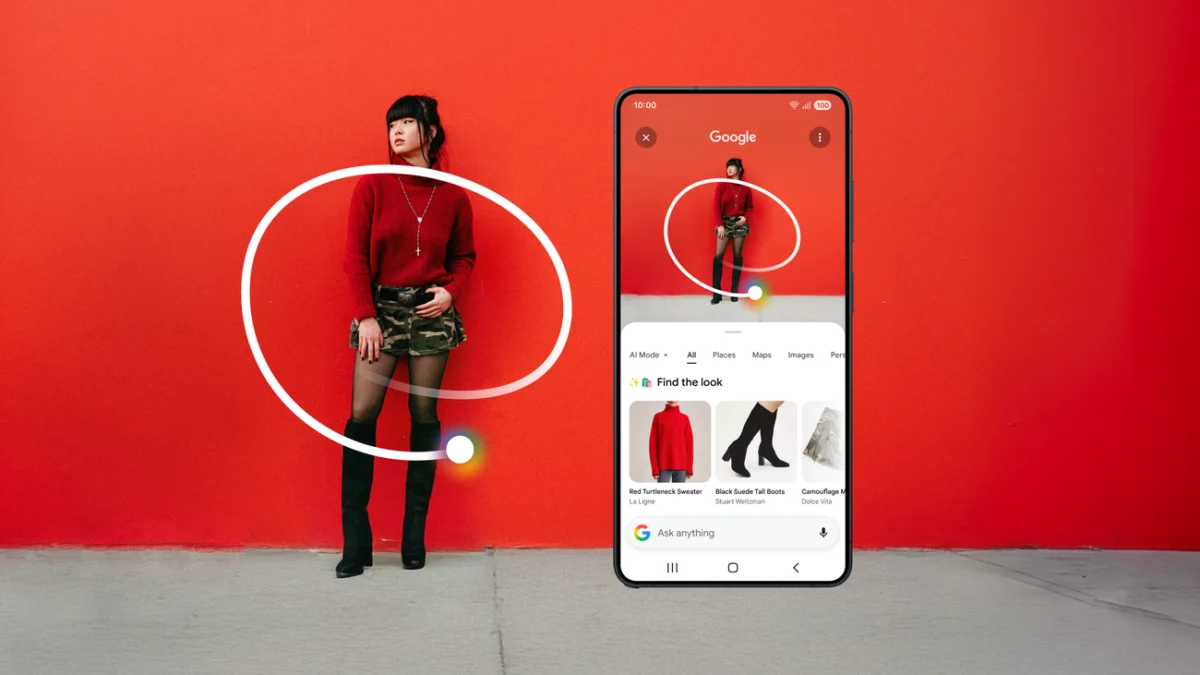
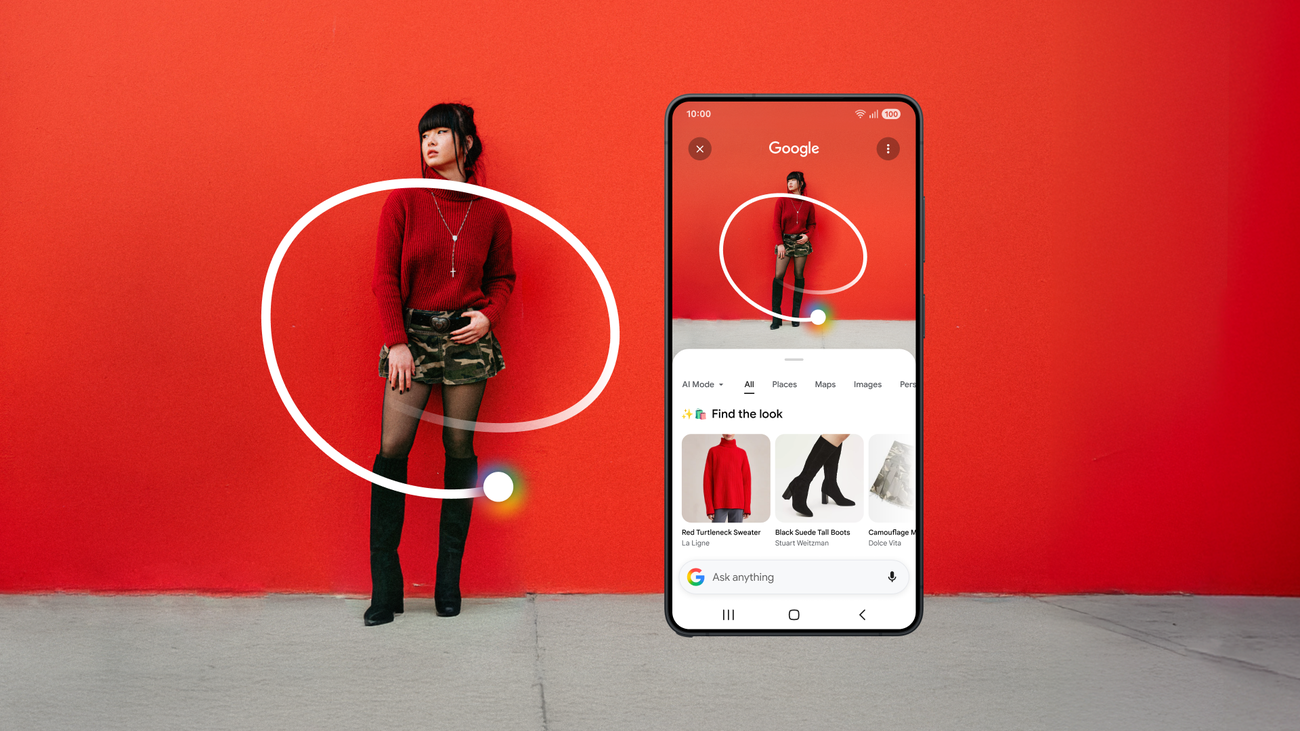
Since its debut, Circle to Search has become one of the most widely adopted AI features on the Android platform, currently active on over 580 million devices. For the Galaxy S26, Google and Samsung are enhancing this tool with multi-object image recognition. This update allows the system to identify and categorize multiple items within a single frame simultaneously.
For instance, a user browsing a social media feed might see an entire outfit they admire. Previously, searching for the items would require individual queries for the jacket, shoes, and accessories. With the new "Find the Look" enhancement, a single gesture allows the AI to identify every component of the outfit and provide visual matches for each. This technology is particularly aimed at design inspiration and fashion curation, allowing users to "search for an entire aesthetic" rather than isolated products.
Furthermore, the Galaxy S26 introduces an integrated virtual try-on feature within Circle to Search. After identifying a piece of clothing, users can upload a photo of themselves to see how the item—or similar styles from various brands—would look on their frame. This integration of AI-driven commerce aims to reduce the friction between discovery and purchase, providing a more immersive shopping experience directly within the operating system.
On-Device Intelligence and Proactive Scam Protection
Security remains a primary focus for the Galaxy S26 series, particularly regarding the rising prevalence of sophisticated phone scams. Google is leveraging the on-device Gemini model to introduce advanced Scam Detection within the native Samsung Phone app. This feature is designed to provide real-time protection by analyzing call patterns and language to identify potential fraudulent activity.
If the system detects a high probability of a scam during a live conversation, the user receives an immediate audio and haptic alert. Crucially, Google emphasized that this analysis happens entirely on the device to maintain user privacy. No call data is sent to the cloud for this specific process, and the feature is automatically disabled for calls involving saved contacts.
This proactive approach to security reflects a broader trend in the industry toward "Privacy-Preserving AI." By keeping the intelligence on the hardware, Samsung and Google aim to provide the benefits of real-time monitoring without the privacy risks associated with cloud-based data processing. Security experts note that on-device detection is a significant hurdle for scammers who rely on social engineering, as the AI can flag suspicious requests for personal information or financial transfers as they happen.
Technical Infrastructure: The Gemini 3 Series
The capabilities showcased on the Galaxy S26 are powered by the Gemini 3 series, Google’s latest iteration of its multimodal AI models. These models are designed to understand complex goals, ask follow-up questions when a request is ambiguous, and proactively suggest the next logical step in a sequence of actions.

The S26 hardware is optimized to run these models efficiently, balancing power consumption with the high computational demands of generative AI. By utilizing the Gemini 3 series, the S26 can process text, images, and audio with greater nuance than its predecessors. This underlying technology is what enables the device to act more like a personal assistant and less like a static tool.
Chronology of Development and Availability
The path to the Galaxy S26 AI features has been a multi-year journey of software refinement:
- Late 2024: Development of Gemini 3 series begins with a focus on mobile optimization.
- Mid 2025: Samsung and Google finalize the hardware-software integration for the S26 NPU.
- Early 2026: Beta testing for multi-step tasks commences in select regions.
- February 2026: Official unveiling of the Galaxy S26 at Galaxy Unpacked, featuring the "Intelligent System" rebrand of Android.
- Launch Window: The Galaxy S26 series will be the first to ship with these features, with a phased rollout of beta capabilities starting in the US and Korea.
Industry Impact and Broader Implications
The introduction of these features on the Galaxy S26 is expected to have a ripple effect across the smartphone industry. As AI becomes the primary interface for many users, the traditional "app grid" model may begin to fade. If Gemini can handle tasks across multiple apps, the importance of individual app icons decreases, shifting the power dynamic toward the platform provider that controls the AI assistant.
Competitors like Apple are also moving in this direction with "Apple Intelligence," creating an "AI arms race" in the mobile sector. For consumers, this competition is likely to result in more intuitive devices, but it also raises questions regarding platform lock-in and the long-term sustainability of the app-based economy.
Furthermore, the focus on on-device AI marks a pivot away from the cloud-heavy strategies of the last decade. As privacy regulations tighten globally, the ability to provide high-level intelligence without compromising personal data will be a key differentiator for flagship devices. The Galaxy S26 serves as a proof of concept for this local-first AI future.
In conclusion, the Samsung Galaxy S26 is more than a hardware refresh; it is a showcase for the next generation of Android. By integrating the Gemini 3 models into the core experience, Samsung and Google are attempting to redefine what a smartphone can be. While many of the most ambitious features remain in beta, the direction is clear: the future of mobile is not just connected, but proactively intelligent. As these features roll out to the global market, they will likely set the standard for what users expect from their personal technology in the years to come.
