

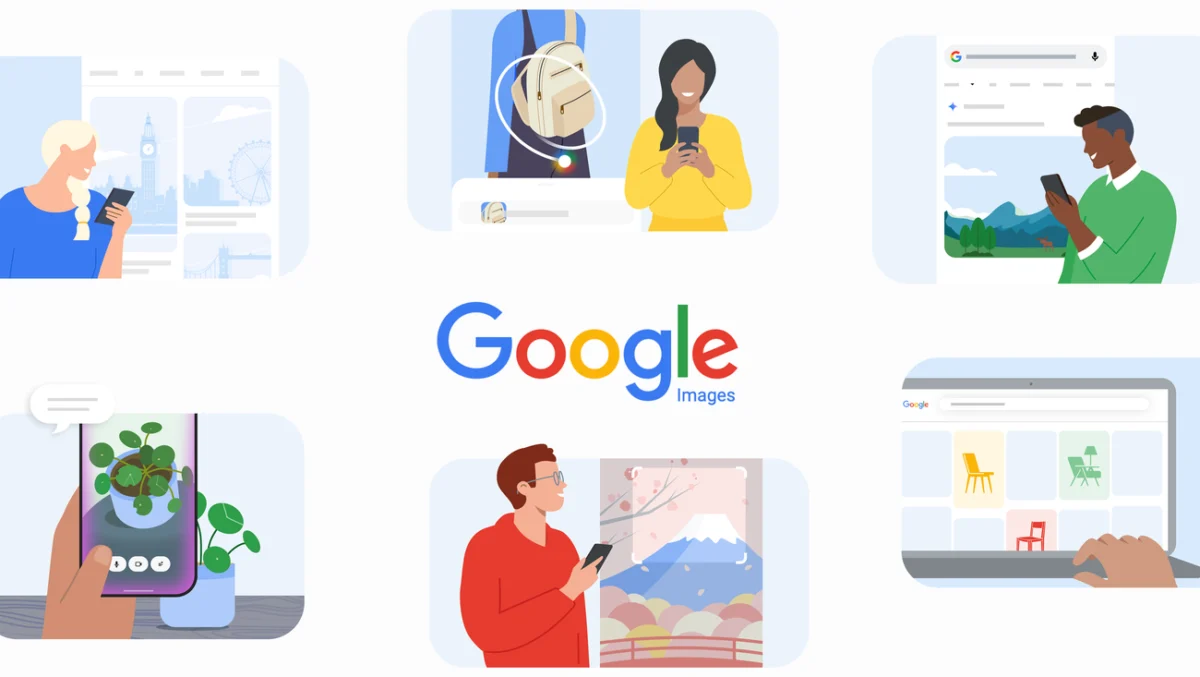
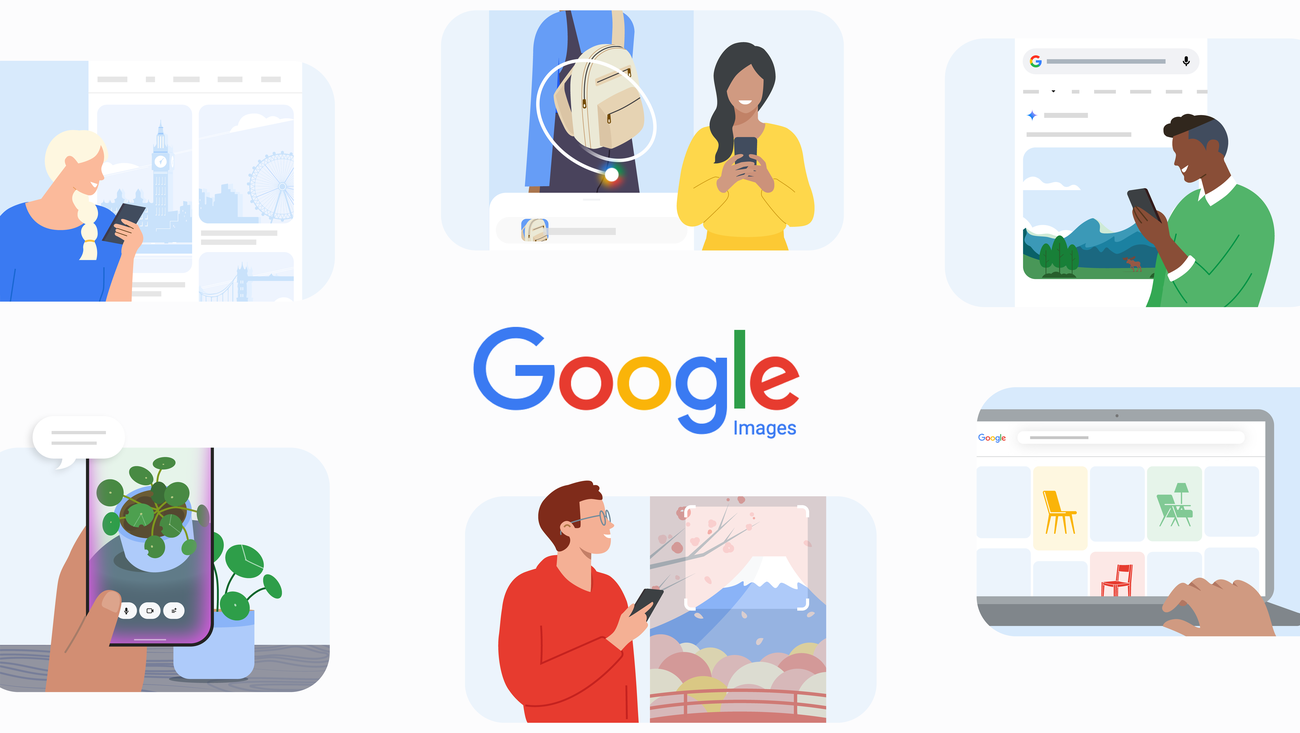
Google this week officially marked the 25th anniversary of Google Images, a milestone that underscores the search giant’s transition from a text-heavy index to a sophisticated, multimodal ecosystem. To commemorate the quarter-century achievement, the company announced two significant updates to its platform: a redesigned, immersive homepage for Google Images and the integration of advanced generative artificial intelligence directly into Search via AI Overviews. These developments represent the latest efforts by the Mountain View-based company to unify traditional information retrieval with creative generation, signaling a future where the distinction between "finding" and "creating" visual content continues to blur.
Brad Kellett, Senior Engineering Director for Search, noted that the evolution of Google Images has fundamentally altered how users interact with the digital world. What began as a response to a viral cultural moment has matured into a complex technological framework capable of identifying objects in real-time, translating text across languages, and now, generating high-fidelity imagery from scratch. As Google rolls out these features, the company is also reflecting on the technical milestones that have defined visual search over the past two and a half decades.
The Dawn of Visual Search: From Blue Links to the Versace Dress
The origins of Google Images are famously rooted in the 2000 Grammy Awards. When entertainer Jennifer Lopez appeared in a green Versace silk chiffon dress, the surge in search volume for the image was unprecedented. At the time, Google Search was exclusively a text-based experience, providing users with a list of blue links. The inability to deliver the specific visual result users were clamoring for served as a catalyst for internal innovation. In July 2001, Google Images was officially launched, offering a dedicated portal for 250 million images.
This launch marked the first major shift in search behavior. Users were no longer limited to reading about events; they could witness them. By 2010, the index had grown to over 10 billion images, driven by the rapid digitization of photography and the proliferation of the mobile web. This era established the foundational architecture for visual indexing, though it remained heavily dependent on metadata—alt-text, filenames, and surrounding page content—to understand what an image contained.
Advancing to Computer Vision: 2009 to 2011
As the volume of visual data increased, Google shifted its focus toward computer vision. In 2009, the introduction of the "Similar Images" feature allowed users to refine their searches without typing. By clicking a "find similar" button, users could signal to the algorithm that they were interested in the visual characteristics of a specific result—such as the shape of a bow or the color of a landscape—rather than just the keyword.
This was followed in 2011 by "Search by Image," a revolutionary tool that allowed the image itself to function as the query. By uploading a file or pasting a URL, users could reverse-engineer the source of a photo, find higher-resolution versions, or identify unknown landmarks. This period represented a critical pivot from "text-to-image" search to "image-to-information" search, laying the groundwork for the more advanced AI models that would emerge a decade later.
The Mobile Revolution and the Birth of Google Lens
The year 2018 marked a paradigm shift with the debut of Google Lens. Leveraging advances in neural networks and smartphone hardware, Lens transformed the camera into a search box. This was no longer about searching the web for an image; it was about searching the physical world. Lens introduced the ability to extract text from documents, identify plant species, and provide real-time product links for items found in a user’s environment.
By 2022, Google expanded this capability with "Multisearch," a feature that allowed users to combine visual and textual queries simultaneously. For example, a user could take a photo of an orange patterned dress and add the text "blue" to find the same garment in a different color. This multimodal approach reflected a more natural human way of seeking information, acknowledging that visual data often requires linguistic context to be truly useful.

2024 to 2026: The Generative AI Era and Beyond
The most recent developments in Google’s visual search history are defined by the integration of generative AI. In 2024, "Circle to Search" was introduced to the Android ecosystem, allowing users to initiate a search from any app with a simple gesture. Currently available on over 580 million devices, this feature removed the friction of app-switching, making search an ambient part of the mobile experience.
By 2025 and 2026, the company introduced "AI Mode" and "Search Live," which utilized the "visual image fan-out" technique. This process allows the AI to break down a single image into dozens of sub-queries, analyzing every object and contextual clue within a scene. The newly announced "Intelligent Search Box" further simplifies this, allowing for the upload of multiple images at once to answer complex, nuanced questions.
New Innovations: Immersive Browsing and the Nano Banana Model
The 25th-anniversary updates represent a culmination of these historical milestones. The new Google Images homepage is designed as a dynamic, immersive gallery. Unlike the static grid of the past, this new interface is intelligently tailored to individual interests. As users browse and save ideas to their collections, the system creates tabs that allow for seamless navigation between different creative inspirations. This update is currently rolling out to desktop users in the United States.

Simultaneously, Google is bringing image generation directly into the search experience. Utilizing the "Nano Banana" model—the latest in Google’s suite of lightweight, high-efficiency AI models—users can now generate custom visuals from text prompts within AI Overviews. This bridge between imagination and reality allows users to create specific images that may not yet exist on the open web, such as a "small bathroom with dark green and butter yellow walls" for home renovation planning.
Technical Analysis and Market Implications
The shift toward generative visual search has profound implications for the digital economy. According to industry data, visual search usage has seen a compound annual growth rate of over 20% among younger demographics, who increasingly prefer visual discovery over traditional keyword queries. By integrating generation and discovery, Google is positioning itself to compete with visual-heavy platforms like Pinterest and Instagram, while also providing utility for e-commerce and professional design.
The "Nano Banana" model represents a significant technical achievement in balancing quality with latency. In the past, high-quality image generation required massive computing power and significant time. By optimizing these models for Search, Google is making generative AI accessible to hundreds of millions of users in real-time. This efficiency is crucial for maintaining Google’s dominant market share in an era where AI-driven competitors are emerging.

Strategic Impact on E-Commerce and Information Integrity
From a commercial perspective, these updates enhance the "shoppability" of the internet. With "Multi-Object Recognition" in Circle to Search, users can deconstruct an entire outfit from a single photo, finding individual links for shoes, trousers, and accessories simultaneously. This reduces the "path to purchase" and creates new opportunities for retailers to reach consumers at the moment of inspiration.
However, the rise of AI-generated imagery also presents challenges regarding information integrity. Google has addressed these concerns by implementing digital watermarking and metadata standards to identify AI-generated content. As the company celebrates 25 years, the focus remains on ensuring that visual search remains a reliable tool for navigating the complexities of the modern world.
Conclusion: The Future of the Visual Web
As Google Images enters its next quarter-century, the trajectory of the platform is clear: a move toward a fully interactive, multimodal, and generative experience. The transition from the "JLo dress" era to the "Nano Banana" era reflects a broader evolution in human-computer interaction. Search is no longer just a way to find a specific file; it is a collaborative tool for exploration and creation.

The 25-year milestone is not merely a look back at past achievements but a roadmap for the future. With the integration of live video conversations in Search Live and the ability to ask detailed questions about multiple images in the Intelligent Search Box, Google is moving toward an "ambient search" environment. In this future, the world itself becomes a searchable interface, and the barriers between visual observation and digital information continue to disappear. For users, this means a more intuitive, powerful, and creative way to engage with the vast amount of visual information that defines the 21st century.
