

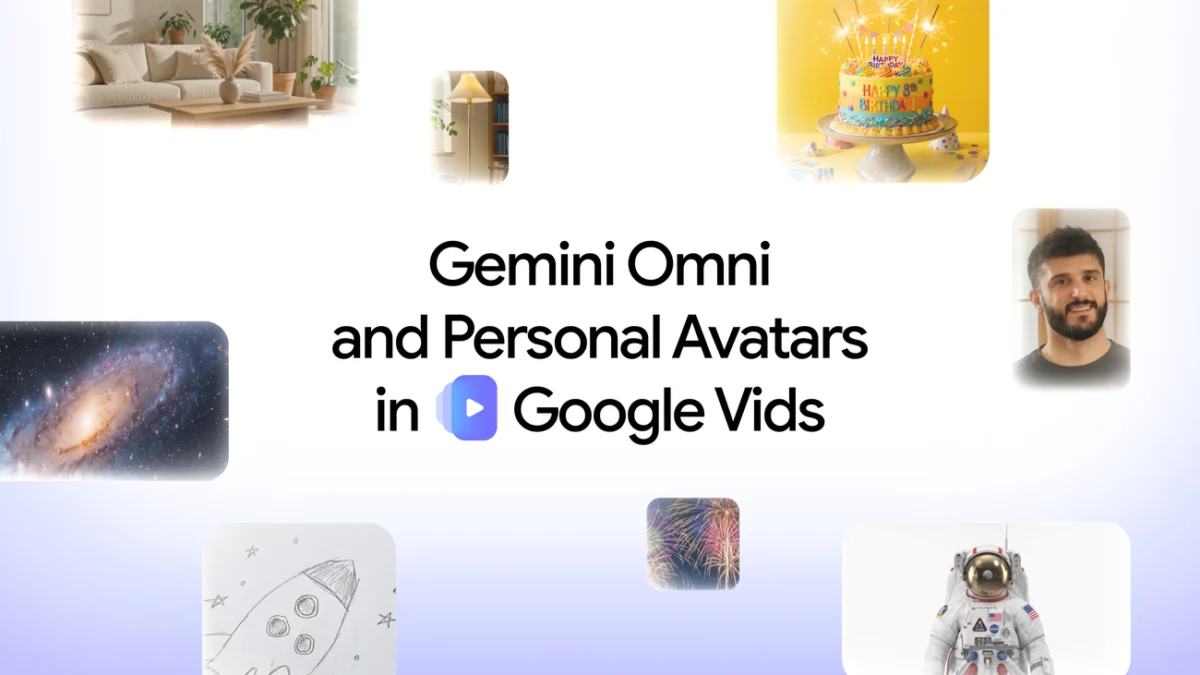
The introduction of Gemini Omni marks the arrival of Google’s most capable multimodal AI within the Vids interface. Unlike previous iterations that relied on disparate models for text and visual processing, Gemini Omni is designed to handle multiple streams of data simultaneously. This allows users to provide a combination of text descriptions, reference photographs, and even rough hand-drawn sketches to guide the AI in generating a cohesive video clip. The system effectively "mixes" these inputs, understanding the spatial and temporal requirements of a video to produce results that align with the user’s specific creative vision.
A New Era of Prompt-Based Video Editing
One of the most technically significant aspects of this update is the "Chat to Edit" functionality. Traditional video editing is often characterized by a steep learning curve, requiring familiarity with timelines, keyframes, and complex software interfaces. Google Vids seeks to replace this with a conversational paradigm. By utilizing Gemini Omni, users can now engage in a step-by-step dialogue with the software to refine their drafts.
For instance, if an initial AI-generated clip features a background that does not match a company’s branding, the user can simply type, "Replace the background with a modern office setting in blue tones." The AI interprets this command and applies the changes without requiring the user to manually mask subjects or adjust color layers. This iterative process extends to lighting adjustments, the addition of visual effects, and the swapping of assets. Because the model supports sequential edits, users can build upon their work incrementally, a feature that addresses one of the primary frustrations of generative AI: the "all-or-nothing" nature of early text-to-video tools.
The Rise of Digital Likeness: Personal Avatars
Alongside the editing enhancements, Google has introduced "Personal Avatars," a feature that allows users to create a digital twin for their video content. This technology is aimed at professionals who need to deliver frequent video updates, such as internal briefings or personalized sales pitches, but lack the time or resources for constant filming.
The creation process is designed for speed and accessibility. A user uploads a high-quality selfie and a brief voice recording to the platform. Google’s AI then processes these assets to generate a digital avatar that mimics the user’s appearance and vocal cadence. Once the avatar is created, the user can generate new video content simply by typing a script. The avatar will then "perform" the script with synchronized lip movements and natural expressions.
To maintain security and prevent the unauthorized use of likenesses, Google has implemented strict protocols. Personal avatars are tied exclusively to the user’s Google Account and are restricted to the account holder’s own likeness. Furthermore, the feature is currently limited to users aged 18 and older in specific geographic regions, reflecting a cautious approach to the deployment of "deepfake" style technology in a professional setting.
Chronology of Google’s Video AI Development
The current updates to Google Vids are the culmination of a multi-year effort to integrate generative AI into the Workspace suite. The timeline of this development reveals a rapid acceleration in capability:
- April 2024: Google first announces Google Vids at the Google Cloud Next conference, positioning it as an AI-powered video app for work that sits alongside Docs, Sheets, and Slides.
- Early 2024: Google introduces Veo, its high-definition video generation model, designed to compete with industry rivals like OpenAI’s Sora and Adobe’s Firefly.
- February 2024: Veo 3.1 is integrated into Google Vids, providing the first widespread access to generative video clips for Workspace users.
- Late 2024: The rollout of Gemini Omni and Personal Avatars signifies the shift from simple generation to complex, multimodal editing and personalized content creation.
This progression indicates Google’s strategy to move beyond "novelty" AI toward "utility" AI, where the technology is embedded into daily productivity tasks rather than existing as a standalone experimental tool.
Technical Infrastructure and Content Transparency
As generative AI becomes more prevalent, the issue of content authenticity has moved to the forefront of the technological discourse. Google has addressed this by integrating SynthID into every clip generated within Google Vids. SynthID is an invisible digital watermark that remains embedded in the pixels of the video. While it is imperceptible to the human eye, it can be detected by specialized software, allowing viewers or platforms to verify that the content was created using AI.

This move is part of a broader industry trend toward transparency. By providing a "digital paper trail," Google aims to mitigate the risks associated with misinformation and the potential misuse of AI-generated imagery. The company has emphasized that responsible AI usage is a cornerstone of the Vids platform, especially as the tools for creating realistic human avatars become more accessible to the general public.
Market Context and Industry Reaction
The updates to Google Vids arrive at a time when the "Enterprise Video" market is seeing unprecedented growth. According to industry data, video content now accounts for a significant portion of internal corporate communication, with a growing preference for short-form, digestible updates over long-form emails or static presentations.
Industry analysts suggest that by lowering the cost and time required for video production, Google is challenging established players in the creative software space. Traditional editing suites like Adobe Premiere Pro and DaVinci Resolve remain the standard for high-end cinema and broadcast, but for the "prosumer" or corporate employee, the barrier to entry for these tools is often too high. Google Vids, by contrast, targets the billions of users already familiar with Google Docs, offering a "slides-to-video" workflow that feels intuitive.
While official statements from competitors are rare, the broader reaction from the tech community suggests a shift in expectations. The integration of Gemini Omni places pressure on other productivity suites, such as Microsoft 365, to further enhance their own AI video capabilities within tools like Microsoft Clipchamp and Copilot.
Broader Implications for the Future of Work
The long-term implications of these updates extend beyond simple convenience. The ability to generate professional video through natural language has the potential to democratize storytelling within large organizations. A project manager with no background in cinematography can now produce a high-quality project wrap-up video that includes their own digital avatar, complete with branded backgrounds and dynamic transitions.
However, this shift also raises questions about the future of professional video editing roles. While AI can handle the "heavy lifting" of assembly and basic refinement, human oversight remains essential for creative direction, emotional resonance, and strategic messaging. The role of the "editor" may evolve into that of a "prompt engineer" or "creative director," focusing on the high-level vision while the AI manages the technical execution.
Furthermore, the personal avatar feature represents a significant step toward the "virtualization" of presence. As remote and hybrid work models become permanent fixtures of the global economy, the ability to be "on camera" without physically being present could change how we perceive digital interaction. It offers a solution to "Zoom fatigue" and the logistical challenges of global time zones, allowing for asynchronous communication that feels more personal than a standard text-based update.
Access and Availability
Gemini Omni and the personal avatar features are currently being rolled out to a specific segment of the Google user base. Access is granted to subscribers of Google AI Pro and Ultra plans, as well as Google Workspace Business customers. This tiered approach ensures that the most computationally expensive features are initially available to power users and enterprises who can most benefit from the increased productivity.
As Google continues to refine these models, it is expected that the features will eventually see a wider release, potentially incorporating more languages and broader regional support for avatars. For now, the focus remains on providing a secure, transparent, and highly efficient video creation environment for the modern professional.
In conclusion, the integration of Gemini Omni and Personal Avatars into Google Vids is more than a simple feature update; it is a fundamental redesign of how video is conceived and produced in a professional context. By combining multimodal AI with personalized digital likenesses and robust transparency measures, Google is positioning Vids as a central pillar of the future workplace, where the distance between an idea and a finished video is reduced to a few lines of text.
