

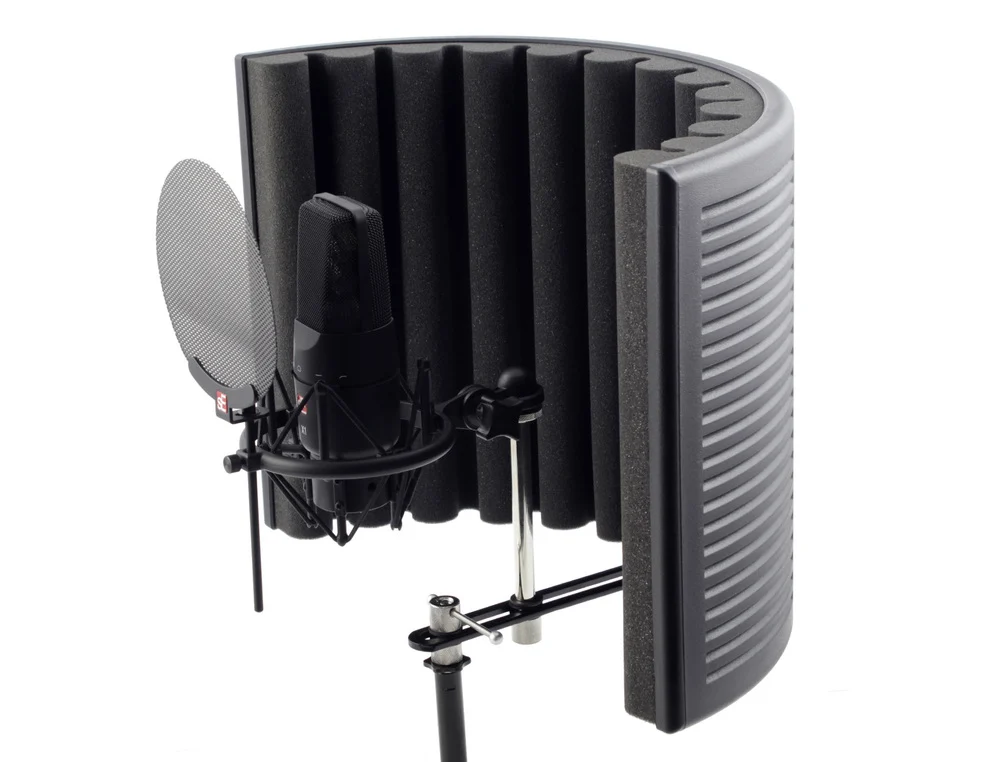
The persistent question echoing through home recording spaces and among aspiring audio professionals – "Do I need a sound reflection filter in my home studio?" – warrants a comprehensive examination beyond simple yes or no answers. This article aims to demystify the role of these accessories by delving into the fundamental principles of acoustics, microphone design, and the practicalities of creating an effective recording environment. For many, the allure of a quick fix to acoustic issues has led to the widespread adoption of reflection filters, yet their actual efficacy is often misunderstood. Gravy For The Brain, a prominent platform for audio education, has consistently addressed this query, prompting a detailed exploration of the science behind sound and its capture.
Defining the Home Recording Studio: More Than Just a Room
At its core, a home recording studio, regardless of its scale, is designed to achieve a singular objective: to create a controlled and consistent acoustic environment. This environment must fulfill several critical criteria. Firstly, it needs to prevent external sounds from intruding into the recording space – a concept known as minimizing sound ingress. Secondly, it must ensure that the audio being recorded does not escape the studio, thus preventing sound egress, which can be a concern for neighbours or other occupants. Most crucially, and central to the debate around reflection filters, the studio must actively minimize unwanted sound reflections that bounce off surfaces within the recording space and re-enter the microphone. These reflections, often referred to as "room tone" or "reverb," can degrade the clarity and professional quality of audio recordings.
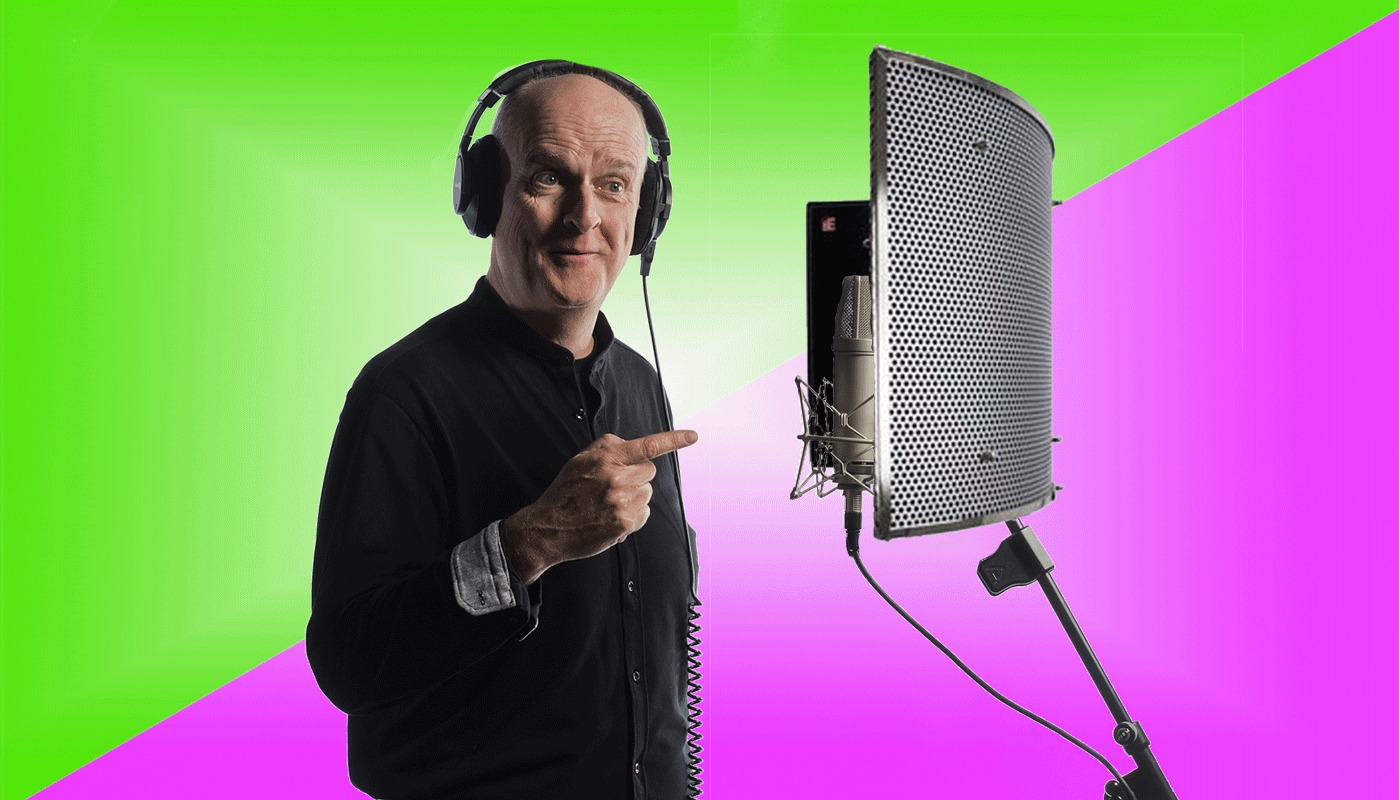
The ultimate goal in any recording space is to isolate the desired sound source – typically a voice or instrument – and capture it with maximum fidelity. This means ensuring that the microphone primarily picks up the direct sound from the source, with minimal interference from ambient noise or the acoustic characteristics of the room. As Hugh, a leading voice-over coach, often emphasizes, "The aim is to remove all sound reflections altogether so that we just get your pure vocal into the mic and that only." Achieving this ideal often involves constructing dedicated recording booths or meticulously adapting existing spaces within a home or garage. For those seeking detailed guidance, resources such as comprehensive Home Recording Studio courses and webinars on building such spaces are available through platforms like Gravy For The Brain, offering a roadmap for acoustically treating a recording area.
The Mechanics of Sound Reflection: Understanding What Needs to Be Filtered
To effectively address the question of reflection filters, it’s essential to understand how sound interacts with different surfaces. Sound, in essence, is a wave of energy that propagates through a medium. When these waves encounter a surface, they can be absorbed, reflected, or transmitted. The nature of the surface dictates the outcome.
Hard, flat surfaces, such as glass, bare walls, or polished wood, are highly reflective. They act like mirrors for sound waves, bouncing them back into the room with minimal loss of energy. This creates echoes and reverberation, which are detrimental to clean audio recordings. Conversely, soft, porous, and irregular surfaces are designed to absorb sound energy. Thick curtains, heavy duvets, and acoustic foam tiles are examples of materials that effectively dampen sound waves, preventing them from bouncing back into the microphone.

The original article humorously notes that even a cat, with its soft fur, can act as a sound absorber, a testament to the principle of using soft materials to mitigate reflections. However, it strongly advises against lining a recording booth with live animals due to ethical and practical concerns. This highlights that while the principle of using soft, absorptive materials is sound, the implementation must be practical and humane.
Popular commercially available reflection filters, such as those manufactured by Auray and SE Electronics, are designed with an outer shell and an inner lining of absorptive material. They are typically shaped to surround the microphone, aiming to create a localized zone of acoustic treatment around the capture device. The marketing of these products often suggests that they effectively isolate the microphone from the ambient acoustic environment of the room.
The Crucial Role of Microphone Pickup Patterns
The efficacy of any acoustic treatment, including reflection filters, is intrinsically linked to the way microphones capture sound. Microphones are not omniscient devices; they are designed with specific directional sensitivities known as polar pickup patterns. These patterns define the areas around the microphone from which it is most sensitive to sound. Understanding these patterns is paramount to comprehending why reflection filters might fall short of expectations.
The most common polar pickup patterns include:
- Omnidirectional: Picks up sound equally from all directions (360 degrees).
- Cardioid: Picks up sound most effectively from the front, with progressively less sensitivity to the sides and rear. This pattern is often described as heart-shaped.
- Supercardioid and Hypercardioid: More directional than cardioid, with narrower front pickup and some sensitivity directly behind the microphone.
- Bidirectional (Figure-8): Picks up sound equally from the front and the rear, with minimal sensitivity to the sides.
Many high-end microphones, like the versatile Neumann U87, offer switchable polar patterns, allowing users to adapt the microphone’s sensitivity to different recording situations. However, most microphones, particularly those commonly used in home studios, are fixed as cardioid.
The cardioid pattern is frequently the default choice for voice recording because it inherently rejects a significant portion of sound from the sides and rear. This means that even without additional acoustic treatment, a cardioid microphone already offers a degree of isolation from room reflections originating behind and to the sides of the microphone. By focusing the pickup pattern towards the sound source, it helps to reduce the amount of "room noise" captured, leading to a cleaner recording.
Visualizing the Pickup Pattern: A Key to Understanding
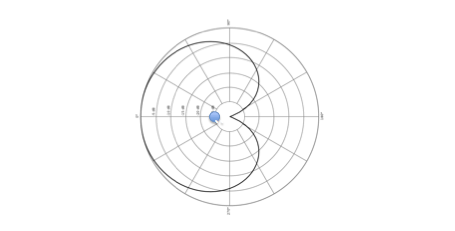
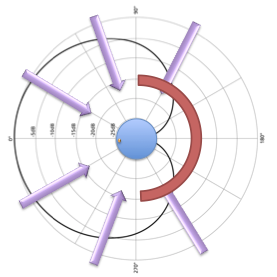
To illustrate the cardioid pattern’s behavior, consider a top-down view of a microphone. The microphone is represented as a central circle, with the front of the microphone indicated by a small dot or logo. The cardioid pattern, resembling a heart shape, shows that the microphone is most sensitive directly in front of it, with sensitivity diminishing as you move towards the sides and virtually disappearing at the rear.
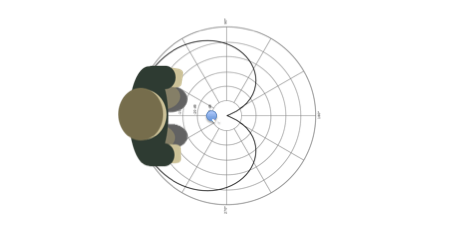
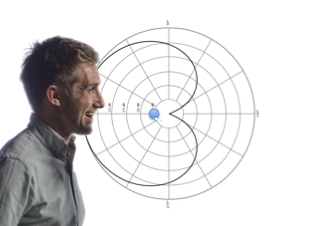
When a voice artist speaks into a cardioid microphone, their voice enters this "heart-shaped bubble" of sensitivity. This bubble extends in three dimensions, forming a three-dimensional pickup zone. While the artist can be slightly off-axis (to the left, right, high, or low) and still be captured effectively, the microphone actively minimizes pickup from other directions.
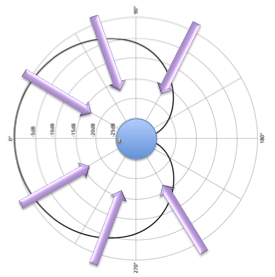
Now, imagine sound reflections bouncing off the walls, ceiling, and other surfaces within the recording space. These reflections arrive at the microphone from all directions, a full 360 degrees. Crucially, a cardioid microphone will only pick up a fraction of these reflections – primarily those that enter the front-facing sensitivity lobe. Reflections coming from directly behind the microphone are largely rejected, and those from the sides are significantly attenuated.
The Reflection Filter Paradox: Where Marketing Meets Reality
This is where the perceived function of a sound reflection filter often diverges from its actual impact. Reflection filters are designed to be placed around the microphone, ostensibly to block or absorb these incoming reflections. However, when analyzed in conjunction with the microphone’s inherent pickup pattern, their contribution to reducing unwanted reflections becomes questionable.
A typical reflection filter, positioned behind and to the sides of the microphone, aims to absorb or deflect sound waves before they reach the microphone from those directions. Yet, the cardioid microphone itself is already designed to ignore or significantly reduce the pickup of sound from those very directions. The filter, in essence, is attempting to block sound that the microphone is already largely ignoring.
The visual representation of a reflection filter placed around a cardioid microphone, along with incoming sound reflections, reveals this phenomenon. The filter might absorb some reflections that would have otherwise entered the sides of the pickup pattern, but the primary area of sensitivity – the front – remains largely unimpeded by the filter. This means that the most significant source of unwanted reflections, those that might enter from the front or slightly off-axis, are not effectively managed by the filter’s design.
Extensive empirical testing, including direct comparisons of recordings made with and without reflection filters, has often yielded surprisingly little audible difference. This suggests that while reflection filters may offer a psychological benefit or a visual cue of acoustic treatment, their tangible impact on reducing overall room reflections captured by a directional microphone is minimal.
The Real Culprits: Room Acoustics and Sound Treatment
If reflection filters are largely ineffective, then what truly contributes to a professional-sounding recording? The answer lies in addressing the acoustic properties of the recording space itself. The fundamental principle is to treat the room, not just the immediate vicinity of the microphone.
The goal is to create an environment where sound energy is either absorbed or diffused effectively across all surfaces. This can be achieved through various methods:
- Absorption: Employing broadband acoustic panels made of dense fiberglass or mineral wool, strategically placed on walls and ceilings to absorb sound energy across a wide range of frequencies. Bass traps, designed to absorb low-frequency sound waves, are particularly important for controlling boominess in smaller rooms.
- Diffusion: Using diffusers, which are surfaces with irregular shapes and depths, to scatter sound waves in multiple directions. This helps to break up standing waves and prevent harsh echoes without making the room sound unnaturally "dead."
- Isolation: Preventing external noise from entering the recording space and internal noise from escaping. This often involves building a sealed room or using specialized soundproofing materials.
Creating a dedicated recording booth, whether professionally constructed or a DIY solution, is often the most effective approach. These structures are designed to offer both acoustic isolation and internal sound treatment. Alternatively, adapting a space within a home, such as a walk-in closet filled with clothes (which act as natural absorbers), can provide a surprisingly effective recording environment. The key is to move away from untreated, reflective surfaces like bare walls in kitchens or offices.
Why Do Reflection Filters Persist in Popularity?
Given their limited effectiveness, the continued prevalence of reflection filters in home studios can be attributed to several factors:
- Inexperience and Misinformation: Newer or less technically inclined audio enthusiasts may purchase reflection filters based on marketing claims, visual appeal, or the advice of others who themselves may be misinformed. The perceived "professional" look of these devices can also be a draw.
- The Illusion of Control: In the absence of proper acoustic treatment, a reflection filter offers a tangible, albeit often ineffective, attempt to "do something" about the room’s acoustics. It provides a visual cue that effort is being made to improve the sound.
- Lack of Comparative Testing: Many users may not have the means or knowledge to conduct rigorous A/B testing to discern the actual impact of a reflection filter. The subtle differences, if any, can be easily overlooked.
While reflection filters are unlikely to actively harm a recording, their purchase represents a misallocation of resources that could be better invested in genuine acoustic treatment solutions.
The Path to Professional Sound: Prioritizing Room Treatment
The ultimate answer to the question of whether a sound reflection filter is necessary is a resounding "no." For individuals serious about achieving high-quality audio recordings, the focus must shift from superficial accessories to fundamental acoustic principles. Investing time, effort, and financial resources into properly treating the recording space is the only reliable path to a professional sound.
This involves understanding the physics of sound, the characteristics of different acoustic materials, and how to apply them effectively within a given space. Resources such as webinars and courses dedicated to building and treating home recording studios offer invaluable knowledge for aspiring audio professionals. These educational materials provide the foundational understanding needed to make informed decisions about acoustic treatment, leading to recordings that are clear, controlled, and free from the detrimental effects of room reflections.
Ultimately, the journey to excellent audio quality is not paved with reflection filters, but with a deep understanding of acoustics and a commitment to creating a truly controlled recording environment. The cat, in its natural state, is a far more effective acoustic tool than any commercially marketed reflection filter.
[Updated January 2026]
