

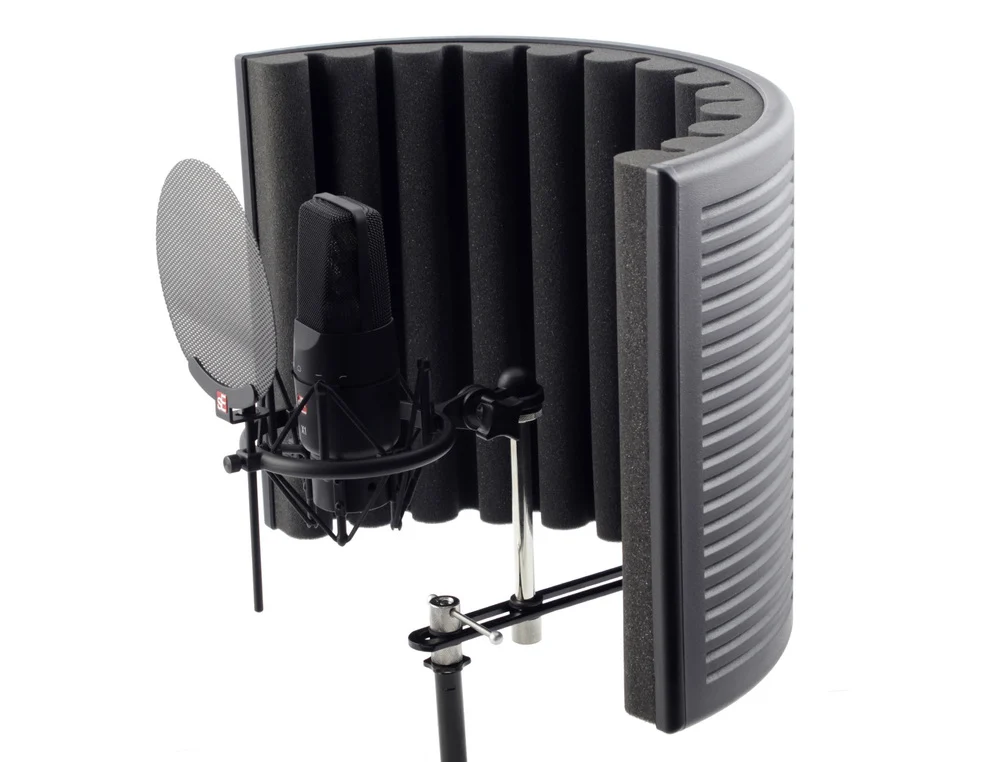
The persistent question, "Do I need a sound reflection filter in my home studio?" is a recurring inquiry within the professional development circles of Gravy For The Brain. This article aims to provide a comprehensive and definitive answer, moving beyond anecdotal evidence to a foundational understanding of audio recording principles. To achieve this, we must first dissect the very purpose of a home recording studio, the fundamental mechanics of microphones, and how these elements interact to produce quality audio.
The Genesis of the Home Recording Studio: More Than Just a Room
At its core, a home recording studio, or any professional recording environment for that matter, is designed to achieve a precise set of conditions. It must function as a stable, repeatable recording space. This entails two critical aspects: preventing external sounds from entering the recording environment (no sound ingress) and ensuring that sounds generated within the studio do not escape (no sound egress). Crucially, it also aims to meticulously minimize any unwanted sound reflections that can interfere with the primary audio source being captured by the microphone.
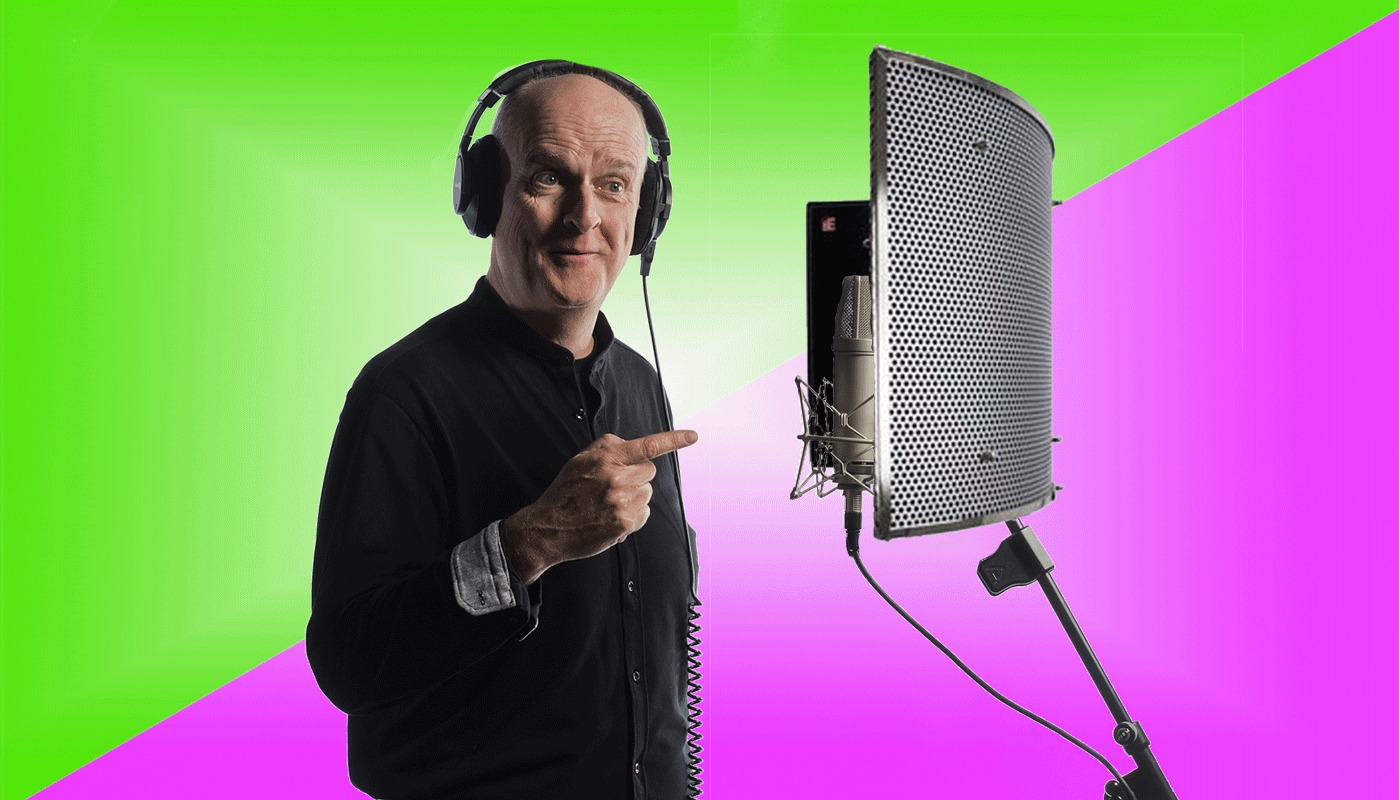
The pursuit of these conditions is not merely an aesthetic choice; it is a technical necessity for achieving professional-grade audio. Uncontrolled reflections, often referred to as "reverb" or "echo" in less technical contexts, can muddy the clarity of a recording, introduce artifacts, and significantly degrade the perceived quality of the final product. For voice-over artists, podcasters, musicians, and anyone relying on clear vocal or instrumental recordings, managing these reflections is paramount. The ultimate objective is to isolate the pure intended sound, be it a voice or an instrument, and capture it without the detrimental influence of the surrounding acoustic environment.
Deconstructing the Sound Reflection Filter: Purpose and Perceived Efficacy
The market is replete with devices marketed as "sound reflection filters." These are typically semi-circular or curved baffles lined with acoustic foam or other sound-dampening materials, designed to be mounted around a microphone. The underlying premise of their design is to absorb and dissipate sound waves that would otherwise bounce off nearby surfaces and re-enter the microphone.
The typical user of such a device, especially those new to audio production, might observe the acoustic material and the physical barrier it presents and logically conclude that it must be effective. Marketing materials often reinforce this perception, showcasing these filters as essential tools for achieving studio-quality sound in less-than-ideal acoustic spaces. However, a deeper technical analysis reveals a more nuanced reality regarding their actual impact.

The Microphone’s Perspective: Understanding Polar Pickup Patterns
To critically evaluate the effectiveness of a reflection filter, one must first understand how microphones capture sound. Microphones are not omniscient sound receivers; they possess directional characteristics, defined by their "polar pickup patterns." This pattern describes the sensitivity of the microphone to sound arriving from different directions relative to its front.
Several common polar pickup patterns exist, each with distinct applications:
- Omnidirectional: This pattern picks up sound equally from all directions (360 degrees). While useful for capturing ambient sound or providing a natural room tone, it is highly susceptible to room reflections and ambient noise, making it generally unsuitable for isolating a primary sound source in untreated environments.
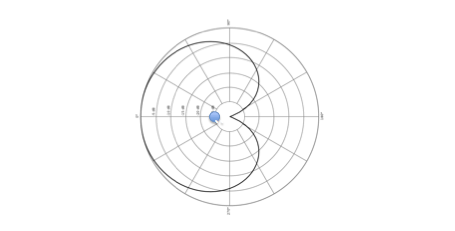
- Cardioid: This is the most common pattern for voice recording. It is most sensitive to sound from the front and progressively less sensitive to sound from the sides and rear. This directional focus is crucial for minimizing the pickup of unwanted room reflections and ambient noise, thus contributing to a cleaner, more focused recording.
- Figure-8 (Bidirectional): This pattern picks up sound equally from the front and the rear, while rejecting sound from the sides. It’s often used in techniques like Mid-Side stereo recording or for capturing two sources facing each other.
- Supercardioid and Hypercardioid: These are tighter versions of the cardioid pattern, offering even greater rejection from the sides but with a small lobe of sensitivity at the rear.
Many high-end microphones, such as the renowned Neumann U87, offer switchable polar patterns, allowing users to adapt the microphone’s characteristics to the specific recording situation. However, the vast majority of microphones used in home studios are fixed in a cardioid pattern. This choice is deliberate; it’s an intrinsic design feature aimed at mitigating the very problem that reflection filters purport to solve.
The Cardioid Pattern in Action: A Visual Explanation
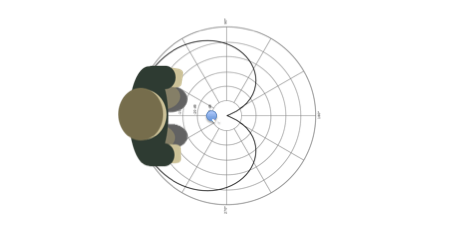
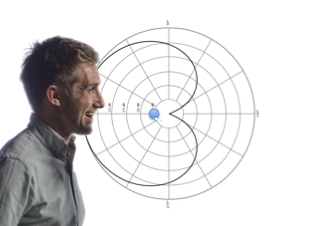
To illustrate the cardioid pattern’s function, consider a top-down view of a microphone. The pattern resembles a heart shape, with the apex of the heart pointing towards the front of the microphone (often indicated by a logo or dot). This means the microphone is most effectively capturing sound originating directly in front of it. As sound sources move towards the sides, the pickup sensitivity diminishes. Sound originating from directly behind the microphone is largely rejected.
This directional selectivity is not confined to a two-dimensional plane. In three dimensions, the cardioid pickup pattern forms a more complex, heart-shaped "bubble" extending outwards from the microphone. This bubble encompasses the intended sound source, such as a voice artist speaking directly into the microphone. The artist can deviate slightly to the left, right, above, or below the precise center of this bubble and still achieve good pickup. However, the pattern inherently minimizes the capture of sounds originating from outside this defined zone.
The Illusion of Control: How Reflection Filters Interact with Pickup Patterns
Now, let’s re-examine the sound reflection filter in light of the microphone’s polar pickup pattern. Sound waves, regardless of their origin (reflections from walls, ceilings, furniture, etc.), travel in all directions. When these ambient sound waves reach the microphone, the microphone’s polar pickup pattern determines which of these waves are actually captured and converted into an electrical signal.
As depicted in visual representations, sound reflections can indeed originate from all angles around the microphone. However, the crucial point is that a cardioid microphone, by its very design, is already significantly rejecting most of these off-axis reflections. The reflections that do reach the microphone are primarily those arriving from the sides, with minimal capture from the rear.
When a reflection filter is placed around the microphone, it forms a physical barrier. This barrier may absorb some of the sound waves that are directed towards it. However, the critical realization is that the filter is essentially attempting to block sound that the microphone’s inherent directional pattern is already largely ignoring. The sound waves that the microphone is primarily capturing are those coming from its front. The reflection filter, by its nature and typical placement, offers little to no obstruction to this direct path of sound.
Therefore, the primary function of the reflection filter – to block unwanted reflections – is largely redundant when using a directional microphone like a cardioid. The acoustic material within the filter might absorb some incidental sound, but its overall impact on the captured audio is often negligible. Independent testing and anecdotal evidence from experienced audio engineers consistently show minimal, if any, discernible difference in recordings made with and without these filters, particularly when a cardioid microphone is employed.
The Market Phenomenon: Why Are Reflection Filters So Popular?
Despite the technical analysis suggesting limited efficacy, reflection filters remain a popular purchase, particularly among novice audio professionals. This can be attributed to several factors:
- Perceived Value: The physical presence of the filter and its sound-dampening materials create a strong visual and tactile impression of acoustic control.
- Marketing Influence: Manufacturers and retailers often promote these filters as essential tools for achieving professional sound, creating a perceived need.
- Imitation: Inexperienced users may see established professionals or peers using these filters and assume they are necessary for quality results.
- Lack of Technical Understanding: A misunderstanding of microphone polar patterns and room acoustics can lead to an overestimation of the filter’s benefit.
In essence, many consumers purchase reflection filters based on marketing and observation rather than a thorough understanding of audio engineering principles. This has created a market for a product whose practical benefit is often overshadowed by its theoretical promise.
The True Path to Quality: Acoustic Treatment
If reflection filters are not the solution, what is? The answer lies in fundamental acoustic treatment of the recording space. Creating a controlled acoustic environment is paramount to achieving high-quality recordings, especially for vocalists. This involves addressing sound ingress and egress, and critically, managing reflections within the room.
Instead of relying on a supplementary device like a reflection filter, the focus should be on treating the room itself. This can be achieved through various methods:
- Building a Vocal Booth: A dedicated, acoustically treated enclosure designed to isolate the recording process.
- Adapting Existing Spaces: Modifying areas within a home, office, or garage by incorporating sound-absorbing materials. This can include the strategic use of thick curtains, upholstered furniture, blankets, acoustic foam panels, bass traps, and diffusers.
- DIY Solutions: Creative and cost-effective approaches, such as building portable acoustic panels or utilizing existing soft furnishings to break up sound waves.
The objective of acoustic treatment is not to create an anechoic chamber (a room with no reflections), which can sound unnatural and sterile. Instead, it is to control and shape the room’s reverberation time and frequency response to create a pleasing and neutral acoustic environment for recording. This ensures that the microphone captures the intended sound source with clarity and detail, free from the detrimental coloration of uncontrolled room reflections.
Resources such as comprehensive webinars on building home recording studios, like those offered by Gravy For The Brain, provide detailed guidance on the principles and practical application of acoustic treatment. These resources delve into the science behind sound absorption and diffusion, offering actionable strategies for transforming an untreated space into a functional recording environment.
Conclusion: A Prudent Investment in Acoustics, Not Accessories
In conclusion, the question of whether a sound reflection filter is necessary for a home studio can be definitively answered: No, you do not need a sound reflection filter. While they do not inherently harm the recording process, their contribution to improving audio quality is often minimal, especially when using directional microphones. The money and effort invested in such accessories would be far more effectively allocated towards proper acoustic treatment of the recording space.
The true key to achieving professional-sounding recordings lies in understanding and controlling the acoustic environment. By investing time, effort, and a sensible budget into soundproofing and acoustic treatment, individuals can create a superior recording space that yields significantly better results than any supplementary filter could provide. Therefore, aspiring audio professionals are advised to prioritize the foundational principles of acoustics over the purchase of potentially ineffective accessories. The cat, while furry, is best left unutilized as a recording booth, but its presence might indeed be more acoustically beneficial than a reflection filter.
